
For Americans attracted to alternative lifestyles, opportunities to travel, health care, and cultural experiences, the move to Europe may seem exciting. Moving overseas, however, is more than just picking a city. Visa requirements, housing costs, tax, language, and day-to-day experiences can all impact the smoothness of the transition. If Americans are not prepared for this lifestyle, they can at least learn some realities prior to the move so they can make their transition to long-term European life more thoughtful.
Visa and Residency Rules Vary by Country

Each European country has its own standard of visas for working, studying, retiring, or living there for an extended period. It is common for Americans to have to obtain a residency permit or a special visa to legally live in another country for a longer period of time.
Healthcare Systems Work Differently

Access to public health care systems varies greatly from country to country in Europe, with many countries providing public health care for non-citizens. Depending on residency status and country-specific rules and regulations, private insurance may also be required.
Housing Sizes Are Often Smaller

In many European cities, apartments and houses are smaller than they are in the US suburbs. There can also be a perception of less storage space, kitchens and appliances.
Taxes Can Become More Complex
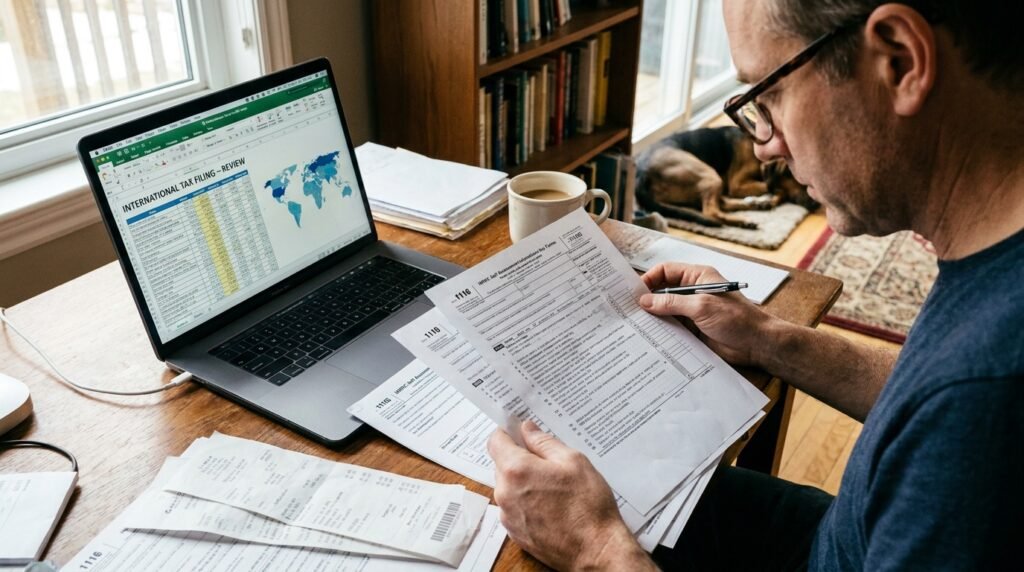
U.S. taxes may still be due to Americans abroad, in addition to the tax they have to pay in their country of residence. Tax reporting and laws can get quite involved on the international level.
Public Transportation Is More Central to Daily Life
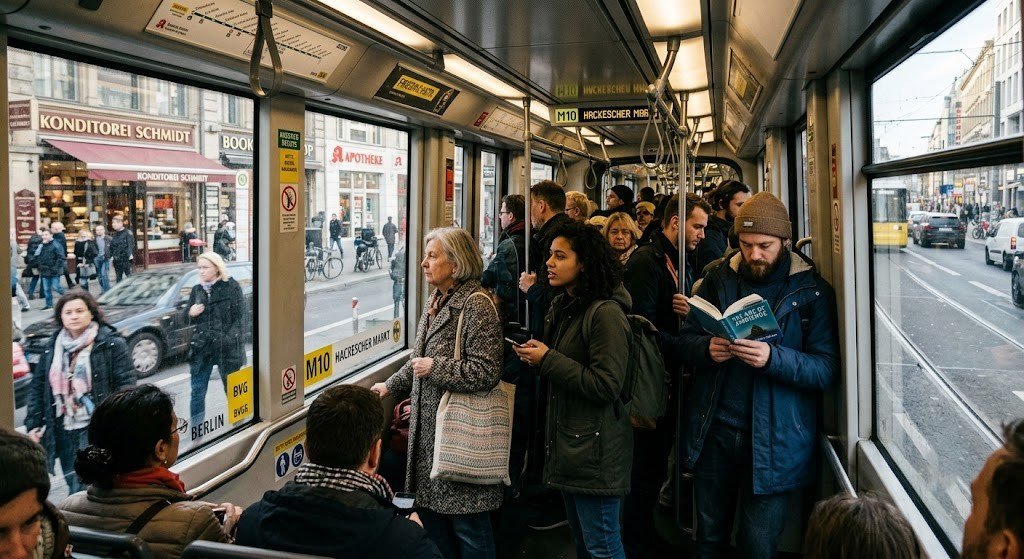
There is a lot of public transport use (trains, buses, trams, walking) in much of Europe compared to private cars. Others discover they require vehicles less often in their new home countries. Others find that they need vehicles much less often in their new country.
Language Differences Affect Everyday Tasks
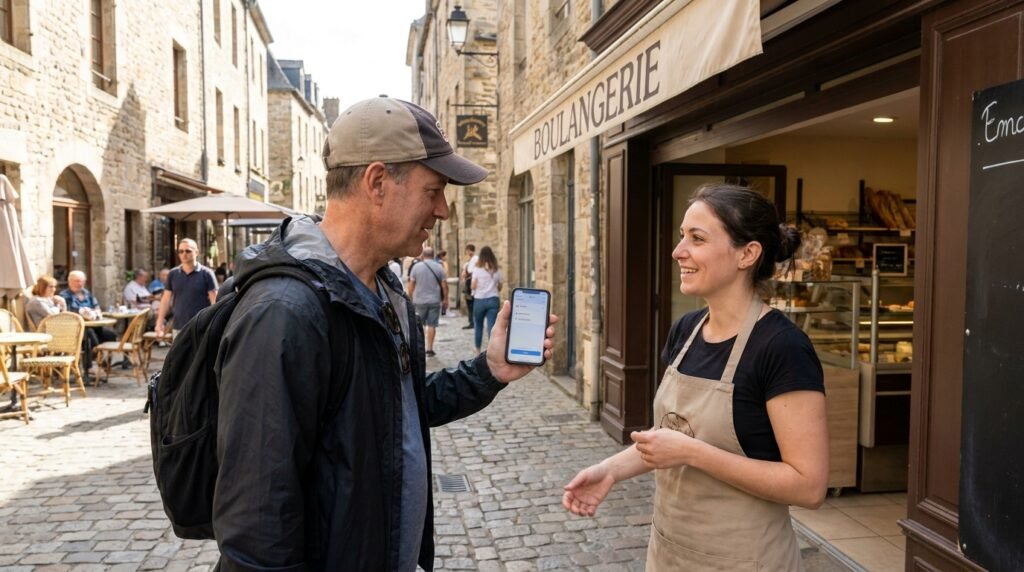
In many countries, even where English is widely used, it is not the first language used by the government, health services, the banking sector, or local services.
Shopping and Dining Habits Can Feel Different
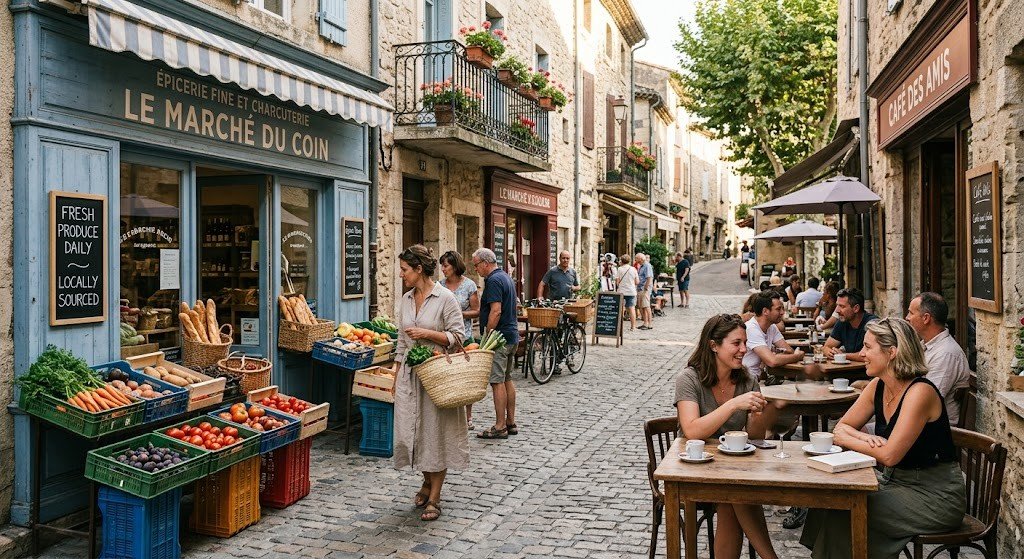
Another constraint is that stores may be closed earlier, shopping baskets are smaller, and restaurant service is slower than in many places in the United States.
Financial Systems May Require Adjustment
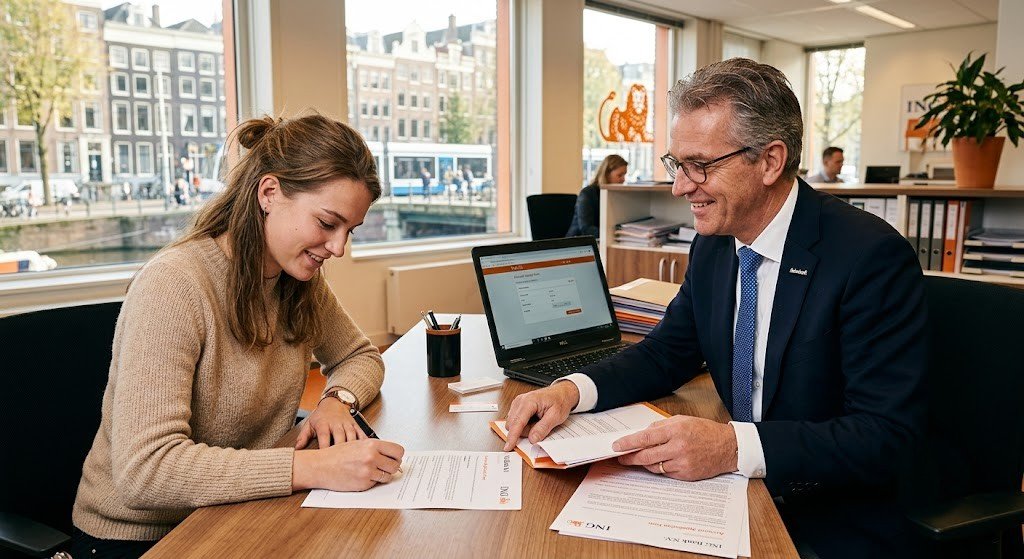
Opening up bank accounts, establishing local credit, and transferring funds across borders may be a bit longer than anticipated for new residents from the U.S.
Cultural Expectations Vary Across Europe

There are significant differences among European countries with regard to work-life balance, tipping customs, social interactions, and communication styles. Transitioning can be smoother with flexibility and cultural awareness.
Cost of Living Depends Heavily on Location
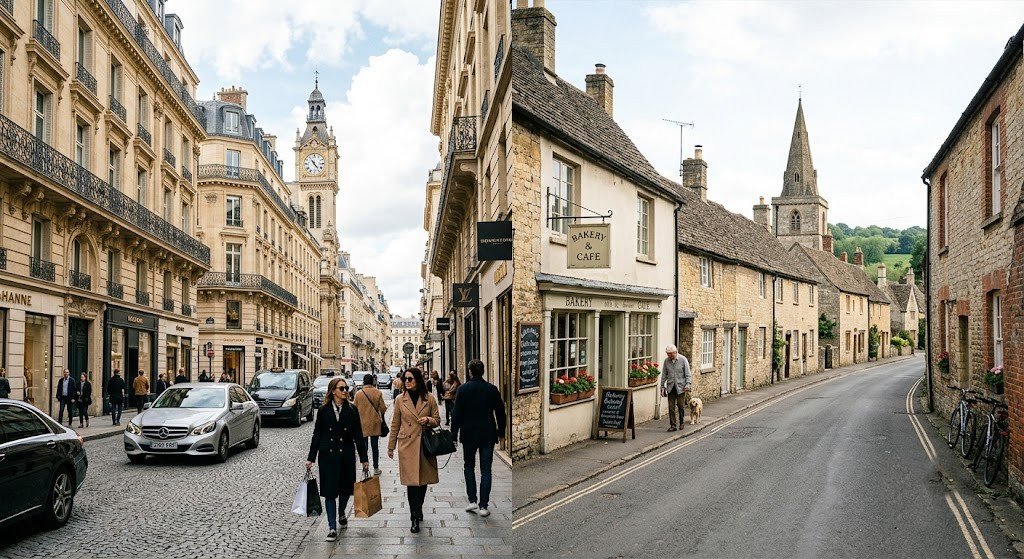
The cost of living is higher in larger cities such as Paris, Amsterdam, or Zurich, and can be lower in smaller towns and regional cities. Therefore, housing, transportation, healthcare, taxes, and cultural expectations may feel very different from life in the United States, especially during the first year abroad.
