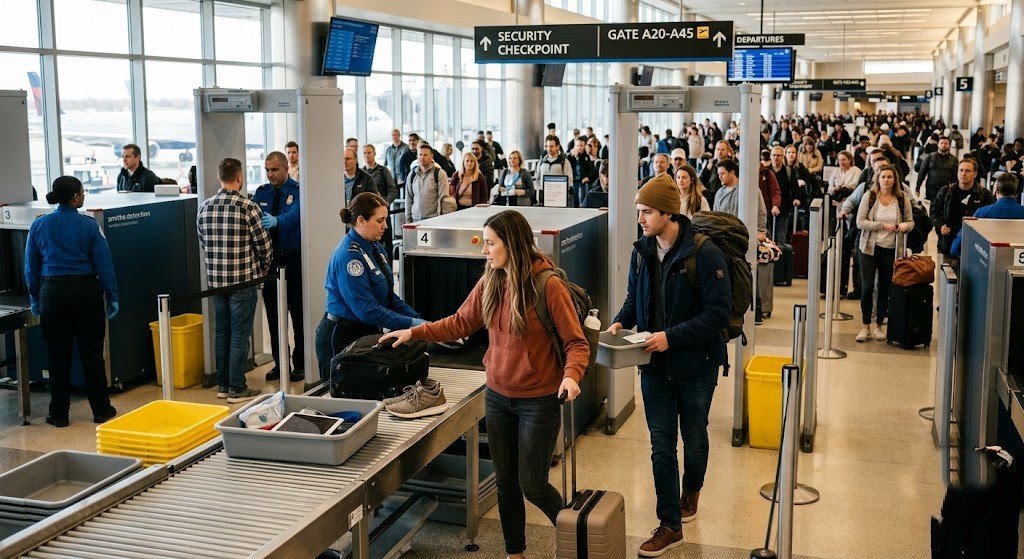
Airport security screening keeps moving forward as TSA technology gets more advanced and passenger numbers stay pretty high at many major airports. Most travelers mainly think about liquids and carry-on rules, but what you wear can also mess with how fast people flow through those checkpoint areas. Some outfits, little accessories, and even certain fabrics are more likely to trigger extra screening or just make the line crawl. If you understand which clothing habits tend to attract attention, it can really help you dodge delays and slip through TSA checkpoints in a smoother, less stressful way.
Oversized Hoodies and Bulky Layers
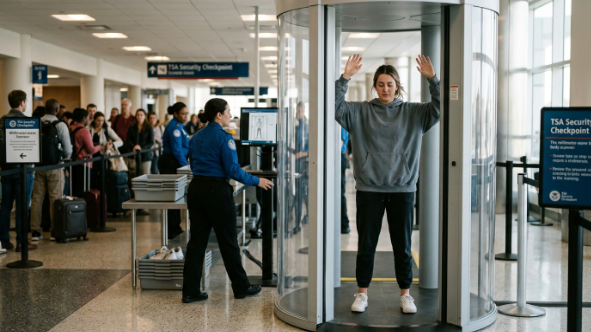
Heavy sweatshirts, ponchos, and those oversized layered kinds of outfits can end up making body scanner images kind of blurry or unclear, and then sometimes it causes extra screening or a manual inspection. The Transportation Security Administration advises travelers to remove bulky outerwear before screening. TSA Screening Guidance
Clothing With Excessive Metal Details
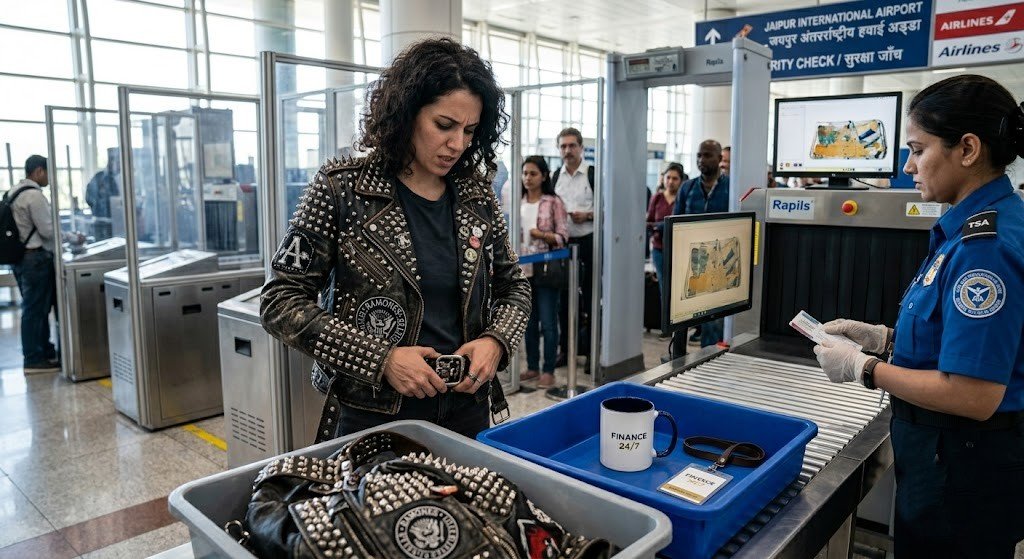
Large belt buckles, metal-studded jackets, chains, and metallic fashion accessories frequently activate security alarms and slow down the checkpoint process. TSA procedures routinely require the removal of metal objects before passing through screening equipment.
Extremely Baggy Clothing
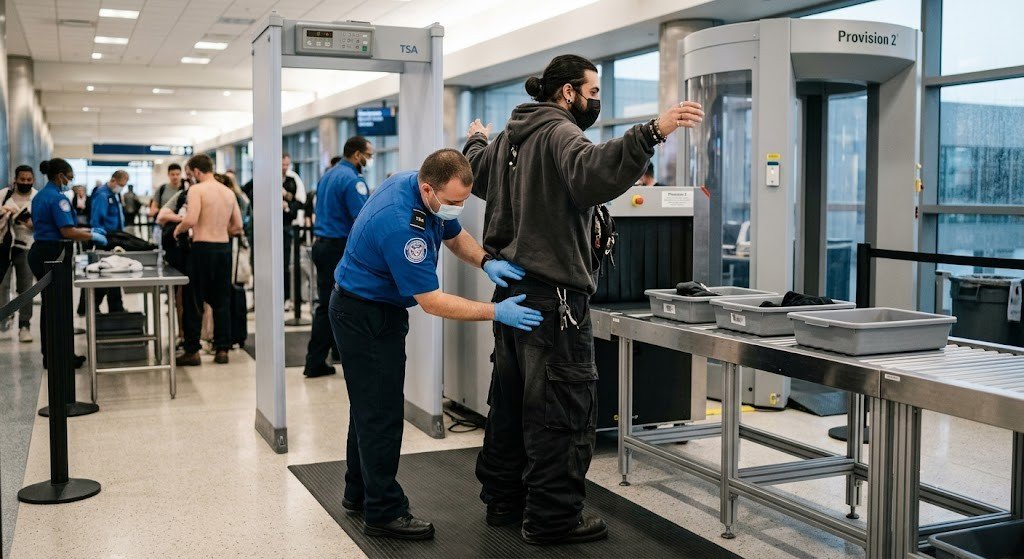
Loose-fitting pants and those oversized jackets, plus really wide garments, can make awkward folds or leave hidden spots that scanners might notice. Then they can end up flagging it for extra inspection, maybe a second look. TSA Advanced Imaging Technology scanners identify anomalies requiring secondary review.
Shoes That Are Difficult To Remove Quickly
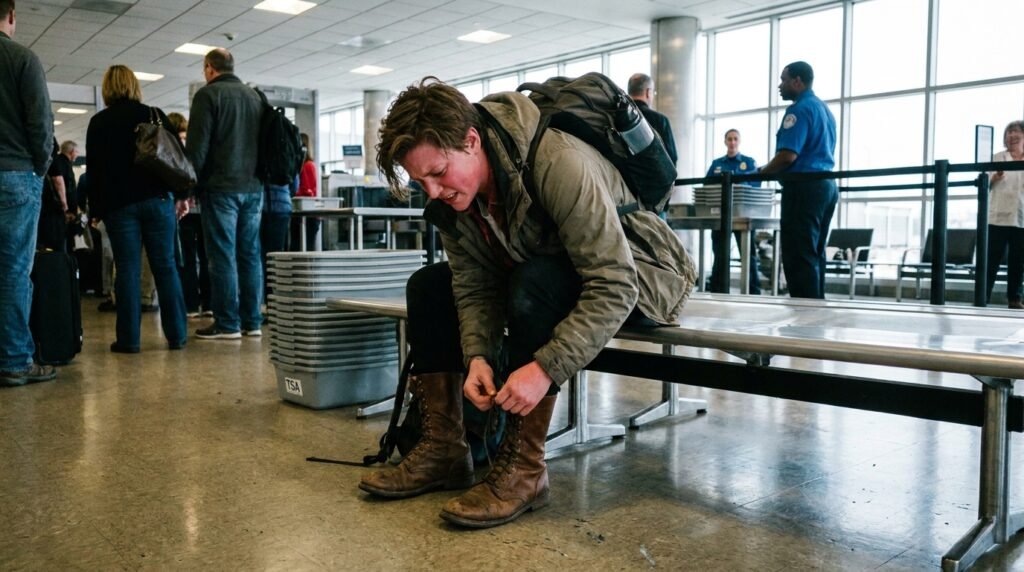
Tall boots and lace-heavy footwear, plus those kinds of complicated fashion shoes they wear, can slow down the whole security screening quite a bit, particularly at airports where shoe removal still shows up for regular screening passengers. TSA continues requiring many travelers to remove shoes during screening unless enrolled in programs like TSA PreCheck.
Outfits With Hidden Pockets or Compartments
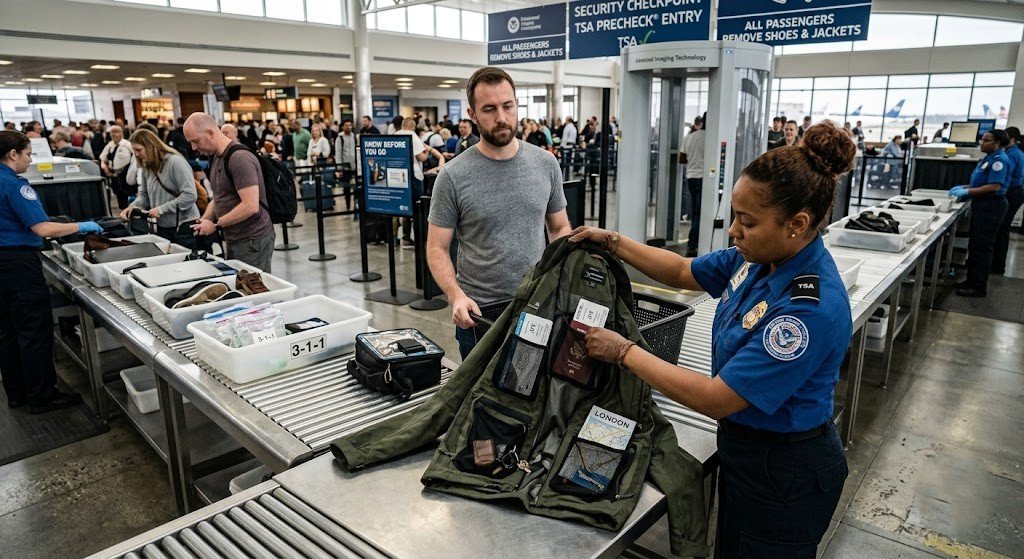
Travel clothing designed with concealed pockets or layered compartments sometimes attracts additional screening because scanners detect unusually dense or unclear areas. TSA screening systems are designed to identify concealed objects and unusual shapes during passenger checks.
Excessive Jewelry and Accessories
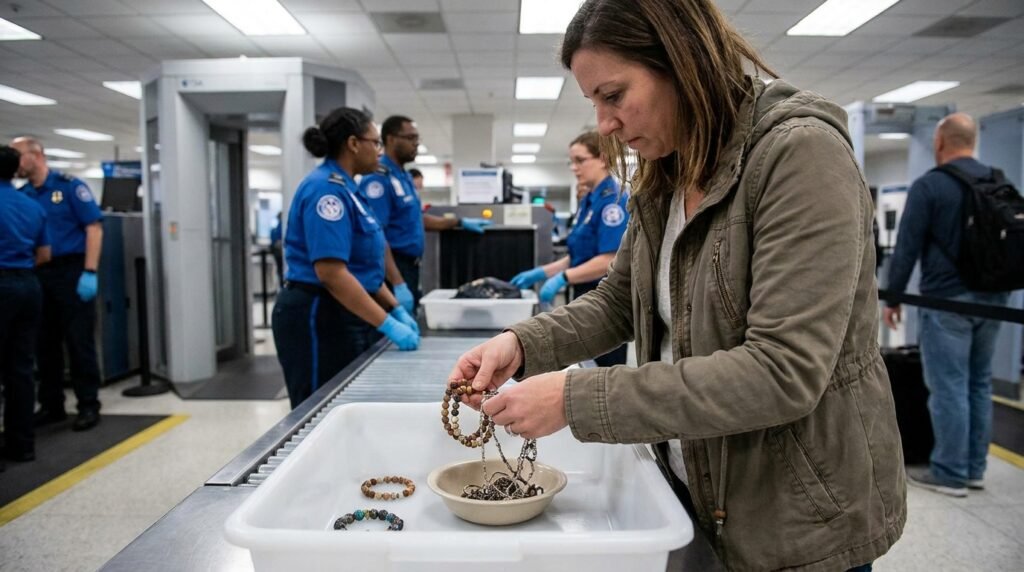
Multiple bracelets, oversized necklaces, stacked rings, and heavy accessories can increase alarm triggers and require additional removal during screening. TSA recommends minimizing removable accessories before entering checkpoints to speed up screening.
Clothing That Retains Moisture Easily
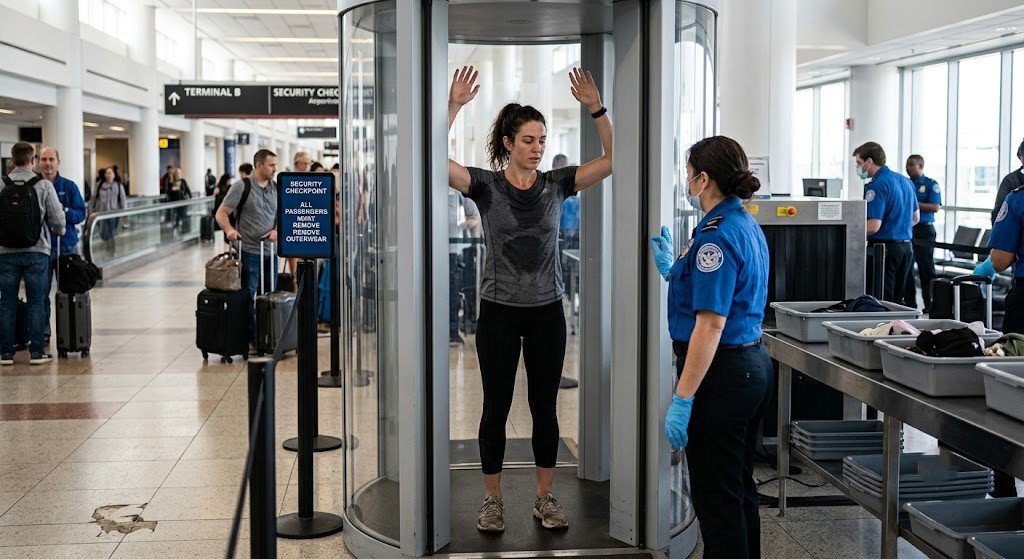
Some security experts, and a few traveler accounts, have at times tied damp clothing or heavy perspiration to scanner irregularities and then leading to what seems like secondary screening, in the end. Advanced body scanners identify irregularities on clothing surfaces that sometimes include moisture-related detection areas.
Graphic Clothing That Violates Airline Policies
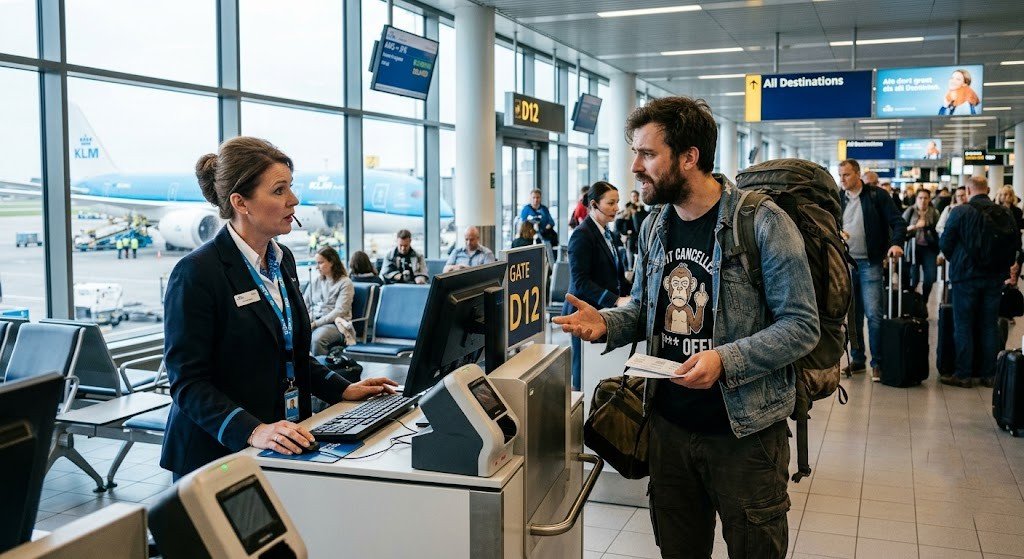
Some airlines maintain dress and conduct policies restricting offensive language, inappropriate graphics, or disruptive imagery displayed on passenger clothing. Major airlines publish passenger attire and conduct guidelines within their official conditions of carriage policies.
