
Americans encounter many cultural practices while travelling in Europe that seem very different from those at home. Small habits can make a big impression when a visitor isn’t used to them, like the manner in which people eat or what time they go shopping. But many of these differences are not good or bad; they are determined by history, lifestyle, and social expectations from each country. Understanding these habits can make travel experiences feel smoother while helping visitors better appreciate cultural differences abroad.
Stores Closing Earlier Than Expected
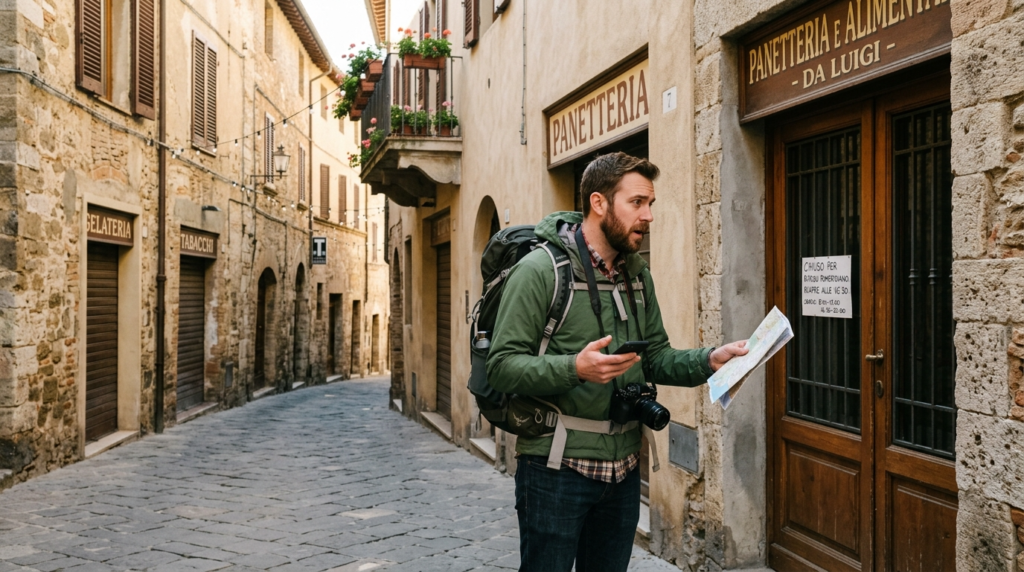
For many Americans, the idea of closing early on Sundays or during breaks in the day in many small towns is shocking. Many Americans are shocked to see stores, pharmacies, and even grocery stores closing at much earlier times, especially on Sundays or during the afternoon breaks in smaller towns in Europe.
Paying for Water at Restaurants
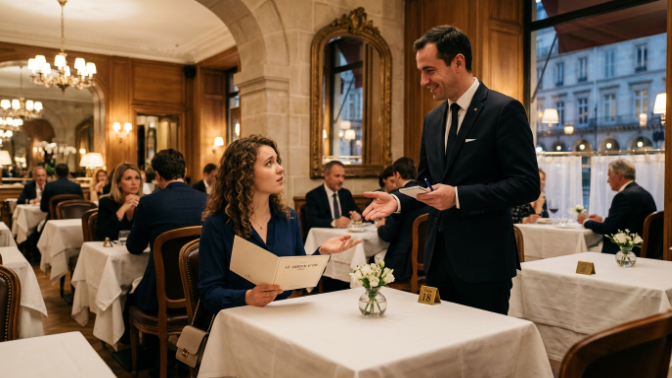
In many European countries, complimentary tap water is less common at restaurants than in the United States. Bottled mineral or sparkling water is frequently offered instead during meals.
Longer Dining Experiences
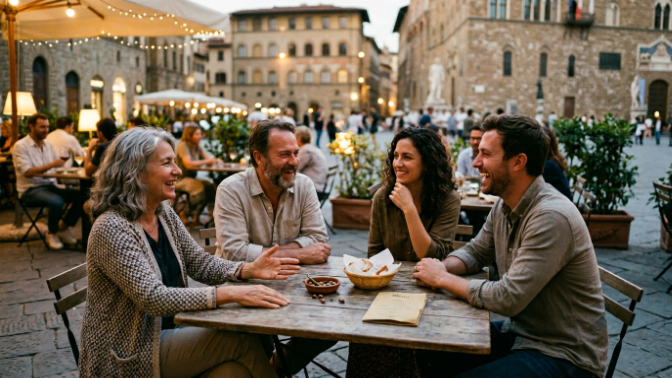
Meals in Europe often feel slower and more relaxed compared to the fast-paced restaurant culture common in the U.S. Diners may stay at tables much longer without feeling rushed by servers.
Smaller Refrigerators and Grocery Trips
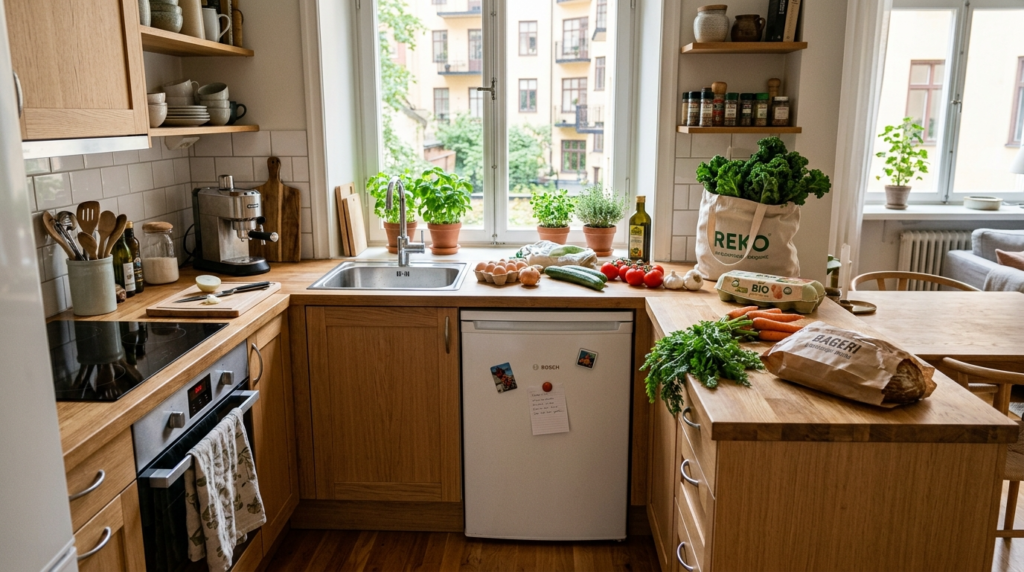
Many European homes have small refrigerators and make shorter trips to grocery stores throughout the week, instead of once per week as is often the case in many suburban homes in North America.
Limited Ice in Drinks
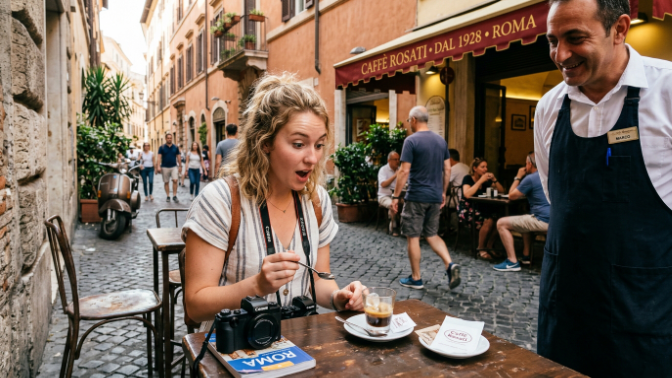
American and European café cultures differ vastly in how they serve chilled beverages. While Americans typically expect a glass packed to the brim with ice, Europeans generally serve drinks with minimal or no ice.
Public Transportation is Common
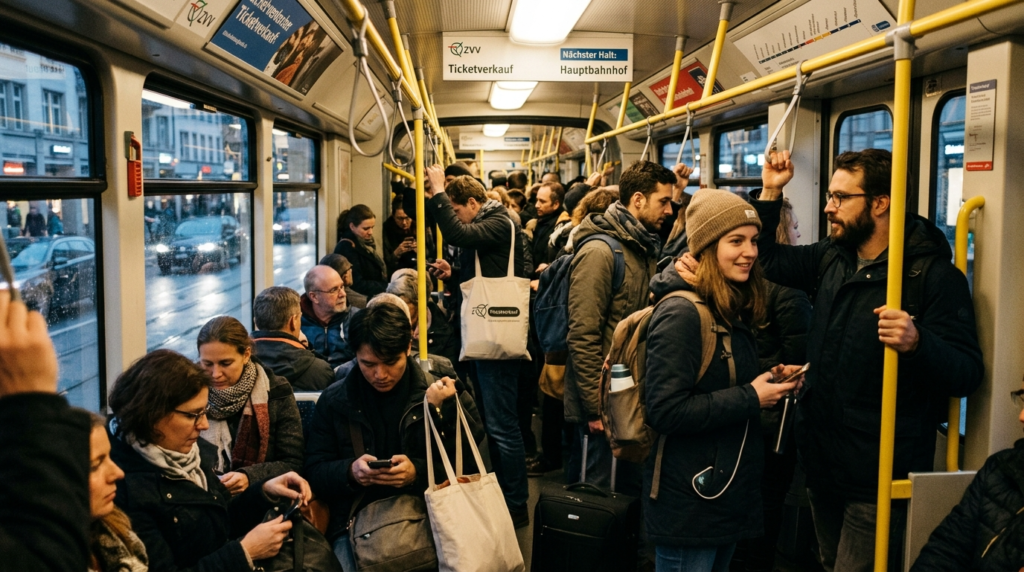
Unlike many cities in Europe, where daily life depends on walking, trains, trams, and public transport rather than on heavy reliance on private cars for short-distance travel.
Quiet Public Transportation Etiquette
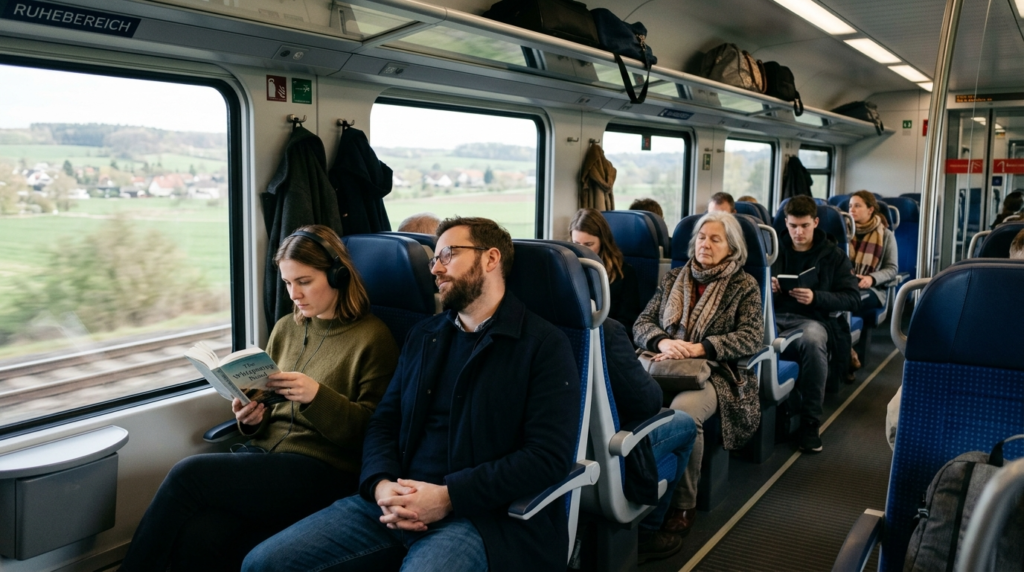
Many people in the U.S. find that in some parts of Europe, trains, buses, and subways remain much quieter. When people converse loudly or have a lot to say in shared transportation settings, it’s usually more noticeable.
Separate Twin Beds
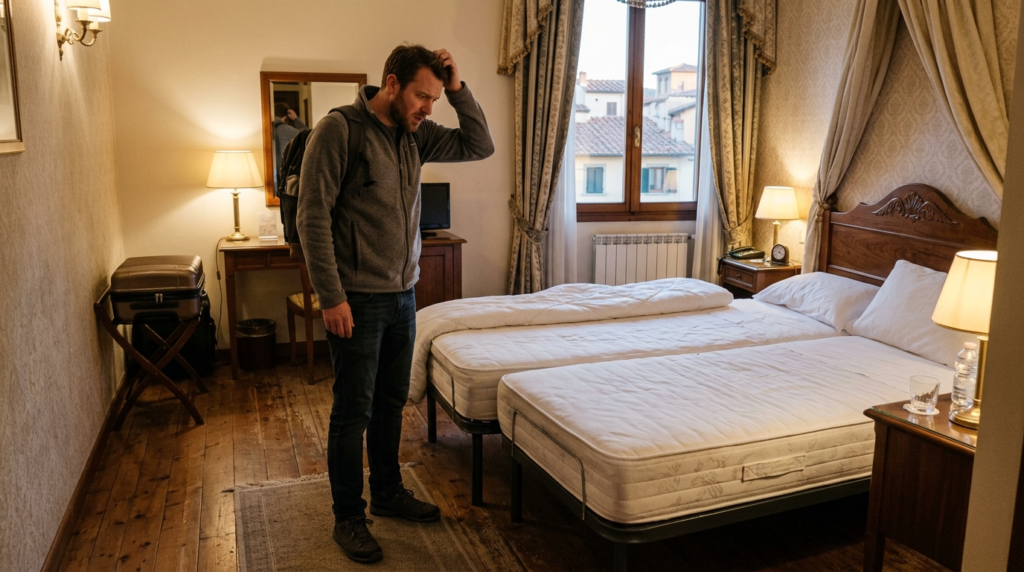
In a lot of European hotels, you’ll see double rooms where two separate twin mattresses are put next to each other, rather than just one big mattress for the bed. For American travelers it can feel kinda odd, because it doesn’t match their style.
