
Your Android smartphone continuously gathers information about your movements and online activities to create a comprehensive digital profile of your identity. The surprising part? Most people don’t realize how much information is being tracked or how easily it can be accessed.
Location Tracking Never Really Stops

Your phone continuously records your location data because you are currently logged into your Google account. This data recording process extends beyond GPS points because it records all specific locations you visit together with the duration of your visits and your complete daily travel paths.
Your Personal Timeline Exists

Google Maps creates a complete movement record through its Timeline feature. You have access to your complete daily activities for every date which shows your travel paths together with the duration spent at every place you visited.
Why This Data Is Collected
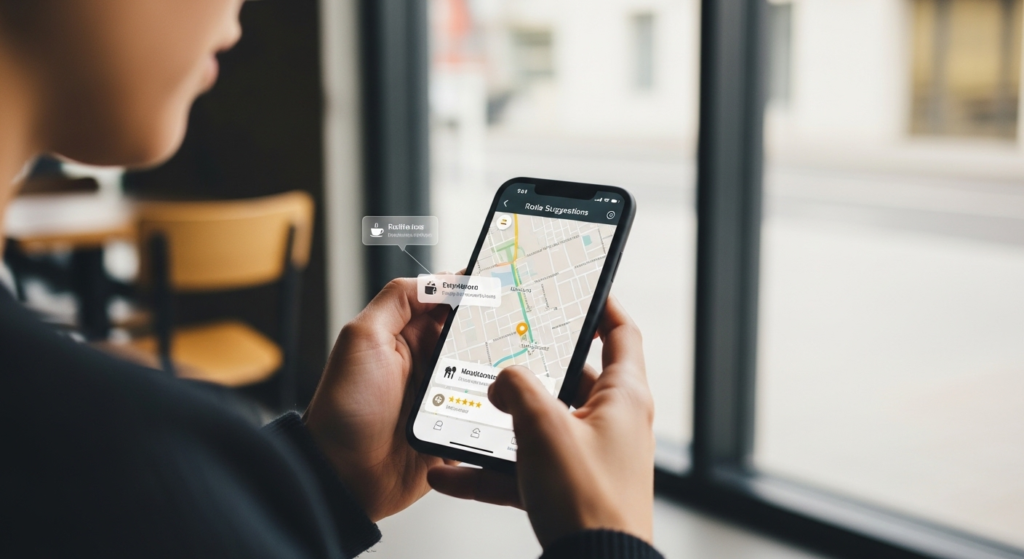
Google believes that this data collection process will enhance your user experience. It helps suggest faster routes, predict commute times, and recommend places. The system analyzes your behavior patterns silently while it collects information that proves useful.
Your Daily Activity Is Being Tracked
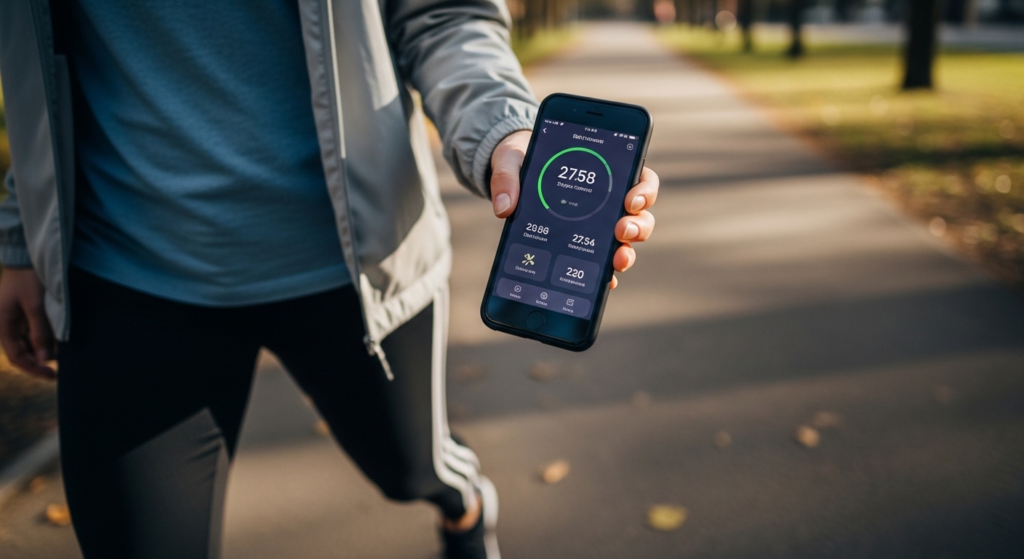
Your smartphone has the ability to track all of your physical movements. Your device uses sensors to record your walking and running and driving patterns which works even when you do not have a fitness application active. The tracking process becomes clearer through tools such as Google Fit.
Your Routine Becomes Data

Your phone develops understanding of your daily routines which include precise times you leave your house and your frequent travel destinations. This creates a behavioral profile. Your daily routine becomes accessible to smart functions because the system requires data from your everyday activities.
Ads Know What You Like

The Android operating system enables advertisers to deliver customized advertisements to users. Your searches, YouTube activity, and app usage help build an ad profile. The system identifies your advertising preferences through its categorization system which includes “traveler” and “tech enthusiast” user groups.
Your Photos Reveal More Than Images
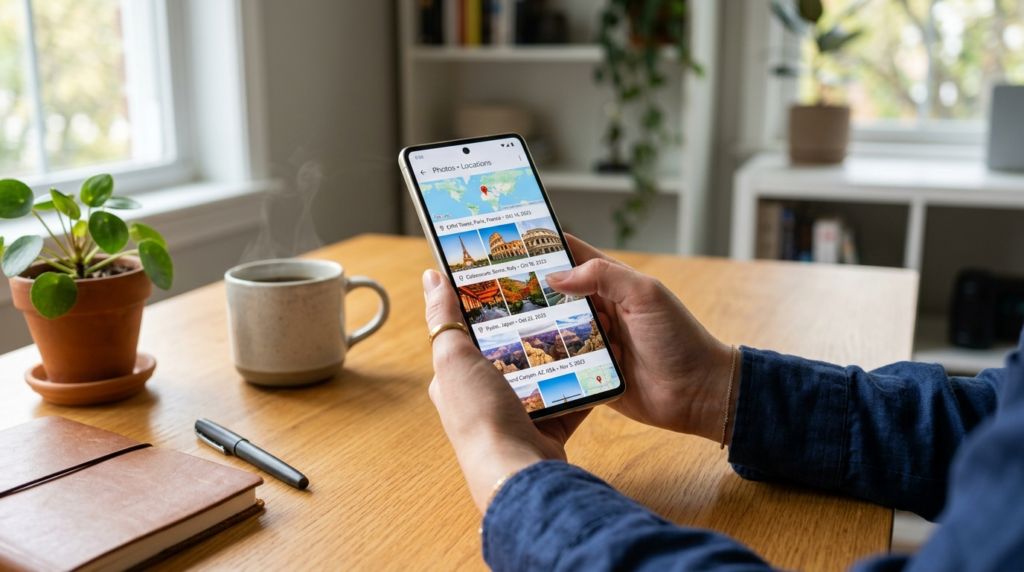
Google Photos stores photos that usually contain location information through their embedded metadata. Your images can show both the specific time and location of their creation which enables automatic organization based on your travel locations.
You Can Control What’s Collected

Most of this tracking can be managed. You can review activity, delete history, disable location tracking, and turn off ad personalization through your account settings. The tools exist—but many users never explore them.
Convenience vs Privacy

Data tracking powers convenience, better apps, smarter suggestions, and personalized experiences. But it comes at a cost and you must determine the extent of privacy you are prepared to sacrifice in order to achieve convenient digital access throughout your daily activities.
