
Public pranks often begin as lighthearted attempts to entertain, surprise, or create laughter among strangers. With the rise of social media, these moments are frequently recorded and shared, reaching audiences far beyond the original setting. However, not every prank lands as intended. What may seem harmless to one person can feel uncomfortable or even distressing to another. This raises an important question about boundaries, respect, and awareness in shared public spaces. Understanding where humor ends and discomfort begins is essential. By reflecting on such situations, we can better appreciate the impact our actions have on others around us.
Understanding Intent vs Impact

A prank may be planned with harmless intentions, but its impact can differ widely. People react based on personal comfort levels, past experiences, and surroundings. Recognizing this gap helps prevent situations from becoming unintentionally upsetting for others involved.
The Role of Public Spaces

Public places bring together people from different walks of life. A prank performed here doesn’t just affect one person but can influence many. Respecting shared environments ensures that everyone feels safe and comfortable while going about their day.
Emotional Reactions Are Real

Even a simple surprise can trigger strong emotional responses. Some may laugh, while others may feel anxious or confused. A prank should never dismiss or ignore how someone genuinely feels in that unexpected moment.
The Power of Social Media Sharing
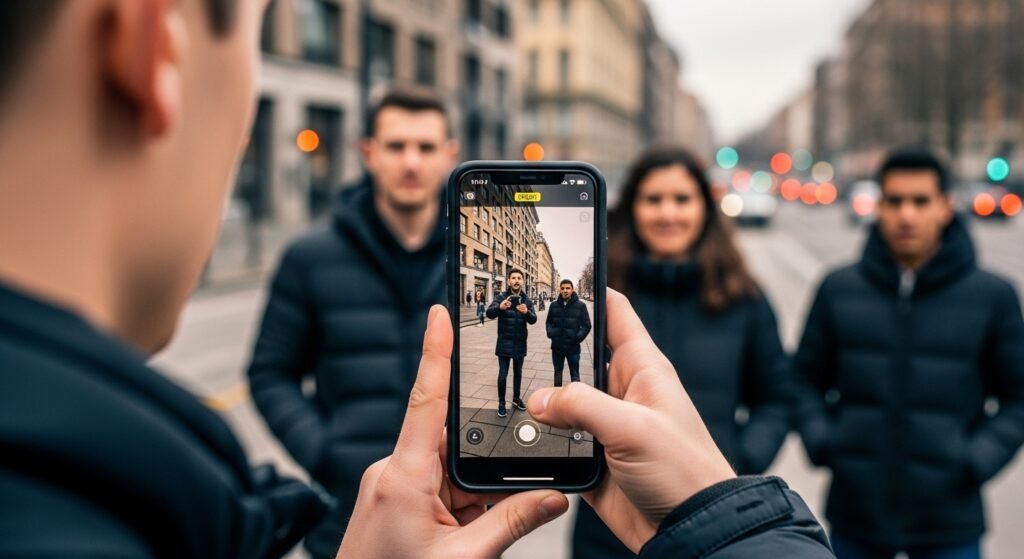
Recording pranks for online content can amplify their reach. While some viewers may enjoy the humor, others might question the ethics. Once shared, the moment cannot be undone, making thoughtful execution even more important.
Consent Matters More Than Ever

Involving strangers without their consent can be risky. People have the right to choose whether they want to participate in such activities. Respecting personal boundaries builds trust and avoids unnecessary discomfort.
Cultural Sensitivity Plays a Role
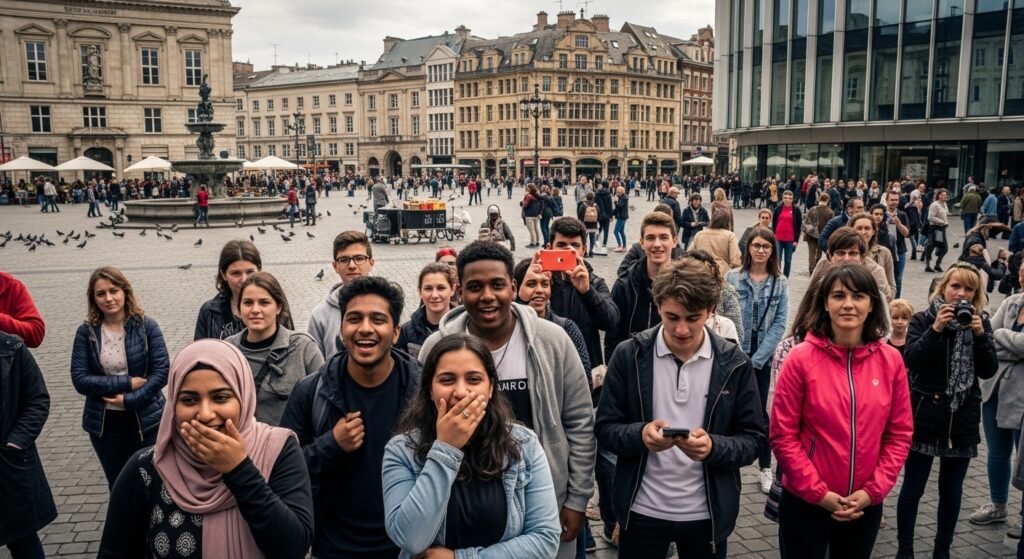
What is funny in one culture may not be perceived the same way in another. Awareness of social and cultural differences helps avoid misunderstandings and ensures that humor remains inclusive rather than divisive.
The Importance of Timing

A prank carried out at the wrong moment can feel intrusive. Someone in a hurry or dealing with a stressful situation may not appreciate unexpected interruptions, even if the intention was to entertain or lighten the mood.
Reading Body Language Carefully
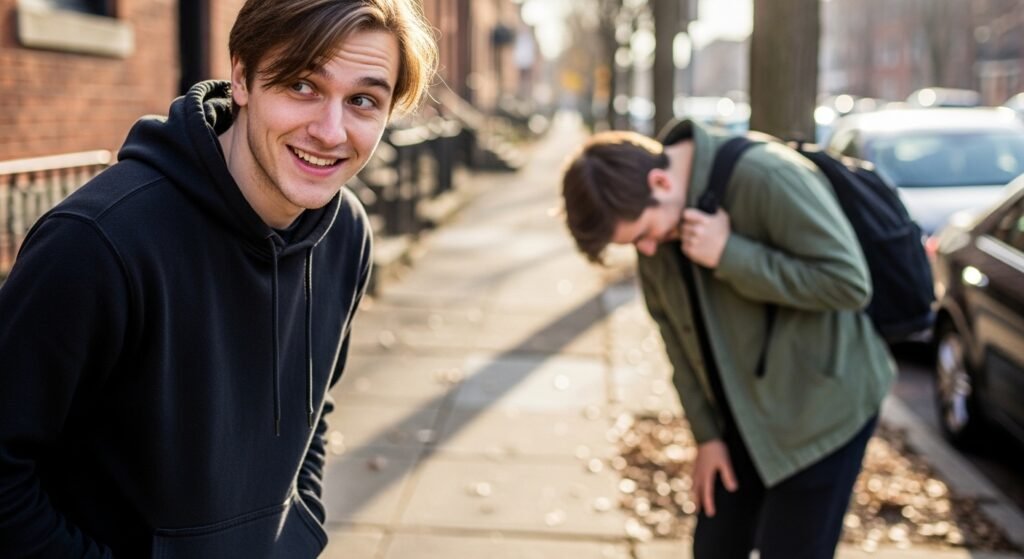
Non-verbal cues often reveal how someone feels. Hesitation, discomfort, or confusion are signs that a prank may not be well received. Paying attention to these signals allows for quick adjustments and respectful interaction.
When Humor Turns Into Pressure

Sometimes, people laugh along simply to avoid awkwardness. This doesn’t always mean they enjoyed the experience. True humor should feel natural, not forced or influenced by social pressure in public settings.
