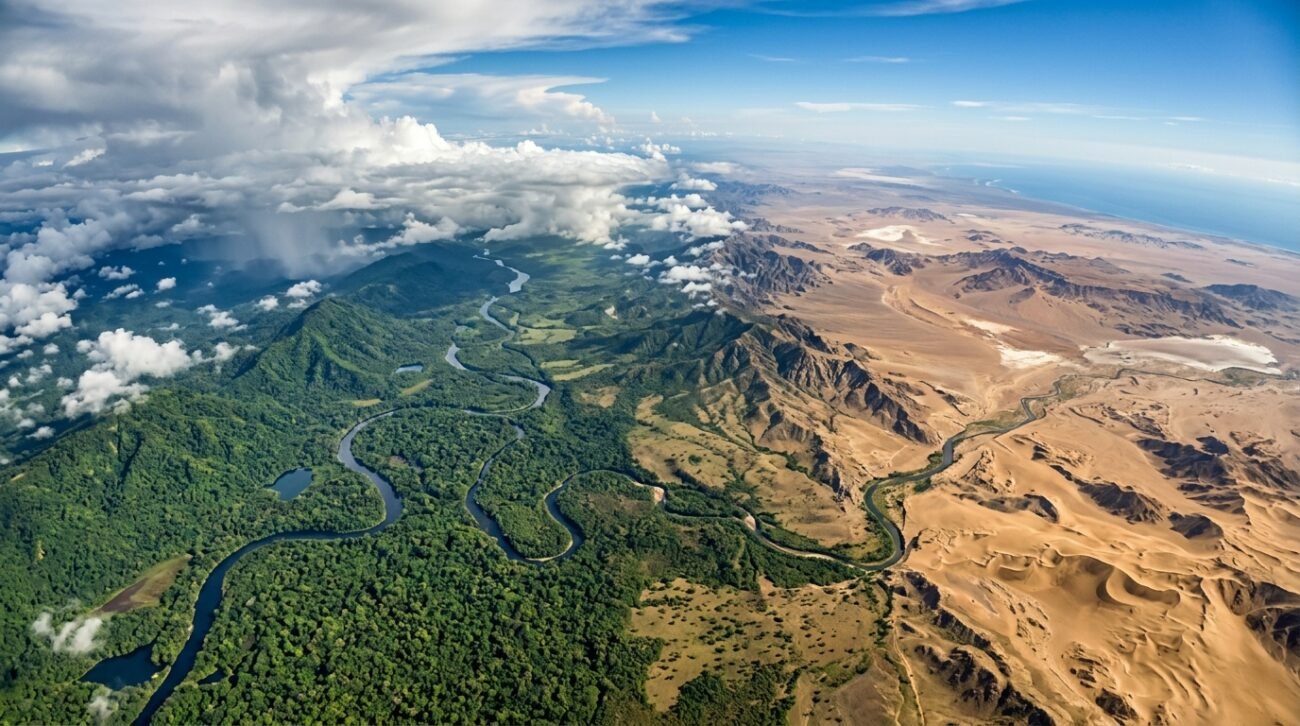
Climates across the earth can be vastly different, affecting everything from architecture and agriculture to lifestyle to landscapes. In some countries, rainfall is common all year round, resulting in lush forests and dense greenery, while in others, there is very little rainfall, and deserts and dry land prevail. These climatic conditions affect water supplies for tourism. The wettest and driest countries are of interest because they provide an insight into how geographies and climates influence daily life throughout the world.
Colombia
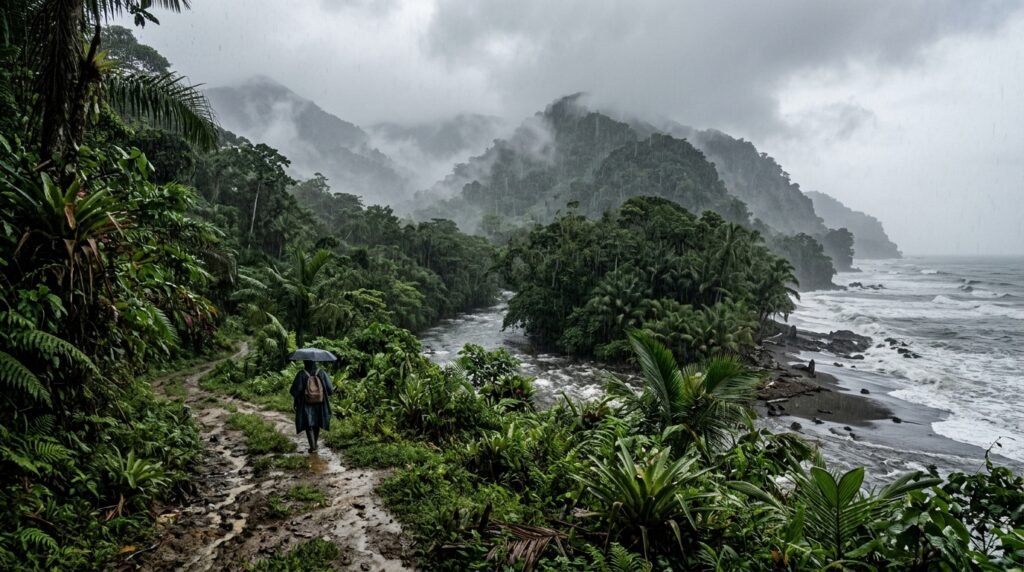
In some areas of Colombia, annual rainfall is very high, particularly along the Pacific Ocean. The consistently wet weather throughout much of the country is due to the dense rainforests, the tropical climate, and the mountainous terrain.
India
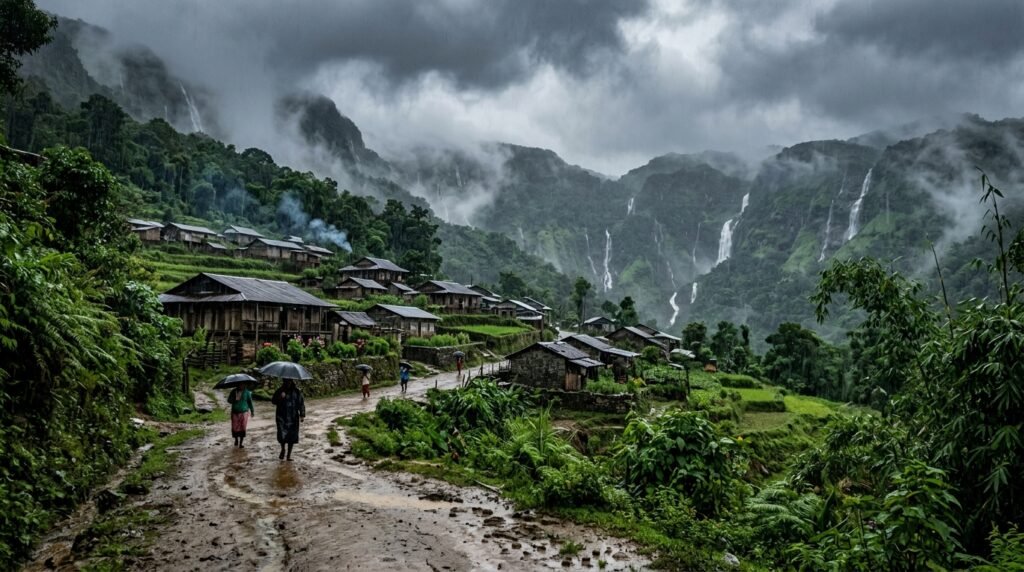
In India, there is a high level of monsoons, especially in the north-eastern parts of the country. The village of Mawsynram in Meghalaya is famous for the high amount of rainfall it receives in a year, in comparison with other parts of the world.
Indonesia
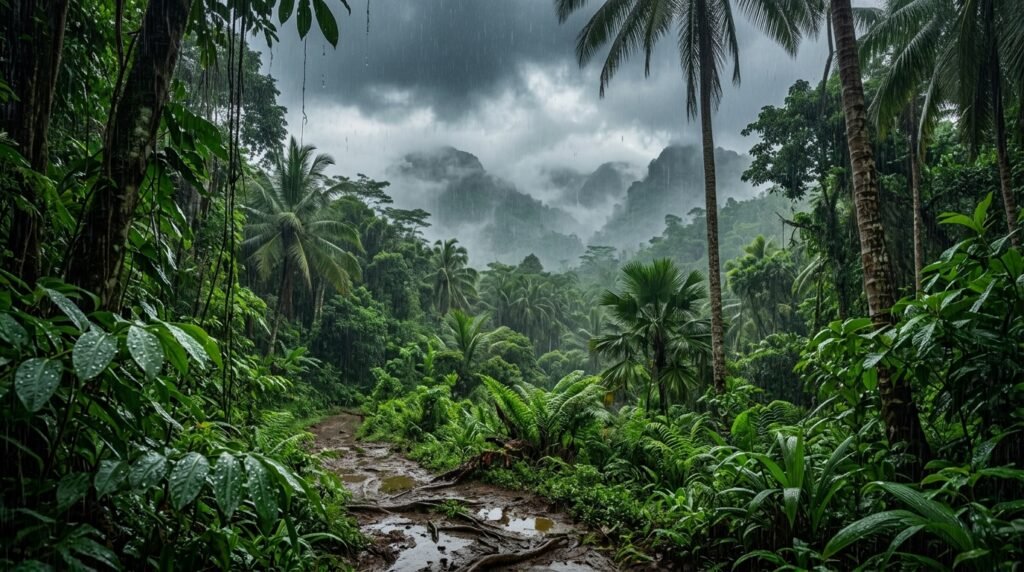
The tropical climate in Indonesia results in heavy rains on many of the islands throughout the year. High temperatures and humidity lead to the development of luxuriant jungles, abundant biodiversity, and frequent seasonal rainfall.
Papua New Guinea
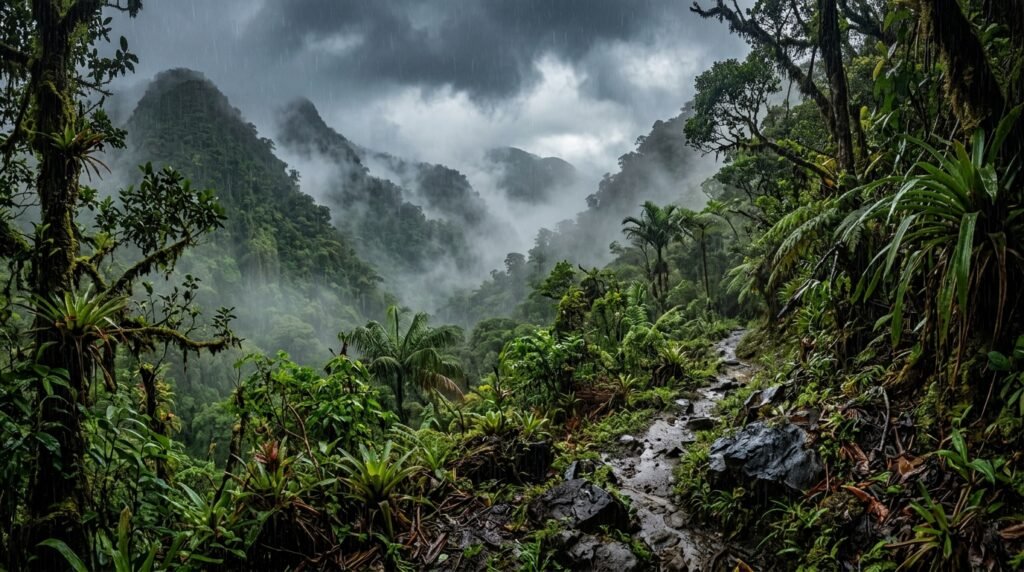
Papua New Guinea is in a tropical region and has a high humidity level with significant rainfall. The wetness of the environment in most parts of the country is maintained by mountainous topography and tropical weather systems.
Bangladesh
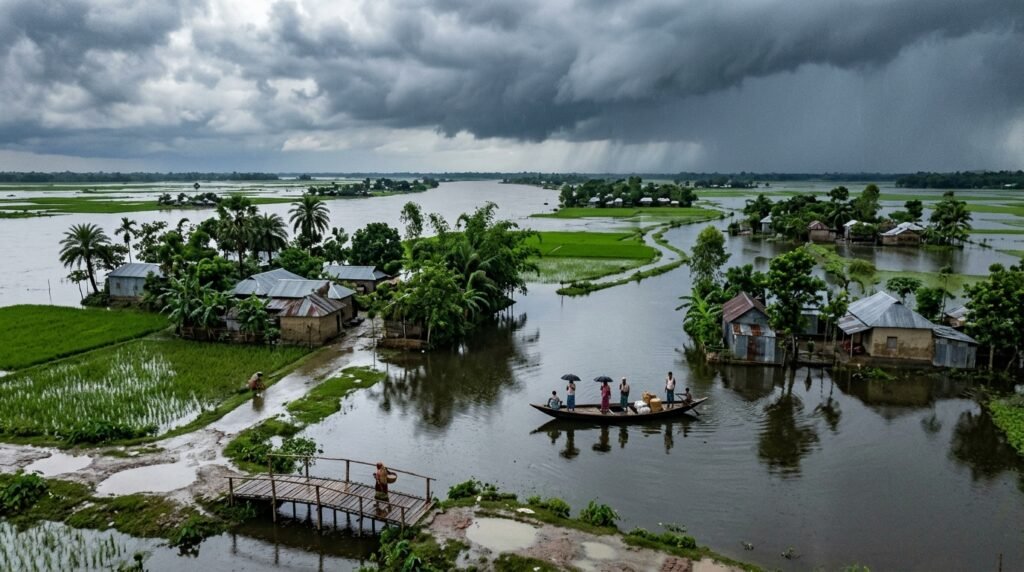
South Asian monsoon-related strong seasonal rainfall is received in Bangladesh. The climate of the country is rather wet, especially in the summer months, owing to the rivers, floodplains, and tropical weather systems.
Egypt
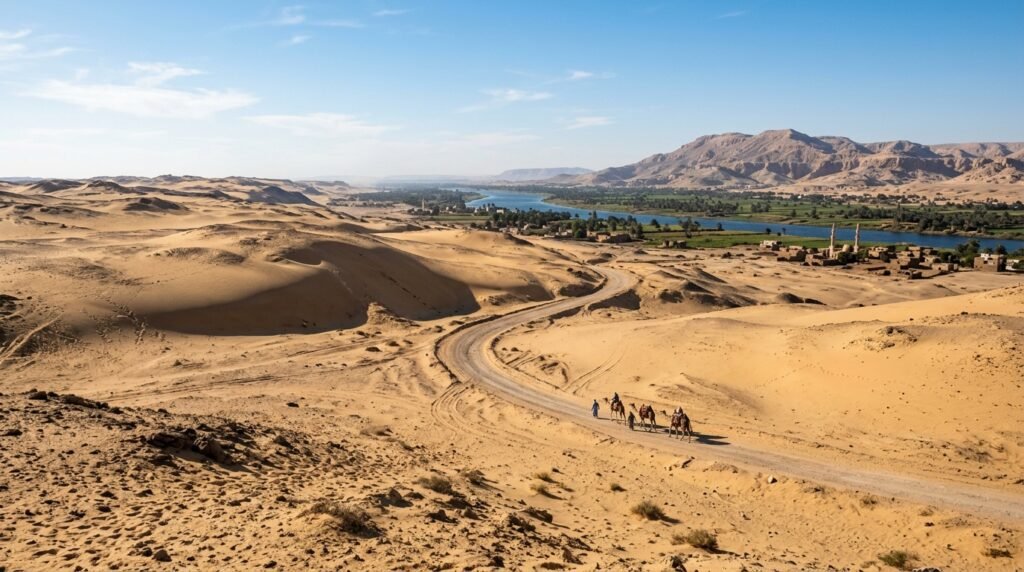
Egypt is famous for its large desert areas with little to no rainfall. The country receives little to no precipitation in large areas in a year, and the Nile River is a major water source throughout the country.
Libya
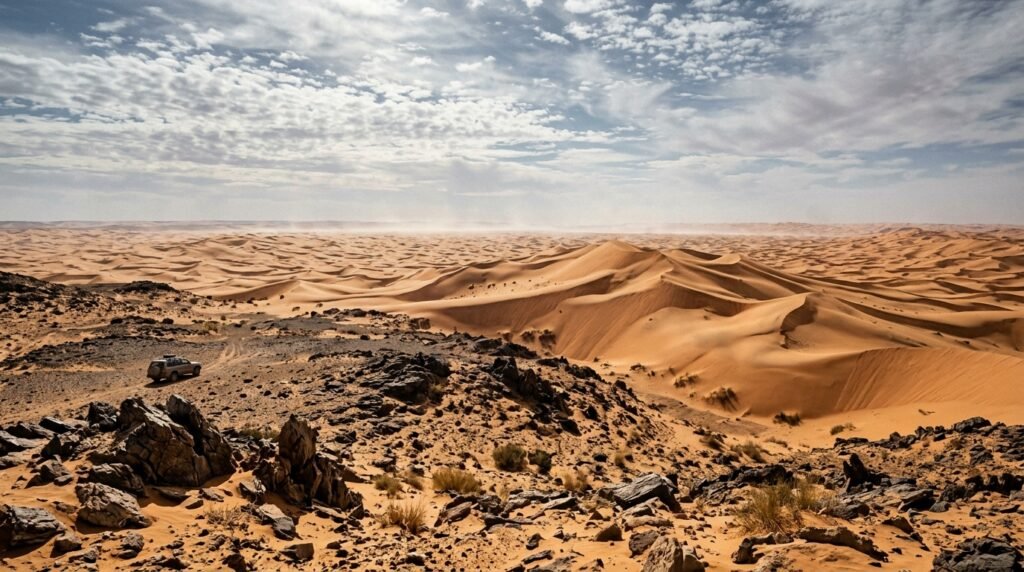
Libya is a very dry country, with most parts of the country in the Sahara Desert. Precipitation continues to be scarce in many areas, particularly inland from coastal areas.
Saudi Arabia
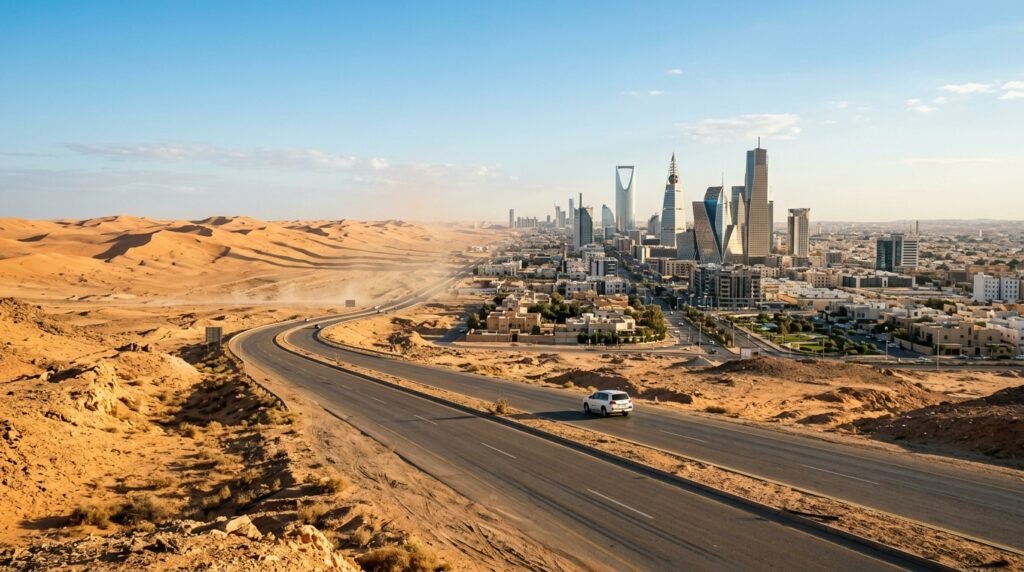
The climate of Saudi Arabia is mostly desert, and rain is sparse. Many cities and far-flung desert areas are influenced by hot temperatures and dry air.
Chile
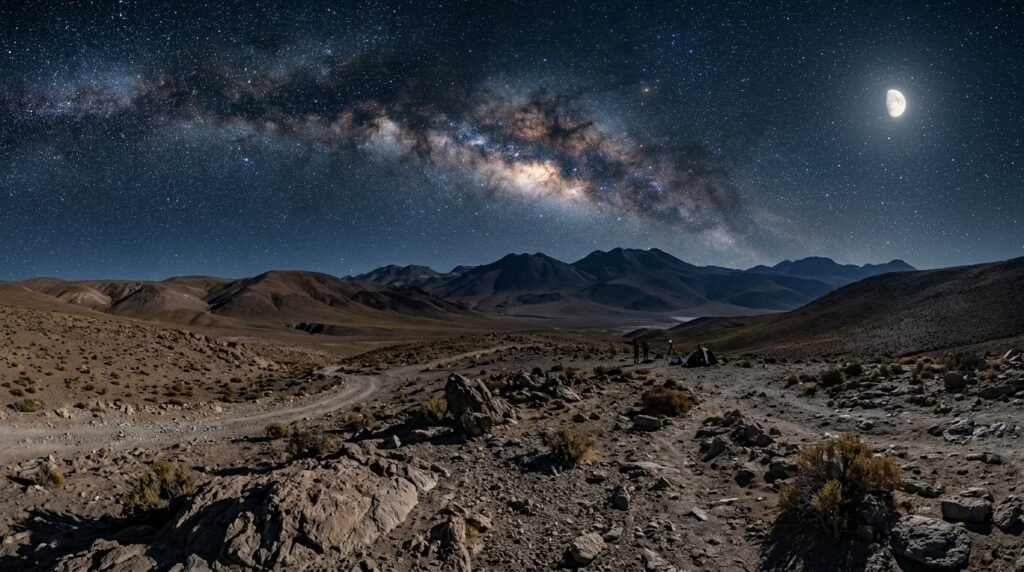
The Atacama Desert, one of the world’s driest, is found in Northern Chile. Some areas experience very little rainfall annually, leading to very distinct and unique desert landscapes and night skies.
United Arab Emirates
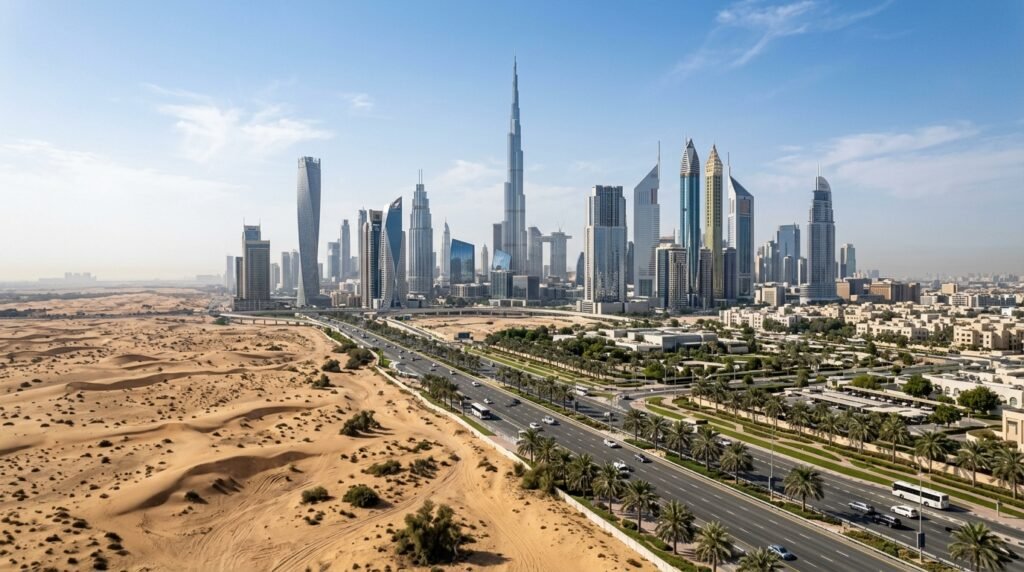
The weather in the UAE is hot and desert, and the annual rainfall is relatively low. The environment and urban planning are influenced by dry conditions, which occur frequently in much of the country, with rainfall events being rare.
