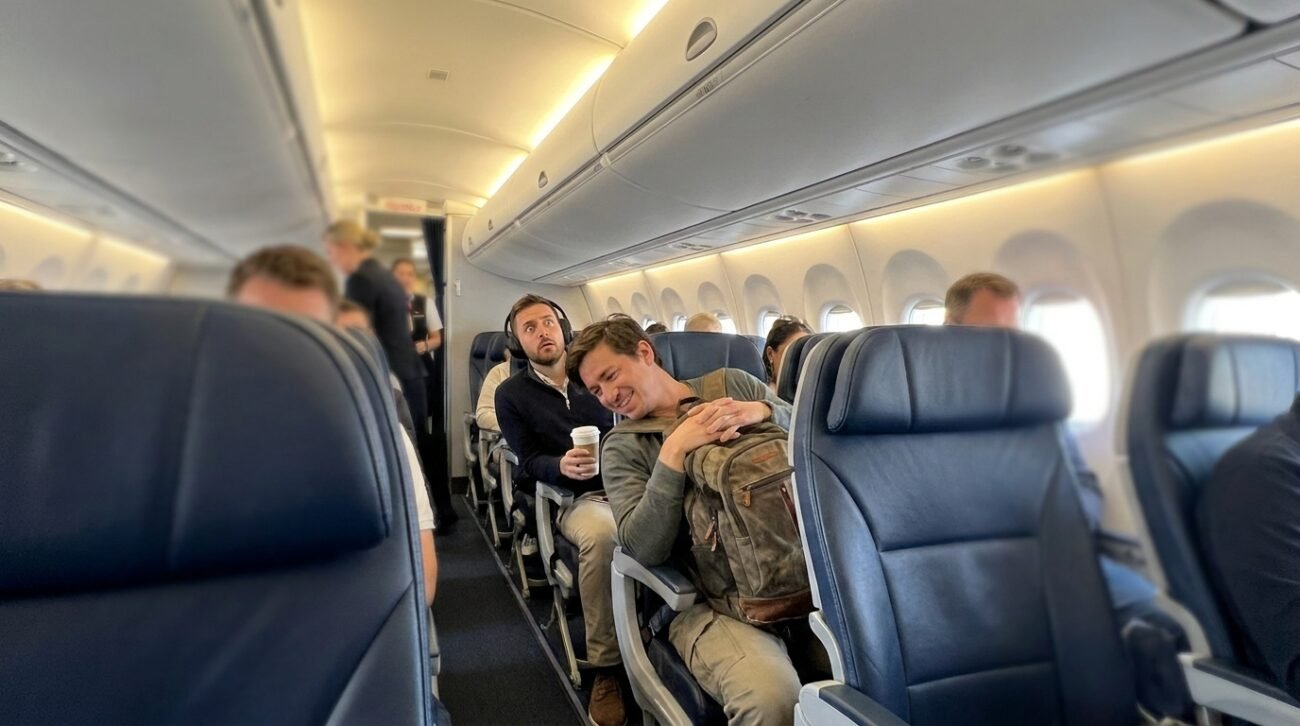
There’s nothing more quiet and tension-filled than reclining a seat on an airplane. Some passengers consider it to be normal when traveling by plane, others consider it as being inconsiderate particularly during short flights or during crowded flights. Those who fly a lot and accumulate hundreds of hours in the air have definite ideas about proper reclining etiquette. There are no set guidelines that everyone can agree on, but some general guidelines are followed by experienced travelers to prevent any unnecessary conflicts while traveling on an airplane.
Recline Slowly, Not Suddenly
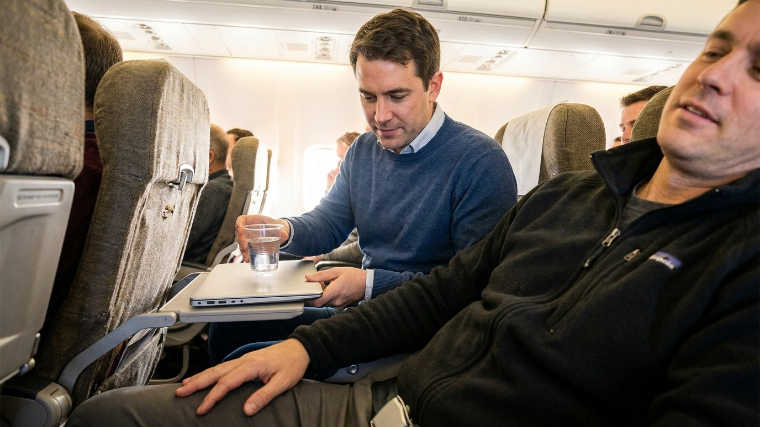
The biggest issue with reclining is pointed out by frequent flyers: when passengers slam their seats backward without warning. A slow, gradual recline allows the person behind to respond/correctly move the drinks, laptops or other items in safety.
Check Behind You First
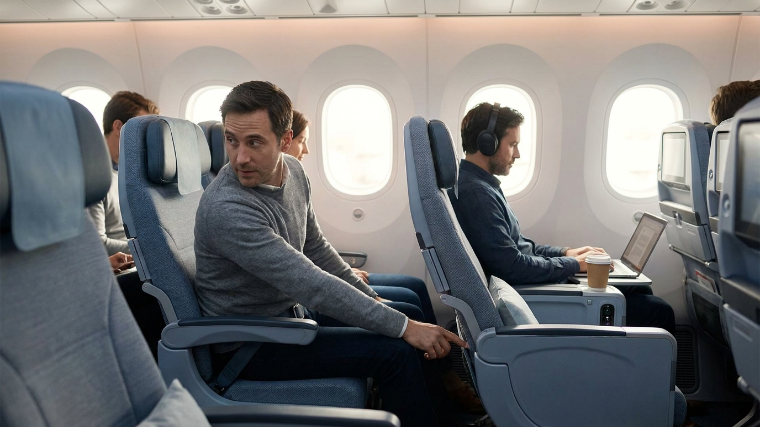
Many travellers who have been around say it is best to look behind you before you lie down. If the passenger is engaged in an activity that results in food or drink touching their face, such as eating, working on a laptop or holding a drink, waiting a few minutes may stop them from becoming frustrated or spilling.
Short Flights Usually Need Less Reclining
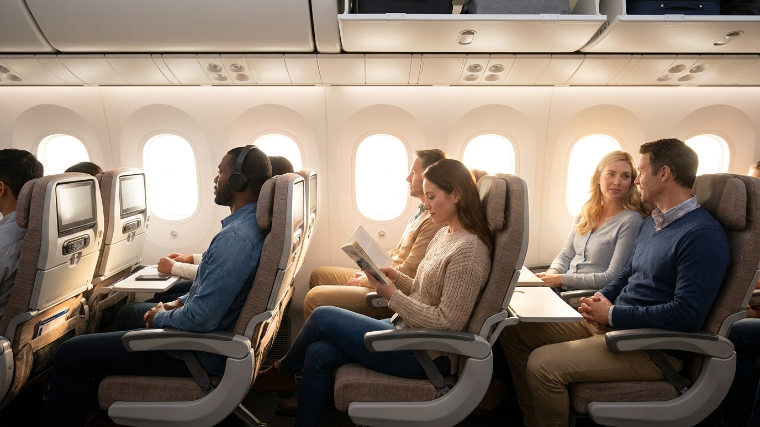
When flying for short distances, many frequent fliers don’t feel the need for full recline. Some people prefer to stay upright on short journeys (less than 1 hour or 2 hours) unless they have a real need for extra comfort.
Overnight Flights Are Different
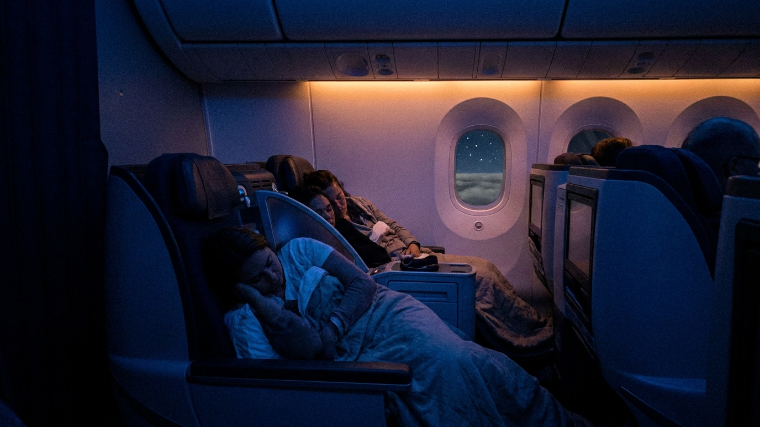
Long-haul and overnight flights can be perceived differently. For travelers, the seats may be expected to recline during overnight travel when people are seeking to get a full night’s sleep.
Meal Service Changes Expectations
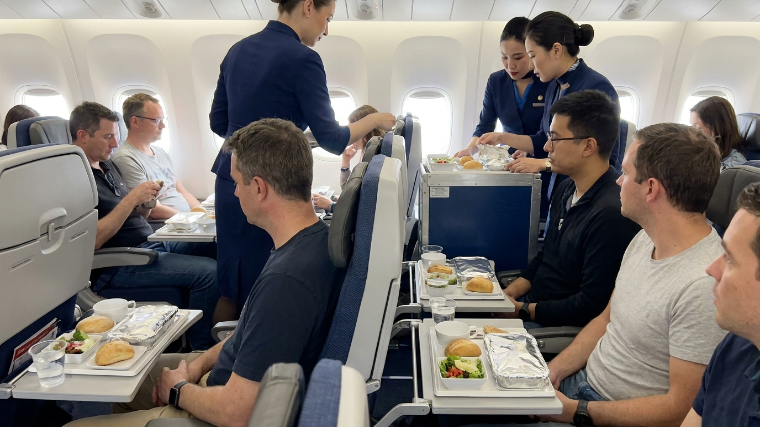
On many flights, frequent flyers don’t always take a full nap when the meal service is being provided because it can make it difficult to get the passenger behind them to fit. It’s considered more thoughtful to wait for trays to be picked up.
The Seat Is Designed To Recline
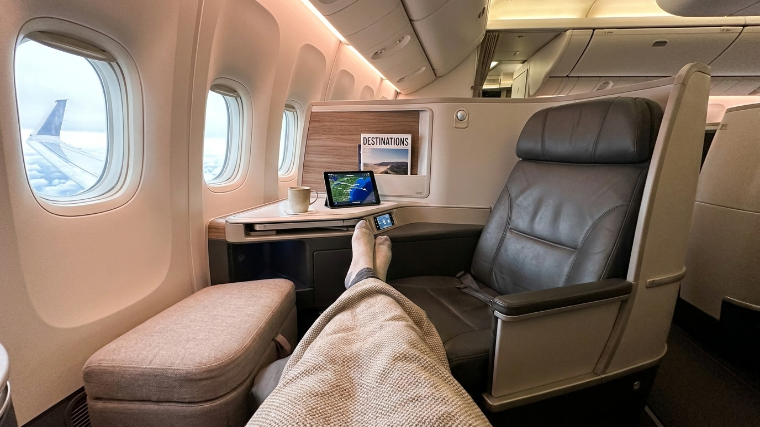
There are people who have been traveling for awhile who say that the seat reclines, and that the passengers have the right to use it. Disagreements typically occur more through timing and courtesy than because of reclining itself.
Courtesy Usually Matters More Than the Recline
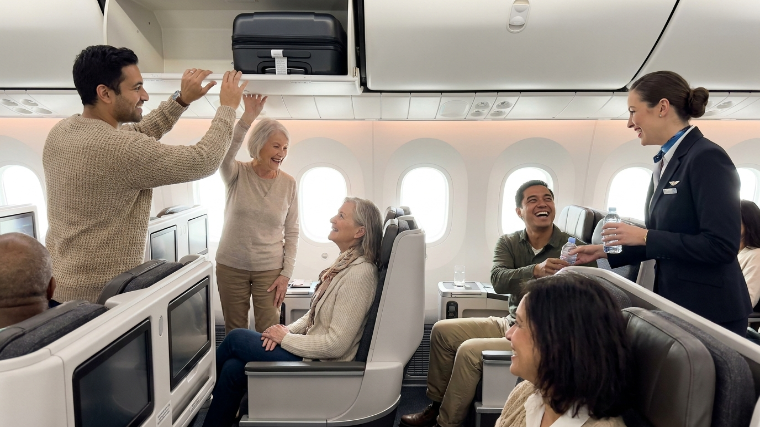
Many frequent fliers say that a majority of problems can be prevented by being aware and treating others with respect. Flights can be more comfortable for everyone by paying attention to the following details: Reclining with care, communicating with others when necessary, and respecting shared space.
