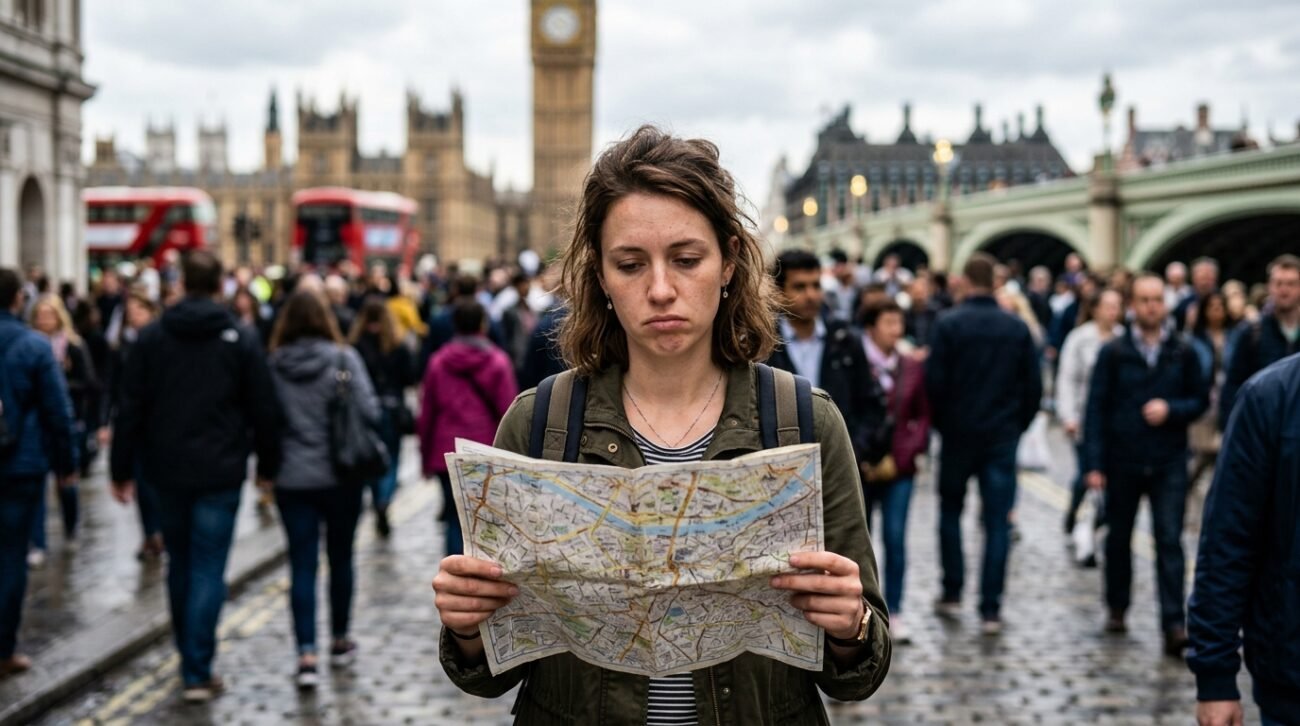
Some attractions become famous because of history and media exposure and their existing popularity yet this does not guarantee visitors will have a good time. The first impression people create through their expectations leads to what they actually experience which results in a disappointing experience. The places require visitors to understand their actual offerings before they visit because this knowledge prevents disappointment.
Hollywood Walk of Fame — California
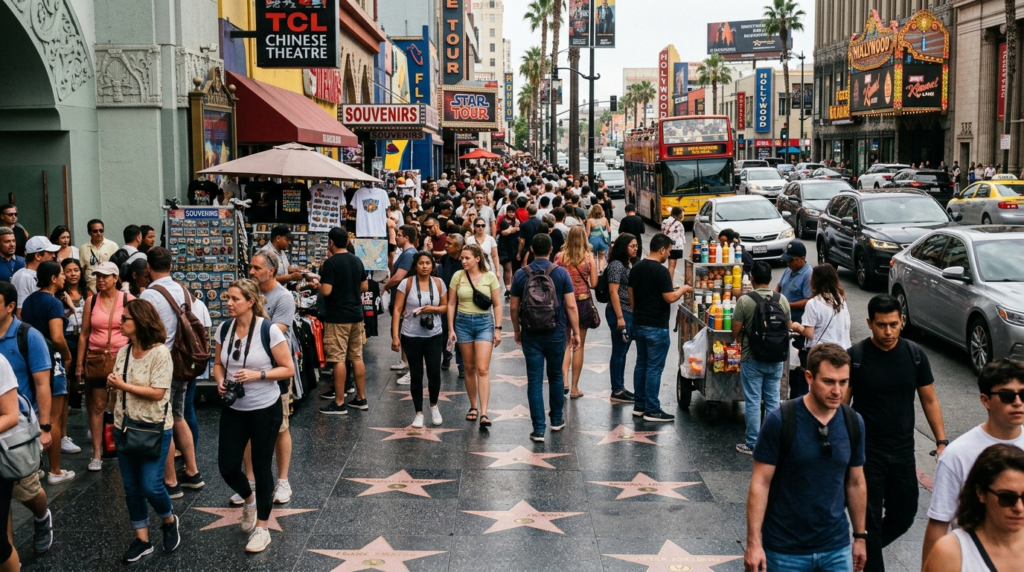
People tend to picture the Hollywood Walk of Fame as an elegant place filled with celebrities, but the actual site functions as a lengthy sidewalk that runs through an active shopping district. The area becomes filled with visitors who experience interruptions from both street vendors and passing vehicles.
Times Square — New York
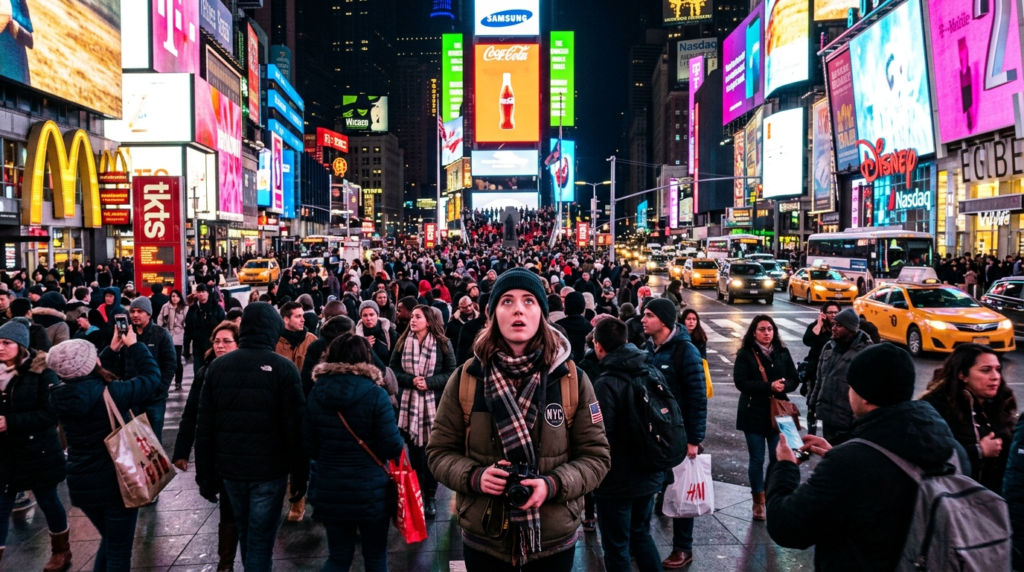
Times Square displays its peak visual appeal during night hours because of its enormous digital displays and unending movement. The area becomes unmanageable because of excessive visitor numbers and the presence of commercial content that dominates the surroundings.
The Alamo — Texas

The Alamo holds important historical value yet its actual site area remains smaller than expected. The visitors who come to The Alamo arrive with expectations of a large historical complex but they discover a small building which they can explore in a short time.
South Beach — Florida

South Beach attracts visitors who want to experience its lively nightlife yet they should know that the area becomes overcrowded and produces high noise levels while charging expensive prices. The party atmosphere of the beach area catches travelers who seek a peaceful beach experience.
Navy Pier — Illinois
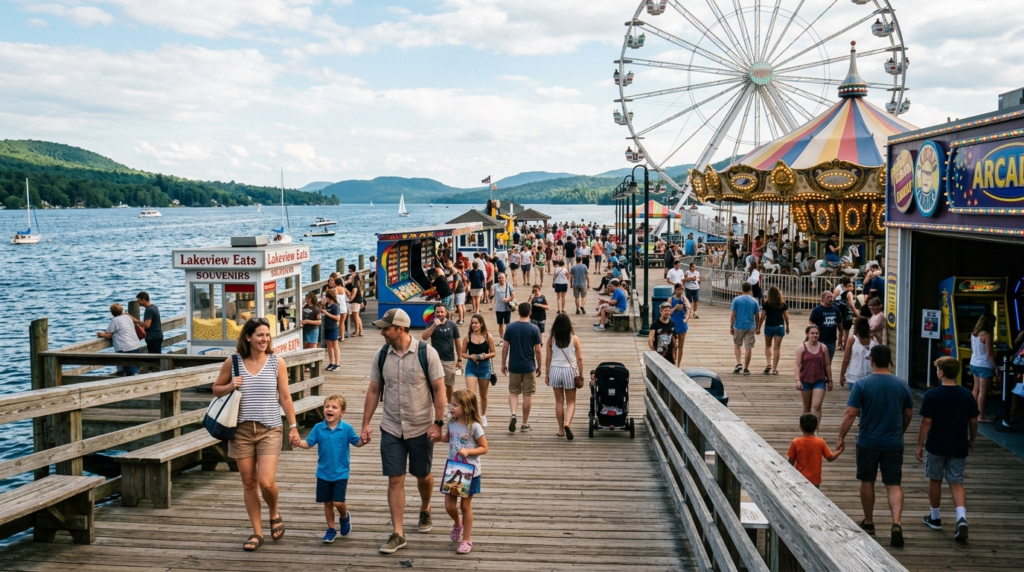
Navy Pier provides both entertainment and dining options and Lake Michigan viewing areas. The pier serves as a tourist destination which offers visitors less distinctive experiences than other Chicago locations.
Mount Rushmore — South Dakota
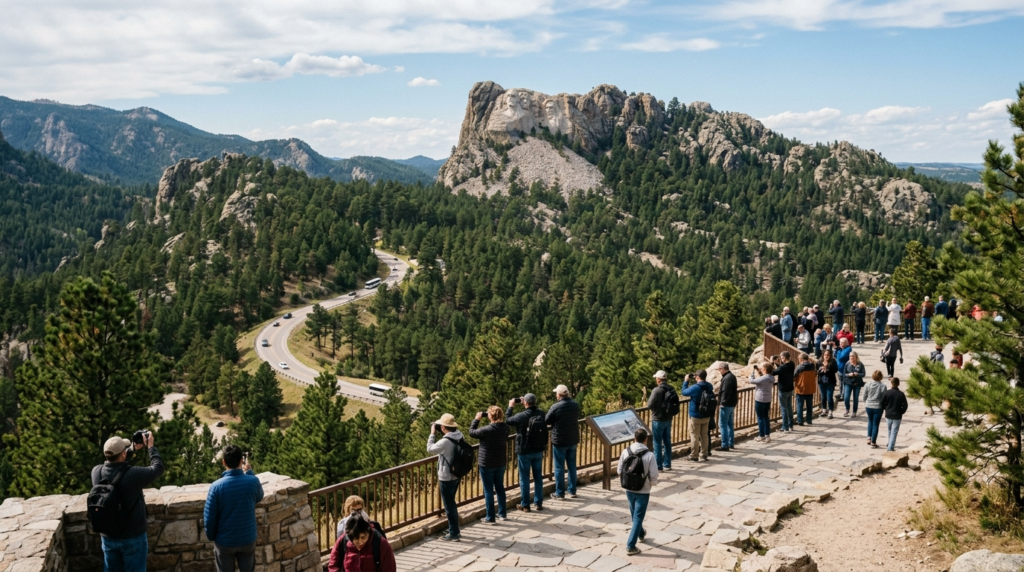
People who visit Mount Rushmore first become amazed by its beauty, but they later discover that the attraction ends too soon. The monument appears smaller than its actual size, which causes most visitors to spend under one hour at the site.
Las Vegas Strip — Nevada
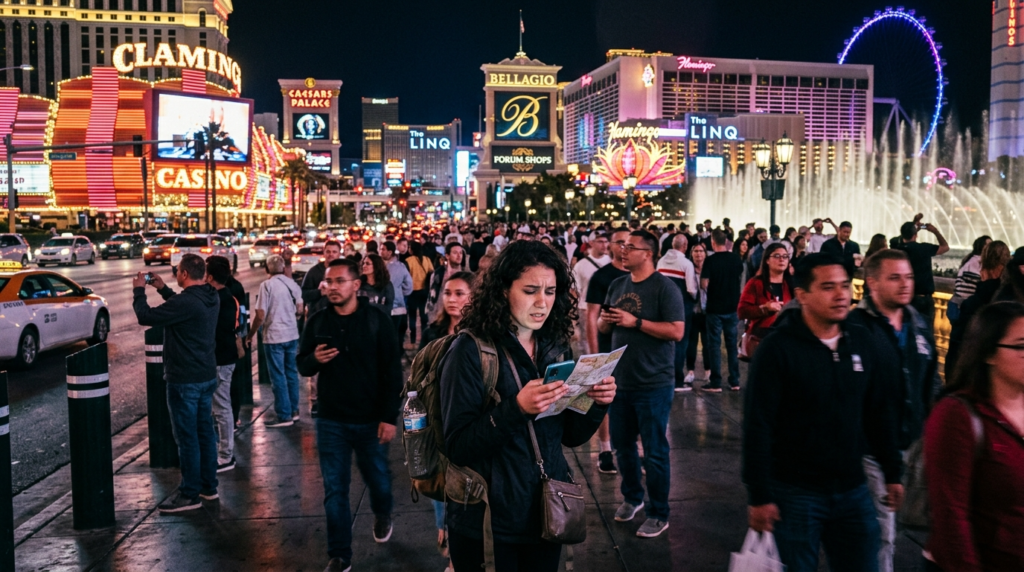
The Las Vegas Strip has a lively atmosphere which combines strong visual elements, yet it creates an experience that exceeds people’s capacity to handle. The combination of extended walking routes together with dense foot traffic and elevated costs, creates a challenging experience for visitors to manage.
Mall of America — Minnesota
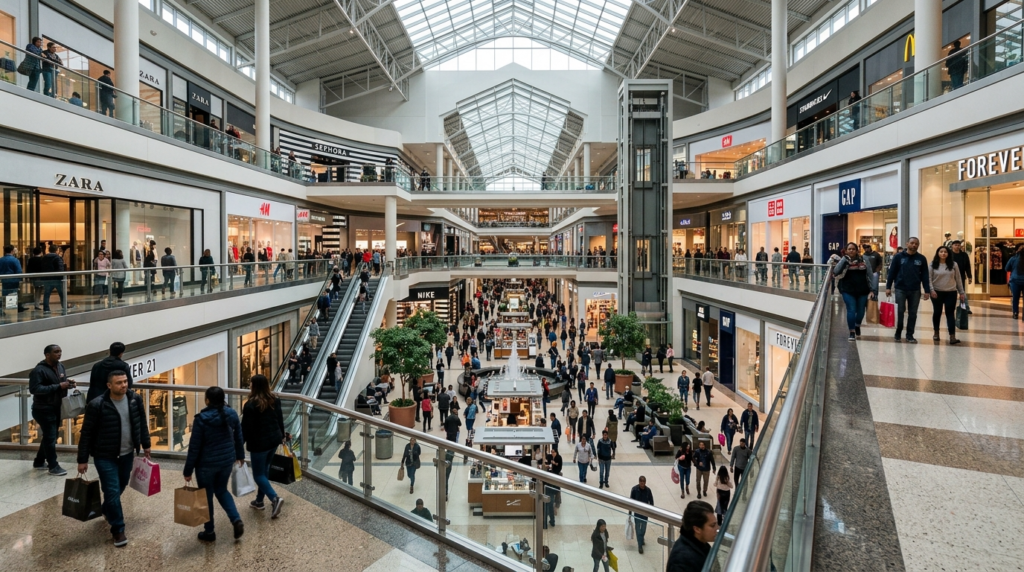
The Mall of America is massive and impressive in size, but at its core, it functions as a shopping mall. Visitors who look for unique experiences and culturally important attractions will find themselves disappointed after they explore the site.
Plymouth Rock — Massachusetts

Plymouth Rock holds major historical importance, yet its physical appearance often surprises visitors because the rock is smaller than people expect. The majority of visitors come to see the major landmark but discover only a small rock that sits behind a protective wall.
Waikiki Beach — Hawaii
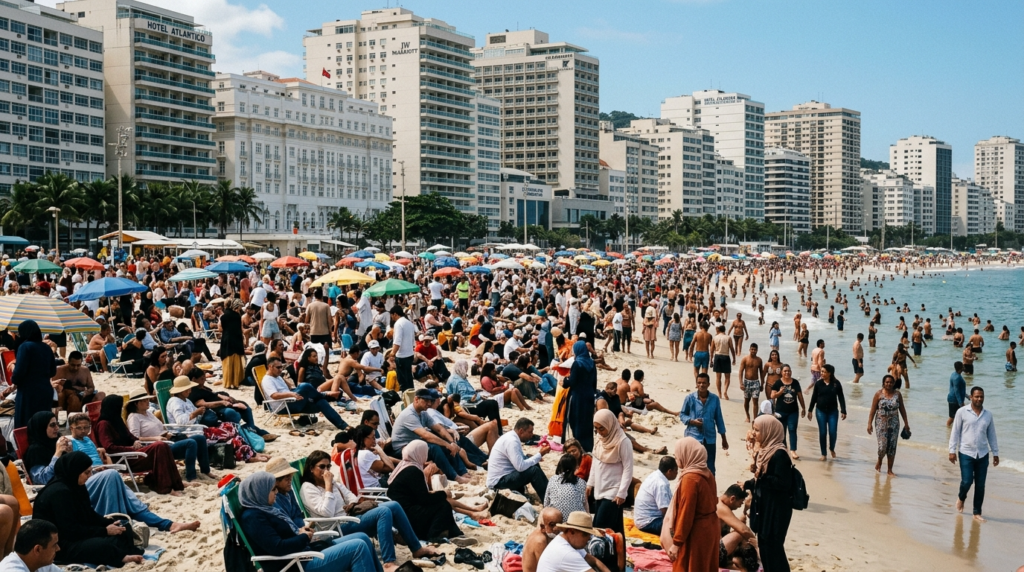
Waikiki Beach stands out as both an attractive beach and a convenient beach, but it attracts more visitors than any other beach in Hawaii. The area features extensive development because hotels and shops control the entire landscape.
