
The initial aim to create online safety protections for children has grown into a significant conflict between privacy rights and freedom of speech. The United States has implemented new age verification regulations, which will alter the way users gain access to online platforms and mobile applications.
What Is Age Verification

Age verification requires users to prove or estimate their age before accessing certain content. The process may use ID verification methods together with facial recognition technology and artificial intelligence systems.
Why Governments Support It

Supporters say these laws are essential for protecting children from adult content. Agencies like the Federal Trade Commission emphasize the need for stronger safeguards and responsible data practices.
A Growing Legal Push

The Kids Internet and Digital Safety Act requires platforms to verify user ages. The growing number of lawsuits against major tech companies has created a greater need for better user protections.
Big Tech Is Already Testing It

Platforms like Meta and Google are conducting tests of age verification systems together with features that are designed for teenagers. The systems provide safer user experiences, although they do not achieve complete success.
The Privacy Backlash

Critics argue that collecting personal data through methods such as ID and biometric scans creates significant security threats. The Electronic Frontier Foundation and other groups contend that this practice will lead to data breaches that enable unauthorized use of personal information.
Can These Systems Be Trusted
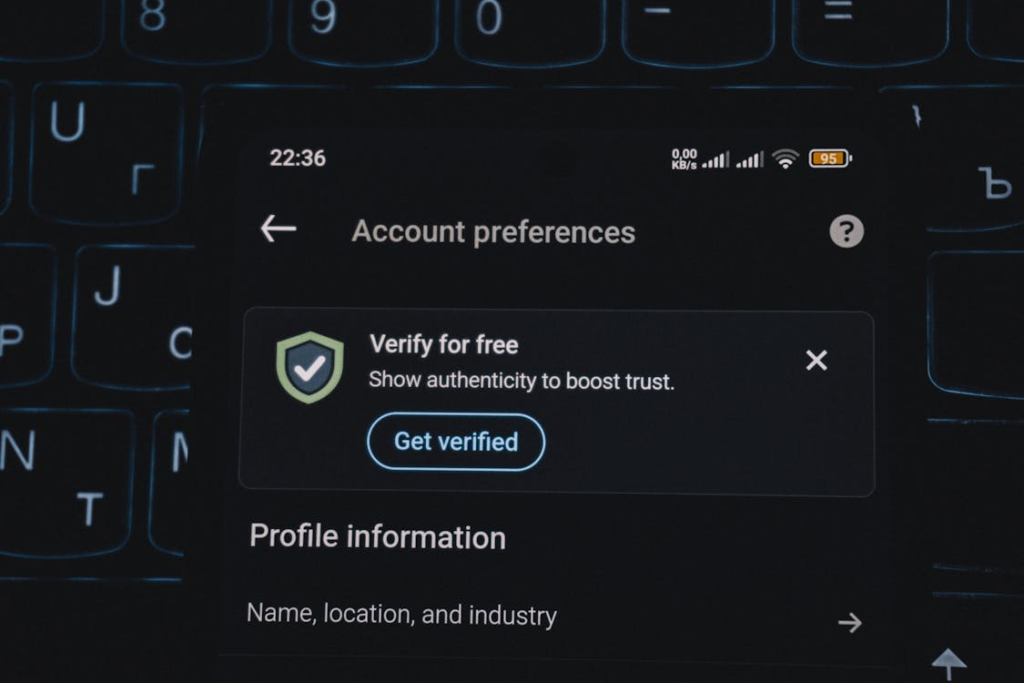
Recent events have created worries about security. The data breaches that revealed user identification information, together with the faulty age verification systems, have led people to doubt companies’ capacity to protect sensitive information.
The Problem With Accuracy

Even advanced systems can make mistakes. Platforms like Roblox have faced complaints about users bypassing age checks or receiving incorrect age classifications, raising doubts about effectiveness.
Could This Limit Free Speech

Experts state that anonymous online activities will decrease if websites implement mandatory identity verification requirements. It would restrict whistleblowers, activists, and people who need to talk about sensitive subjects from participating in online discussions.
The Future of the Internet Is Unclear

Age verification systems will enhance online security, yet limit internet access through greater surveillance. The challenge is finding a balance between protecting users and preserving privacy. The internet will undergo more significant changes because of expanding legal restrictions than most people anticipate.
