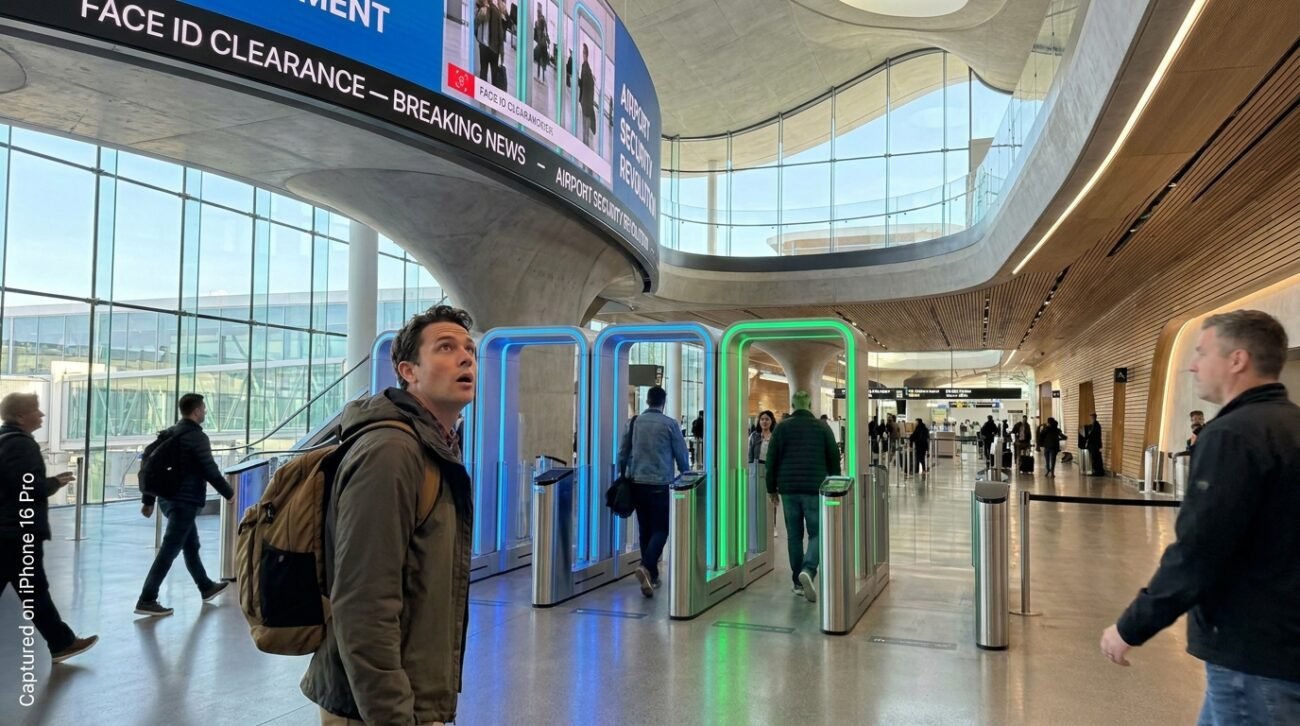
Airports across the globe are introducing sophisticated security technology designed to expedite screening whilst simultaneously improving safety. Travelers in 2026 notice a greater presence of facial recognition systems, automated checkpoints, and artificial intelligence-powered scanning equipment replacing older procedures that have been utilized for decades.
Facial Recognition Is Expanding
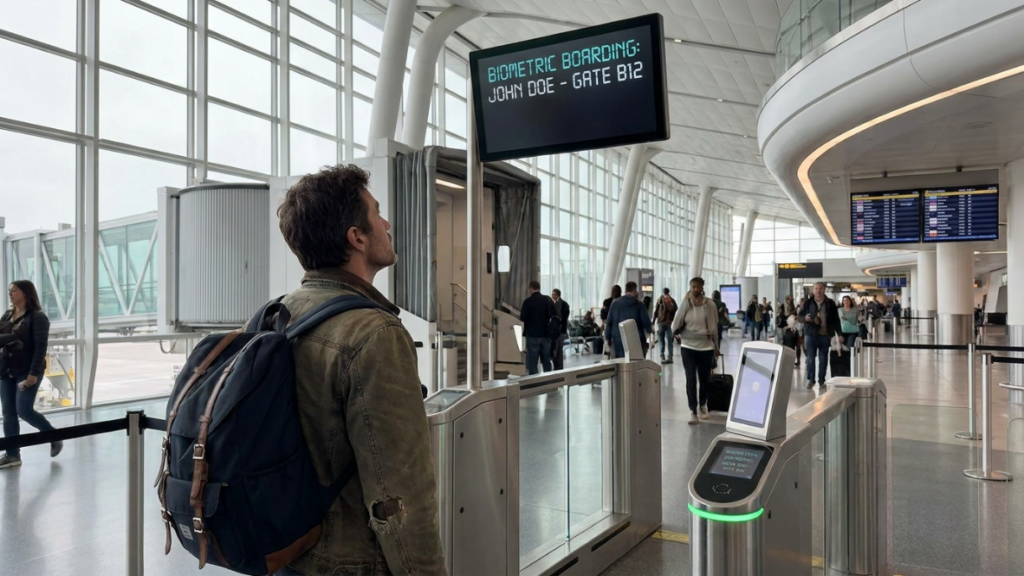
Many airports are now utilizing facial recognition to verify passenger identity during check-in, baggage drop, security screening, and boarding. Instead of repeatedly presenting passports or boarding passes, travelers may simply look into a camera as airports transition toward more contactless processing systems.
Certain Airports No Longer Require Laptop Removal
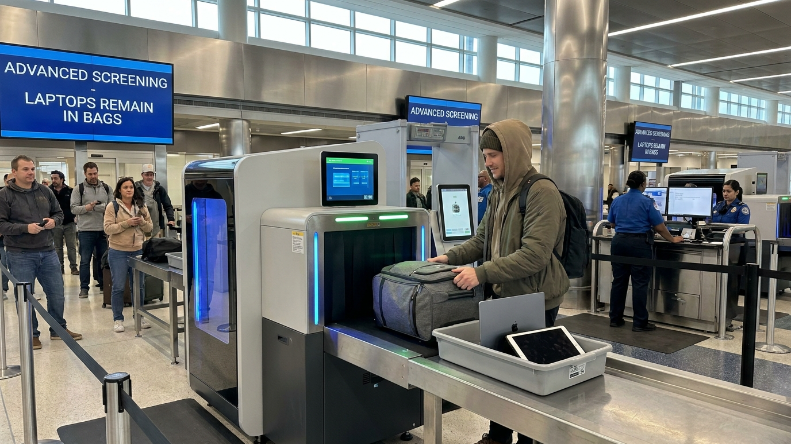
New computerized tomography scanners at several airports allow passengers to leave laptops, tablets, and some liquids inside carry-on bags during screening. This technology creates detailed three-dimensional images for security officers, helping to reduce delays and making checkpoints faster for many travelers.
The Liquid Rule Is Slowly Changing
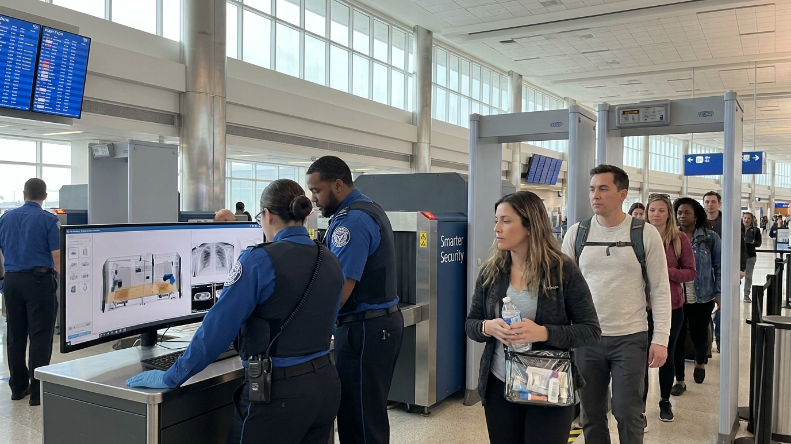
A few major airports are relaxing long-standing liquid restrictions thanks to upgraded scanners. Some passengers may now carry larger liquid containers through security, although regulations still vary widely between different airports, creating possible confusion for travelers on connecting international flights.
Power Banks Are Facing Greater Scrutiny
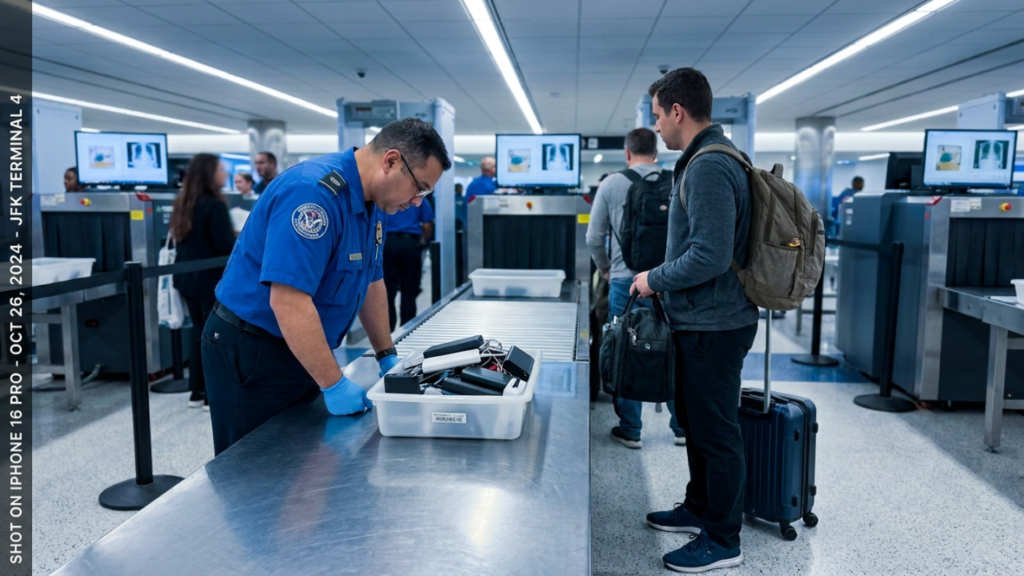
Airlines and airport authorities are paying closer attention to lithium batteries and portable chargers following growing safety concerns. Many carriers now require power banks to remain within carry-on luggage, while damaged or oversized batteries may be banned entirely from certain flights.
Carry-on bags are being checked more strictly
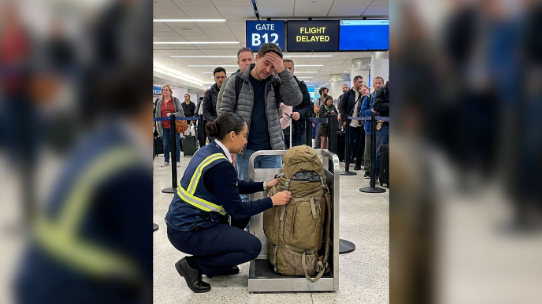
More airlines are aggressively enforcing cabin baggage size and weight limits at airports. Travelers with oversized bags may encounter unexpected fees or forced gate checking, especially on budget airlines trying to reduce overcrowding inside aircraft cabins and overhead storage compartments.
Travelers May Spend Less Time With Officers
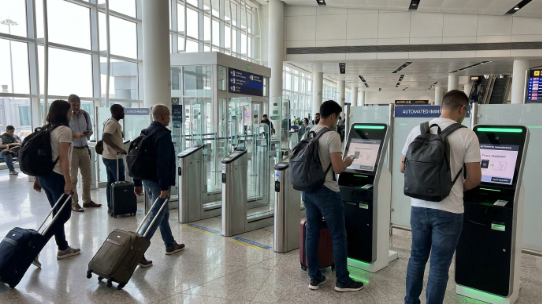
Automated gates and biometric kiosks are slowly cutting down the need for really long exchanges with security or immigration officers. In some airports, passengers can now finish big chunks of the screening process online or digitally, which helps the airports keep up with the rising passenger numbers more efficiently.
Airport Security Will Keep Evolving
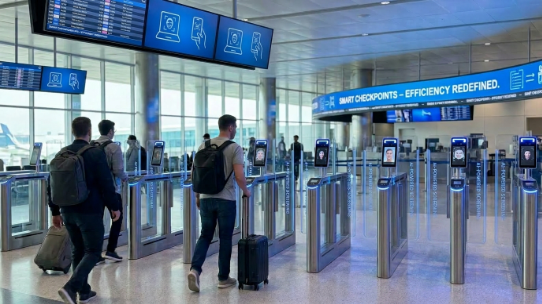
Experts tend to think airport security is going to get more digital and automated in the next few years, as it is not just a trend but almost a direction. Some travelers seem to enjoy the quicker screening and the lighter waiting lines, but others are still wary about privacy, the amount of personal data collected, and the rising reliance on facial recognition tools during travel between countries.
