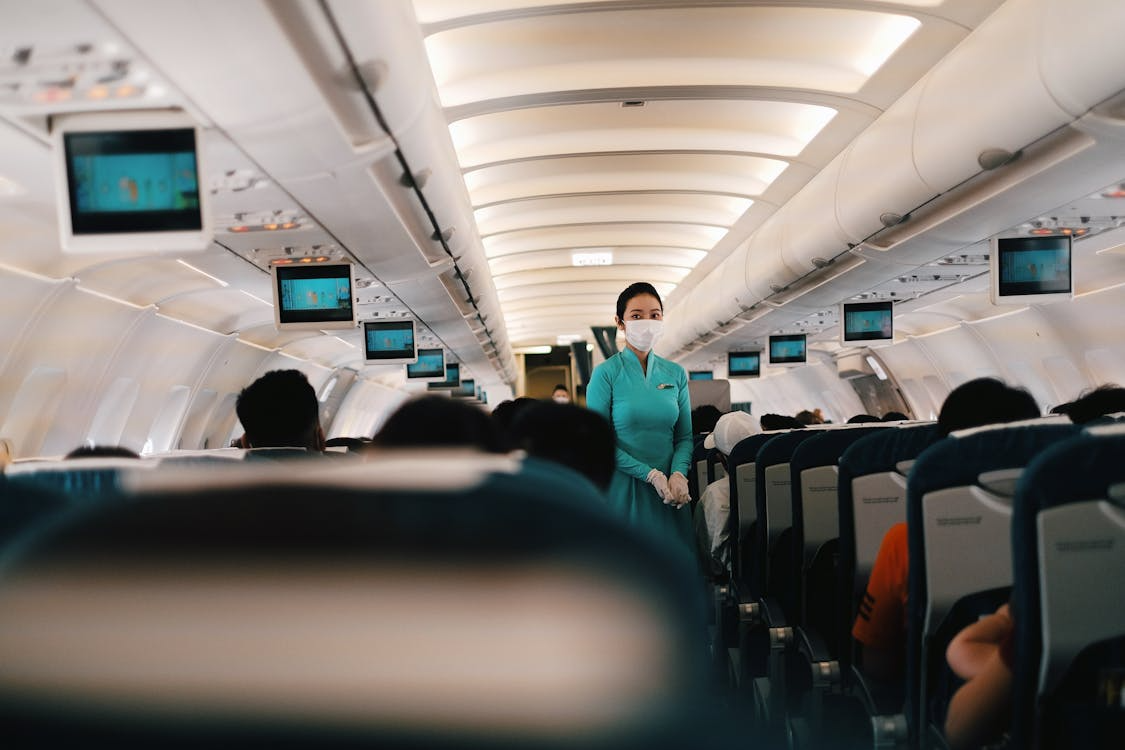
Airplane food and drinks may seem harmless, but flight attendants know better because they work with passengers. Flight attendants report that specific products should not be consumed because they create hygiene problems and quality defects. Certain products become unsafe because they lose quality when consumed at higher altitudes. The flight attendants present these items that they recommend passengers should avoid.
Hot Beverages
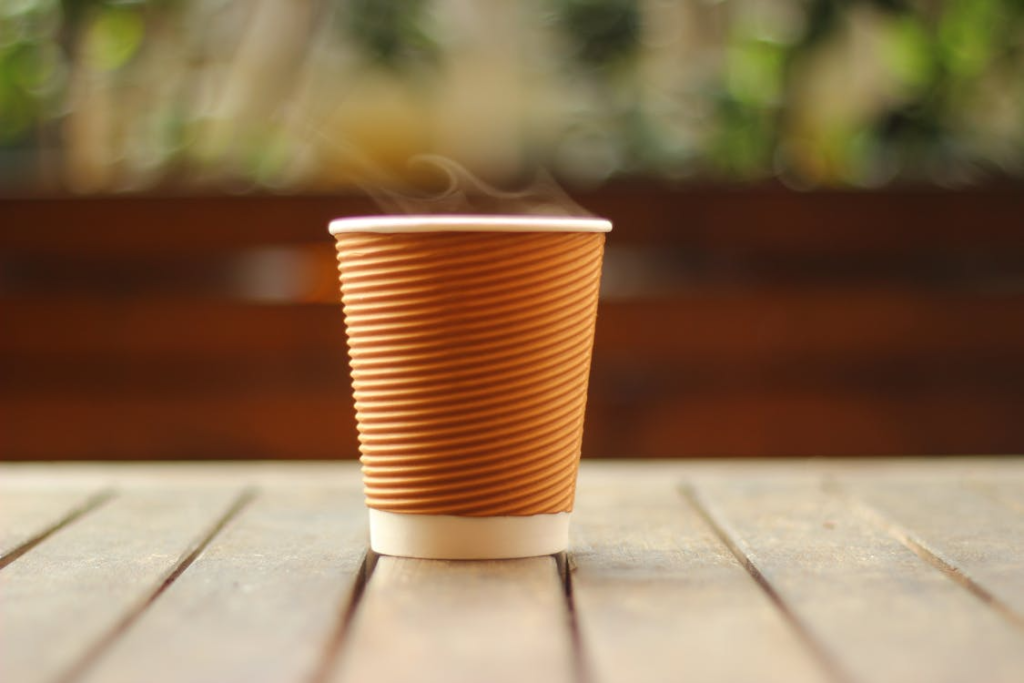
Crew members typically avoid hot beverages because the drinks are prepared from water that comes from onboard tanks, which need more frequent cleaning than passengers believe. The quality of both flavor and cleanliness will be affected.
Tap Water
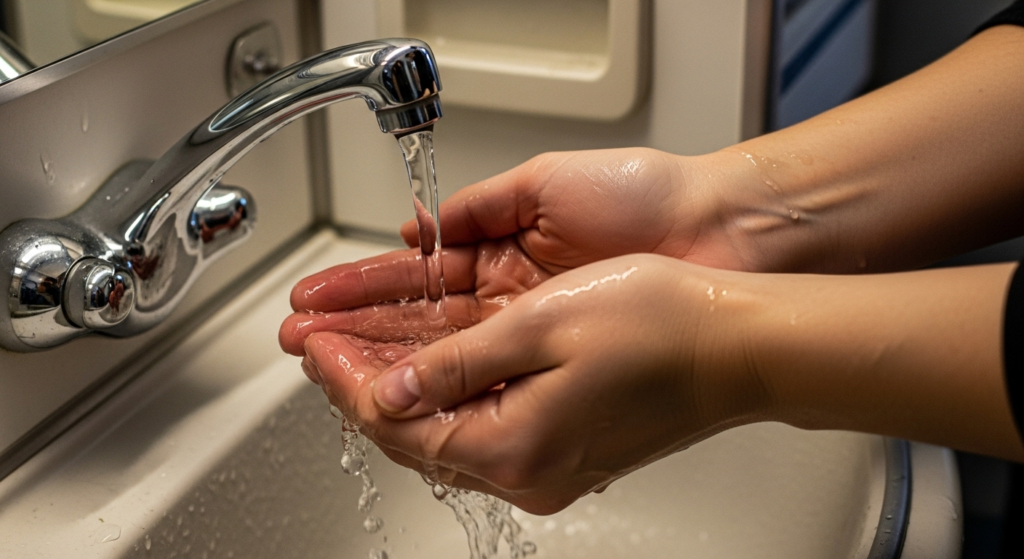
Flight attendants recommend that passengers avoid tap water because the aircraft water system components do not meet ground level standards. The safest drinking water option is bottled water.
Ice in Drinks
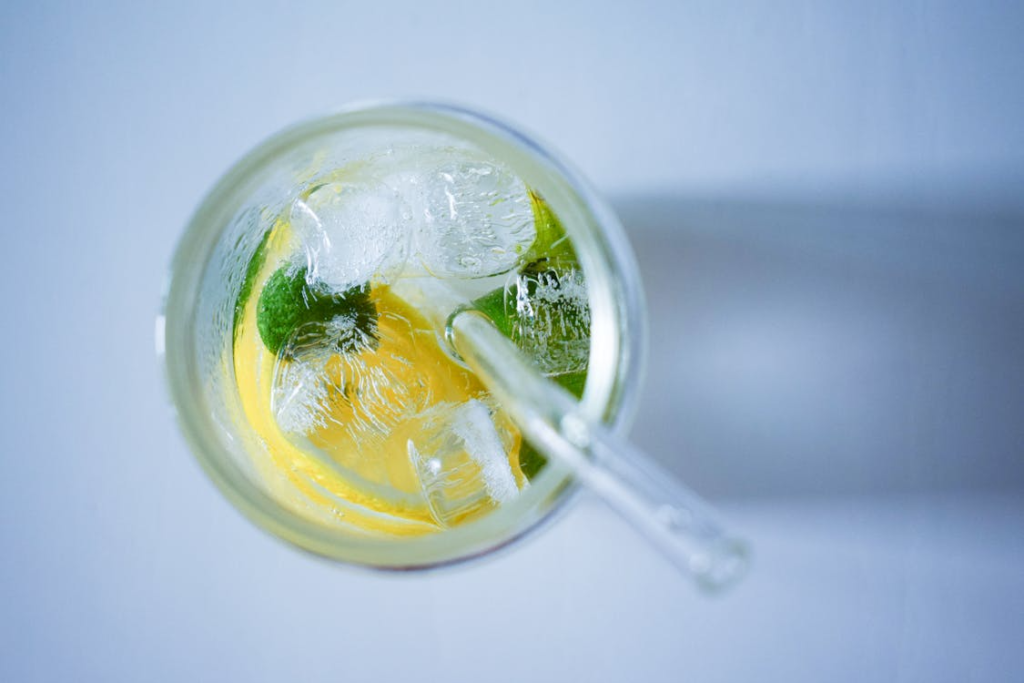
Another important item is ice that is often made from the same onboard water system. People who already avoid drinking tap water should follow the same recommendation to avoid consuming ice.
Undercooked Meals
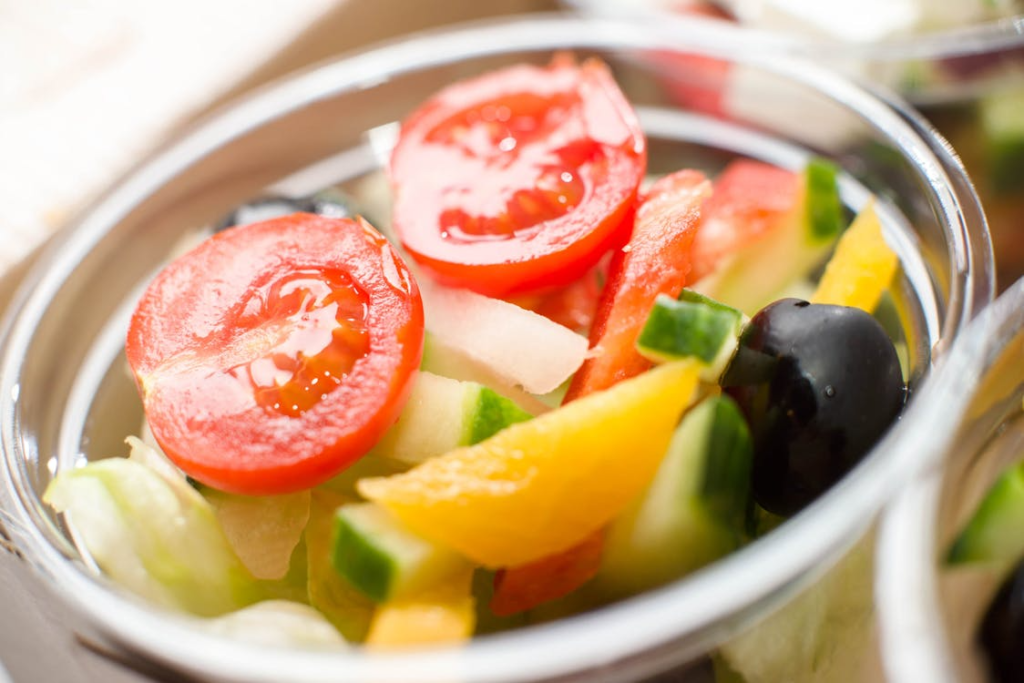
Foods like salads or meals that may be undercooked can carry a higher risk of contamination, especially since onboard cooking and storage conditions are limited. So, it is advised to avoid undercooked meals when traveling through airplanes.
Greasy Foods

At high altitude, digestion becomes slower, and heavy meals make your body feel discomfort and cause you to experience bloating. The body processes lighter food choices with greater efficiency than it handles heavier food options.
Carbonated Drinks
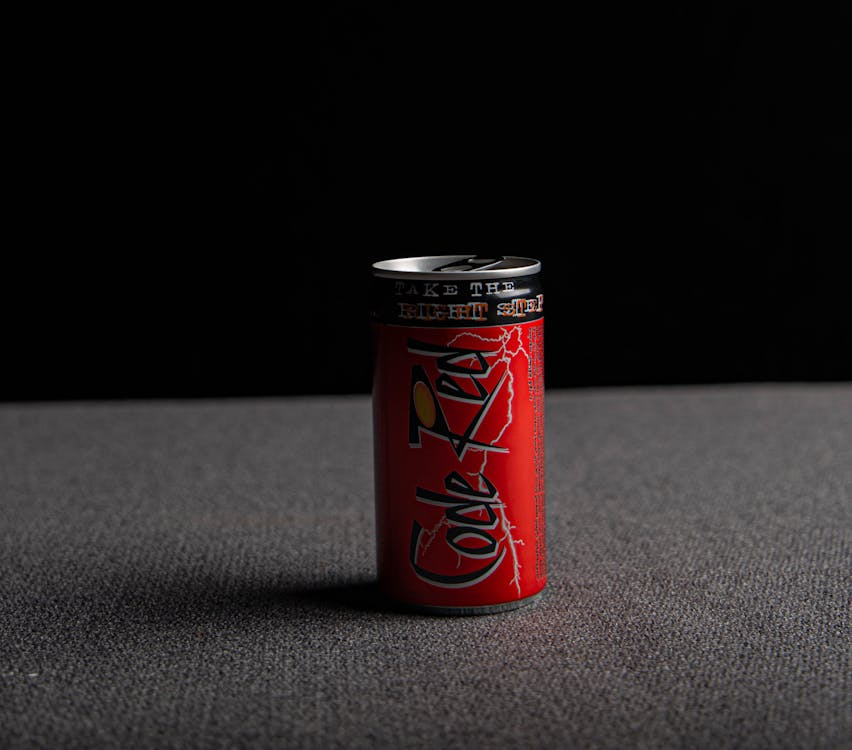
Cabin pressure can cause gas expansion, which means fizzy drinks may increase bloating or discomfort during the flight. In other words, as the airplane climbs to higher altitudes, which causes the intestinal gas in passengers to grow, similar to how sealed snack bags expand during air travel.
Booze

The body experiences stronger effects from liquid consumption at high altitudes because of decreased oxygen availability. People who consume such things may face faster dehydration and increased exhaustion compared to their experience at sea level.
Pre-Packaged Sandwiches
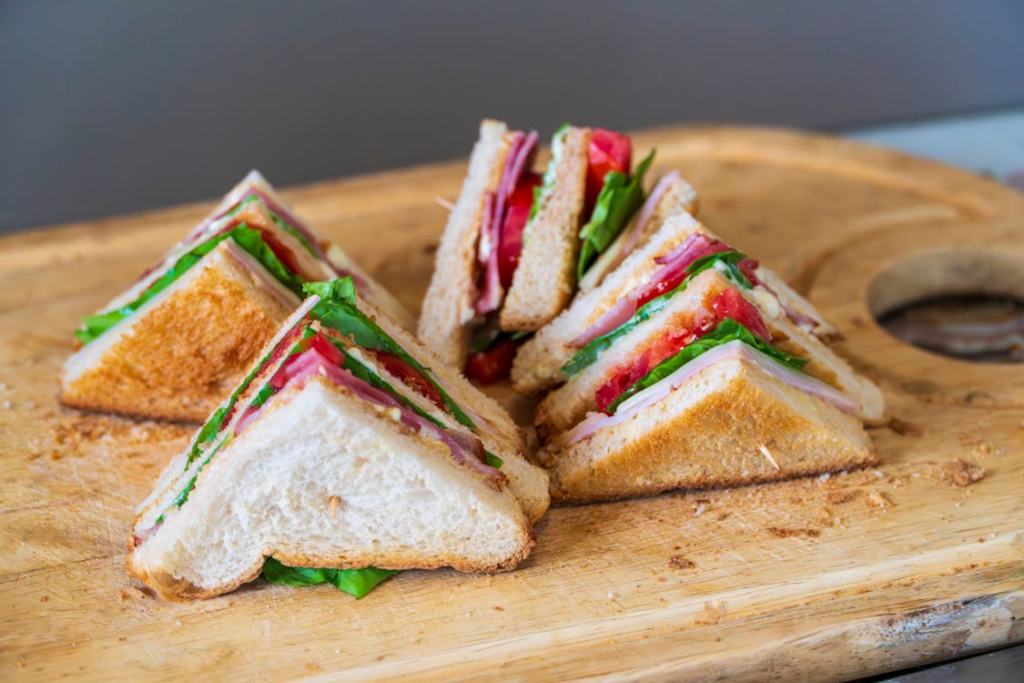
Pre-made sandwiches that have been stored for extended periods may indeed remain safe if maintained under proper refrigeration, but their quality deteriorates because bread becomes soggy and vegetables turn wilted.
Anything With a Strong Smell
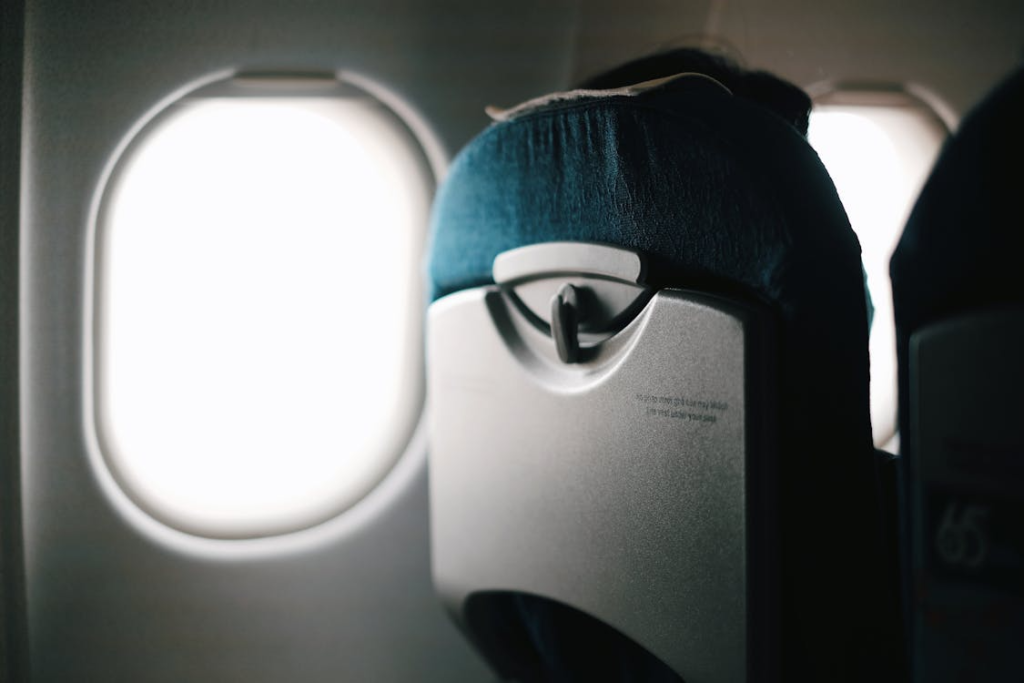
Bringing strong-smelling food on a plane is widely considered a major etiquette faux pas because the recirculated cabin air in an enclosed space allows odors to spread quickly.
