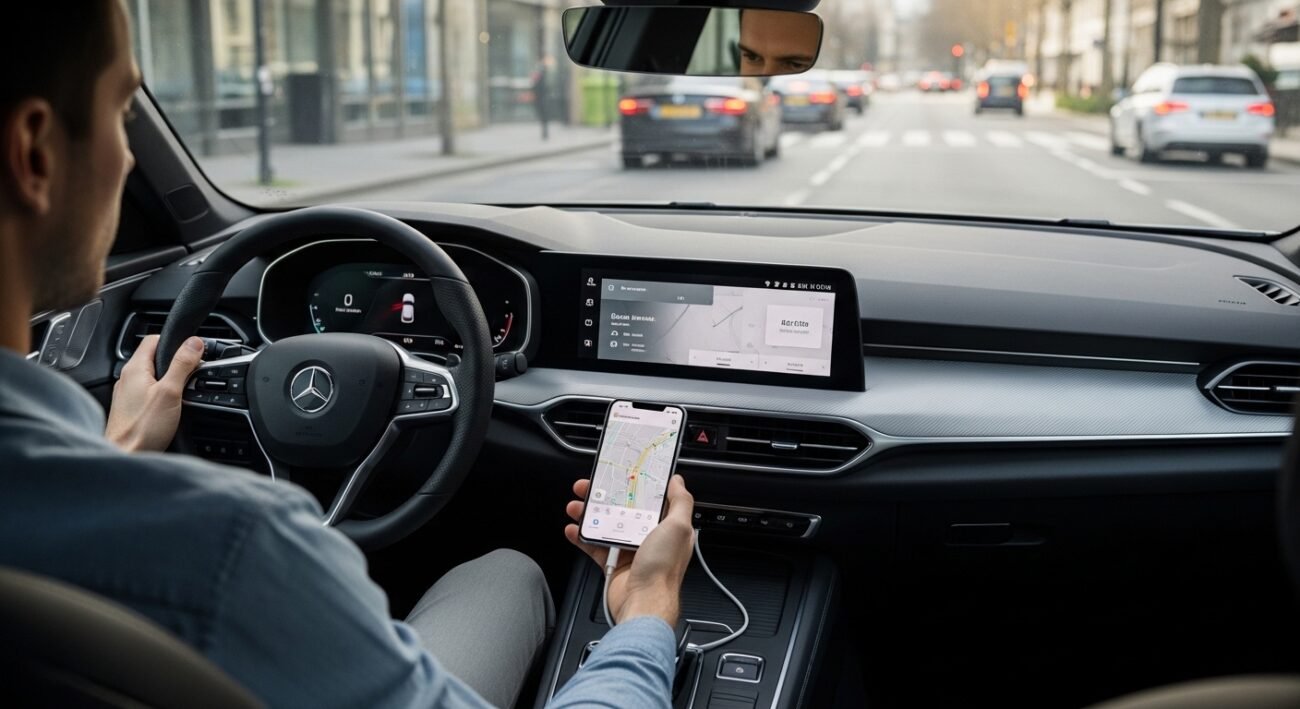
Charging your phone in the car feels convenient, especially during daily commutes or long drives. Most vehicles today come with built-in USB ports, making it easy to plug in and power up on the go. However, what seems like a simple solution can quietly affect your phone’s battery health, charging efficiency, and even long-term performance. Many people are unaware that these ports are not always designed for consistent or safe charging. Before you rely on your car’s USB slot again, it’s worth understanding the hidden drawbacks and why alternative charging methods might be a smarter and safer choice.
Slow Charging Speed

Car USB ports often deliver lower power output compared to wall chargers, leading to noticeably slower charging. This can be frustrating during short drives when you expect a quick battery boost but get minimal results instead.
Inconsistent Power Supply
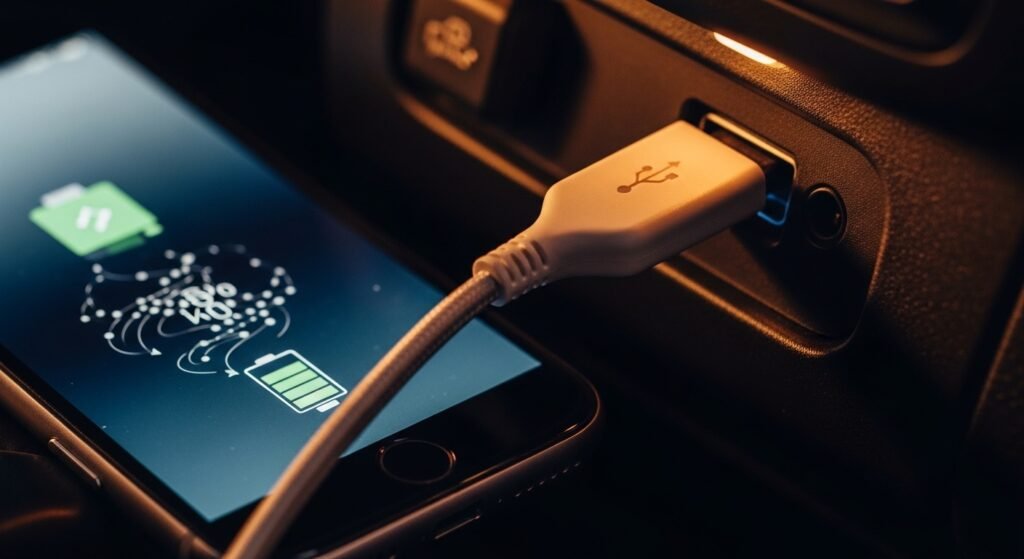
Unlike standard chargers, car USB ports may not provide a stable current. Fluctuations in voltage can reduce charging efficiency and gradually affect your phone’s battery health over time without showing immediate visible damage.
Battery Wear Over Time
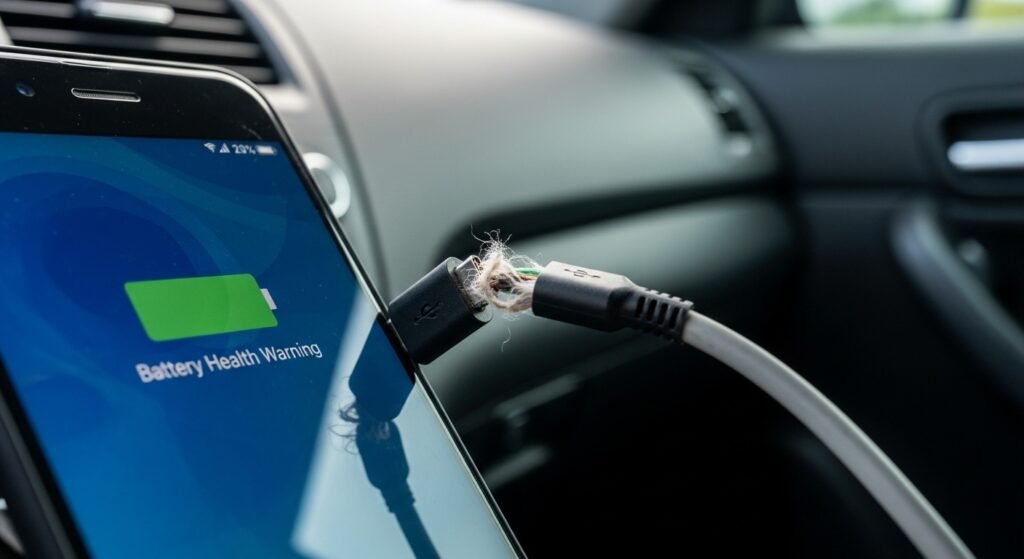
Repeated exposure to uneven charging conditions can strain your battery. Over time, this may reduce its capacity, meaning your phone won’t hold a charge as long as it used to after regular car charging use.
Limited Compatibility
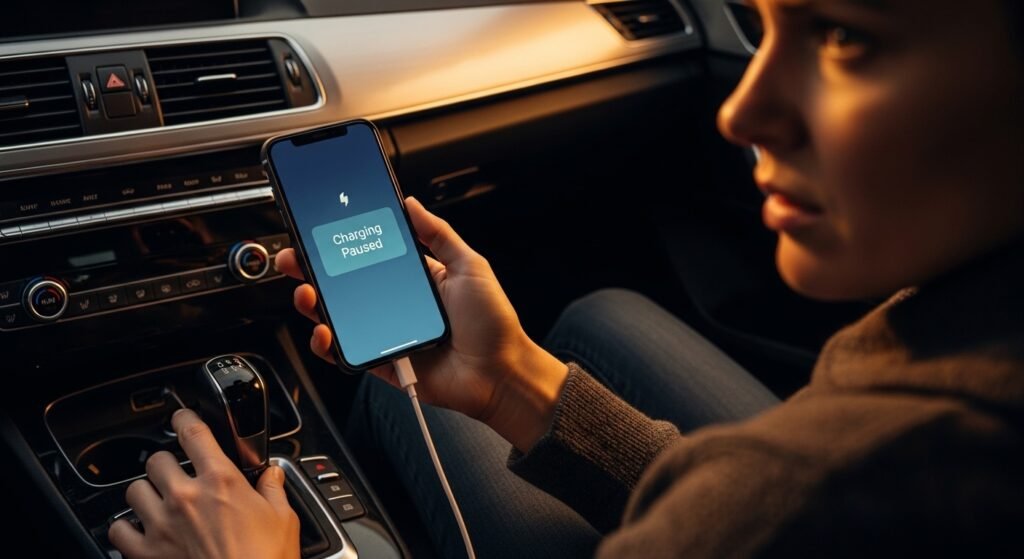
Not all car USB ports are optimized for every smartphone. Some devices may not charge properly or may switch between charging and not charging, which can interrupt usage and create unnecessary wear on charging components.
Heat Build-Up Issues

Charging inside a parked or slow-moving car can increase heat levels, especially in warm climates. Combined with low-quality power output, this can raise your phone’s temperature and impact battery efficiency in the long run.
Data Connection Risks

Many car USB ports are designed for both charging and data transfer. Connecting your phone may trigger data sharing features, which can pose privacy concerns or unwanted syncing depending on your phone settings and vehicle system.
Not Ideal for Fast Charging

Most in-car USB ports do not support modern fast-charging standards. This means your phone won’t benefit from rapid charging technology, making the process slower and less efficient compared to dedicated fast chargers.
Potential Cable Strain
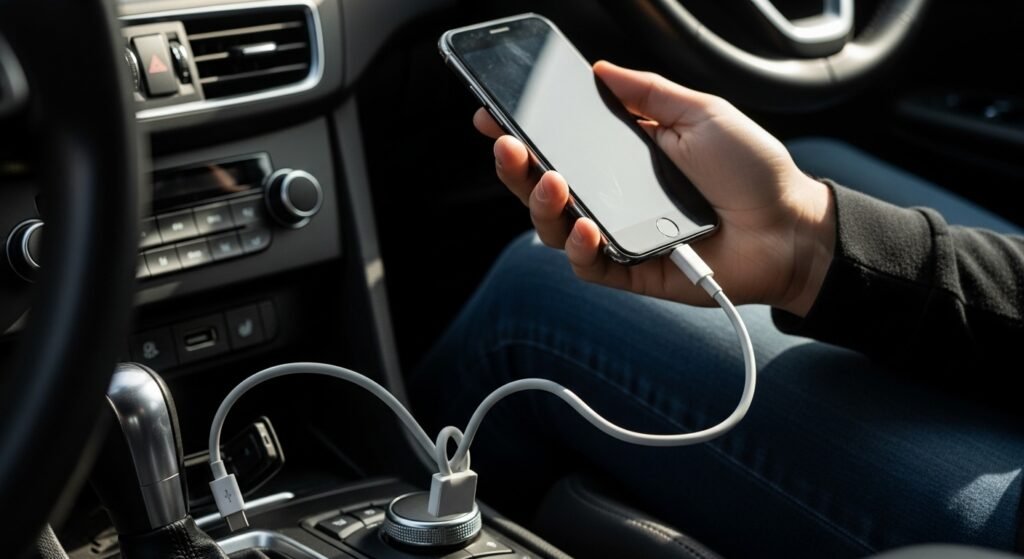
Using your phone while it’s plugged into a car USB port can cause frequent movement of the cable. Over time, this can weaken the cable or charging port, leading to connection issues or the need for replacements.
Battery Drain While Navigating

If you’re using navigation, music, or calls while charging, the power supplied by the car USB port may not keep up with usage. This can result in your battery draining even while it’s plugged in.
