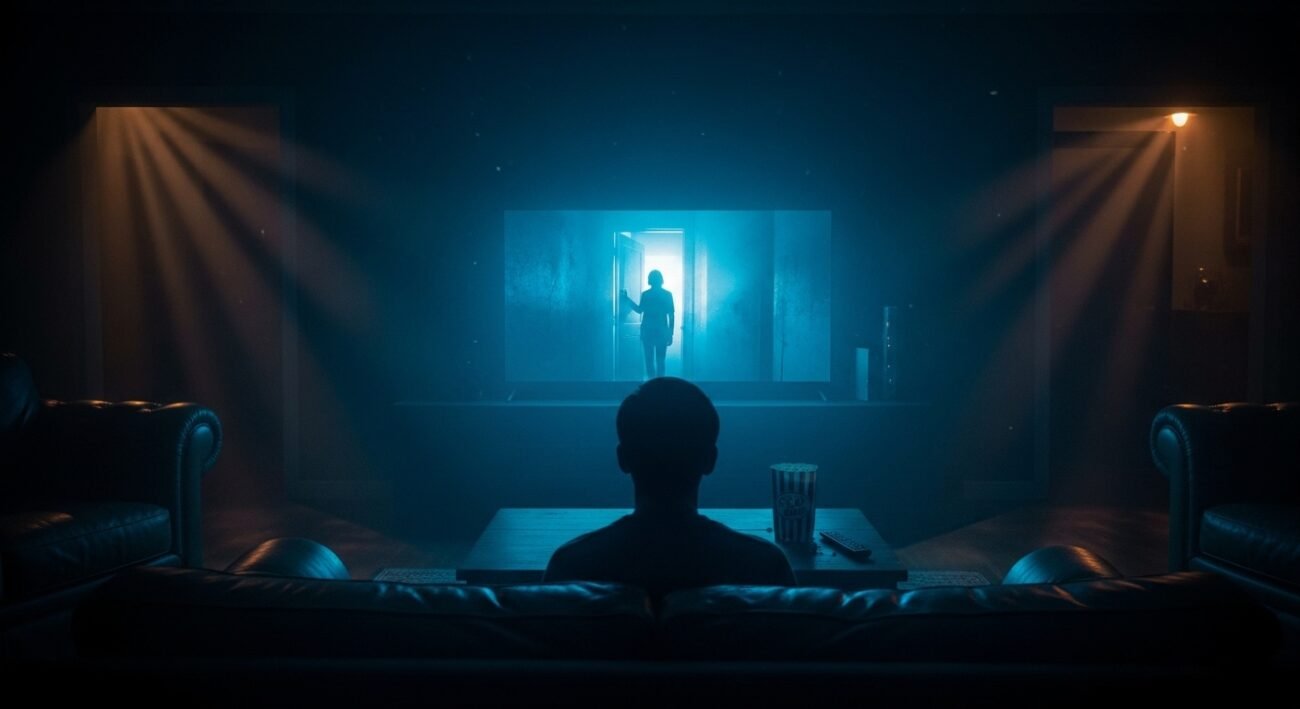
Horror stories attract audiences because they explore fear in thoughtful ways. Viewers often enter a film expecting suspense, yet the strongest reactions come from careful storytelling choices. Atmosphere, pacing, and character design shape how tension grows from scene to scene. Rather than relying only on sudden shocks, effective horror builds emotion slowly and thoughtfully. Each moment invites the audience to observe details and imagine possible danger. This quiet engagement strengthens the emotional response. When filmmakers combine relatable situations with mystery, the result becomes memorable. Certain narrative techniques repeatedly appear in successful horror films because they guide the audience toward suspense.
Relatable Characters
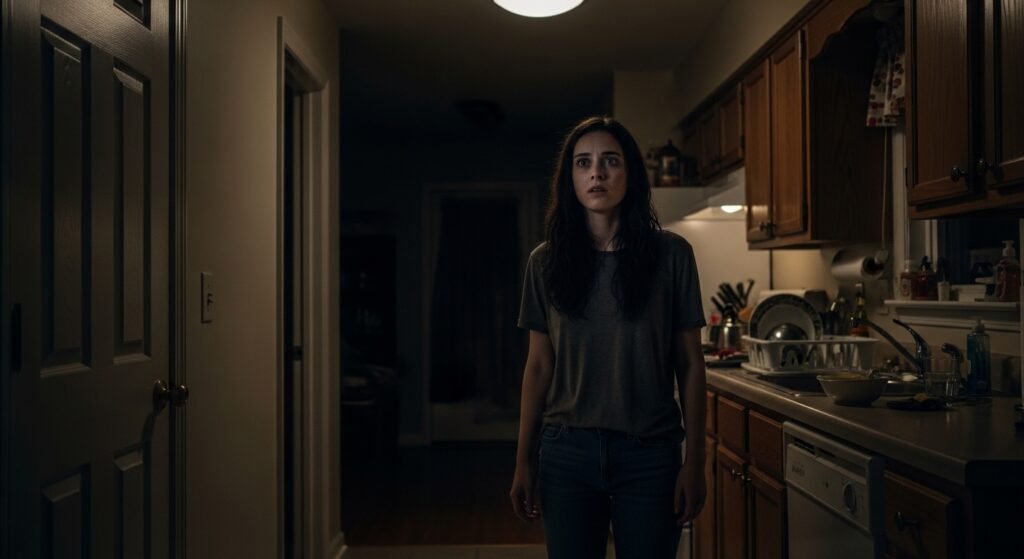
When viewers see ordinary people facing strange danger, fear feels closer to home. A familiar character allows the audience to imagine themselves in the same situation, which quietly deepens tension throughout the unfolding story ahead.
Slow-Build Suspense
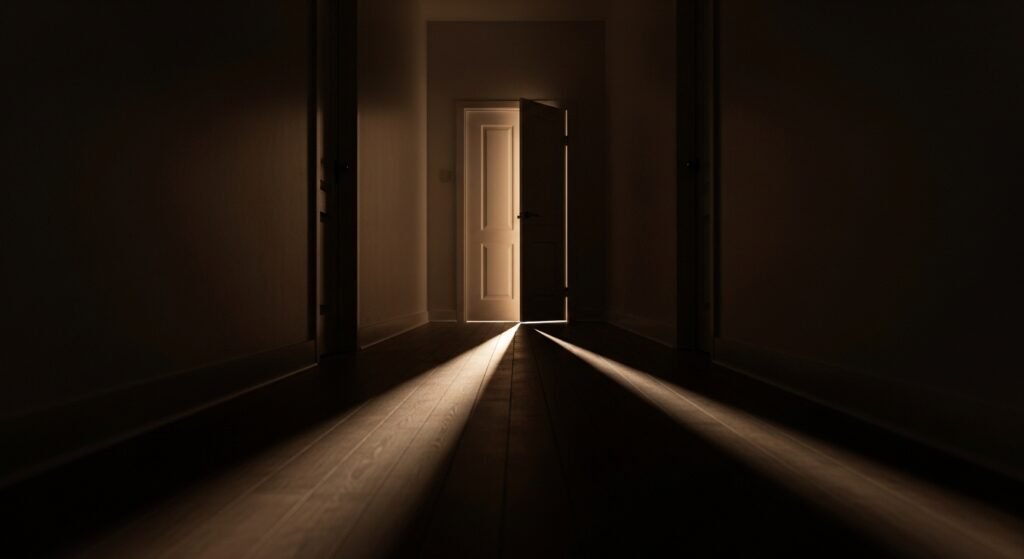
A careful pace lets worry grow before anything frightening appears. Small details, quiet sounds, and uncertain moments stretch the audience’s attention, creating a sense that something is approaching, even when the screen still looks calm.
Unseen Threats
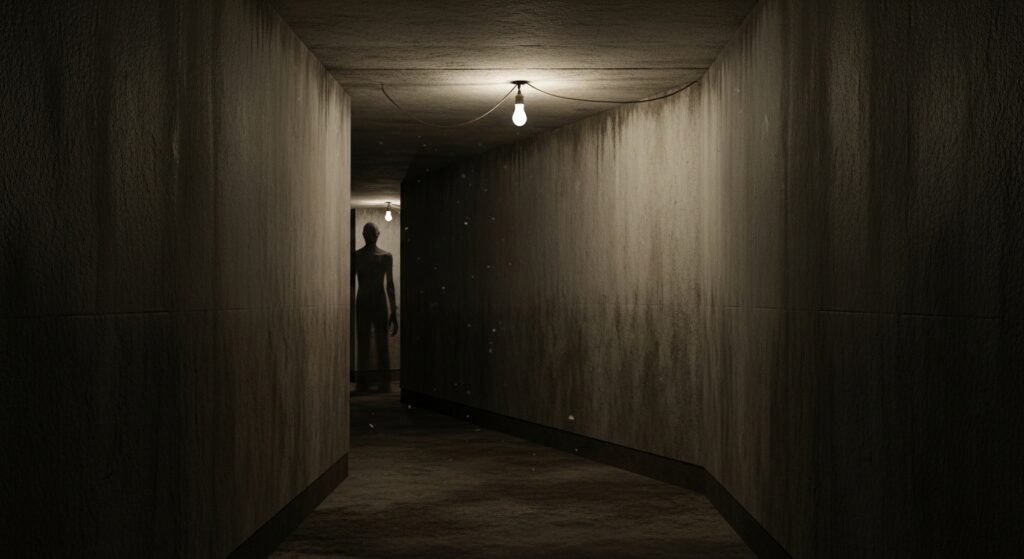
What the mind imagines often feels stronger than what is shown. Shadows, distant footsteps, or hidden figures allow viewers to picture their own fears, turning simple scenes into tense moments filled with uneasy anticipation today.
Atmospheric Settings
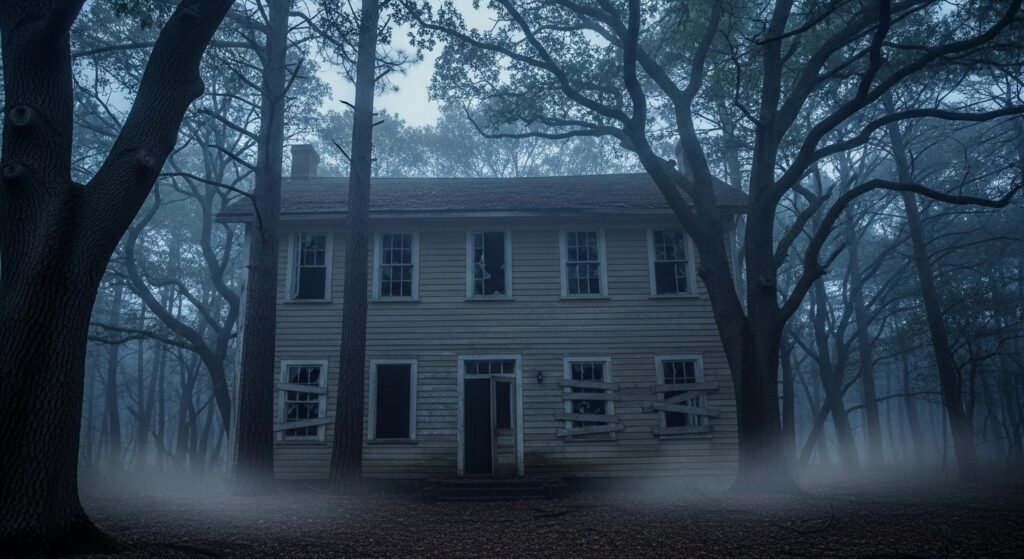
Dark forests, empty hallways, and isolated houses shape the emotional tone of horror stories. A carefully described setting surrounds characters with uncertainty, making every sound meaningful and every movement feel like a possible warning nearby.
Sound and Silence
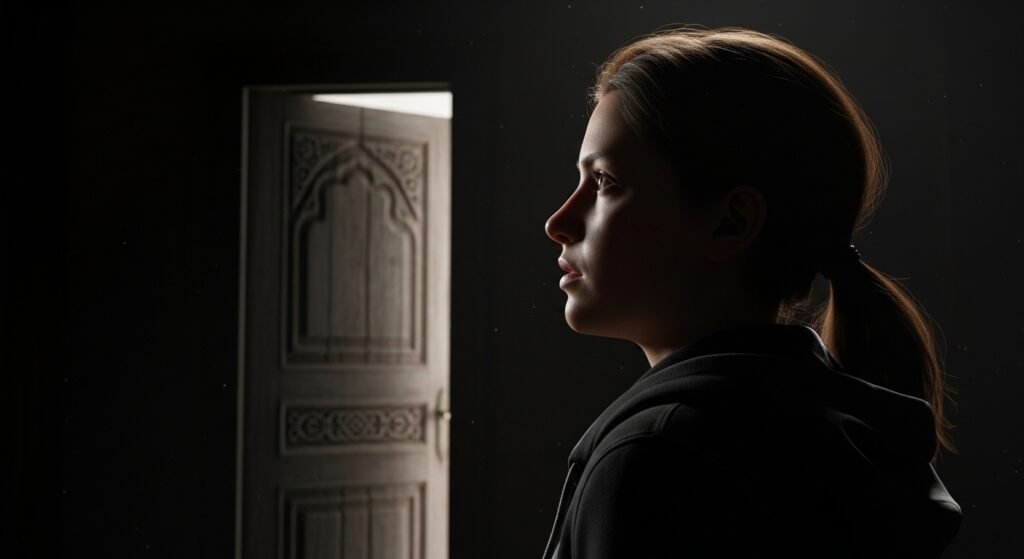
Sound guides emotion in powerful ways. A sudden noise startles the audience, while silence stretches tension. When filmmakers balance both carefully, viewers lean forward, waiting for the next moment to reveal itself on screen tonight.
Psychological Conflict
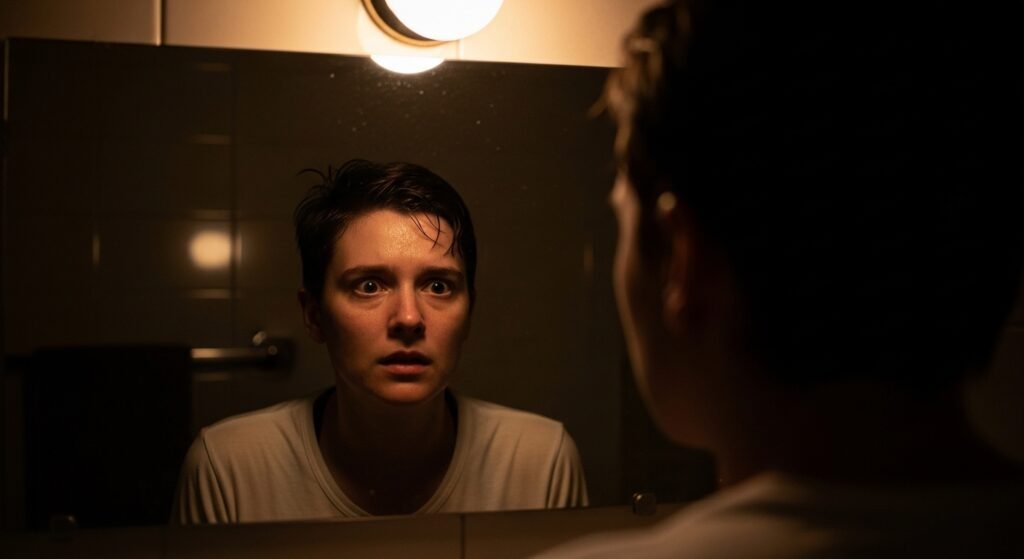
Fear grows deeper when characters struggle with their thoughts. Doubt, guilt, or confusion blur the line between imagination and reality, encouraging viewers to question what is truly happening within the story they quietly follow throughout.
Unexpected Turns
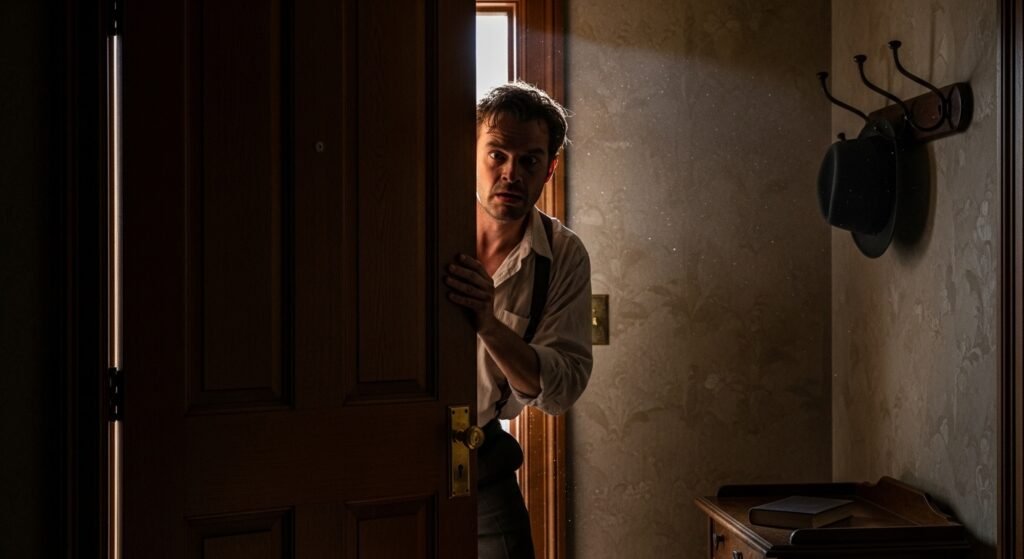
Predictable plots rarely feel frightening. Horror becomes effective when events shift suddenly. An unexpected decision or twist unsettles the audience, reminding them that the story world does not follow safe or comfortable rules at all.
Human Vulnerability
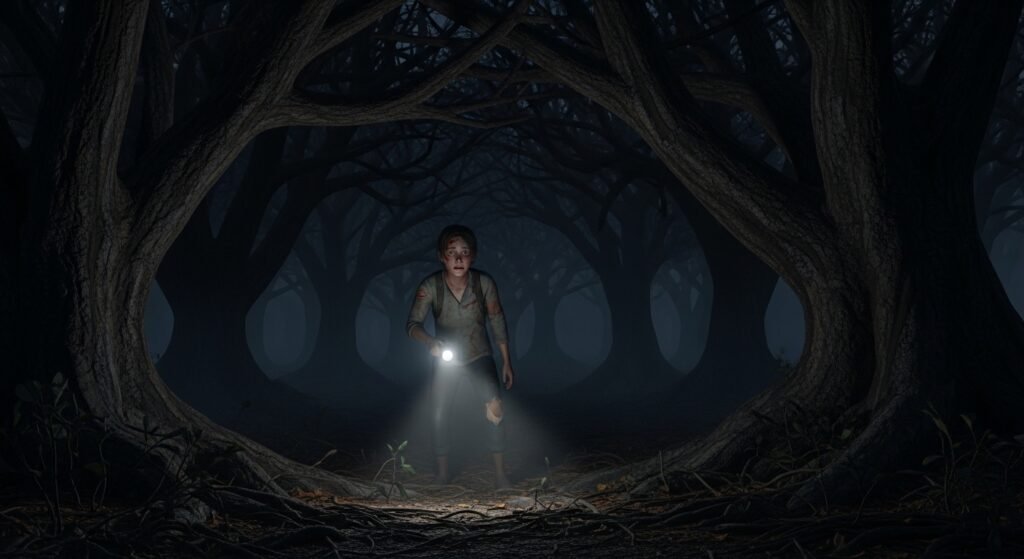
Stories feel intense when characters cannot easily escape danger. Limited resources, isolation, or physical weakness highlight human vulnerability, allowing audiences to sense how fragile safety can be in uncertain situations around them during tense scenes.
Moral Dilemmas
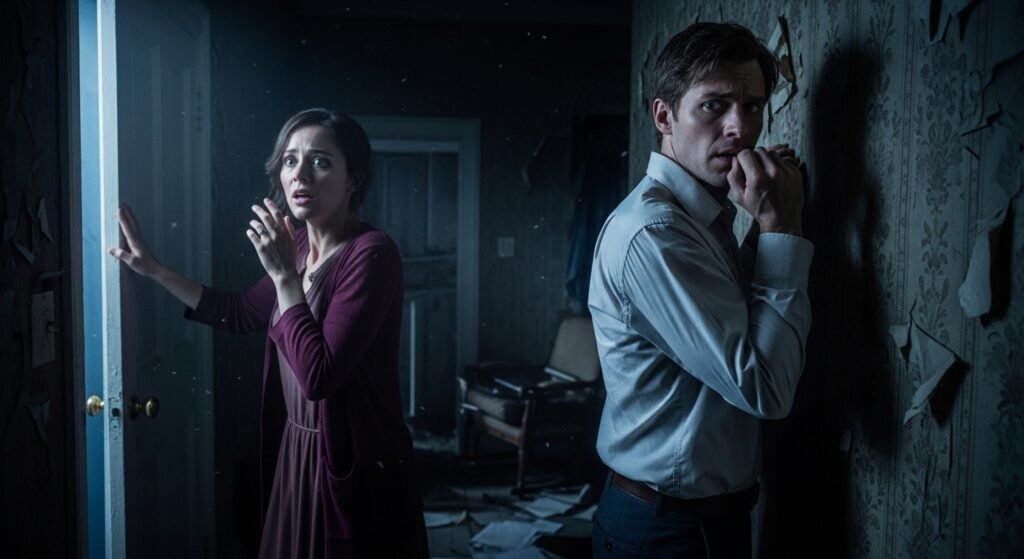
Horror sometimes places characters in difficult choices. Protecting oneself may harm others. These moral conflicts create emotional tension, because the audience wonders what they might do if placed within the same frightening situation someday themselves.
Cultural Myths and Legends
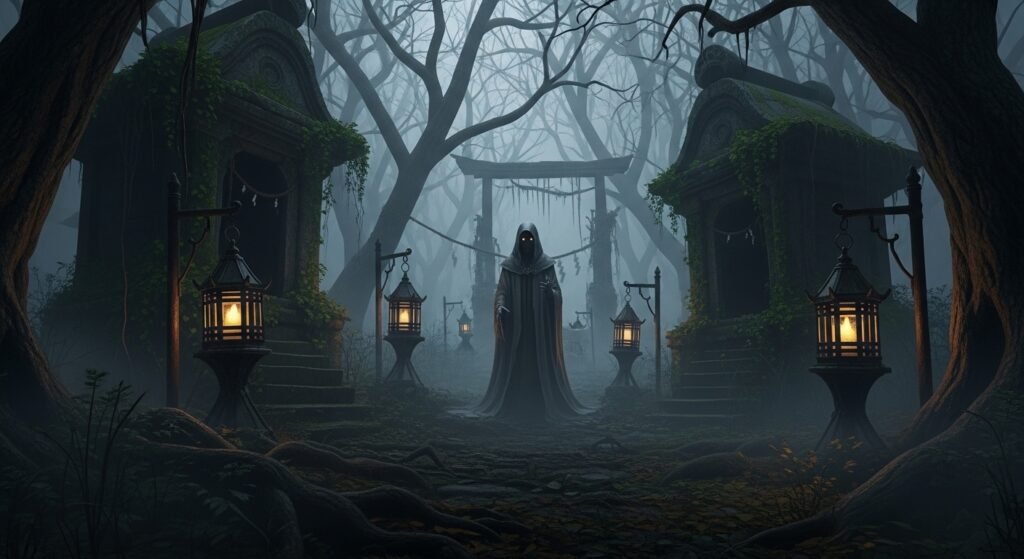
Many stories draw power from old beliefs and folklore. Familiar legends already carry mystery, so when they appear in films, viewers bring their own memories and expectations, strengthening the emotional impact across different audiences everywhere.
Lingering Uncertainty
The most memorable horror rarely explains everything. When some questions remain unanswered, the mind continues exploring possibilities after the film ends, extending the feeling of unease beyond the final scene long after viewers leave theaters.
