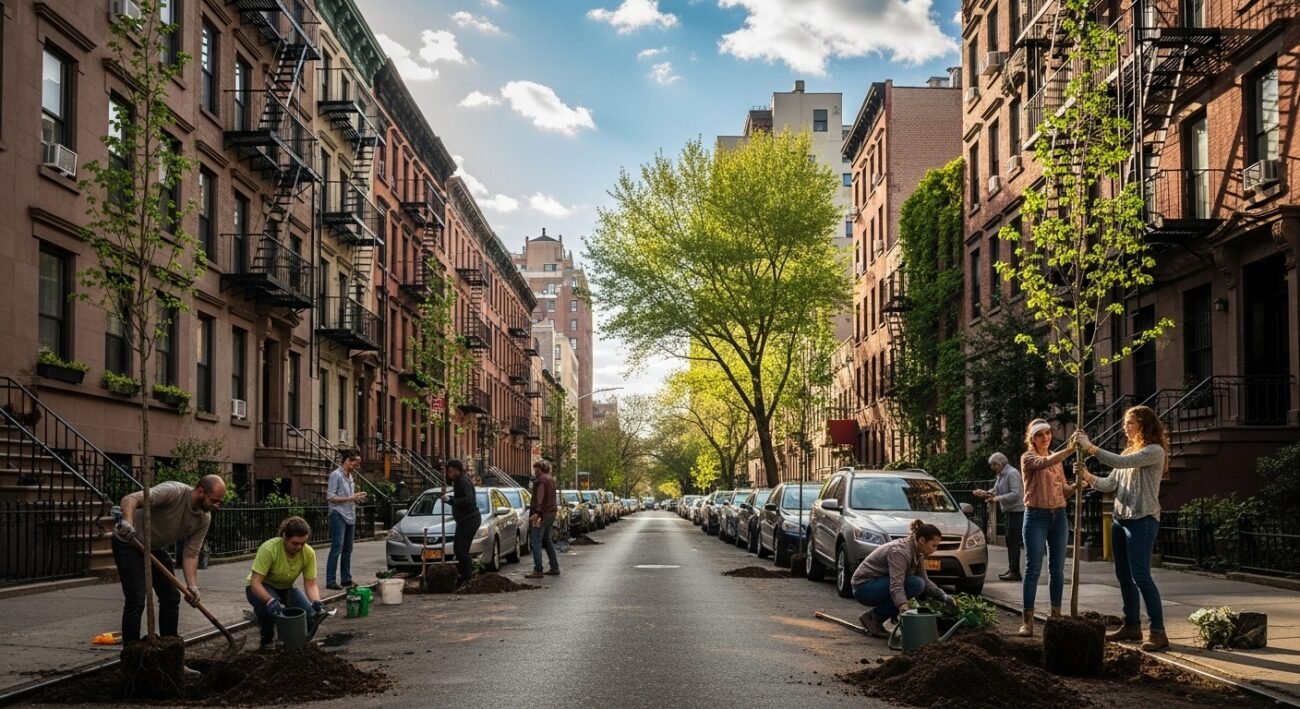
On one of the quiet roads in New York City, a small orchard of volunteers started planting young trees on residential blocks. It was not a sizeable government debut. It was a social experiment. The idea was simple. What would become of ordinary streets were they should be given a brush of green? Would people respond? Would neighbourhoods change? The project delivered the transformations of the sidewalks, conversations, and even routines quietly over a few months. The trees were not that huge, but their presence was important. It was not dramatic what followed. It was gradual and careful transformation that showed the effect of urban spaces in everyday living.
The First Saplings
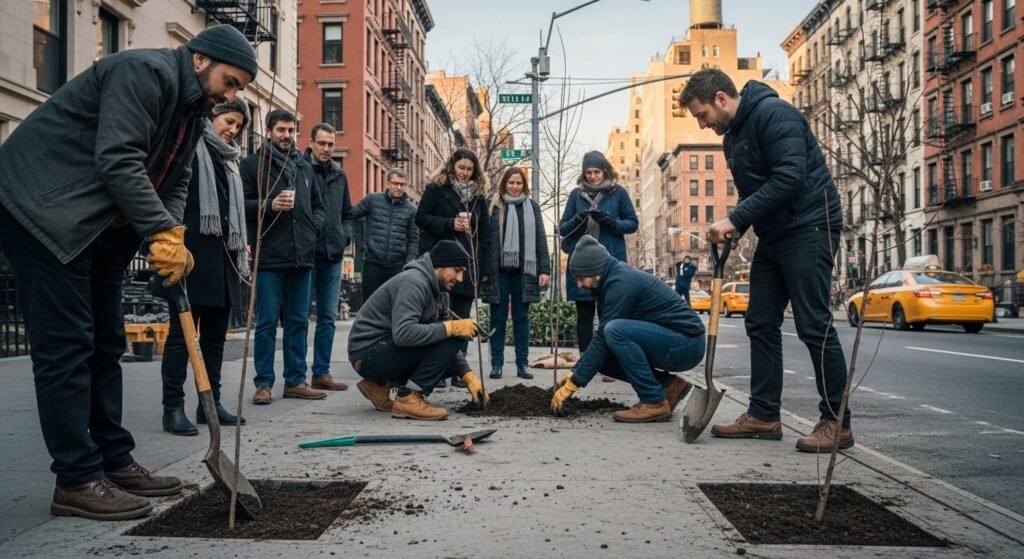
Those first saplings had been planted on a cold morning. People were passing by to take a look. Some asked questions. There were others, who had given water or implements. Curiosity diffused before shade could do so.
Community Curiosity
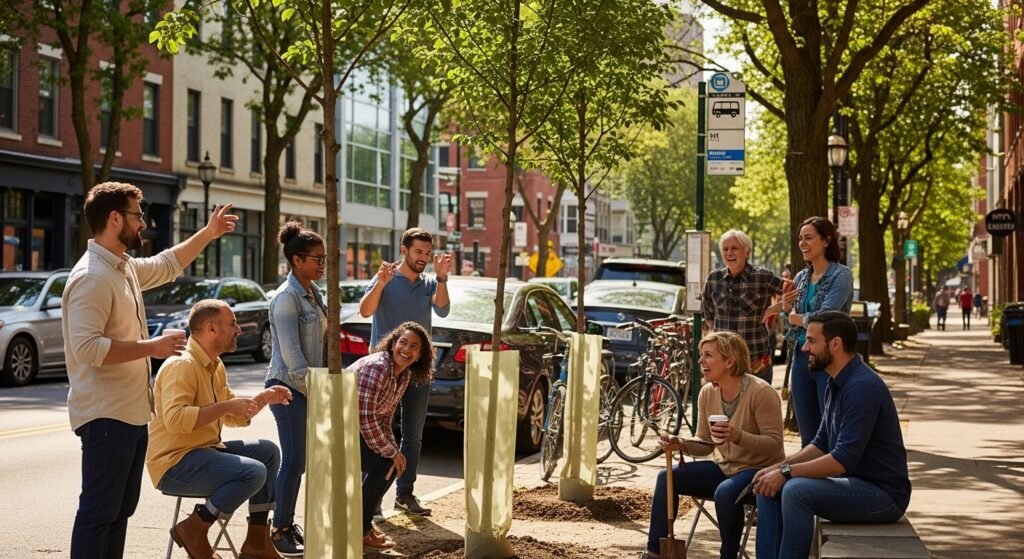
Neighbours who hardly talked at all started to talk about soil, sunshine and seasons. Light conversation became a common intention. The most basic of planting programmes was a weekend get-together.
Sidewalk Conversations
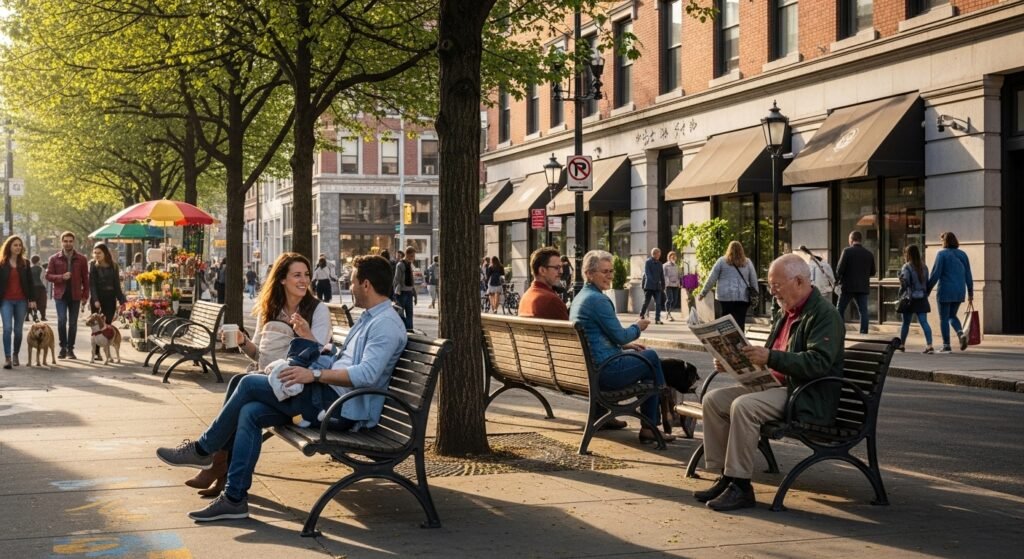
Even the benches up by the new trees were filled faster. Parents hung around school collections. The elderly neighbors told stories about how the street is decades ago.
Cooler Summer Walks
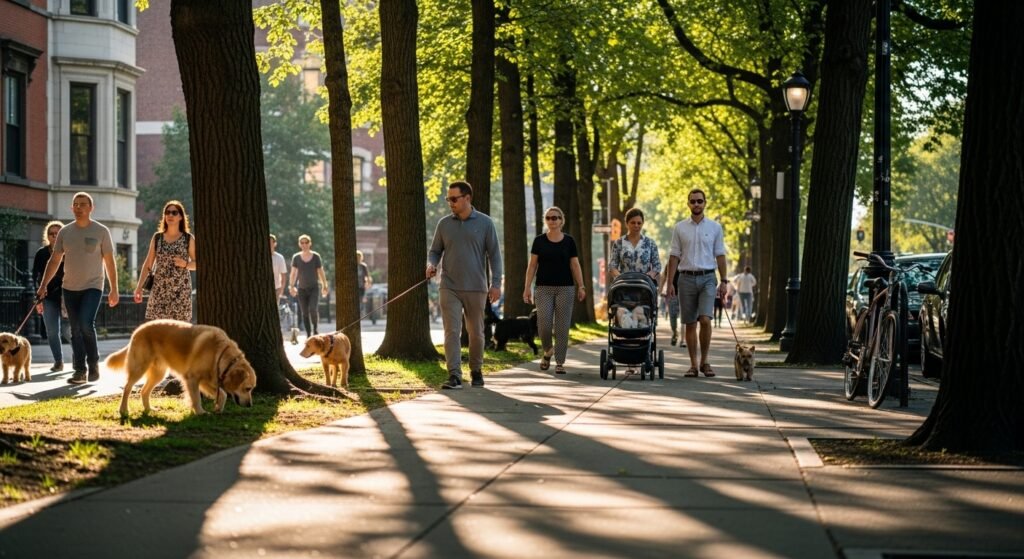
Towards the middle of summer, the leaves formed shade pockets. Afternoon walks were more comfortable. Owners of dogs were forced to modify their path to go under the expanding canopy.
Unexpected Volunteers
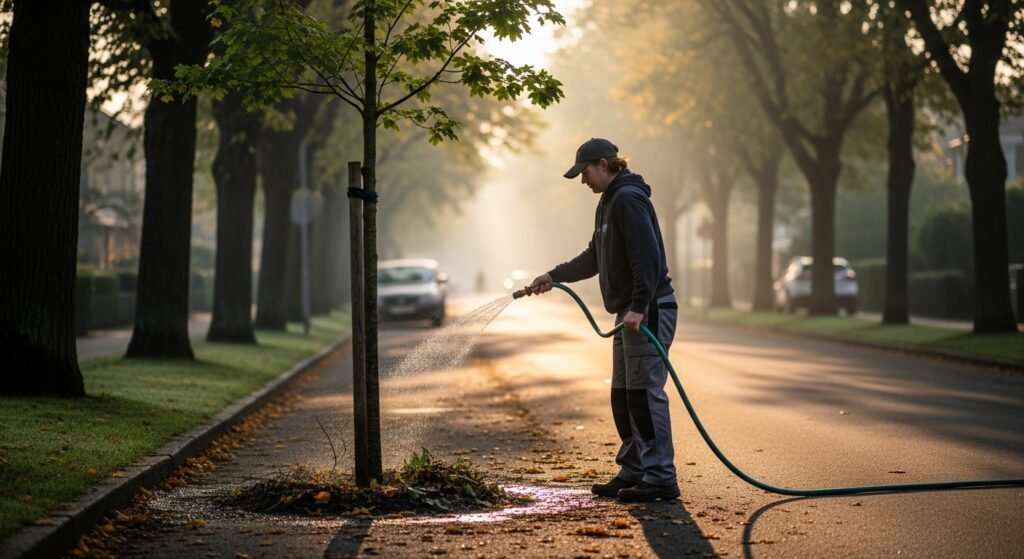
Individuals who were not registered started assisting. The trees were watered by somebody before the working day. Another blown-off rubbish close to the trunks. Care became a quiet habit.
Local Business Support
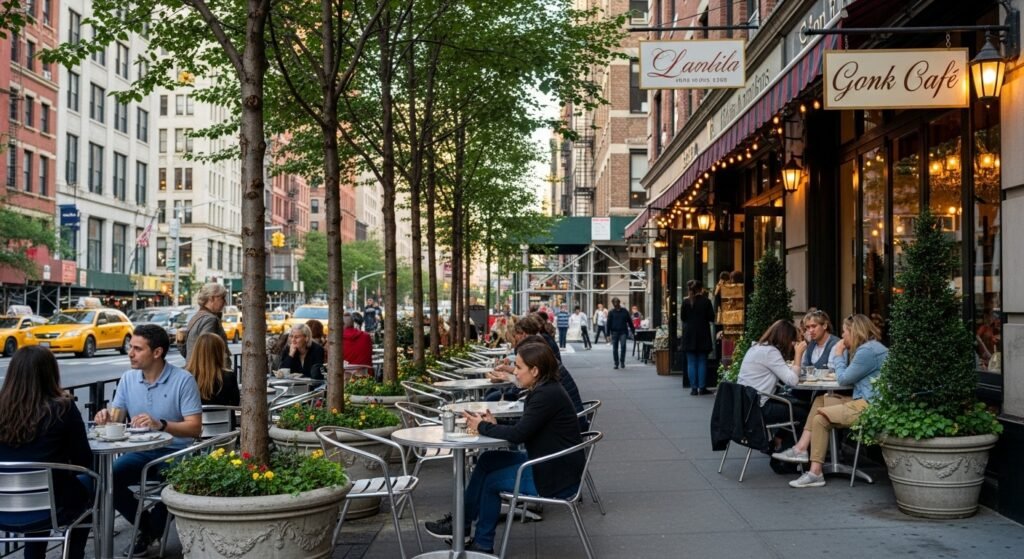
Owners of the shops realized the traffic was growing. A cafe was sitting chairs at newly grown tree. Customers have decided to spend more hours outdoors.
Cleaner Street Corners
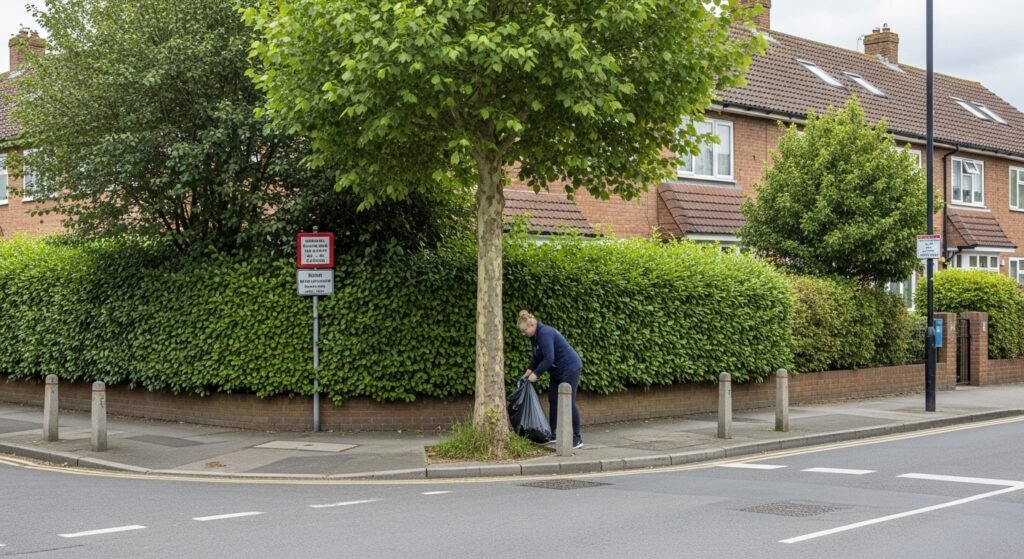
In its greenery, litter appeared more prominent. Inhabitants collected litter wrappers without being requested to do so. The road was not neglected but it was tidy.
Children and Curiosity
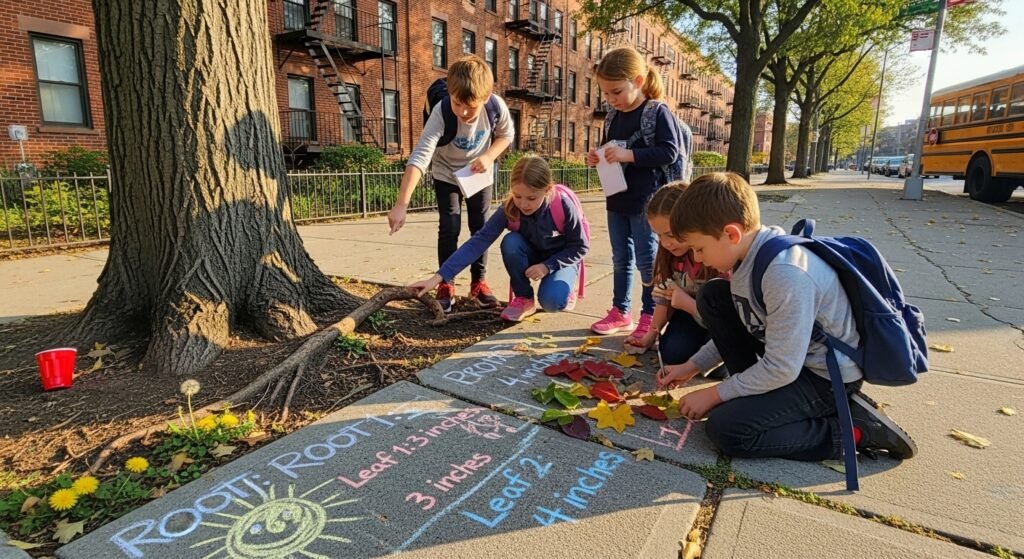
Children questioned about roots and branches. Growth was measured in chalk marks on the pavement. The science lessons were taken out to the streets.
Seasonal Awareness
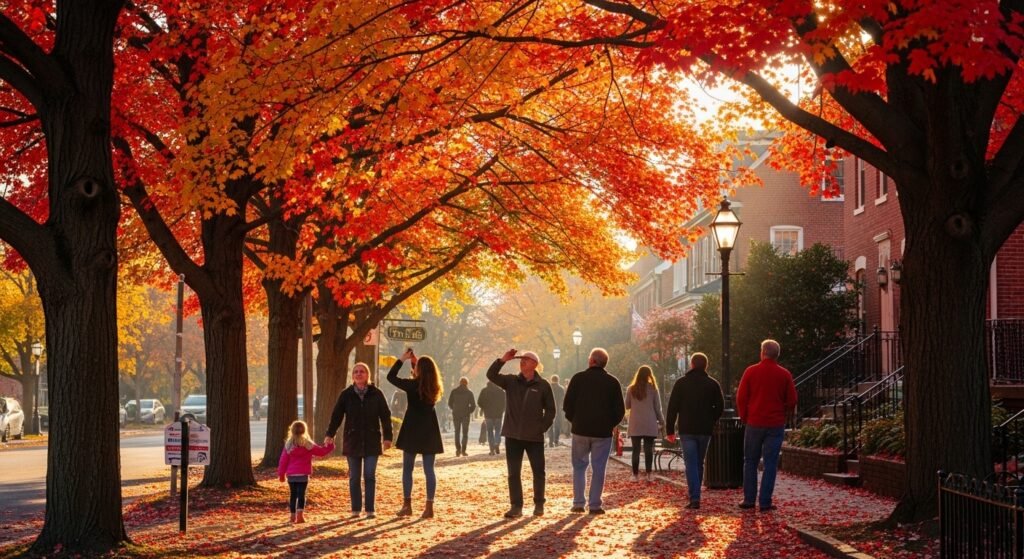
Autumn leaves were colored and reflected. The change of seasons was picked out more by people. Another common duty was winter pruning.
Quiet Environmental Impact
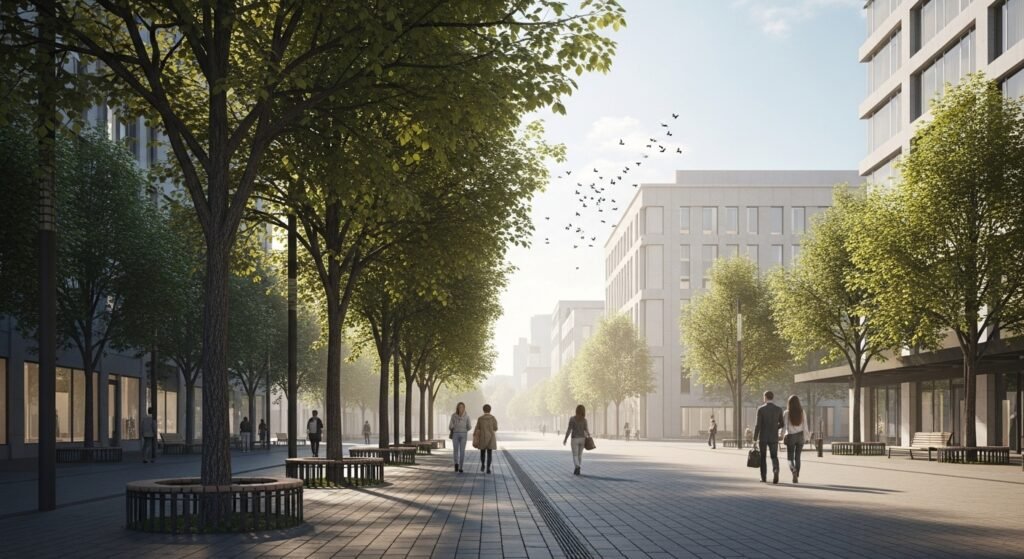
The trees sucked the sound and dampened the rhythmic noise of the city. The air was purer along those blocks. Even short walks appeared to be relaxing.
A Model for Other Streets
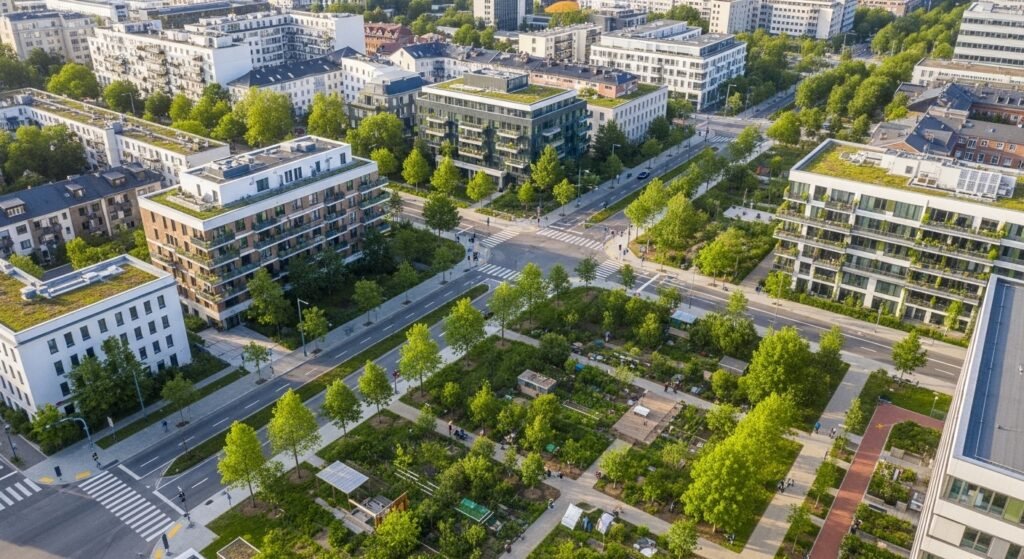
The experiment became known to the neighbourhoods. Orders of the like plants came after. What was started as a trial gradually became a prototype for future strategy.
