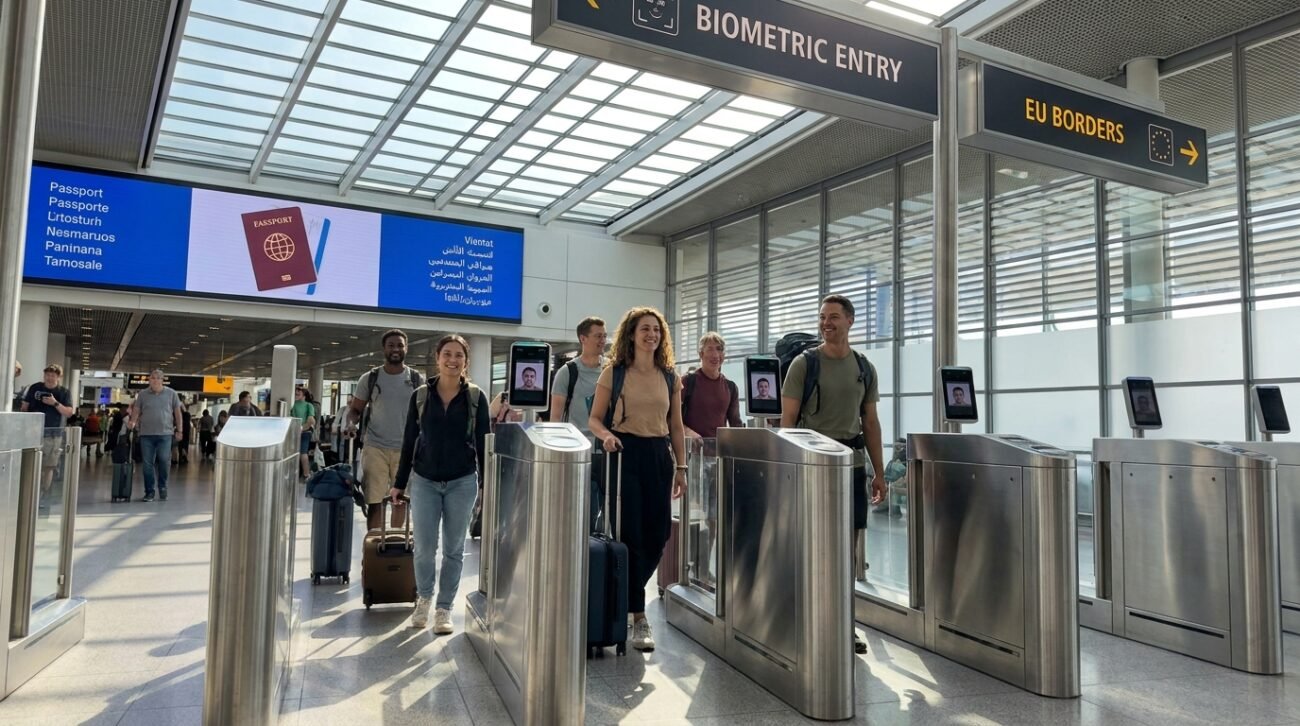
Europe has introduced a novel digital border scheme that alters how international holidaymakers and business travelers enter and depart numerous nations. Instead of traditional passport stamping, authorities now utilize biometric technology such as facial recognition and fingerprint scans, establishing a more automated airport experience for millions of visitors.
What the New System Records
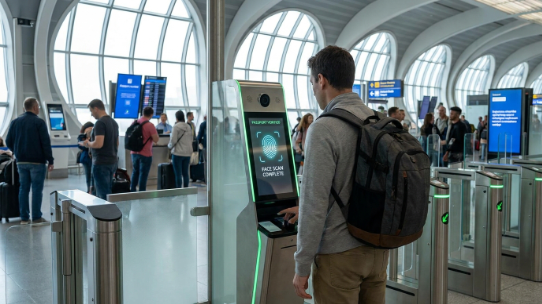
The fresh Entry Exit System digitally stores traveler information, including passport details, facial images, fingerprints, and travel dates. Officials state the system is designed to enhance security and monitor overstays more efficiently, whilst modernizing frontier control procedures across participating European nations.
Who Will Be Affected

The new regulations predominantly affect non-European Union travelers visiting Europe for leisure or business. Visitors from nations such as India, the United States, Canada, Australia, and the United Kingdom may now encounter additional biometric screening procedures when arriving at airports and border checkpoints.
Airports Will Feel Different
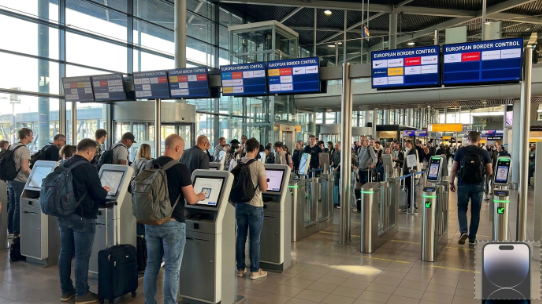
Many European airports are introducing self-service kiosks and automated gates for passport and biometric verifications. Holidaymakers may need to scan passports, look into cameras, and provide fingerprints before speaking with border officials, particularly at larger international airports handling heavy passenger traffic.
Passport Stamps Are Vanishing
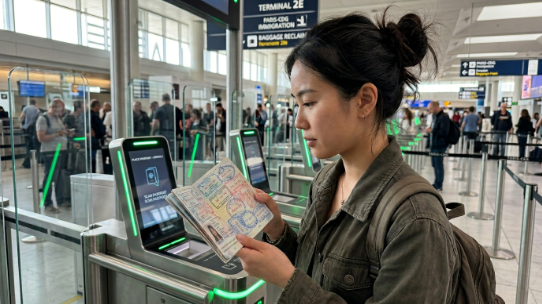
Traditional passport stamps are gradually being replaced by digital entry and exit logs. Whilst some airports may still stamp passports during the transition period, many travelers will notice a reduction in physical stamps as Europe transitions toward a fully electronic border management framework.
Another Rule Is Coming Soon

Europe is also preparing to launch the European Travel Information and Authorisation System, which is an online travel authorization scheme for visa-exempt visitors. Travelers will require formal approval before flying to many European destinations, akin to systems already utilized by nations such as the United States and Canada.
What Travelers Should Do

Travel experts recommend arriving earlier at airports, checking passport validity thoroughly, and monitoring official travel updates before flying to Europe. Since airports are still adapting to the new procedures, passengers should anticipate occasional delays and additional screening during busy travel periods.
Travel Is Becoming More Digital
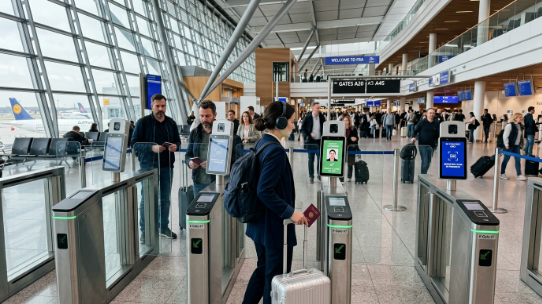
The new border rules across Europe reflect a broader global shift toward digital transit systems and biometric identity verification. Although the transition may initially bewilder some holidaymakers, officials believe the technology will ultimately create swifter, safer, and more efficient airport experiences throughout Europe.
