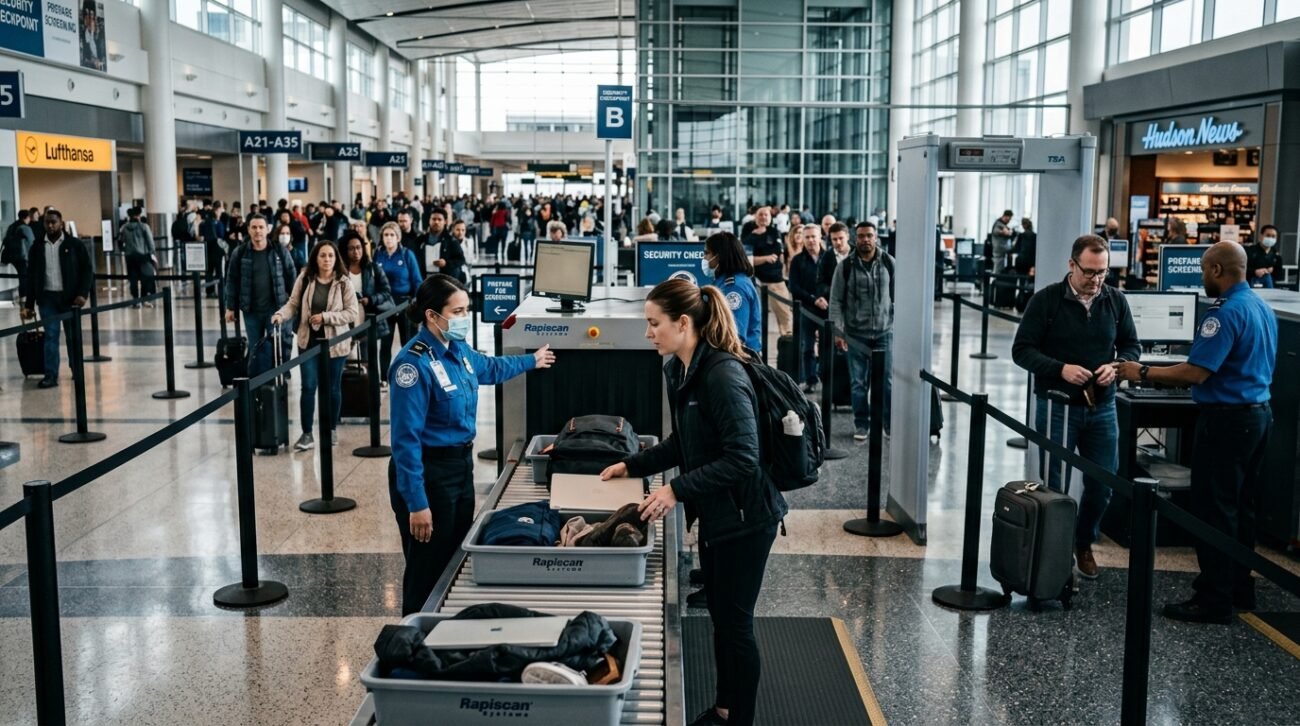
While most travelers are familiar with airport security, there are still many aspects that they aren’t aware of. There are a lot of things that a passenger might never hear about before they get to the checkpoint, such as how bags are checked and the reasons that some items will need extra review. Knowing these lesser-known truths can make travel smoother and more predictable. A little awareness can reduce confusion and improve the airport experience for both frequent and occasional travelers.
TSA Uses Advanced Imaging Technology
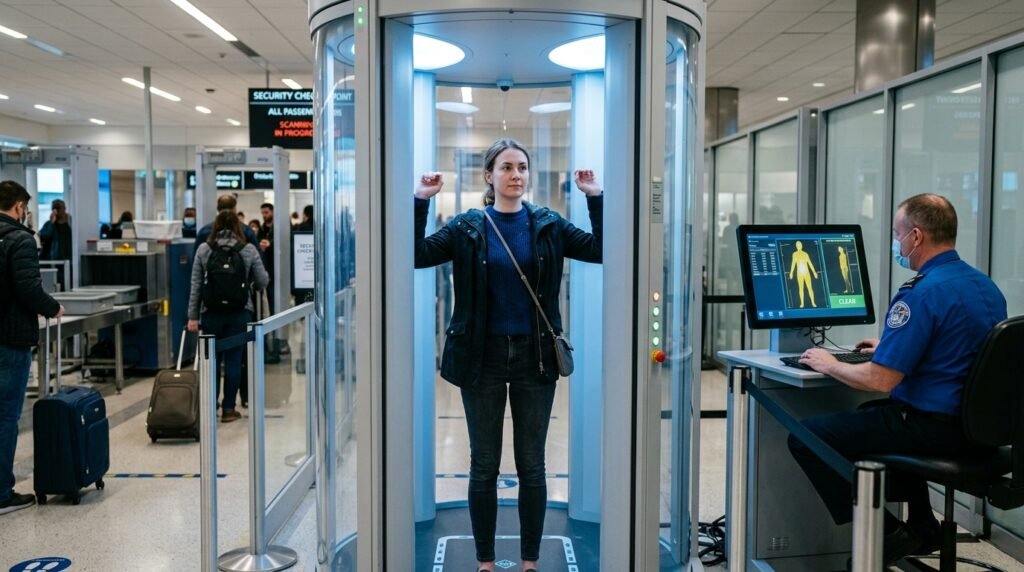
Many airport checkpoints employ state-of-the-art imaging scanners to detect objects that might need further inspection. These systems are designed to enhance the efficiency of operation, as well as contribute to the screening of passengers during airport operations.
May Request Additional Bag Checks Randomly
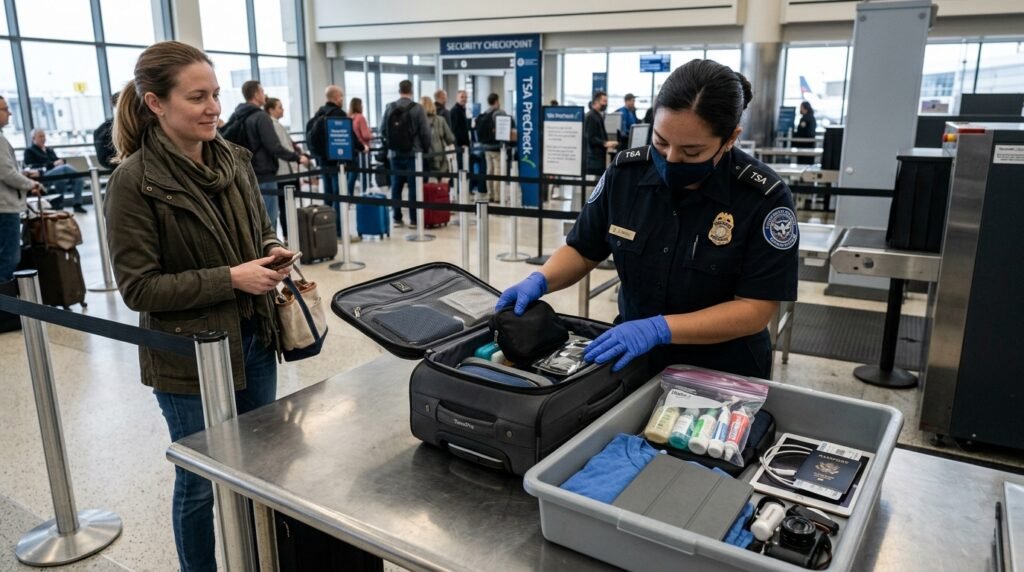
Not all extra inspections occur because something is amiss. Random screenings are a normal part of the security process and may happen during a normal scan, even if a bag looks completely fine.
Electronics Often Receive Extra Attention
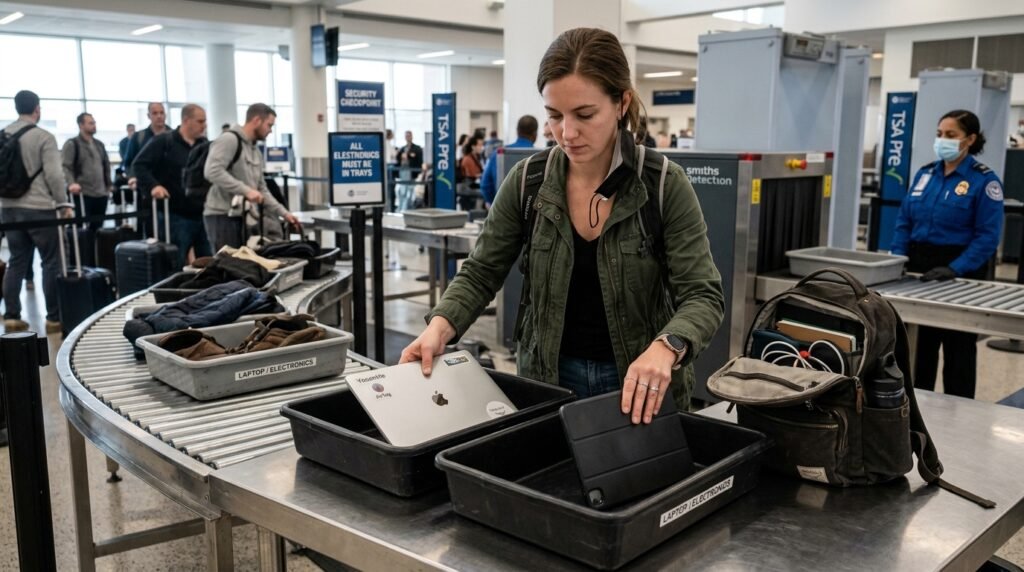
Sometimes, large electronic devices such as laptops can obstruct an X-ray image, and this is why many airports require travelers to separate their laptops and other large electronic devices during security screening.
Liquid Rules Apply to More Than Drinks
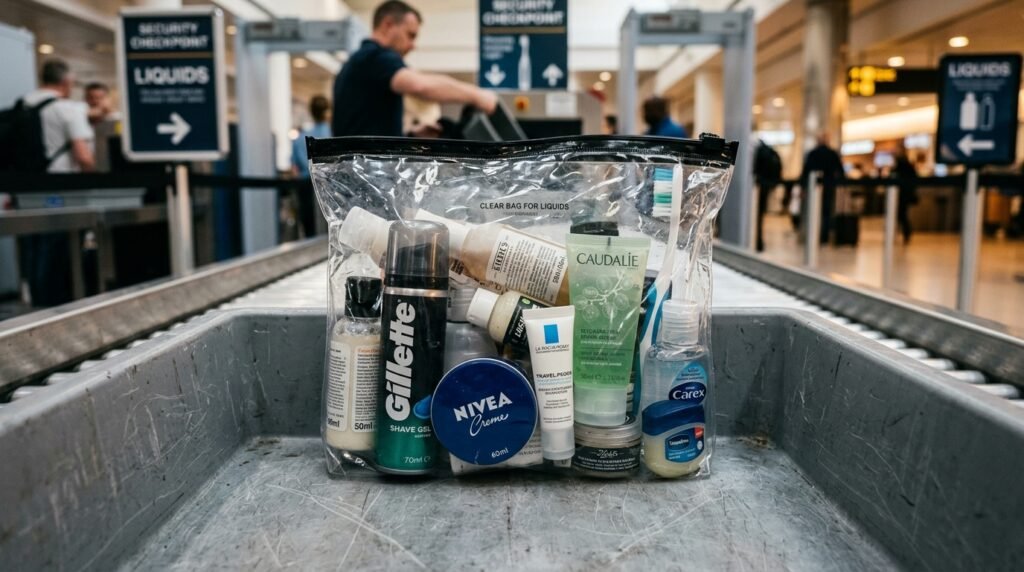
The TSA liquid guidelines include all types of gels, creams, and aerosols. There are other common items that are also included in these categories that travelers might not think of for screening.
Shoes Became a Bigger Focus
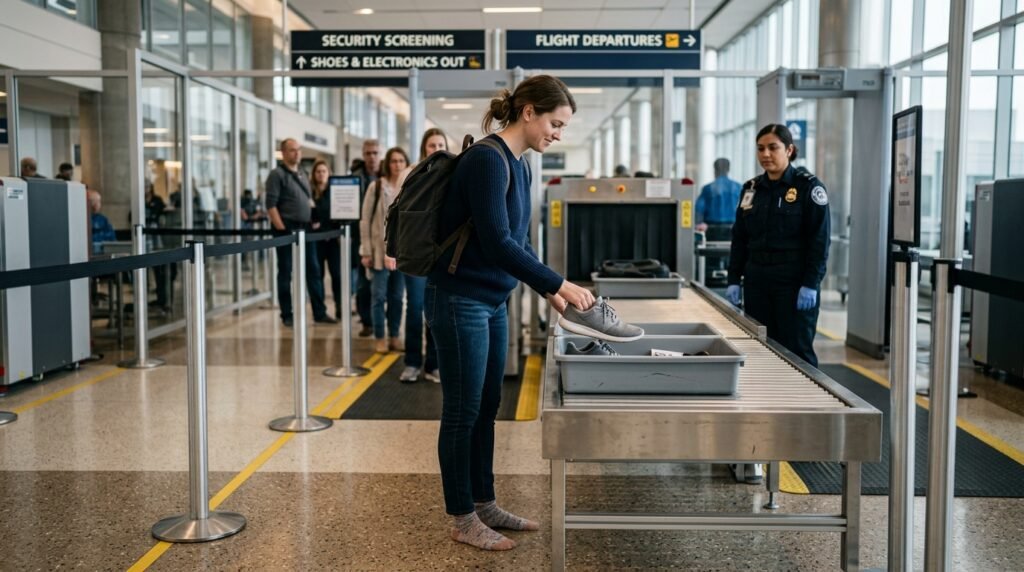
As airports have modernized their security over the years, so have the protocols for removing shoes. Over the years, airports have changed their security, and so have the protocols for removing shoes. There are some programs and airport setups now that have easy ways for travelers who qualify.
PreCheck Changes the Screening Experience
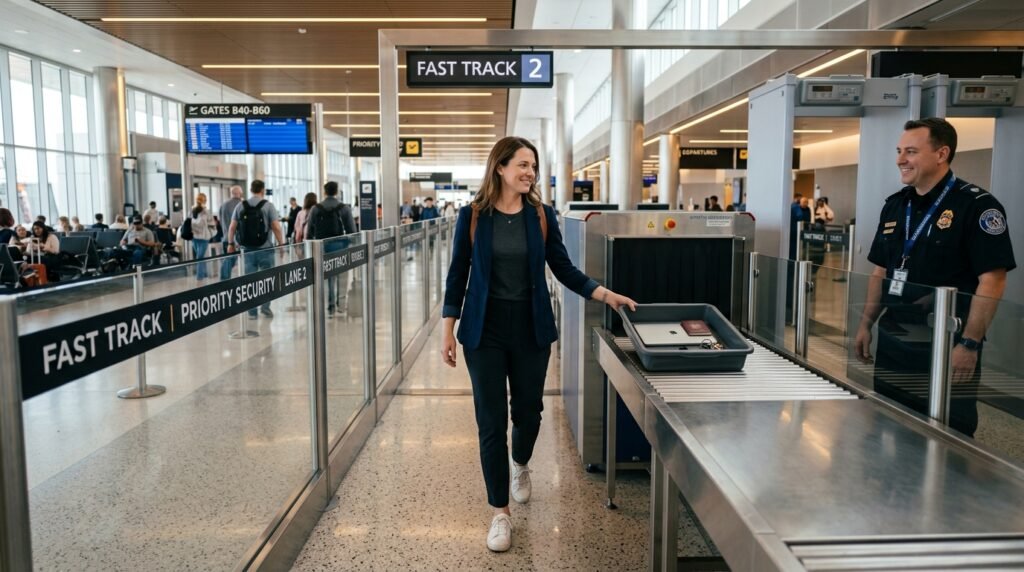
Enrolled passengers in TSA PreCheck may use a different screening lane that could require fewer items to be removed based on airport procedures and checkpoint configuration.
Certain Food Items Can Trigger Extra Screening
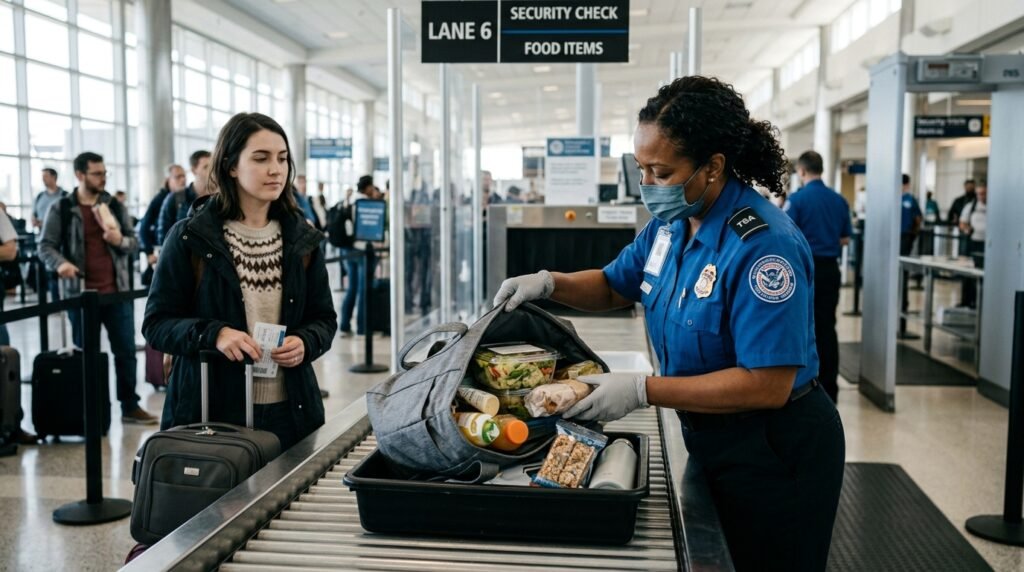
Dense or unusually shaped food items can sometimes trigger additional screening. Security officers may need a closer look if the contents of a bag are difficult to identify on an X-ray scan.
Final Thoughts
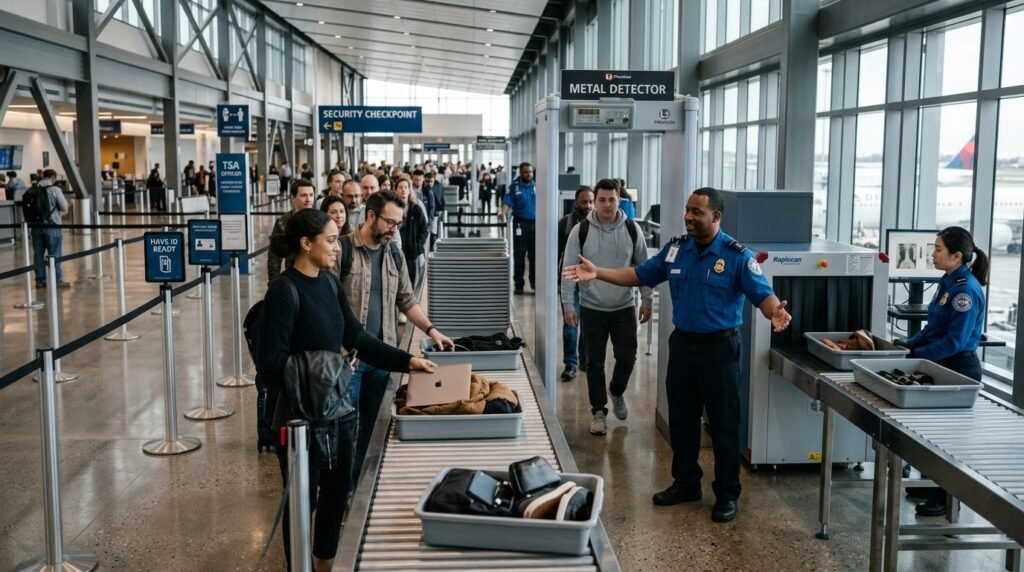
The process of TSA screening is more intricate than most travelers understand, and knowing a few lesser-known procedures can make air travel easier. Travelers can streamline the airport screening process and minimize delays and confusion by taking simple precautions, being aware of common screening concerns, and knowing what to expect.
