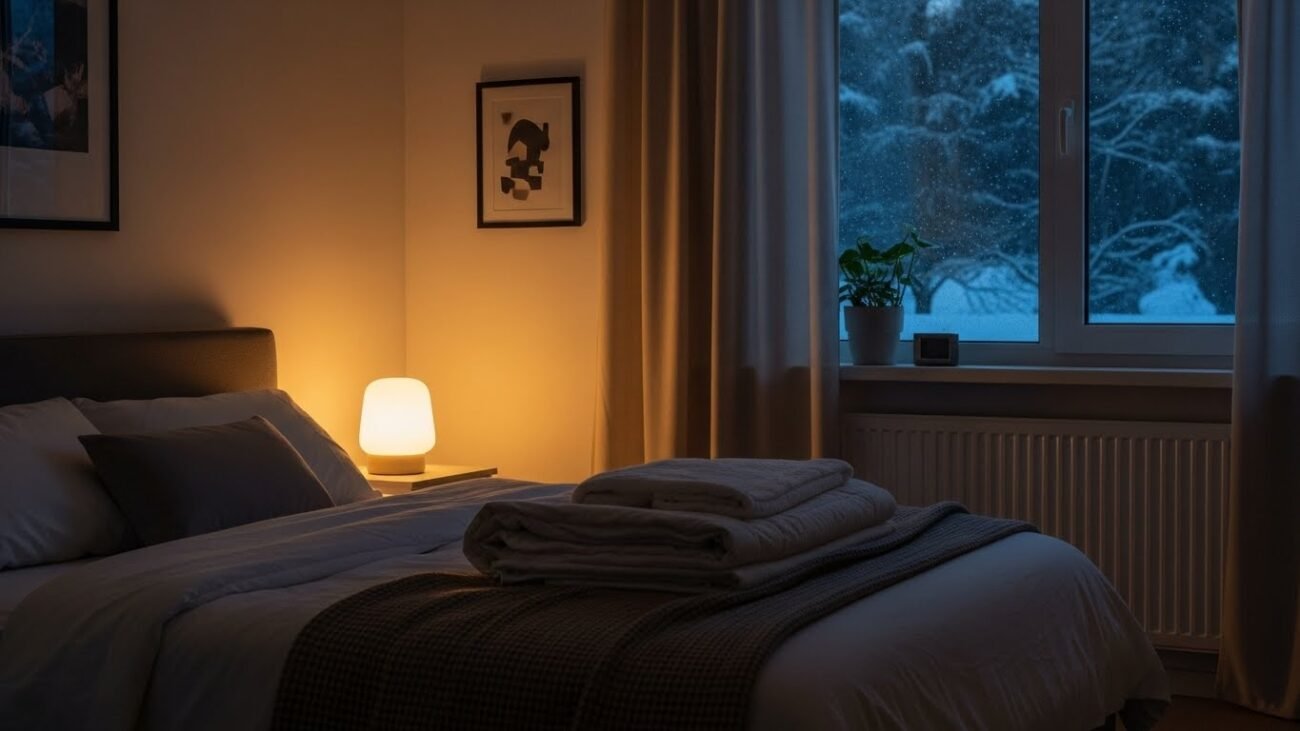
Many homes raise indoor heat after sunset. Research and utility data show such habits raise energy use and disrupt sleep quality. Sleep specialists and building scientists point toward a narrower night time range. A modest adjustment improves comfort, reduces dry air effects, and lowers heating bills. The following sections explain optimal night time settings, supporting data, and practical steps for cold months.
Why nighttime temperature matters in winter
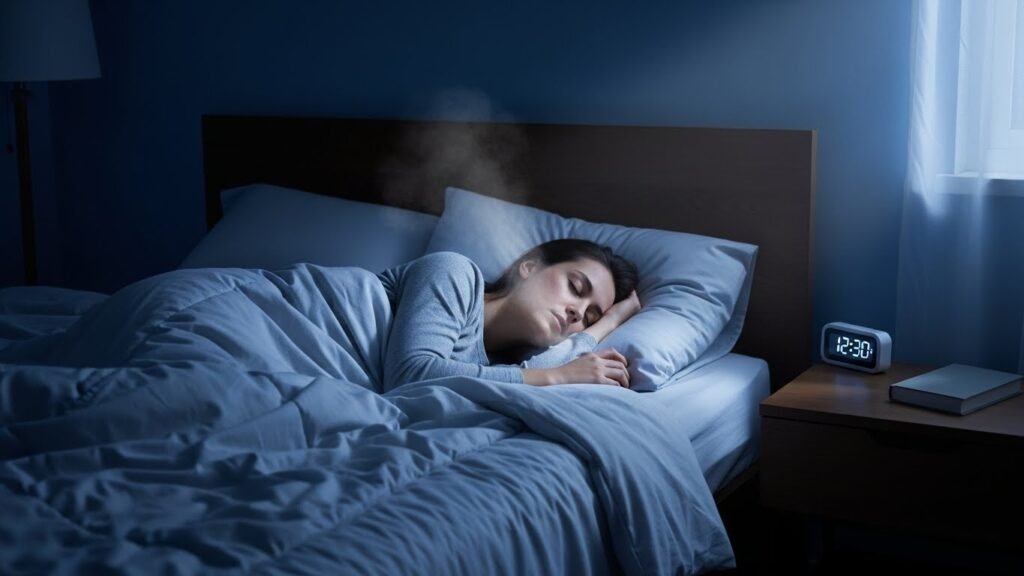
Human sleep cycles depend on gradual body cooling. Studies from sleep laboratories show deeper sleep phases occur when bedroom air stays cooler than daytime levels. Excess heat interferes with natural temperature drop. A controlled winter setting supports longer deep sleep periods and fewer nighttime awakenings.
The temperature range supported by sleep research
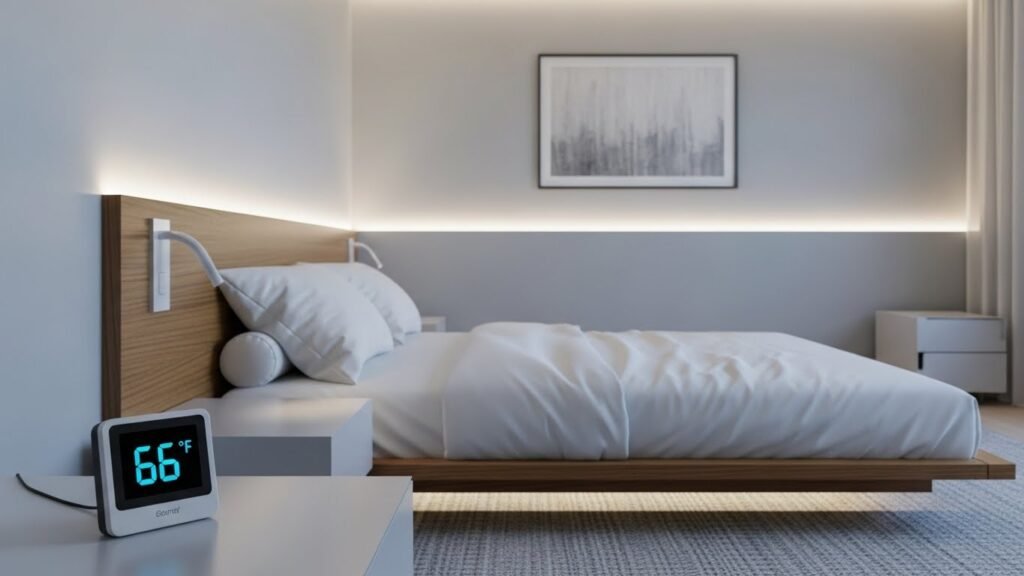
Multiple sleep studies reference a range between 65 and 68 degrees Fahrenheit during winter nights. Data from the National Sleep Foundation aligns with such findings. Participants resting within this band showed faster sleep onset and improved sleep efficiency compared with warmer rooms.
Energy use patterns during overnight hours

The demand of heating decreases during sleep because of the decrease of activity. Those utility companies record 5-10 percent overnight heating savings when thermostats are reduced by 3-5 degrees. These types of adjustments decrease furnace cycles and minimize the unneeded fuel use without compromising on morning comfort.
Common winter thermostat mistakes at night

Many households maintain daytime temperatures overnight. Such settings often exceed 72 degrees Fahrenheit. Warm air dries nasal passages and increases dehydration risk. Overheating also triggers frequent blanket removal and body temperature swings during sleep.
How cooler air supports breathing comfort

The winter air that is cooler contains fewer moisture. The further drying of indoor air occurs by overheating. Clinics that treat sleep disorders have fewer complaints of the dry throat and irritation of the nose when temperatures are below 68 degrees during the night. Stable breathing patterns are provided by a balanced humidity and cooler air.
The role of bedding in nighttime temperature control

Thermostat adjustments work best with proper bedding. Insulated blankets and breathable sheets trap body heat near skin. Sleep research shows layered bedding allows small adjustments without altering thermostat settings. Such setups maintain warmth while preserving cooler room air.
Differences between adults and children
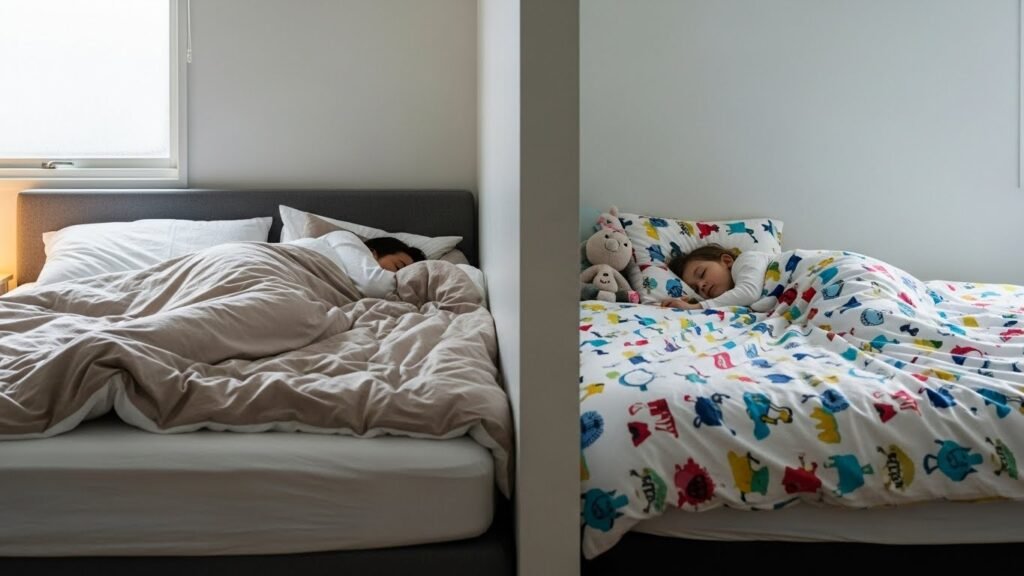
Children produce high amounts of body heat as a result of elevated body metabolisms during sleep. Childcare advice on sleep suggests that the room temperature of infants and young children should be approximately 65 degrees. Adults tend to use a bit of warmer conditions. A middle range balances the need of comfort at home.
Smart thermostats and nighttime scheduling
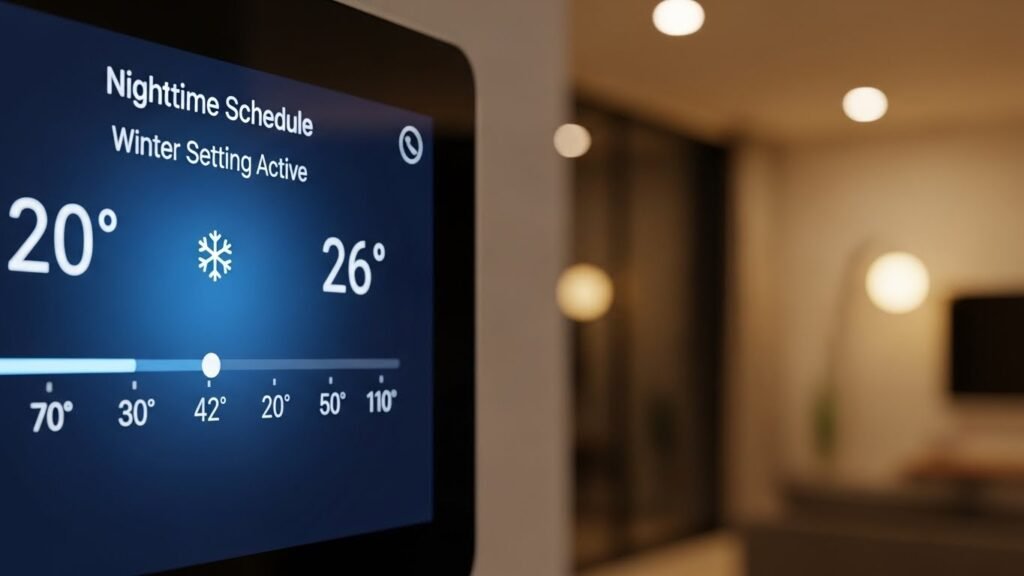
Programmable thermostats simplify nighttime adjustments. Energy agencies report higher savings among households using scheduled temperature drops. Automated schedules prevent forgotten adjustments and maintain consistency across winter months. Manual overrides remain available during extreme cold events.
Cold climate considerations for older homes
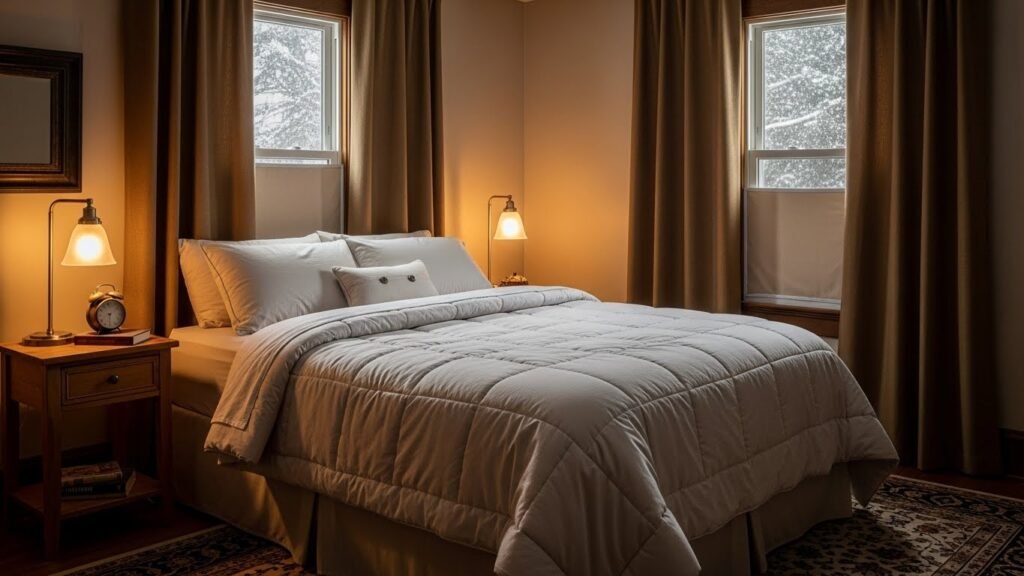
Older buildings lose heat faster overnight. Insulation gaps and drafty windows affect comfort. Home energy audits show better results when thermostat drops remain limited to 3 degrees in such structures. Gradual reductions avoid excessive morning reheating.
Practical night time setting recommendation
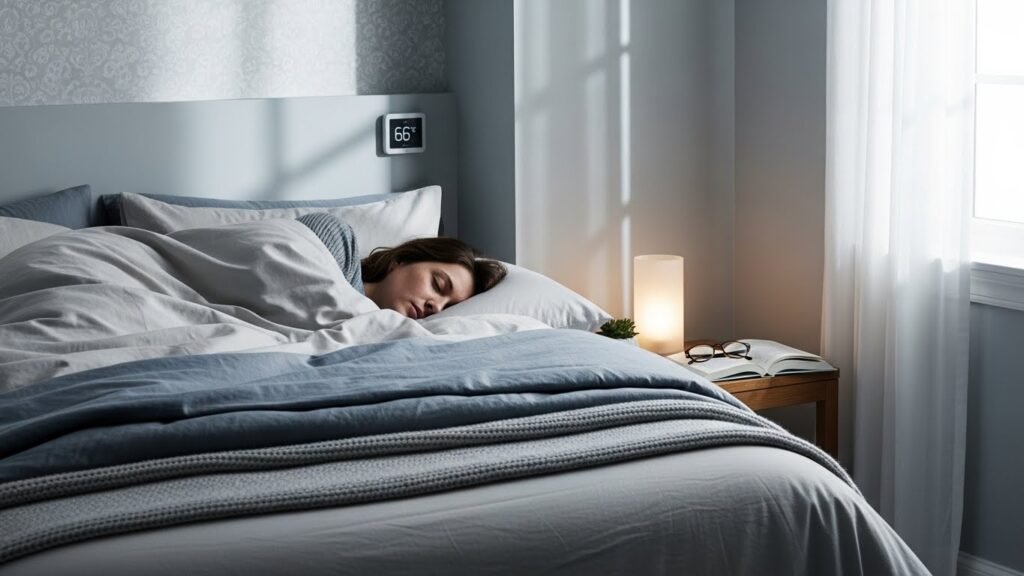
Sleep researchers and energy analysts converge on 65 to 67 degrees Fahrenheit for winter nights. Such settings support sleep quality and energy efficiency. Households new to lower temperatures often adapt within one week through bedding changes and consistent scheduling.
