
A growing number of men manage daily schedules across work, travel, fitness, and social settings. Pockets once handled keys and wallets. Phones, chargers, documents, and personal items now demand more space. A man bag addresses this shift through structure and intent. This article examines practical reasons behind adoption, with focus on function, efficiency, and long term value across common routines.
Practical Storage for Daily Carry
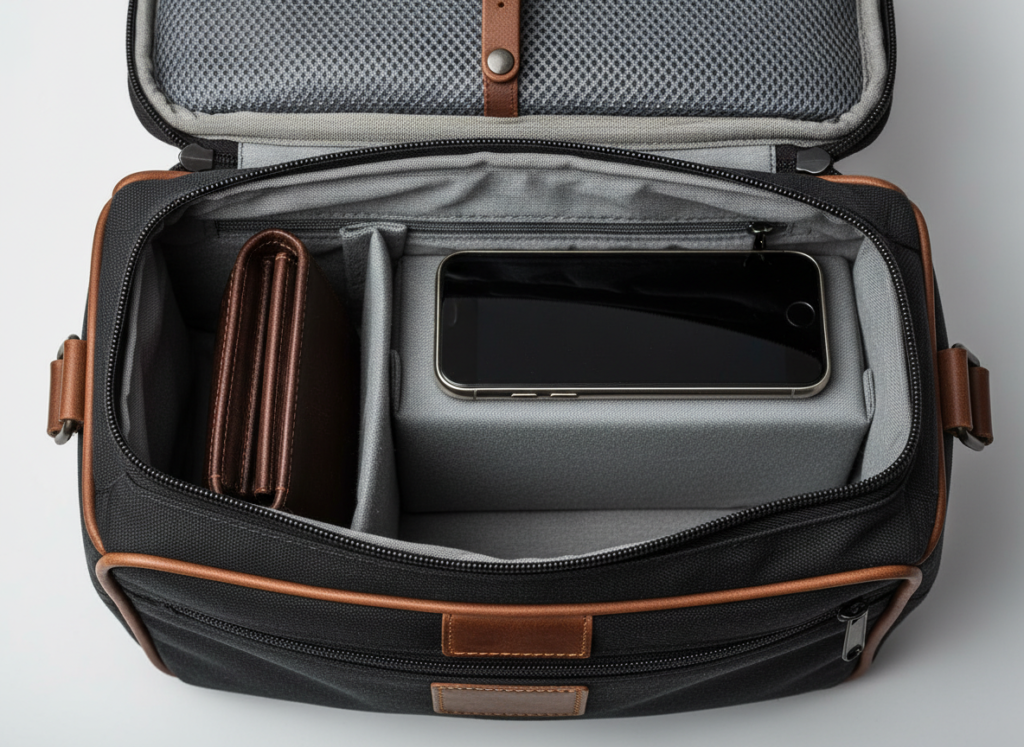
A man bag provides defined space for essentials such as phone, wallet, keys, charger, and documents. Separation reduces time spent searching. Organization lowers the risk of damage from friction or pressure. Daily carry becomes predictable. This structure supports consistency during commuting, meetings, or errands.
Improved Physical Comfort

Carrying weight across pockets alters posture and walking mechanics. A man bag transfers load to shoulder or torso areas designed for weight distribution. Reduced pocket strain supports comfort during extended movement. Over time, balanced carry decreases pressure on hips and lower back during long days.
Professional Appearance Control

Loose pockets distort clothing lines. A man bag preserves clean silhouettes across trousers and jackets. This control matters in professional settings where appearance signals attention to detail. Structured bags complement business casual or formal clothing without drawing focus away from attire.
Faster Access in Public Settings

Public environments reward efficiency. A man bag allows direct access without repeated pocket checks. Items remain visible and reachable. Faster retrieval supports smoother transactions at transport points, cafés, or offices. Reduced handling lowers the chance of dropping or misplacing valuables.
Protection for Valuables
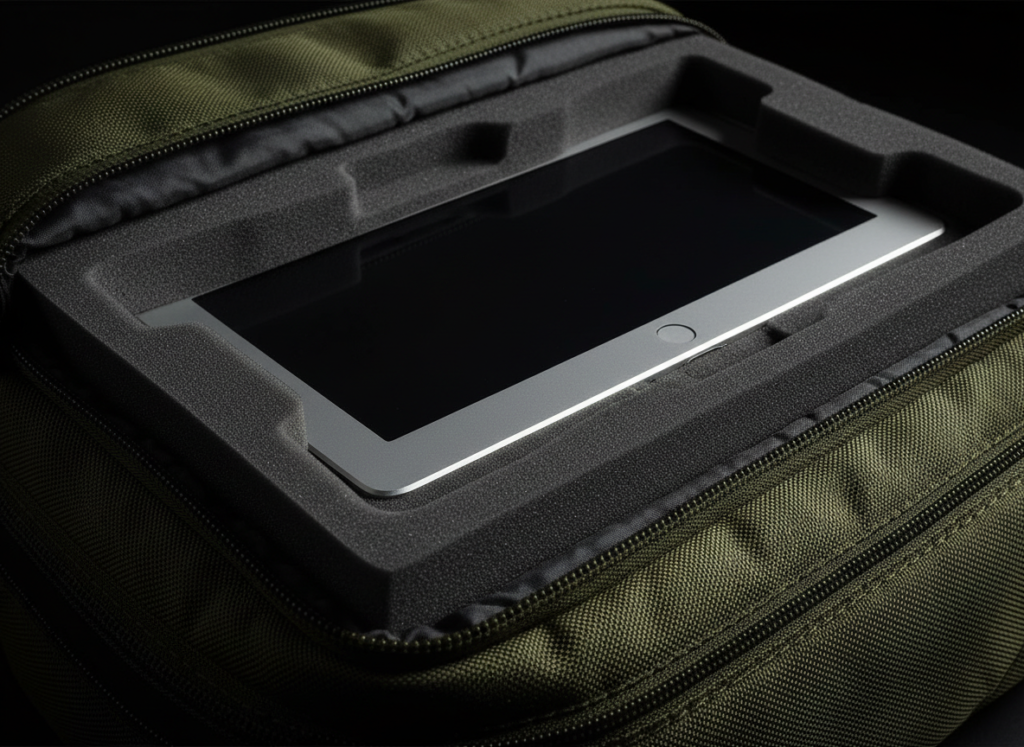
Phones and glasses face risk inside crowded pockets. A man bag offers padded compartments designed for electronics and fragile items. Protection extends device lifespan. Repair costs decline through reduced exposure to pressure, moisture, and impact during daily movement.
Adaptability Across Contexts
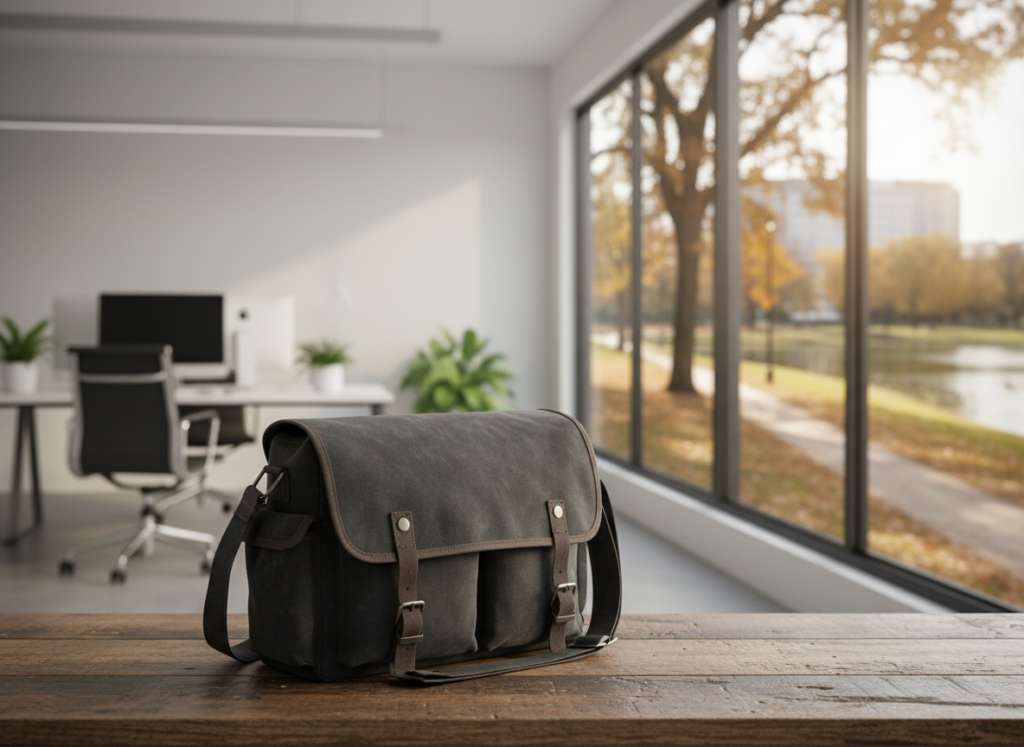
One bag functions across multiple settings. Workdays, travel, gym visits, and social outings share overlapping needs. A neutral design suits varied environments without change. This adaptability reduces reliance on multiple accessories while maintaining readiness for schedule shifts.
Support for Minimalism
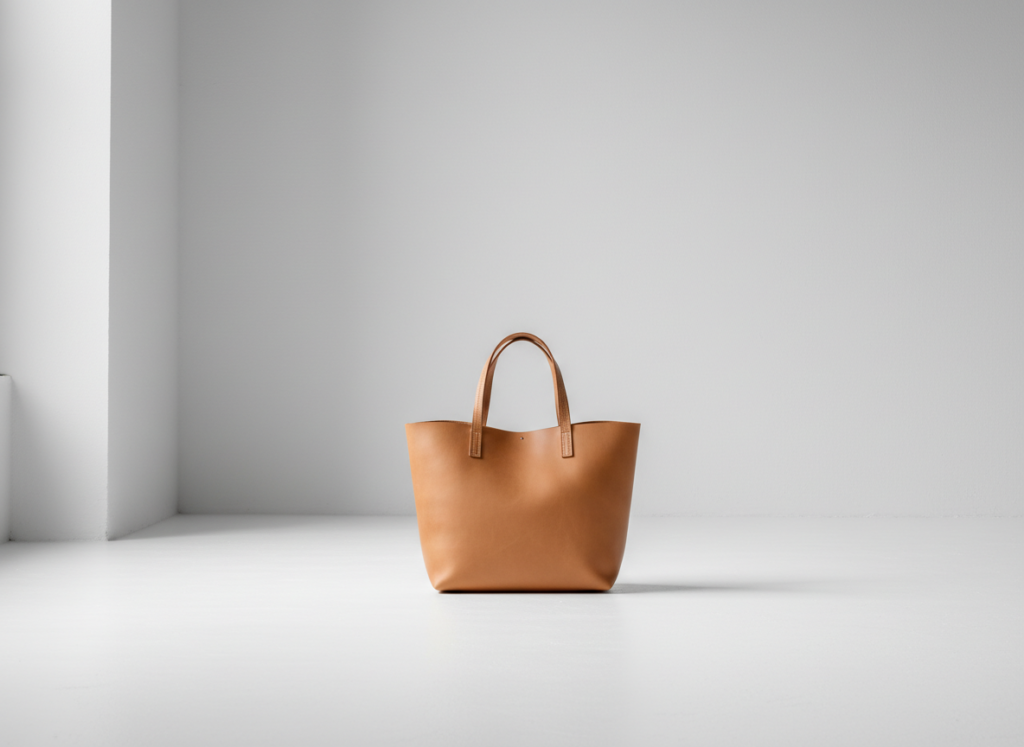
Minimalism depends on intentional carry rather than fewer possessions. A man bag enforces limits through fixed capacity. Only necessary items earn space. This discipline reduces clutter and decision fatigue. Daily routines gain clarity through consistent item selection.
Travel Efficiency

Travel demands secure and accessible storage. A man bag keeps documents, boarding passes, and devices in one location. Movement through airports or stations becomes smoother. Reduced pocket dependence improves comfort during long walks or standing periods.
Durability and Long Term Value

Quality man bags use durable materials such as leather or reinforced fabric. Construction supports repeated daily use. Longevity offsets upfront cost through extended service life. Fewer replacements translate into lower long term spending on accessories.
Cultural Shift in Menswear
Menswear increasingly values function alongside appearance. Designers integrate bags into standard male wardrobes. Public acceptance continues to rise across regions and age groups. Adoption reflects practicality rather than trend following, aligning with modern expectations of preparedness and efficiency.
