
The changes are short term and usually affect thinking, balance and perception in astronauts who come back after long trips into space. These effects have been reported by medical teams by scans and behavioral tests. Low-gravity life alters fluid and sensory signal processing by the brain. These changes represent changes, not harm. The continuous study is on knowing how to recover to have longer missions and prevent the crew performance following landing.
Fluid Redistribution Inside the Skull
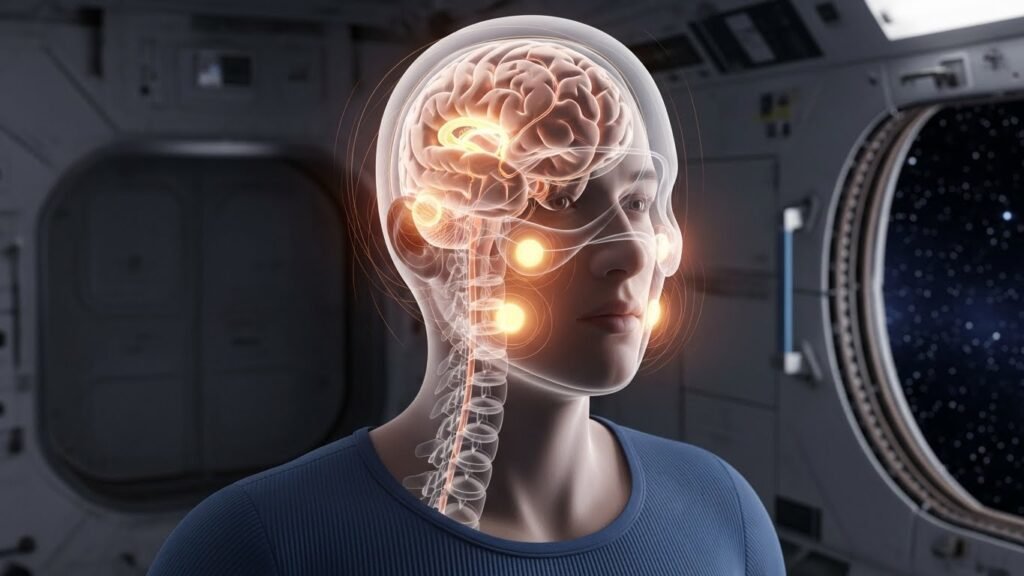
Microgravity changes the movement of fluids in the body. Shifts of blood and cerebrospinal fluid during flight are in the direction of the head. There are brain scans of additional pressure on brain tissues. Signal processing is affected by this pressure. The fluid flow is usually controlled by the earth gravity. Spaceflight eliminates this control and there is interim neurological stress upon reentry.
Structural Brain Adjustments
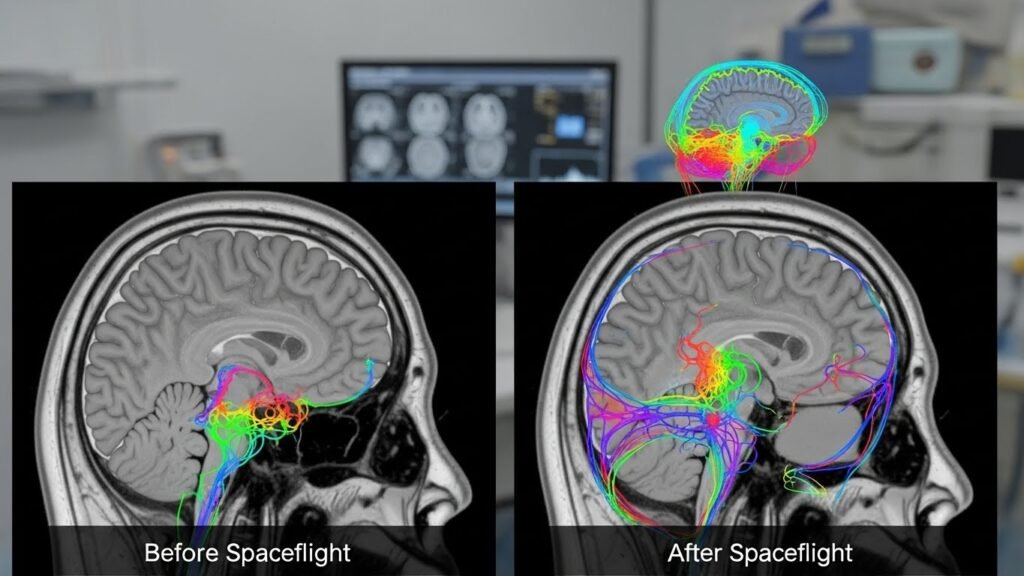
Post mission imaging reveals subtle changes in brain position. The brain moves slightly upward within the skull during spaceflight. Fluid filled spaces expand during long missions. Research links these changes to time spent in orbit. Most structural adjustments gradually reverse after weeks back on Earth under normal gravity.
Balance System Disruption
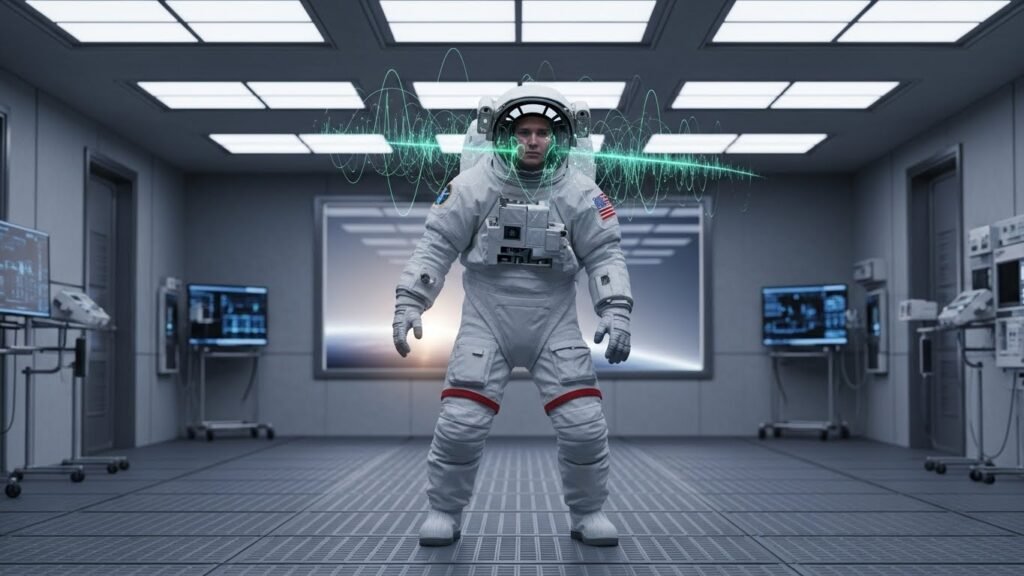
The vestibular system relies on gravity cues. Space removes these cues, forcing the brain to adapt. After landing, astronauts experience instability while standing or walking. Movements feel unfamiliar. Rehabilitation exercises retrain balance pathways. Recovery usually progresses over several days as gravity based signals regain priority.
Vision and Depth Perception Shifts
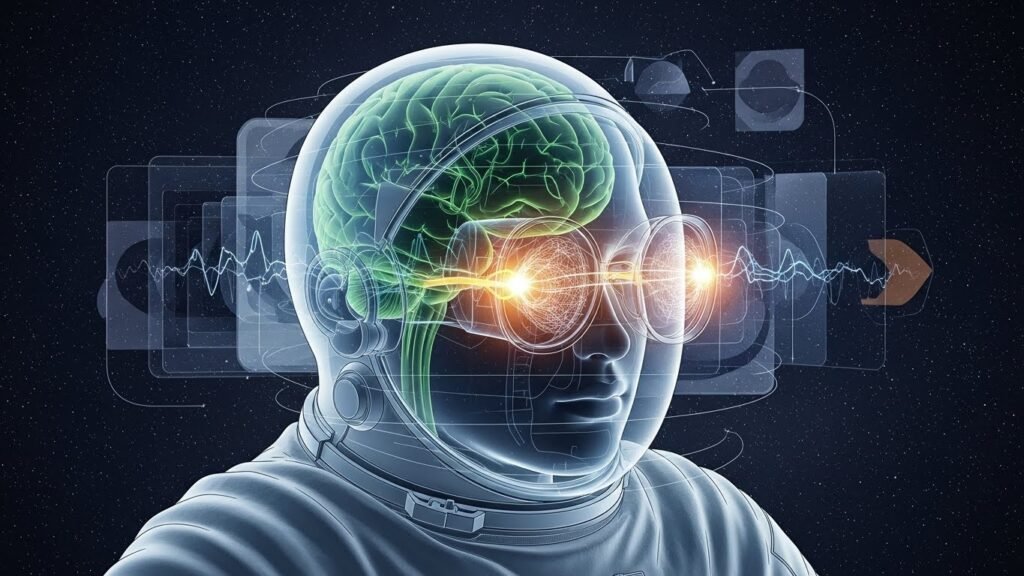
There are reports of changed vision by some astronauts after returning. The optic nerve pressure increases impairing the visual clarity. The areas of the brain that are involved in depth judgment also evolve when one is on a flight. The effects are stronger in longer missions. Gradual improvement is indicated by clinical follow ups which establish normal fluid pressure and visual pathways readjust.
Cognitive Processing Changes

Reaction speed and task switching often slow after landing. Sensory overload and disrupted sleep contribute to these effects. Brain networks optimized for space conditions require time to readjust. Structured schedules and reduced workload support recovery. Performance levels usually stabilize within the first week.
Influence of Mission Length
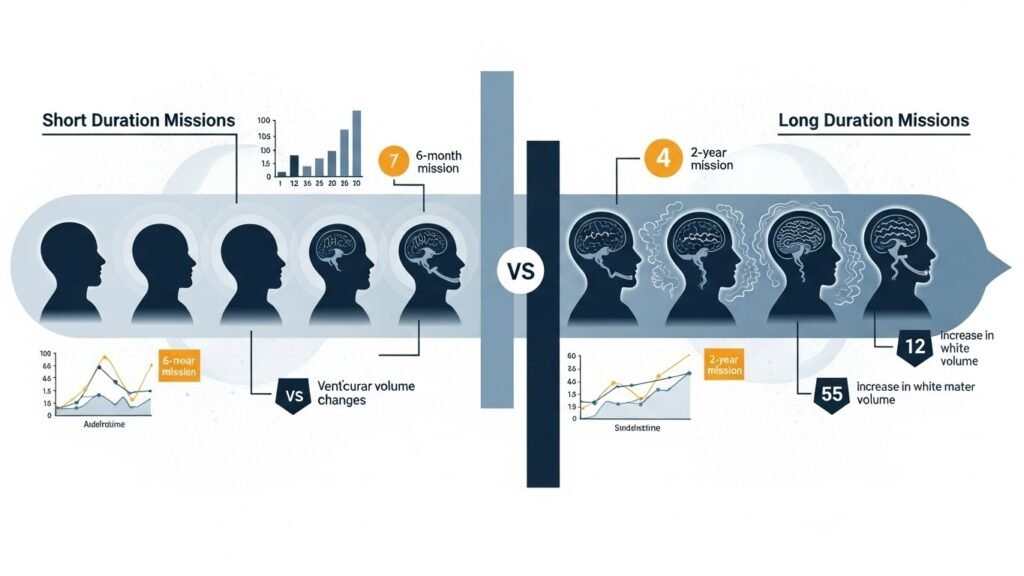
Duration strongly affects neurological response. Short missions produce mild symptoms. Six month or longer missions show greater brain fluid shifts. Data from extended stays help refine safety guidelines. Planned deep space travel increases focus on long duration neurological adaptation.
Variation Between Individuals
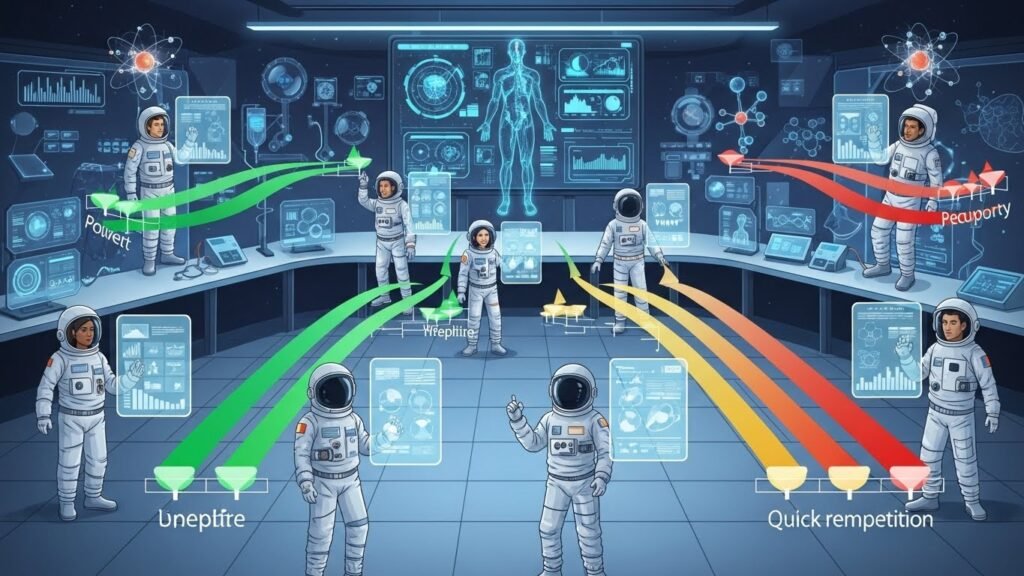
Responses differ across crew members. Physical conditioning, prior mission experience, and age influence outcomes. Some astronauts recover faster. Personalized assessments guide targeted recovery plans. This approach reduces uncertainty and improves long term health monitoring across astronaut populations.
Monitoring Methods Used by Agencies
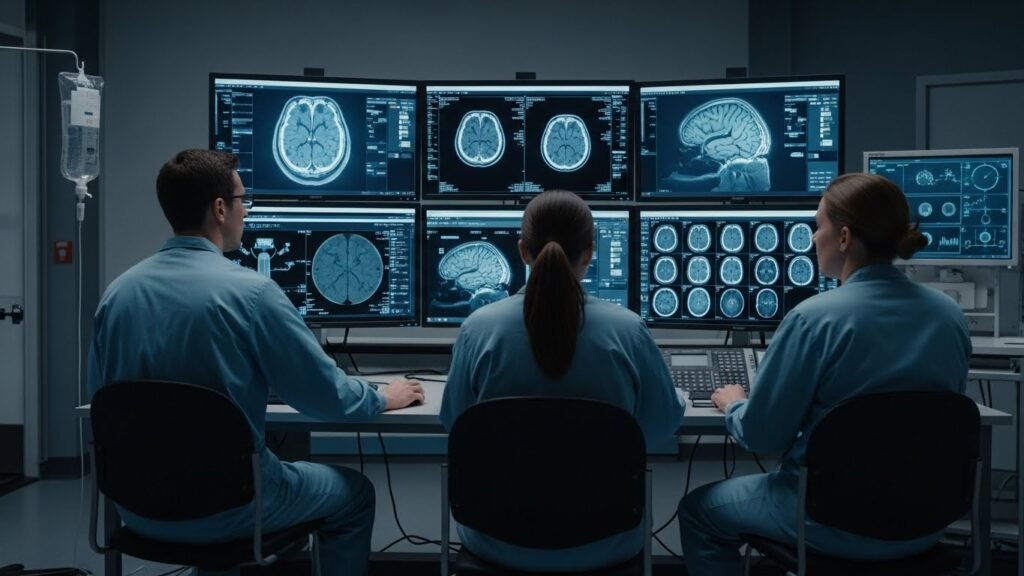
Medical teams use magnetic resonance imaging before and after missions. Cognitive tests measure attention, memory, and coordination. Balance assessments track vestibular recovery. Combined data builds reliable models. These models assist mission planning and post flight care decisions.
Countermeasures During Flight
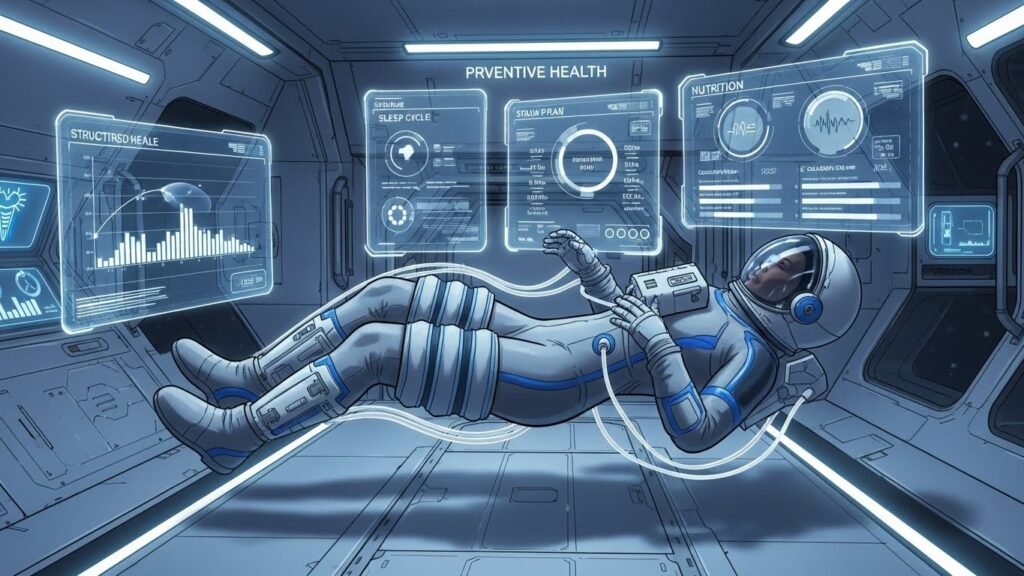
Exercise routines help manage fluid distribution. Specialized equipment draws fluids toward the lower body. Strict sleep schedules support brain regulation. Nutrition protocols maintain vascular stability. These measures reduce severity of post return symptoms and shorten recovery periods.
Relevance for Future Exploration

Upcoming missions involve immediate surface operations after landing. Neurological readiness becomes critical. Research on brain adaptation informs spacecraft design and training programs. Improved countermeasures support safe exploration. This knowledge strengthens preparation for sustained human activity beyond Earth.
