
When there is a snow, there are various textures. There is light and airy snowfall, and dense and wet snowfall. Such variations are as a result of temperature, moisture and air flow during formation. The structure of the snow is examined by scientists to know the weather patterns, water supply, and the risk of avalanches. The snow happens to be fluffy when the atmosphere is of a certain condition. The conditions influence the growth of crystals, their spacing and weight, prior to the snow falling to the ground.
Temperature and Ice Crystal Growth
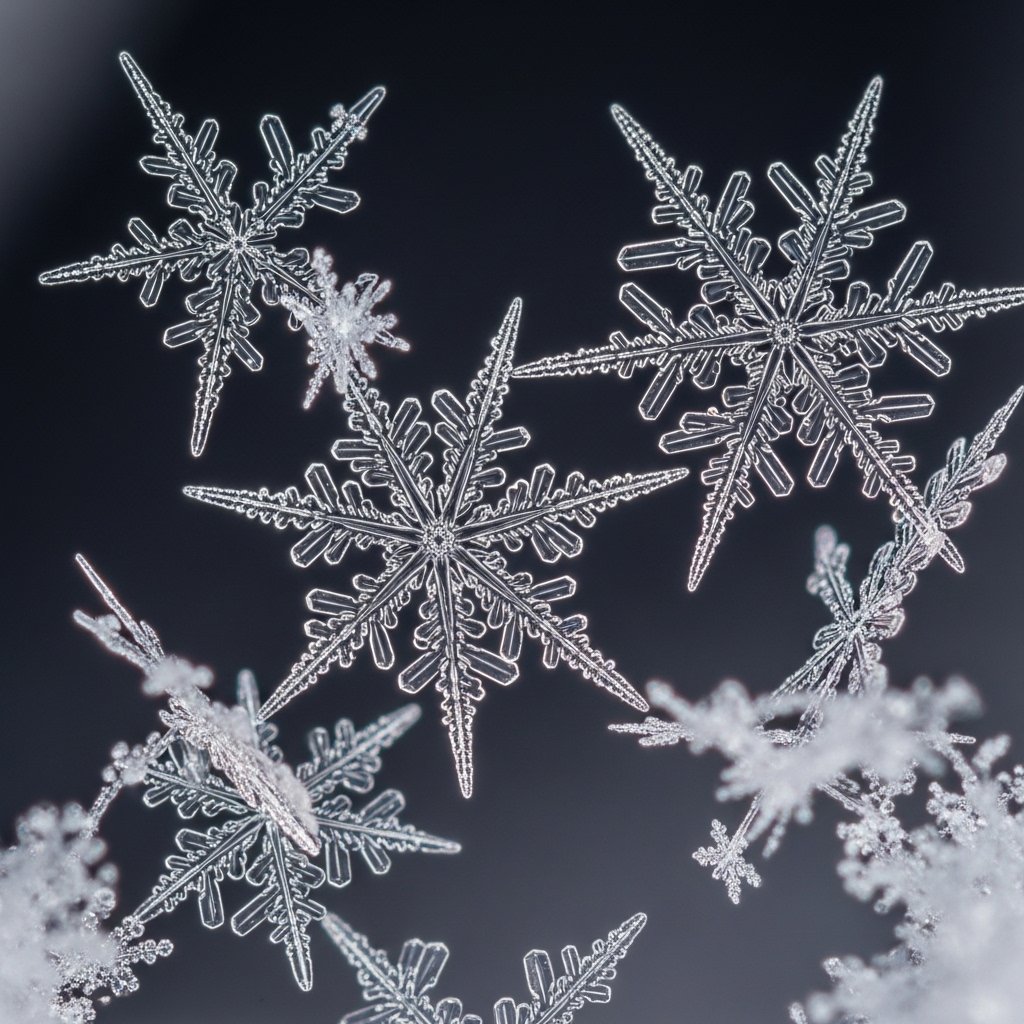
Slow crystal growth is facilitated by cold air. When the growth is slower, then the hexagonal ice structures are formed with clean edges. The best crystals are branched at temperatures under minus 12 to under 18 degrees Celsius. Arms are caught between branched crystals. Mass is low but volume is increased by trapped air.
Humidity Levels in Clouds

Cloud moisture regulates shape of the crystal. Complex branching is favored by high humidity. The even distribution of water vapor on crystal surfaces occurs in stable conditions. Even deposition gives rise to symmetrical growth. Symmetry enhances the surface area, and this enhances the retention of air. Increased air content causes the snow on the ground to be soft.
Role of Vertical Air Motion

Gentle upward air movement supports fluffy snow. Strong turbulence breaks forming crystals. Weak uplift keeps crystals intact during growth. Stable air motion reduces collisions between crystals. Fewer collisions preserve fine branches. Preserved branches increase fluffiness after snowfall accumulation.
Snowfall Speed and Density
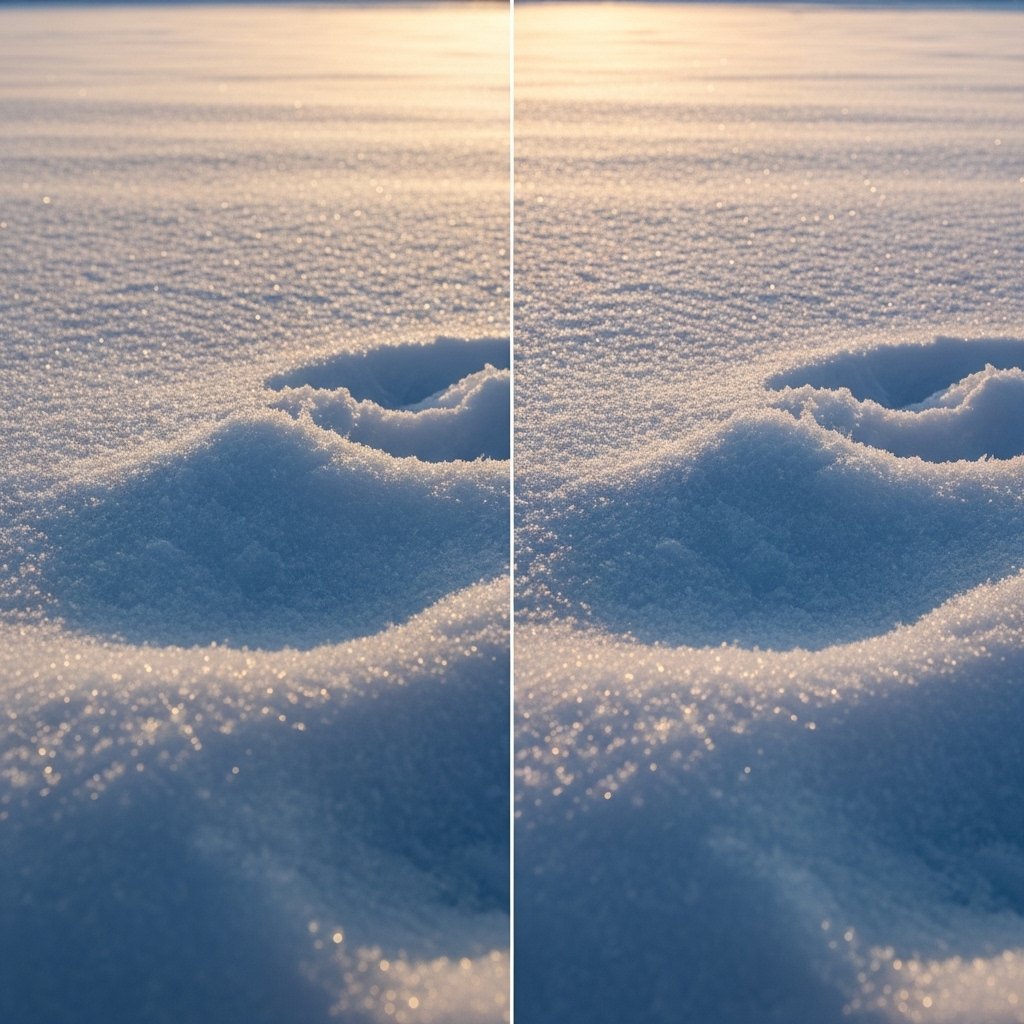
Slow falling snow retains structure. Faster descent increases compaction before ground contact. Air resistance slows large branched crystals. Slower descent reduces pressure forces. Reduced pressure maintains spacing between branches. Maintained spacing supports light and compressible snow layers.
Surface Temperature Effects

Cold ground temperatures prevent melting. Melting causes refreezing, which increases density. Dry ground keeps crystals separate. Separate crystals stack loosely. Loose stacking forms deeper snowpack with low weight per volume. Low density snow feels soft underfoot.
Crystal Collision Rates
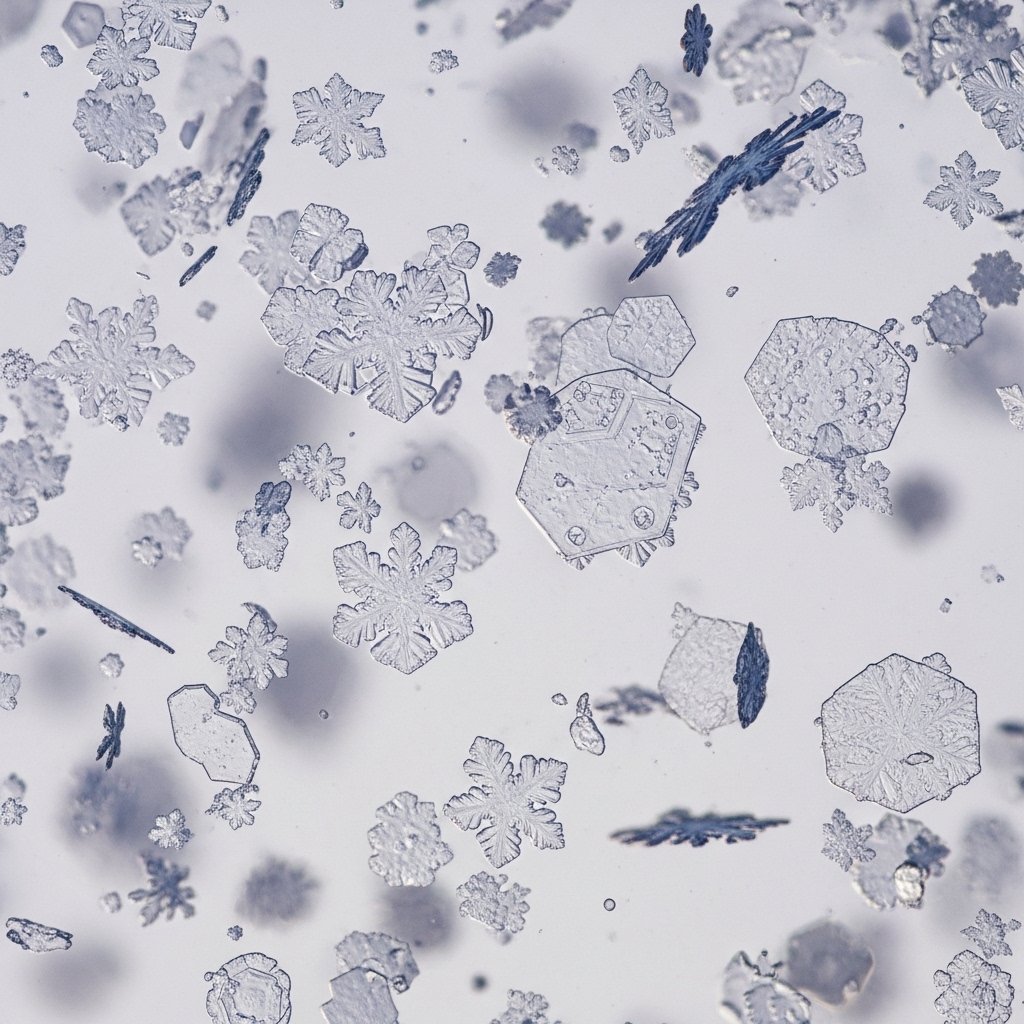
Low collision rates preserve shape. High collision rates break arms and fill air gaps. Cloud regions with low particle concentration support fewer impacts. Fewer impacts maintain open structures. Open structures trap air pockets. Air pockets reduce overall snow density.
Influence of Atmospheric Pressure
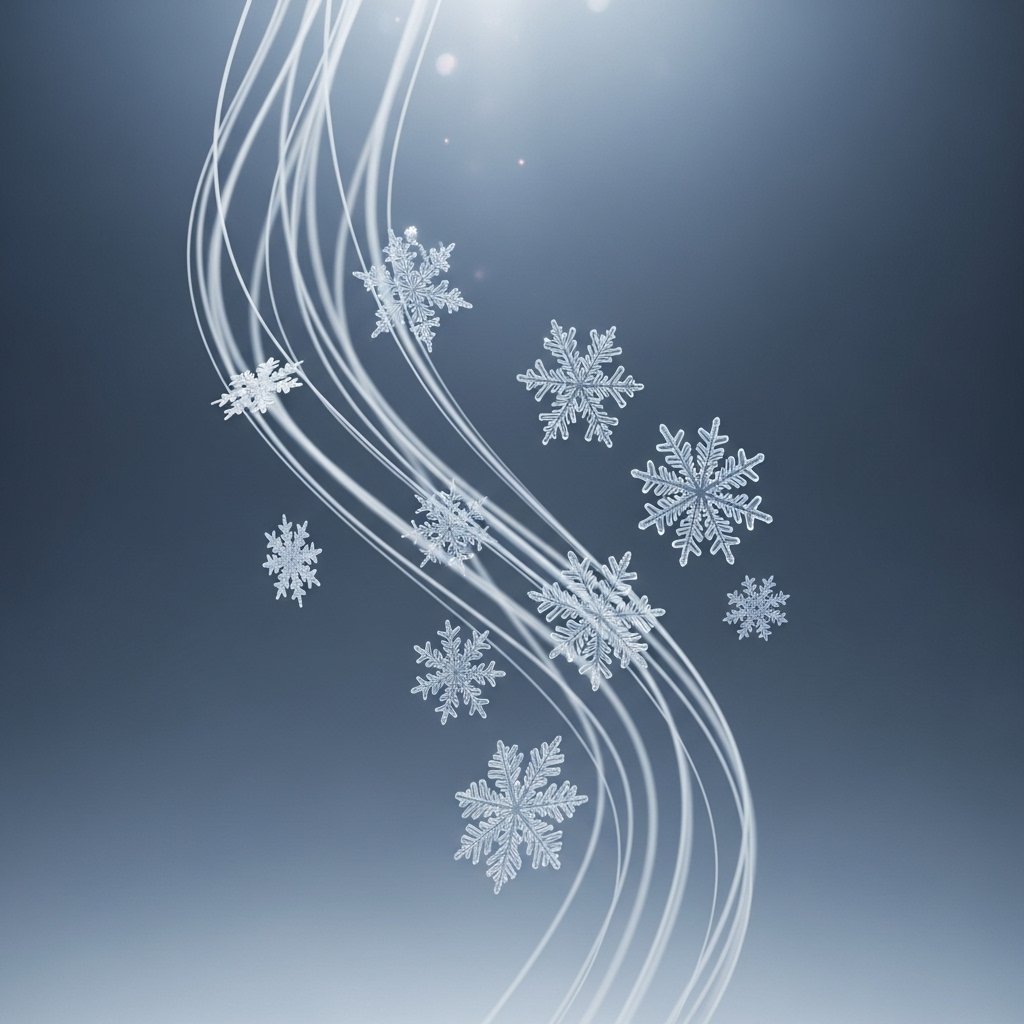
Lower pressure supports expanded crystal growth. Reduced pressure slows vapor diffusion. Slower diffusion promotes branching. Branching increases crystal complexity. Increased complexity supports fluff formation during accumulation. Pressure differences explain regional snowfall texture variations.
Altitude and Snow Texture
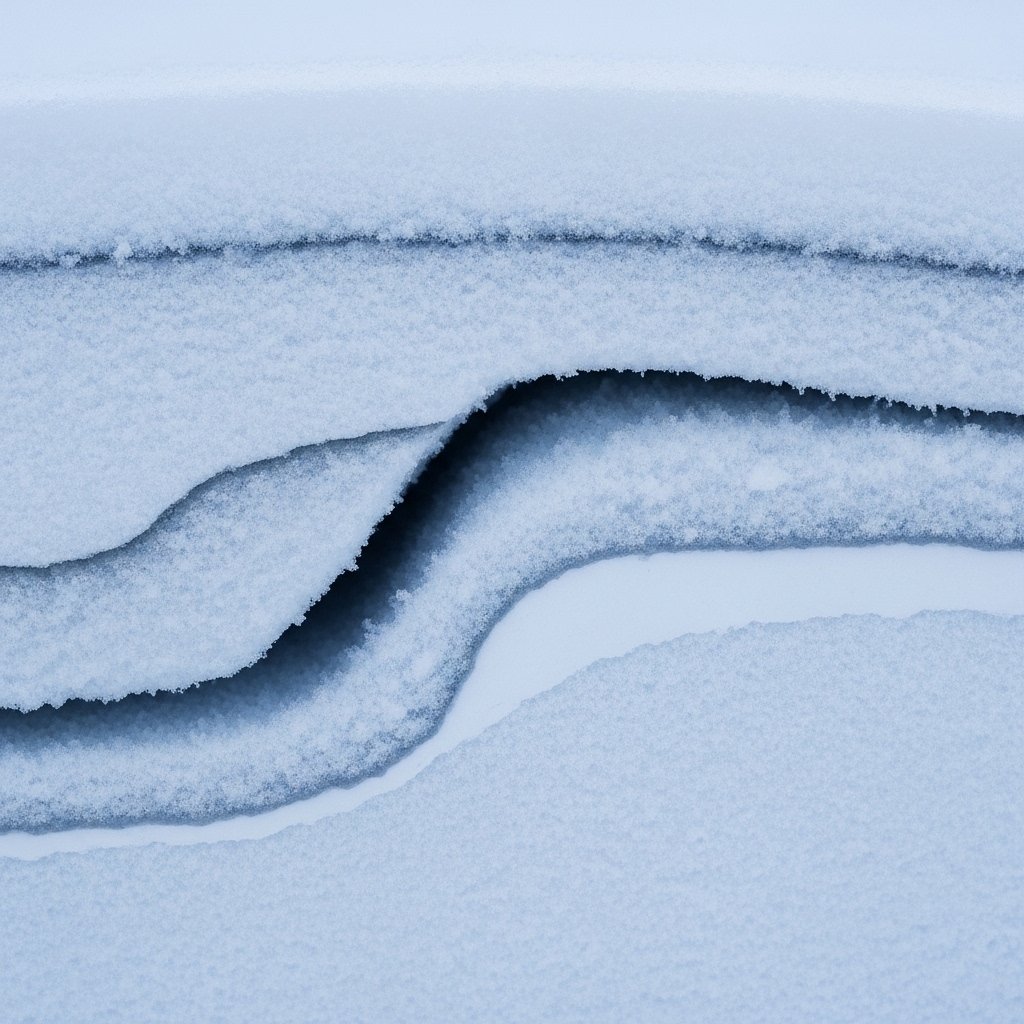
Higher elevations support colder air. Colder air slows crystal growth speed. Slower speed improves structural detail. Detailed structures retain air during descent. Retained air leads to lighter snow layers. Mountain regions often receive lower density snowfall.
Fresh Snow Versus Settled Snow
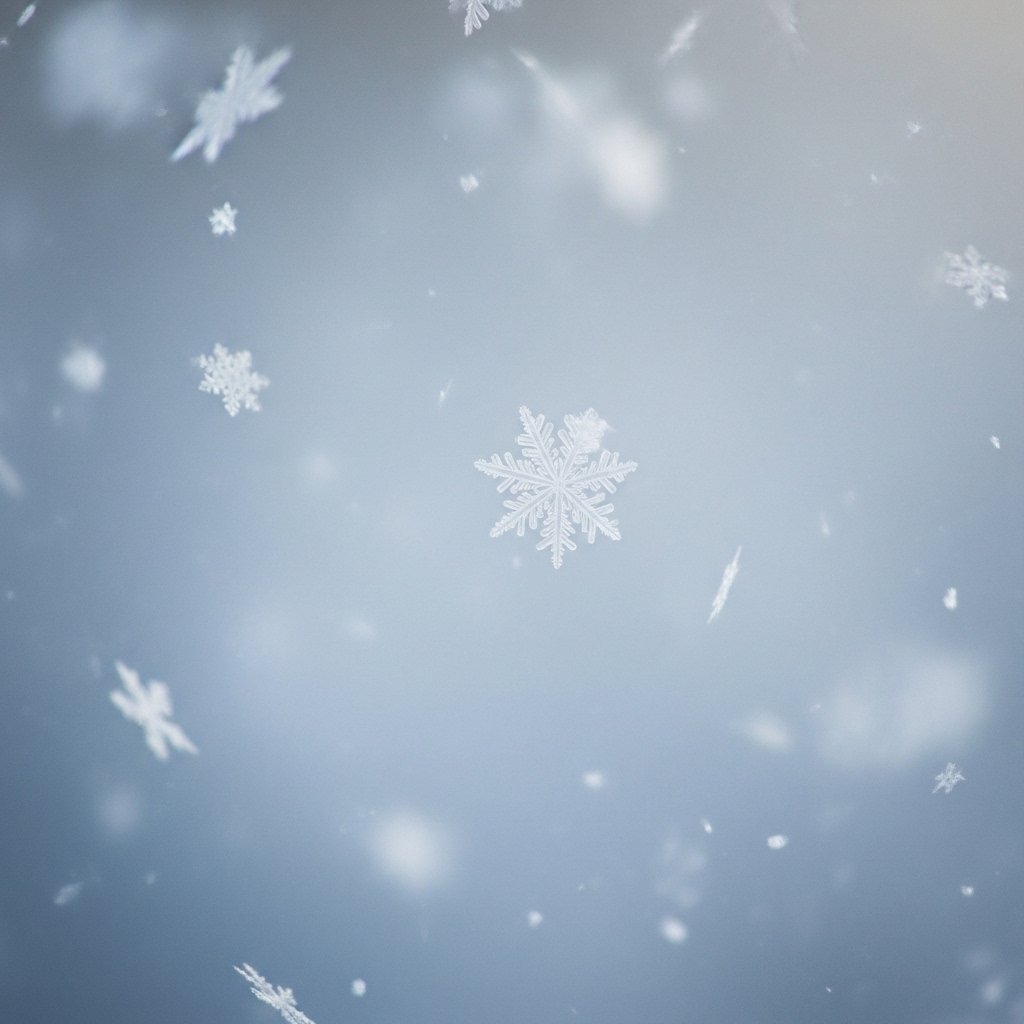
Fresh snow holds maximum air content. Settling compresses layers over time. Compression reduces air gaps. Reduced gaps increase hardness. Early interaction preserves fluffiness. Walking or wind reduces softness through mechanical compression.
Why Fluffy Snow Matters

Low density snow affects insulation. Air pockets slow heat transfer. Snow cover protects soil and vegetation during winter. Hydrologists track snow density for water forecasts. Avalanche risk assessment relies on layer density differences.
