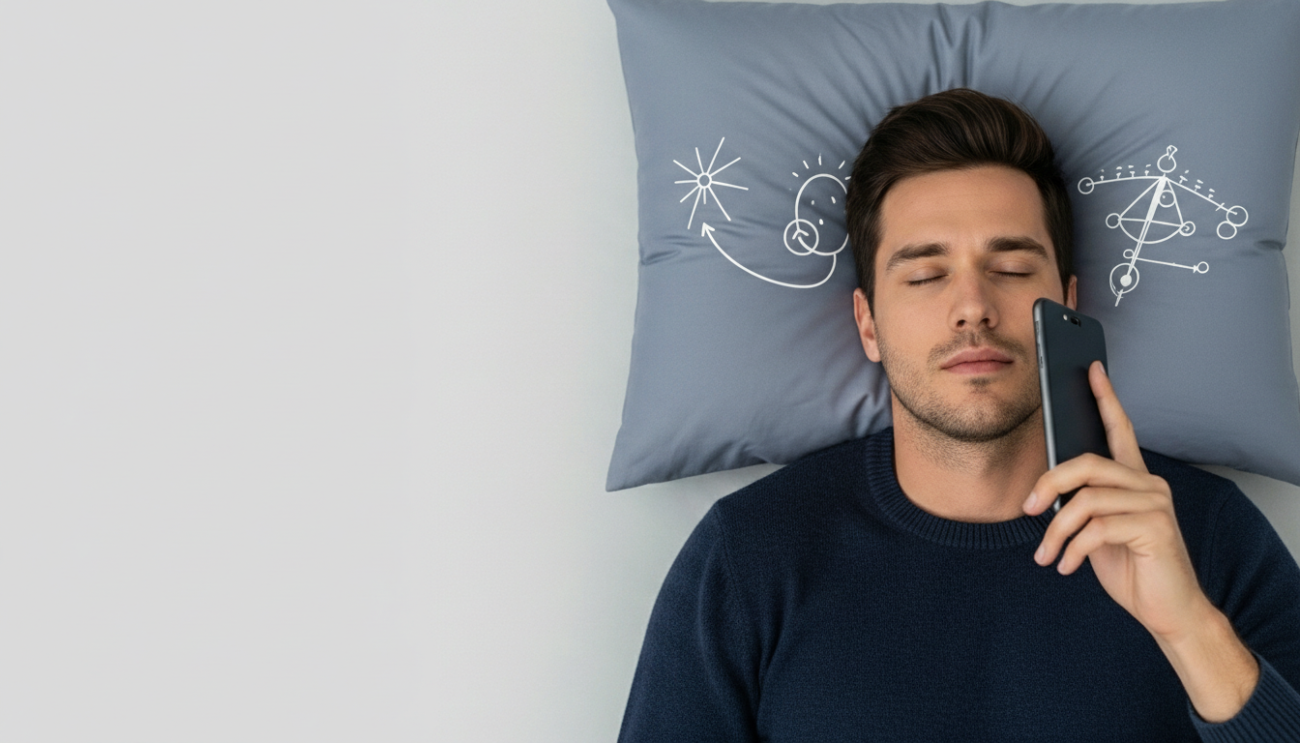
Sleep plays a direct role in physical health, mental focus, and daily stability. Research from sleep laboratories shows consistent links between rest duration and decision accuracy, emotional balance, and metabolic control. Adults who maintain stable sleep schedules show fewer errors at work and stronger immune responses. Sleep functions as a biological reset process rather than passive downtime, influencing performance across personal and professional routines.
Sleep and Brain Recovery
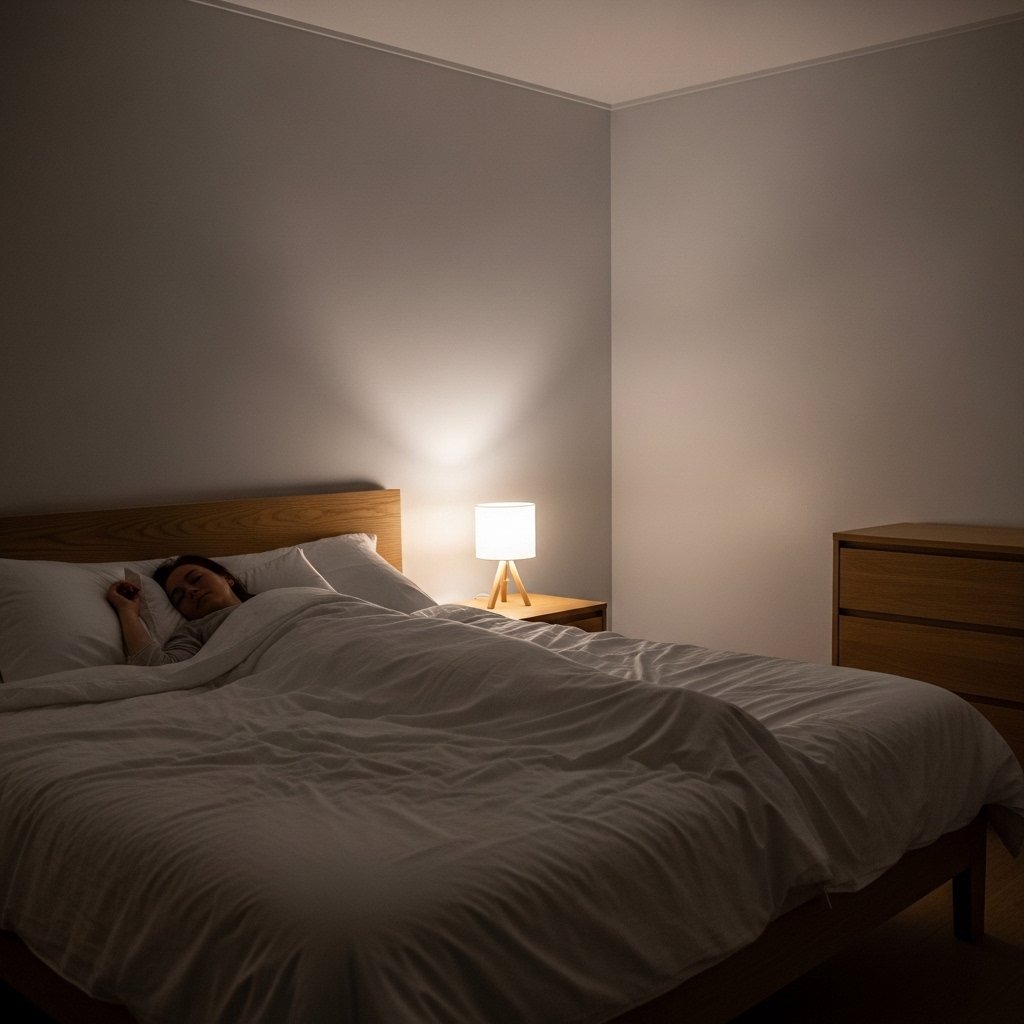
During sleep, brain cells reduce external input and focus on repair tasks. Memory sorting occurs through neural replay, which strengthens learning outcomes. Studies using EEG tracking show deeper sleep stages align with stronger recall scores. Regular sleep supports attention control and lowers cognitive fatigue during extended tasks.
Sleep Duration and Physical Health

Large population studies associate shorter sleep periods with higher rates of metabolic disorders. Hormone regulation during rest affects appetite signals and insulin sensitivity. Adults sleeping seven to eight hours show more stable body weight patterns. Consistent rest supports cardiovascular rhythm stability and daytime energy balance.
Sleep Quality Versus Sleep Quantity

Hours alone do not define healthy sleep. Fragmented rest disrupts deep sleep cycles, reducing recovery value. Environmental noise, screen exposure, and irregular schedules lower sleep efficiency. Data from wearable trackers shows uninterrupted sleep correlates with higher morning alertness and faster reaction times.
Sleep and Emotional Regulation

Emotional processing depends on sleep driven brain chemistry. Limited rest increases emotional reactivity and reduces impulse control. Functional MRI scans show higher amygdala activity following poor sleep. Stable rest patterns support calmer responses during stress and improve interpersonal decision making.
Sleep Impact on Productivity

Workplace studies link sleep quality with output accuracy and task completion speed. Employees reporting adequate rest commit fewer errors and complete tasks faster. Shift workers with rotating schedules show lower performance consistency. Stable sleep timing supports sustained concentration across long work periods.
Sleep and Immune Function

Sleep supports immune signaling through cytokine regulation. Reduced rest weakens response to common infections. Clinical trials show vaccinated adults with sufficient sleep develop stronger antibody responses. Regular sleep supports recovery speed during illness and reduces absenteeism.
Sleep Timing and Circadian Rhythm

Circadian rhythm aligns hormone release with light exposure. Irregular sleep timing disrupts melatonin patterns. Research shows late night schedules associate with lower daytime alertness. Consistent bedtimes reinforce internal clocks and improve sleep onset efficiency.
Sleep Environment Optimization

Bedroom temperature, lighting, and noise levels influence sleep depth. Cooler environments support deeper sleep stages. Light exposure before bedtime delays sleep onset. Sleep researchers recommend dark, quiet rooms with limited device use to support faster sleep initiation.
Sleep Tracking and Behavioral Adjustment

Wearable sleep trackers provide data on duration and interruptions. Behavioral changes based on sleep logs improve rest consistency. Adjustments include earlier bedtimes and reduced evening stimulation. Data driven sleep habits support long term health planning.
