
Fitness experts have established that gain is achieved when the person is sweating in a gym, but there is a subsequent event that creates micro trauma within muscle fibers and then upsets the central nervous system. Then the magic happens outside the gym during recovery and the time spent recovering for gaining strength and fitness. If recovery is not complete, the destructive mode remains, rebuffing any chances of gain.
Muscle Growth Happens During Rest

You are not developing muscle as you lift because you are basically inflicting microscopic damage. During rest, the body engages in protein synthesis to restore fibers. Upon healing, the muscle becomes thicker and stronger than before. Recovery takes time so you will not allow your system to carry on with the healing.
Saves You from Overtraining Syndrome

Overtraining because you keep grinding through a program and end up having no recovery will cause you overtraining. Overtraining is not only about fatigue, but also includes decreased performance and mood, as well as lack of sleep. Having some recovery time once in a while isolates you from an overload to keep you going in the long run.
Replenishment of Energy Storage

Your stored carbohydrates, called glycogen, go down with every serious training session. Recovery thus refers to filling up that tank again with fuel. Sink back into training after an empty tank, and you are really just dragging your feet through the motions while running on zero energy; start to compromise form and drop intensity, and forget it for there to be any ounce of results.
Makes Your Bones and Tendons Stronger
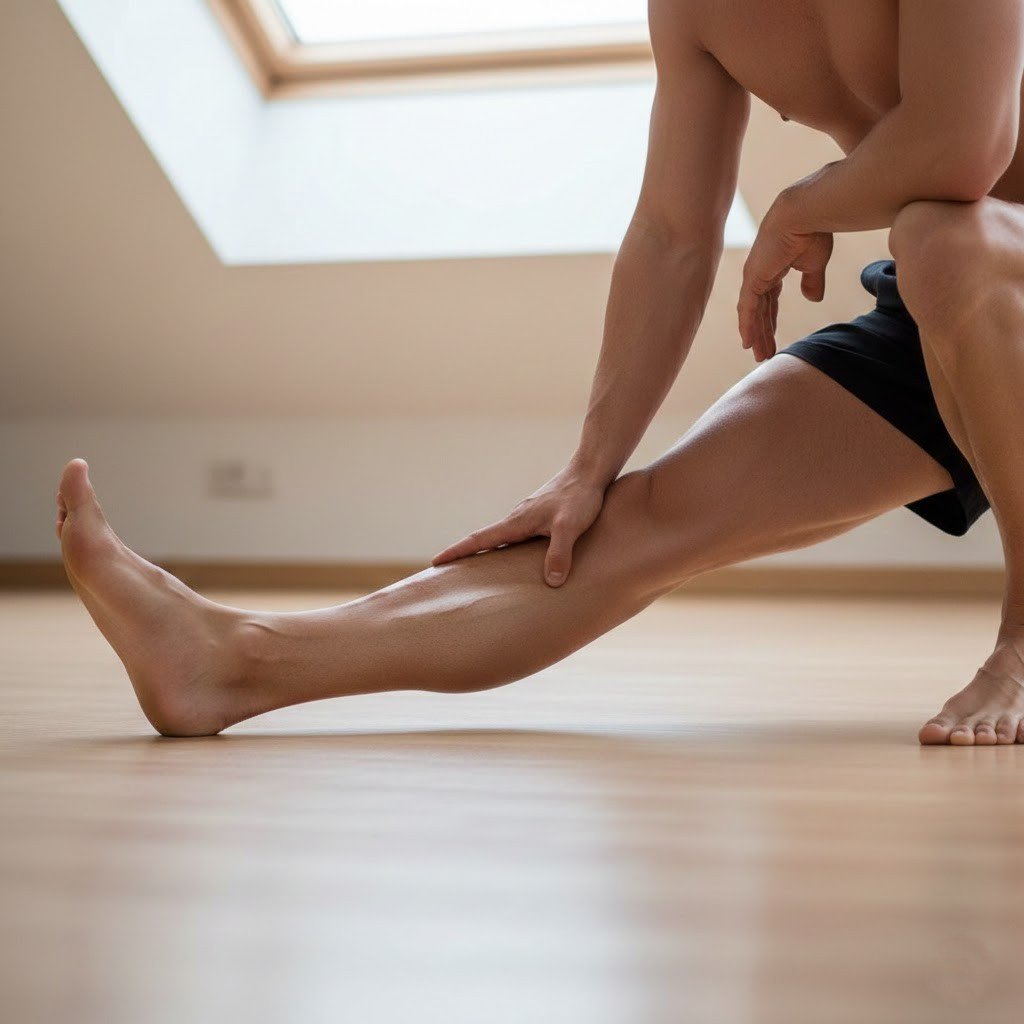
The muscles adapt quite quickly to the stress while the bones, tendons, and ligaments take a much longer time. Subjecting these tissues to high-stress loading repeatedly without adequate rest puts you at risk of stress fractures or tendonitis because, over these recovery days, these tissues slow to adapt, become changing and stronger, so there is chronic injury development.
Refreshing for the Mind

Fitness is as much a physical contest as it is a mental game. The constant attack by the body with high- intensity training eventually leads to burnout of the mind or “gym fatigue”. Taking a day off or some minor “active recovery,” such as a nice walk, cleans the mind. Upon re-engagement with the grind at the gym, refocused, recharged ideals hit.
Hormonal Balancing

High-intensity exercises trigger cortisol production-the main stress hormone of our body. This is acceptable in-their exercise; but while an elevated cortisol level wastes muscle and stores fat (mainly in the abdomen), proper rest helps low cortisol levels and spike growth hormone levels, leading to many metabolically healthy fat-burning states.
Improved Sleep Quality

Overtraining shoots cortisol extremely high, which prevents sleep. Tons of under-training does not turn off an overcooked CNS from allowing restorative sleep. Ironic, but true: One day off will tip the scales toward better sleep, which in turn means better recovery.
Enhanced Training Performance

This much is agreed upon: the rested athlete will run rings around his tired counterpart. It will be possible to have an improved quality of every single minute spent in the gym. In this way, uplifting, running faster, and improving technical skill, will all be fast paced towards results through recovery, abandoning the effort of grinding it out in fatigue.
Low Inflammation

Inflammation in the body comes from overtraining. Some inflammation will help with repairs, but sustaining this inflammation creates so much pain in joints and lower functioning of immunity. Active rest paired with proper hydration and nutrition optimally positions the body to dissipate metabolic wastes and control inflammation.
