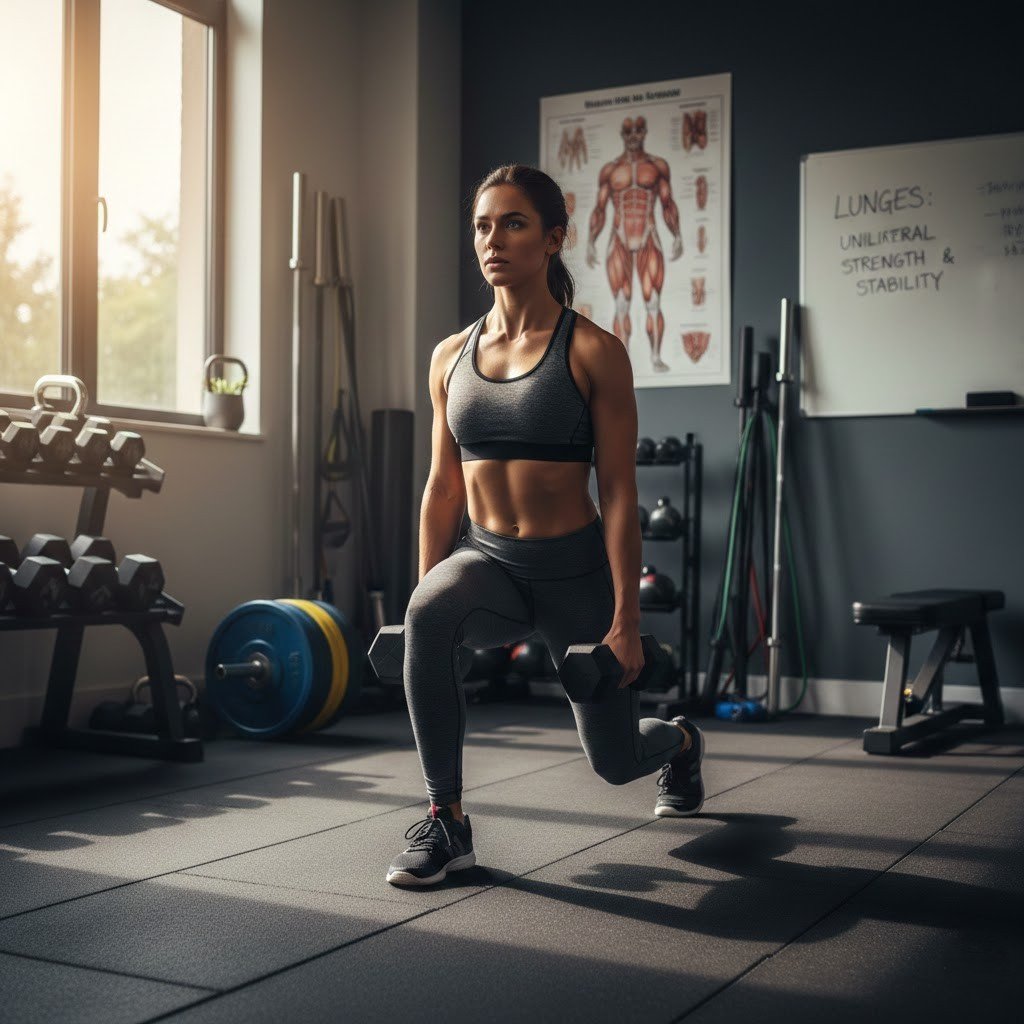
Squats are the most popular lower body exercises, but the benefit of lunges is that they have different mechanical and functional benefits. Lunge loads the muscles and the movements of a leg at a time and makes the musculature demand more and be more of a control. Sports biomechanical studies indicate that unilateral exercises increase stabilizers and balance requirements. In athletes and in general trainees, lunges can help in strength gain, as well as lessening the pattern of uneven loading frequently observed with bilateral lifts.
Greater Single Leg Strength Development
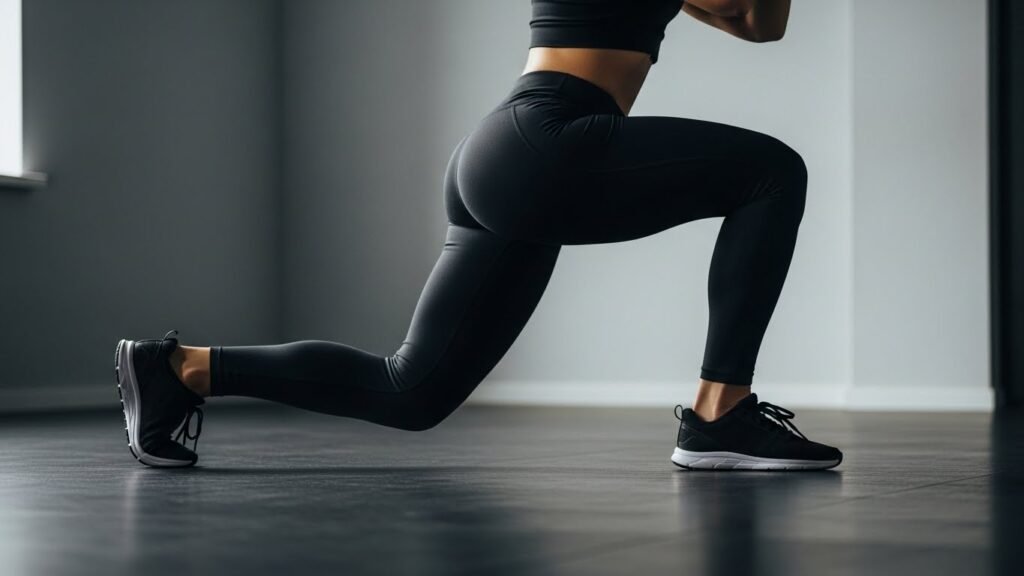
Each repetition of a lunge puts the entire weight of the body on a single leg. The structure increases the output of force per leg in comparison to squats in which the load is distributed on either side. The research has found greater activation of the gluteus medius and the quadriceps in unilateral training. Next-level single leg performance is indicative of running, climbing, and directional movement.
Improved Balance and Coordination
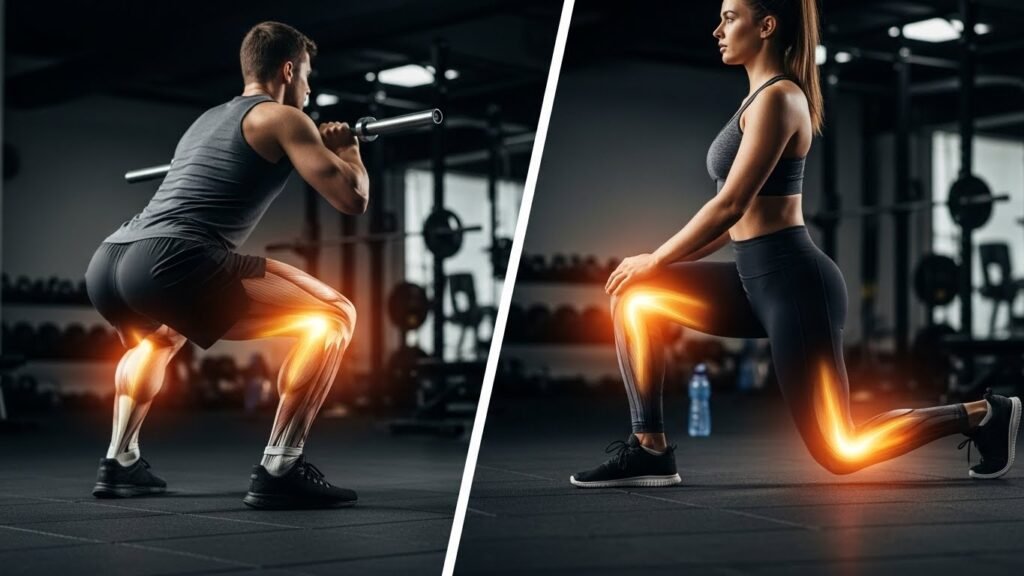
Each lunge repetition challenges balance through forward or backward motion. The nervous system coordinates hip, knee, and ankle alignment under load. Balance testing research links unilateral training with measurable stability gains. Squats involve limited balance demand due to fixed stance and symmetrical loading.
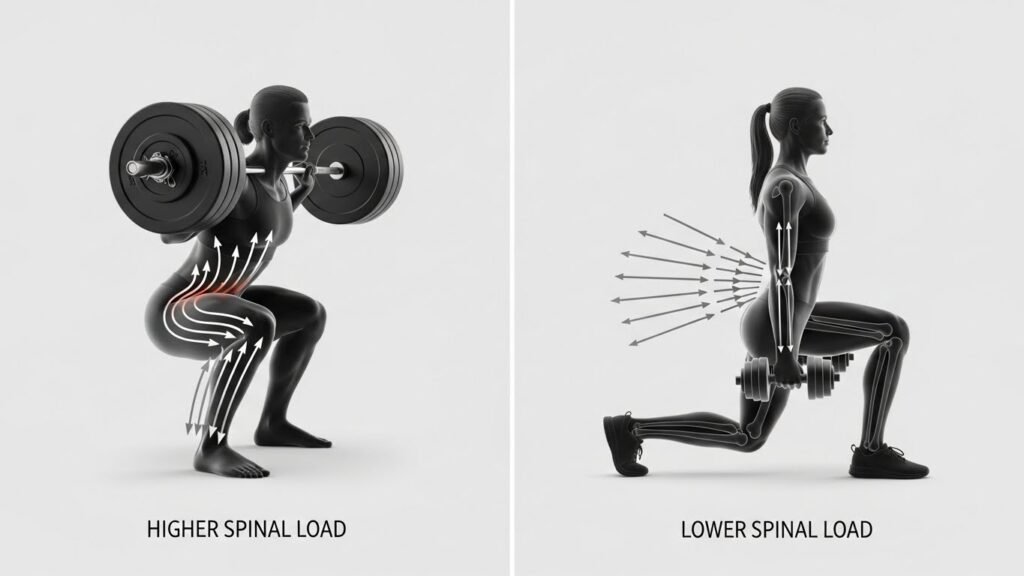
Reduced Spinal Compression Load
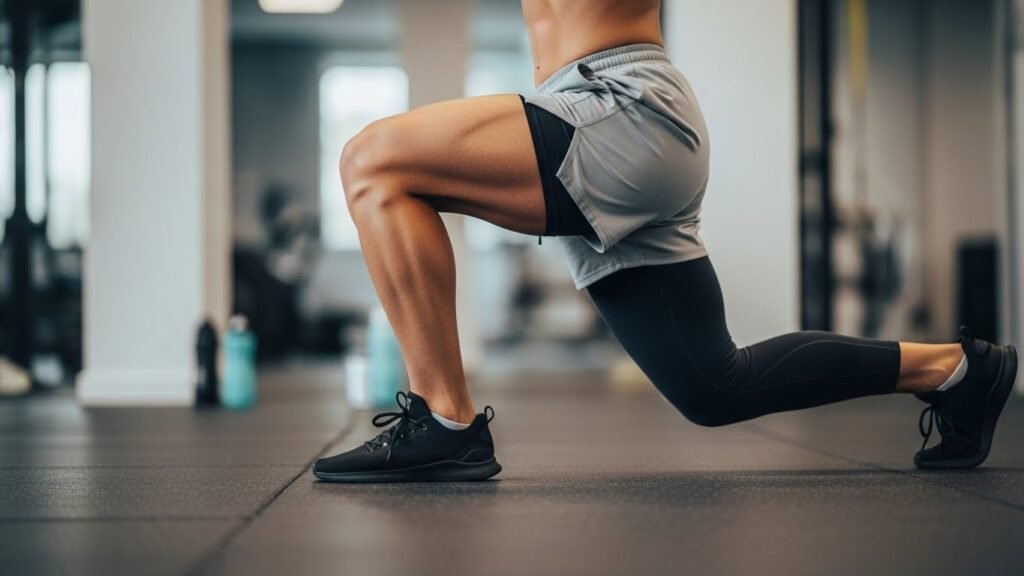
Lunges typically use lighter external resistance than squats. Lower axial load results in reduced compressive stress on the spine. Biomechanical analysis confirms forward lunges shift force toward the hips and legs rather than the lumbar region. This structure supports strength work with lower spinal fatigue.
Enhanced Muscle Symmetry
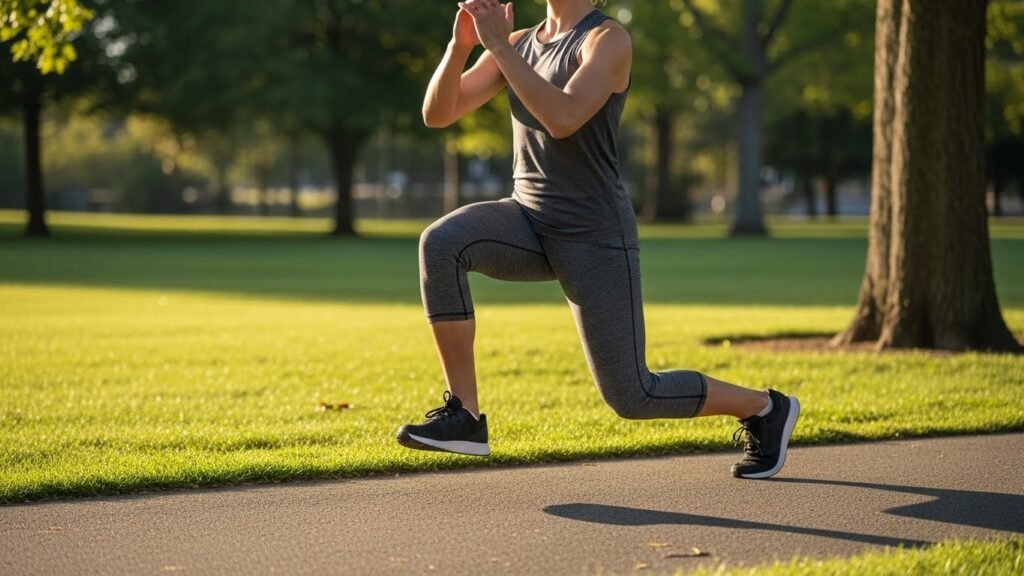
Muscle imbalances often develop when one leg dominates bilateral lifts. Lunges expose side to side strength gaps during each set. Strength coaches use unilateral work to correct asymmetry. Balanced leg output supports joint alignment and long term movement efficiency.
Higher Functional Carryover
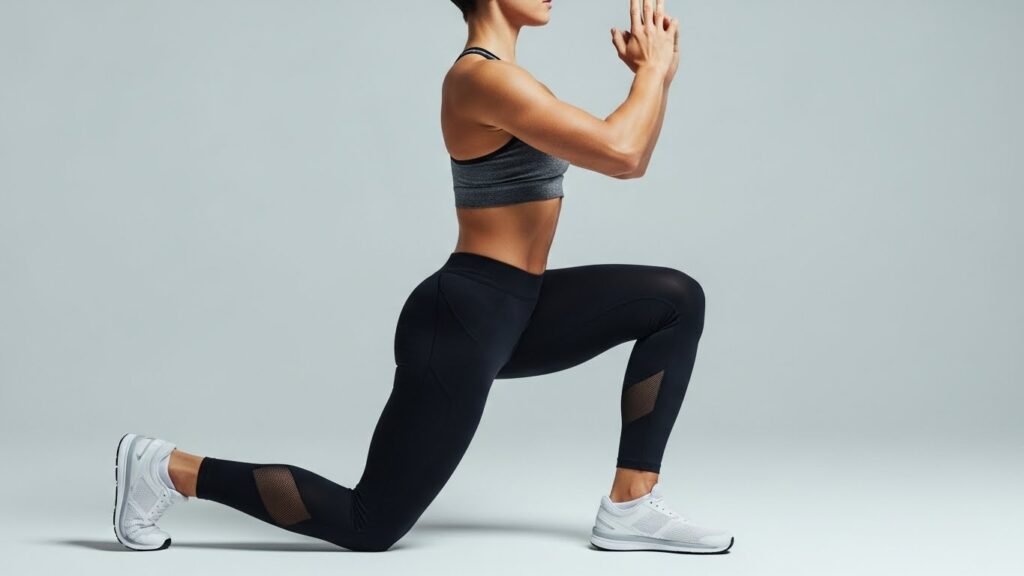
Daily movement patterns often involve staggered or split stances. Walking, stepping, and rising from the floor rely on one leg leading. Lunges reflect these patterns closely. Functional movement screening associates unilateral training with improved task transfer during athletic and daily activities.
Lower Equipment Requirements
Lunges require minimal equipment, often limited to bodyweight or light dumbbells. Training sessions remain effective without racks or barbells. This flexibility supports home training and crowded gym environments. Squats often require more setup and space.
Joint Angle Control and Knee Tracking
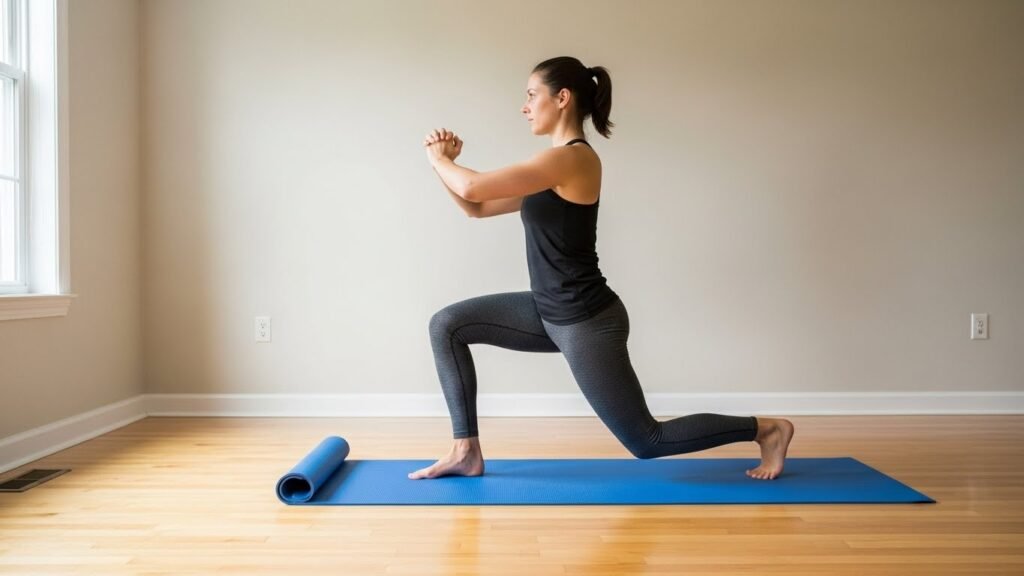
Lunges promote deliberate knee tracking over the toes on a single limb. Visual feedback during each repetition supports correction. Physical therapy protocols favor lunges for retraining knee alignment. Squats obscure side specific tracking issues due to bilateral stance.
Progressive Load Options
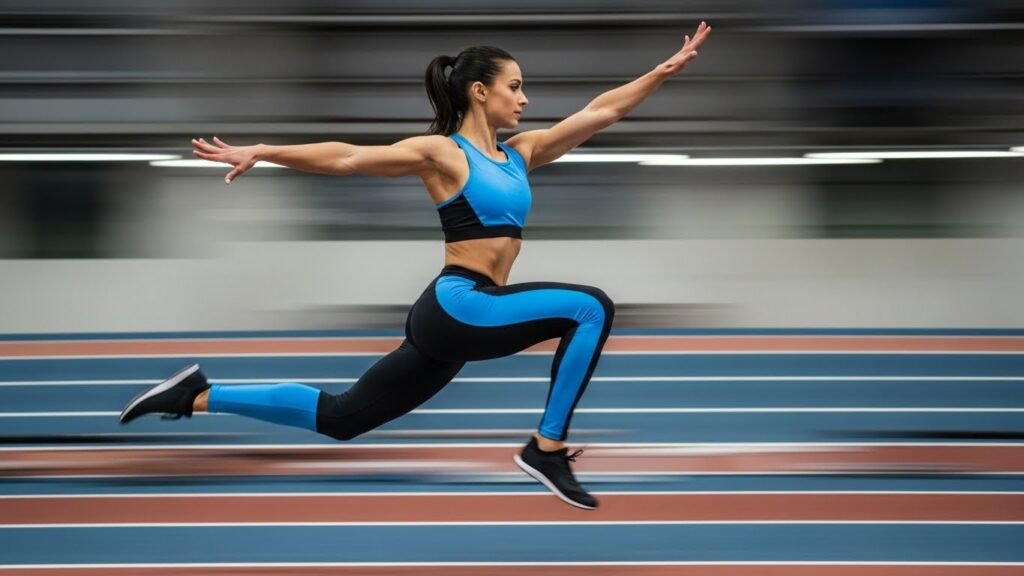
Load progression during lunges follows multiple paths. Resistance increases through dumbbells, tempo changes, or step length adjustments. Training data shows volume progression improves strength without heavy spinal loading. Squats rely more heavily on bar weight increases.
How to Perform Lunges Correctly
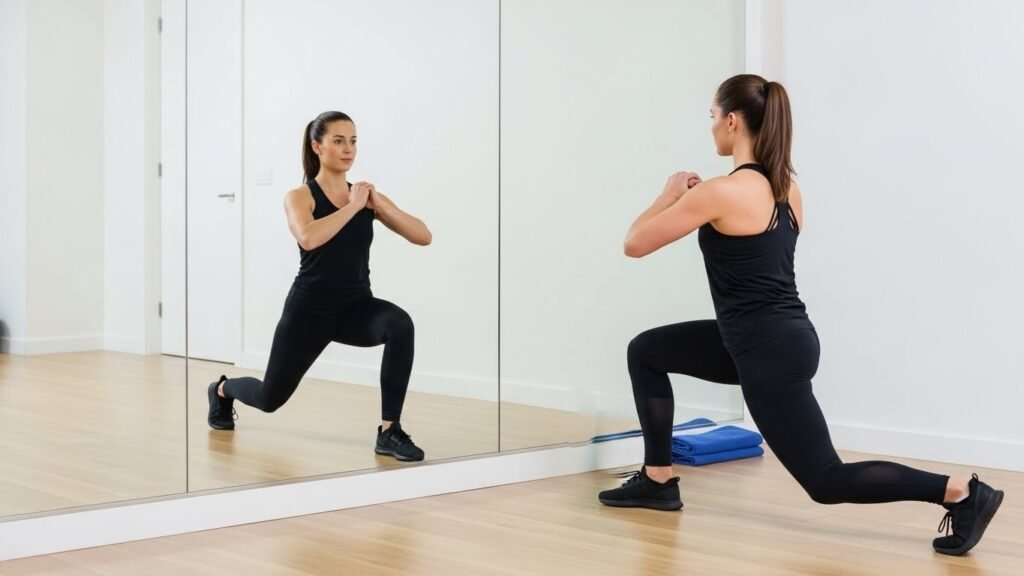
An upright torso and controlled step is a proper lunge. The foot frontal lands and the knee of the back drops down at the back. Toes and front knee follow the same direction of movement. The quality of repetition is safe with consistent depth and steady pacing.
