
Iceland has a sustained scientific interest because surface features are in agreement with the known conditions on Mars. The field of planetary science, geology, and astrobiology researchers examine this area to test tools, techniques and hypotheses associated with missions to Mars. Natural environments are controlled using volcanic plains, sparse vegetation and harsh weather. These features facilitate simulation on the surface of other planets in a realistic way, minimize mission risk, and decrease the cost of research.
Volcanic Terrain Resembling Mars

Much of Iceland is covered with lava fields composed of basaltic rocks and which were formed due to repeated volcanic activity. Mars exhibits broad coverage of basalt that has been determined using the rover and orbital data. The Iceland lava flows are similar in their texture, composition and cooling patterns. These replicas enable to test the rover mobility, drilling systems and the terrain mapping processes under realistic physical conditions.
Low Organic Surface Conditions
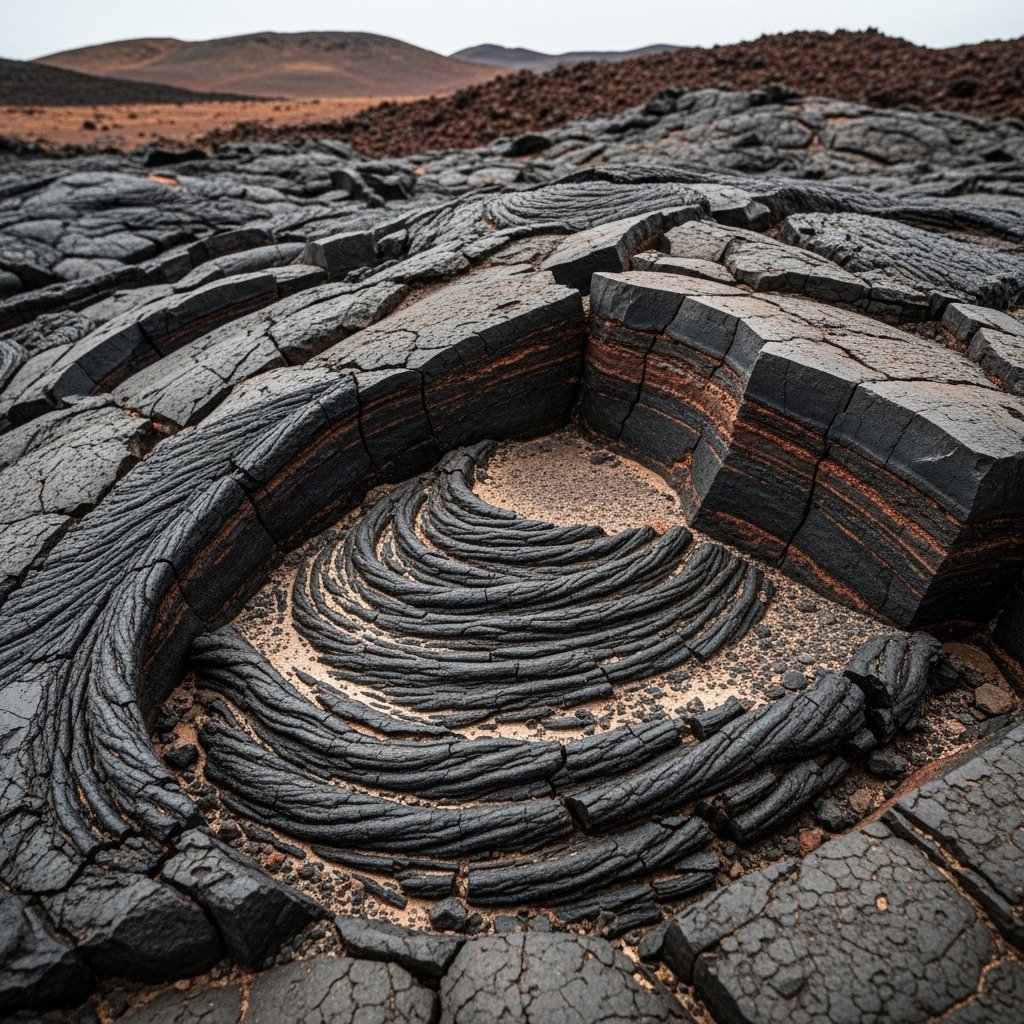
Certain Icelandic regions present minimal organic material due to cold temperatures and young geological age. Mars surface analysis indicates scarce organic presence at exposed layers. Iceland supports studies on contamination control, sample handling, and detection limits. Research teams refine protocols for identifying trace biosignatures under low signal conditions.
Extreme Climate as Operational Stress Test
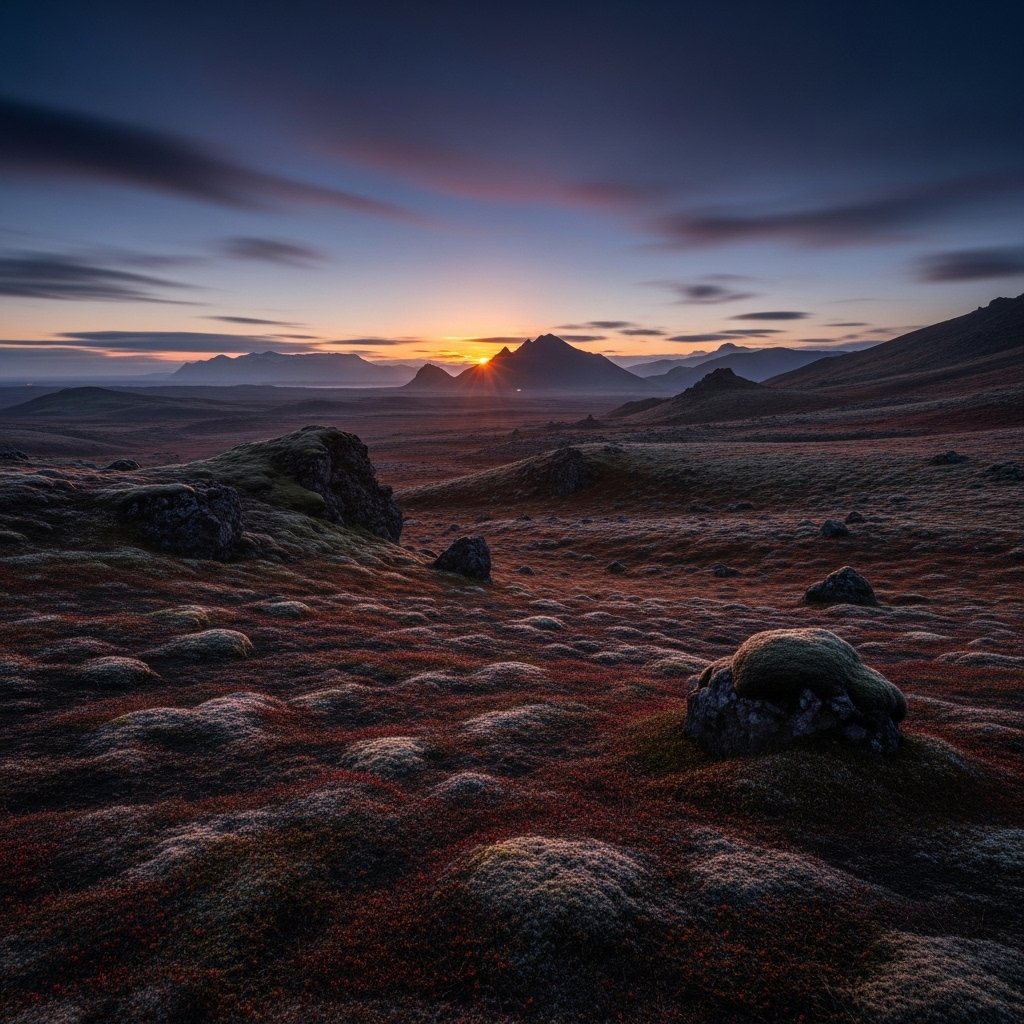
Violent winds, icy weather conditions and swift weather changes influence day to day operations in the Icelandic highlands. The missions to Mars are under similar operational pressure due to dust, cold and isolation. Hardware and personnel in field campaigns in Iceland are subjected to stress. These experiments enhance the level of reliability of instruments and mission planning.
Subglacial Volcanism and Ice Interaction

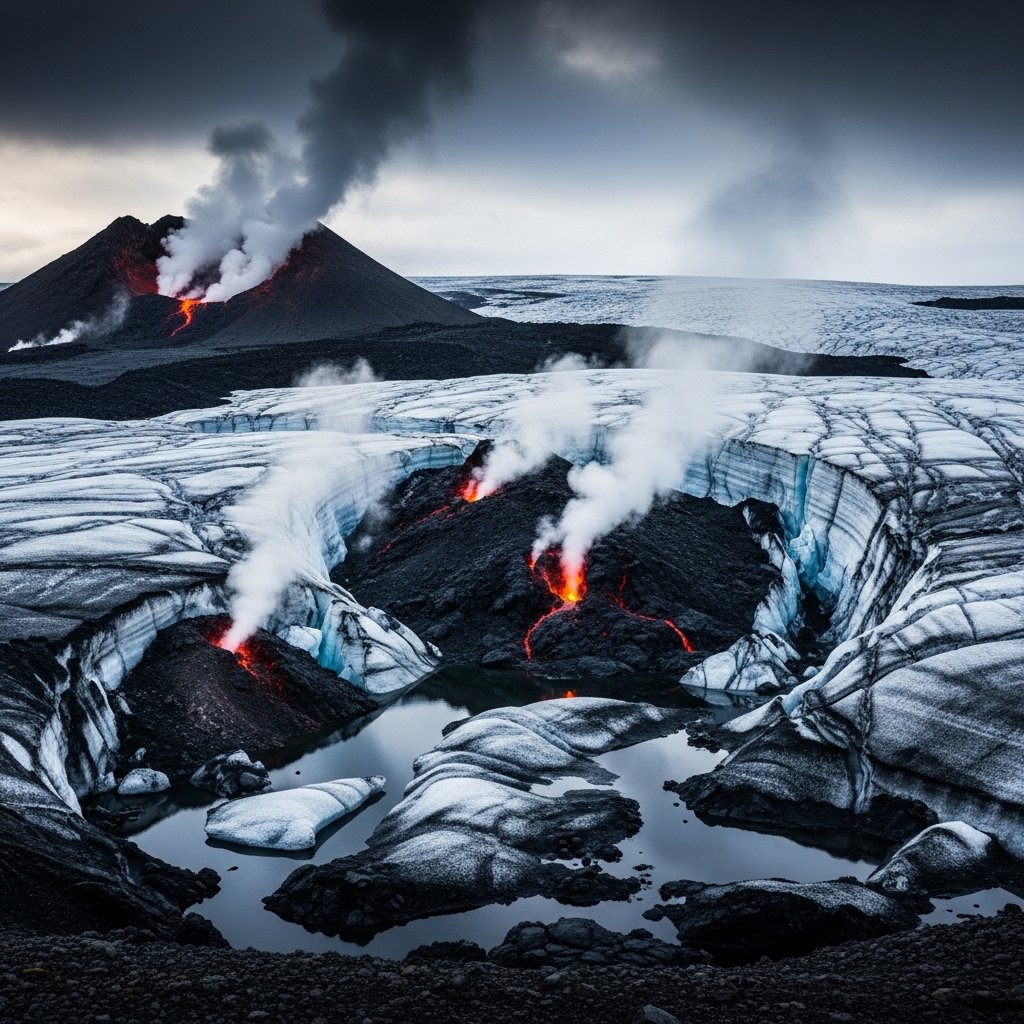
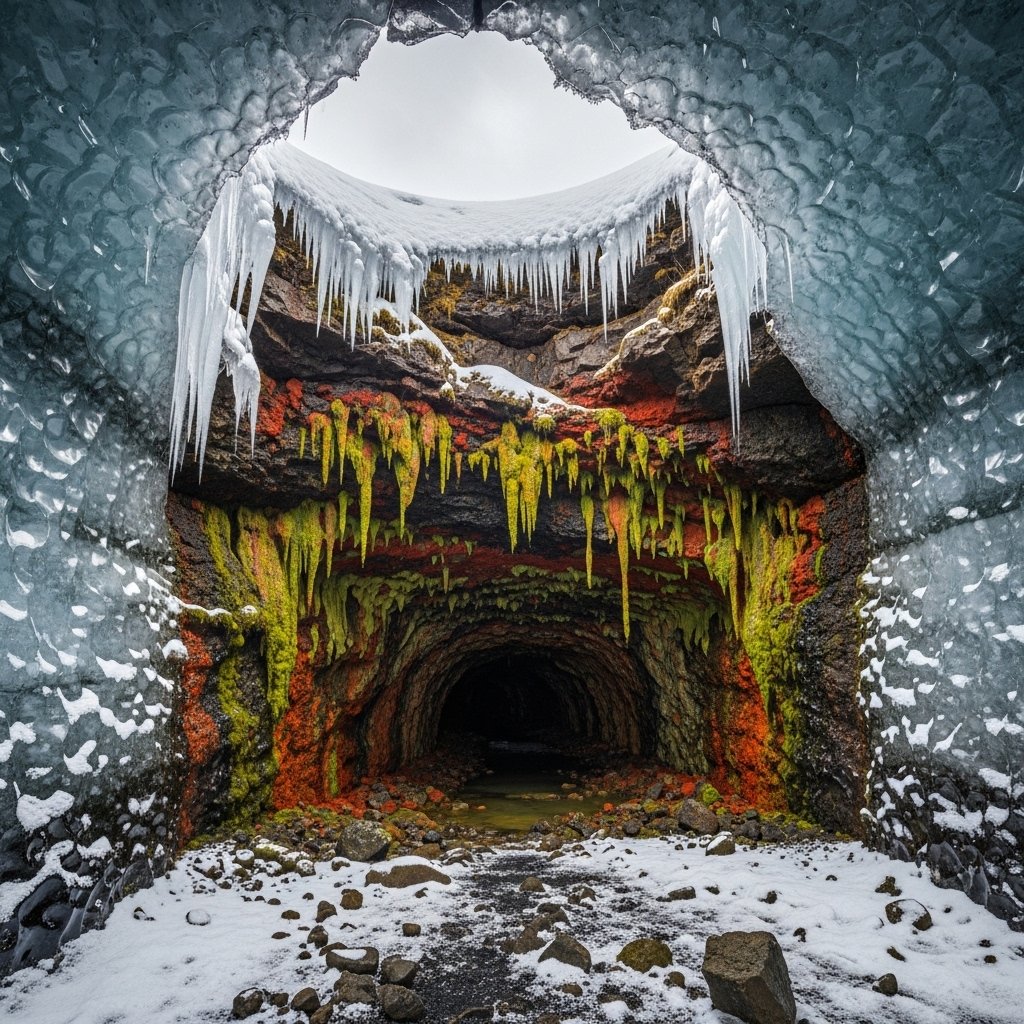
Iceland boasts of volcanoes that are under the thick ice cover. Mars information indicates that Mars used to be in contact with ice and volcanoes. The Icelandic subglacial systems are favourable in examining meltwater pathways, mineral alteration, and heat transfer. Results are used to explain Martian landforms that have been attributed to ancient ice covered volcanic actions.
Remote Sensing Validation

The calibration of remote sensing methods can be done with satellite imagery and drone surveys across Iceland. The Mars exploration is orchestrated on a strong dependence on orbital data interpretation. Iceland offers ground truth evaluation to spectral analysis, elevation frameworks and thermal mapping. Remote readings are cross checked with on-site physical samples collected by scientists.
Isolation Supporting Mission Simulation
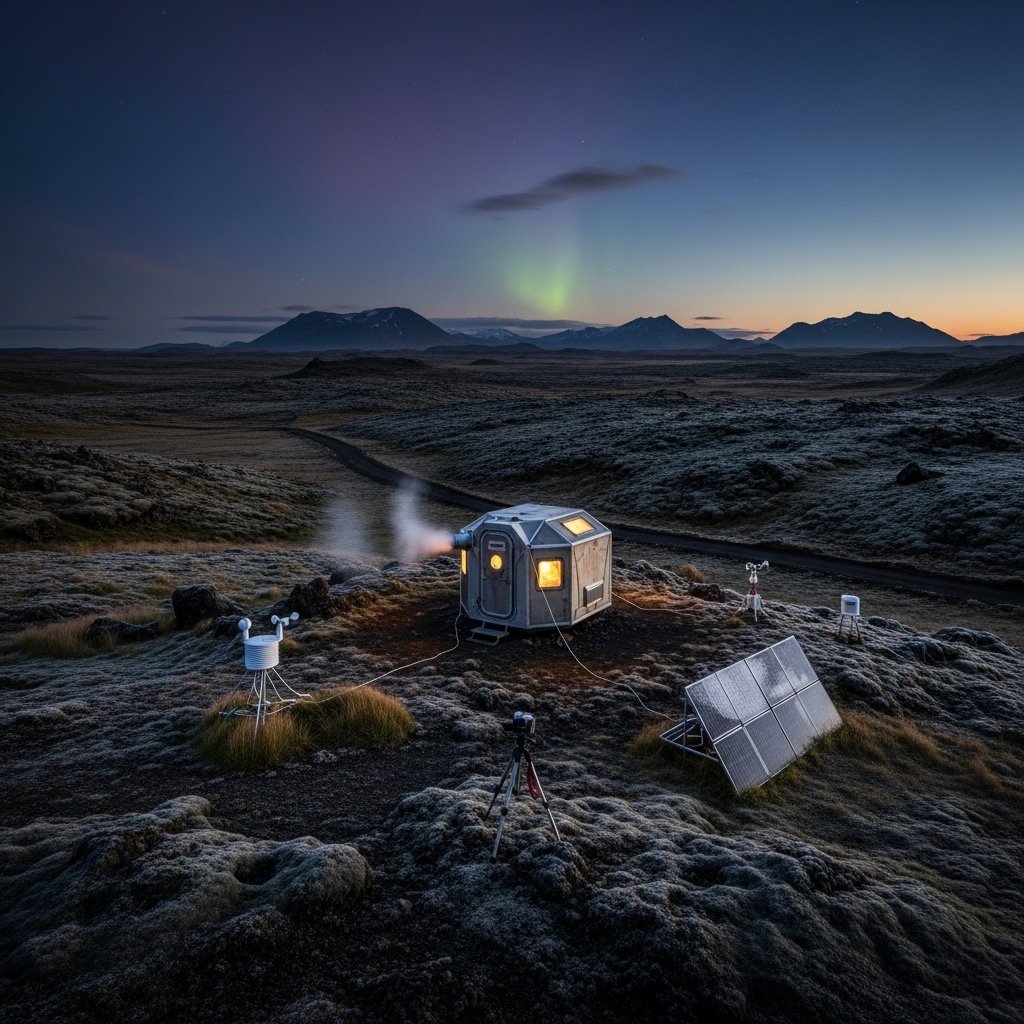
There are still remote areas in Iceland which are sparsely inhabited and logistically inaccessible. Mars missions are characterized by long isolation and poor external support. Tested communication delays, supply planning and crew coordination are undertaken in Iceland based simulations. These tests boost the human factors study associated with long time planetary mission.
Testing Rover Navigation Systems

Loose sediment, uneven slopes, and rock distribution are some of the challenges facing vehicle movements in the Icelandic terrain. These conditions are assessed by Mars rover teams in terms of traction systems, obstacle detection and autonomous navigation. Field trial lessons affect design modifications before the deployment outside of Earth.
Astrobiology Research Applications
Micro-organisms are still alive in Icelandic volcano soils, lava-tubes and ice margins. Similar hidden shelters are the subject of Mars studies in which there may still be remnants of life. Sampling in Iceland can also be controlled without ethical and planetary protection restrictions. Findings are used to select targets to be included in future extraterrestrial sampling missions.
Cost Effective Analog Environment

Authentic environment Mars analog studies need not be excessively costly. Iceland has been made easily accessible, infrastructure and regulatory facilities to scientific activity. Natural landscapes save cost of preparation as compared to artificial testing sites, and also add value to data. Repeat access and seasonal variation are beneficial in research institutions.
Interdisciplinary Research Collaboration
Geologists, engineers, climatologists, and biologists conduct joint studies across Icelandic sites. Mars exploration demands cross discipline coordination. Shared fieldwork in Iceland improves communication between research domains. These collaborations refine integrated approaches essential for complex planetary missions.
