
Climate change predictions shape policy, funding, and public debate. Many forecasts later appear off target when compared with short term outcomes. Temperature trends, rainfall patterns, and extreme events often differ from early projections. Several structural and data related limits drive such gaps. A review of methods, assumptions, and communication practices explains why mismatch occurs and where improvement continues through better tools and evidence.
Limits of early data records

Early climate models relied on short observational records. Satellite coverage expanded after the late twentieth century. Ocean heat data before modern sensors lacked depth and consistency. Sparse records raised uncertainty around baseline trends. Small shifts in starting data altered long range projections across decades.
Model resolution and computing limits

Global models divide Earth into grids. Older systems used coarse grids due to limited computing power. Fine scale processes such as cloud formation or coastal winds stayed simplified. Local effects then failed to register. As resolution improves, regional outcomes align closer with observed patterns.
Assumptions about human behavior
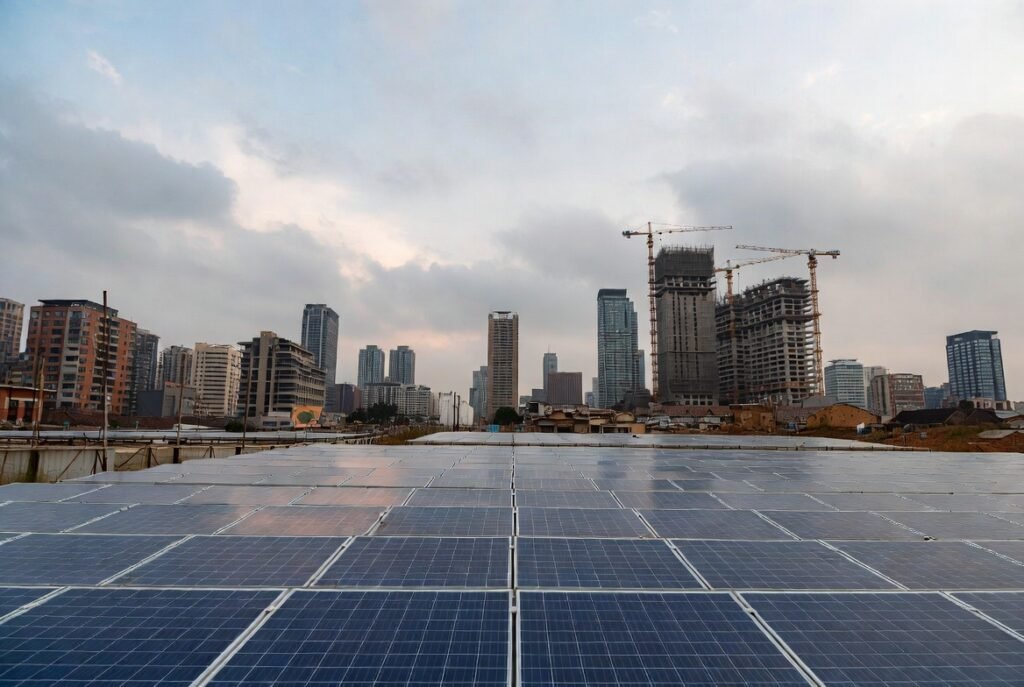
Forecasts depend on scenarios tied to population growth, energy use, and land change. Social and economic shifts often diverge from assumptions. Rapid technology adoption or policy delays alter emission paths. Projections tied to outdated pathways then drift from measured outcomes.
Complex feedback processes

Climate systems include feedback loops involving ice, vegetation, and oceans. Many loops interact across time scales. Early models represented fewer interactions. Some feedbacks amplified warming while others slowed trends. Partial representation skewed timing and magnitude across forecasts.
Natural variability masks trends

Short term climate signals face noise from volcanic activity, ocean cycles, and solar variation. Events such as El Nino influence temperatures for years. Observed plateaus or spikes confuse comparison with long range averages. Misinterpretation arises when short windows dominate evaluation.
Regional prediction challenges
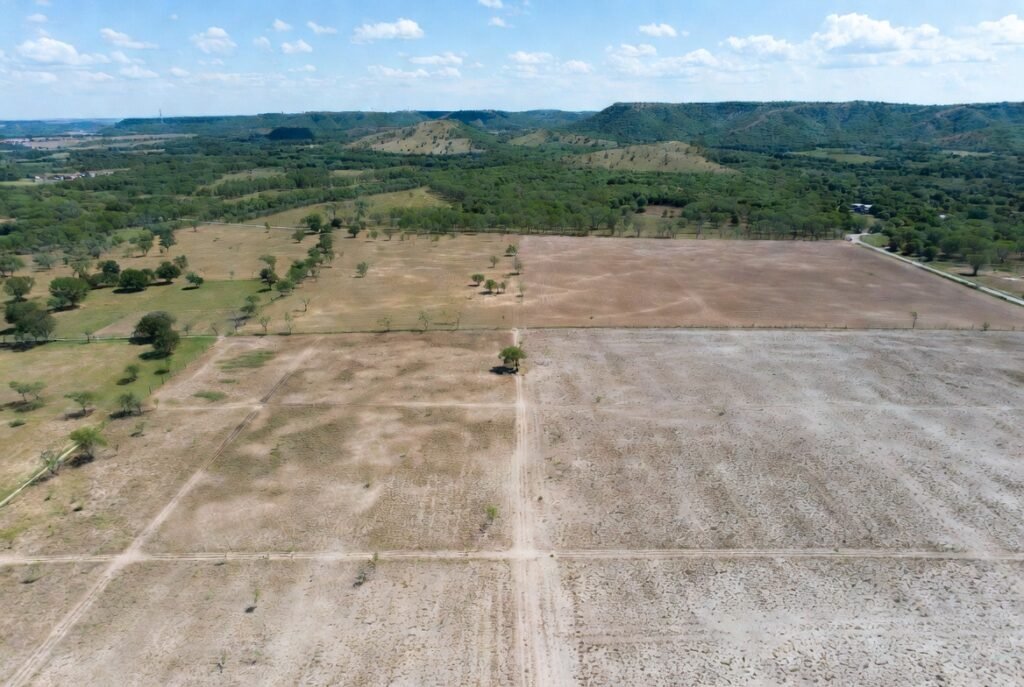
Global averages hide regional differences. Rainfall, storms, and drought respond to local geography. Models perform better at global means than regional detail. Users often judge accuracy through local experience. Mismatch between scale and expectation fuels claims of error.
Measurement and reporting changes
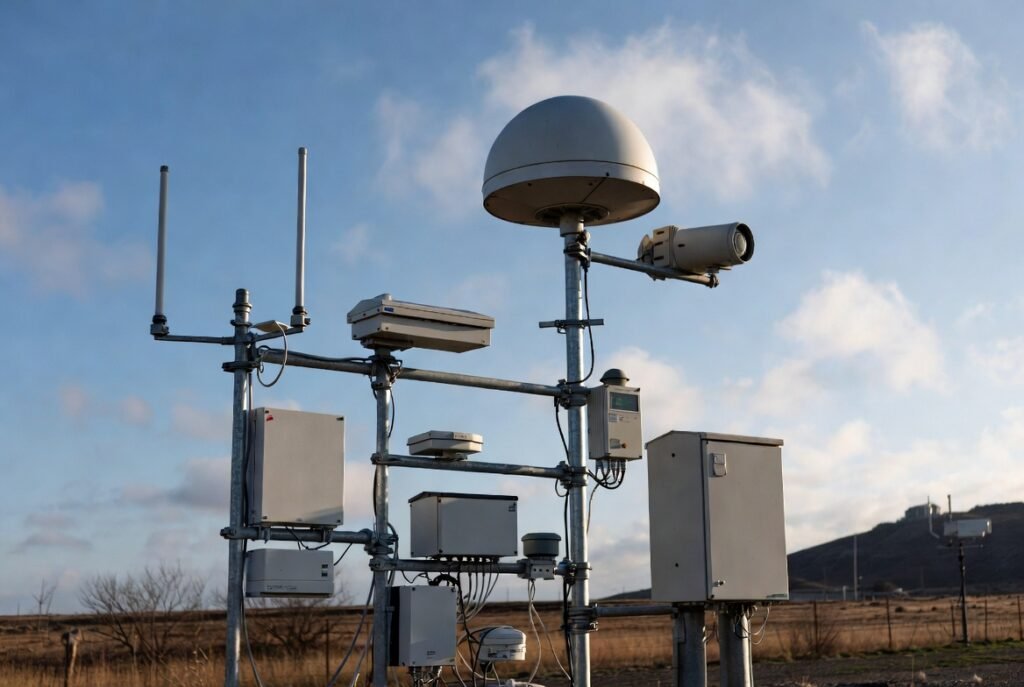
Data collection methods evolve. Instrument upgrades and station relocation affect readings. Adjustments correct bias yet raise public skepticism. Trend comparisons across changing methods complicate validation. Apparent disagreement sometimes reflects improved measurement rather than flawed theory.
Communication gaps and headlines

Public messaging favors simple numbers and dates. Probabilistic ranges receive less attention. Media summaries reduce nuance. When outcomes fall within uncertainty bands, audiences still perceive failure. Clear framing of ranges and confidence reduces perceived error.
Policy and economic feedback effects
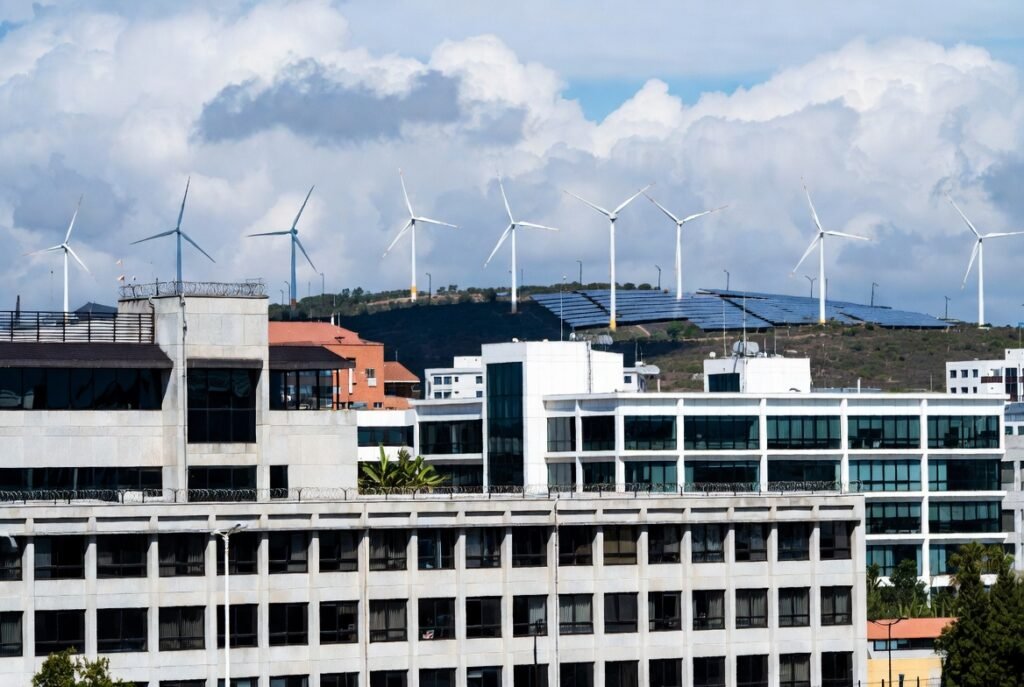
Predictions influence decisions. Regulations, efficiency gains, and market shifts respond to warnings. Emission growth slows or shifts regions. Outcomes then differ from baseline projections. Success alters future conditions, making original paths appear inaccurate.
Continuous model refinement

Climate science evolves through testing and revision. New data feeds recalibration. Ensemble modeling compares many runs rather than single outcomes. Skill improves across decades. Apparent past errors guide stronger methods and clearer limits for future forecasts.
