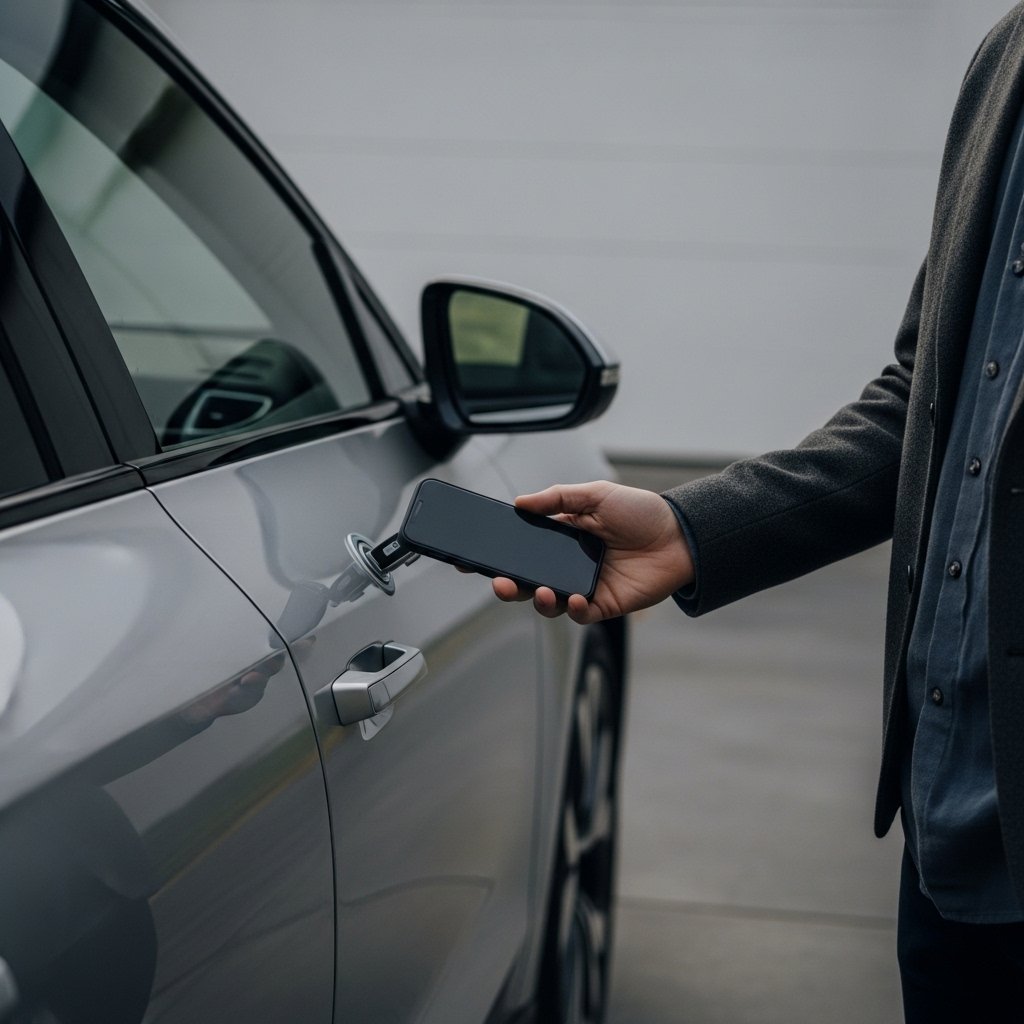
The access systems are digital, which is modifying the way drivers enter and start vehicles. Most car manufacturers have switched to smartphone based keys as opposed to metal fobs. This change is in reaction to the security threat, the cost of production, and convenience demanded by the customers. Connected car report industry data indicates gradual development of cars with app based access. Digital keys are consistent with the overall trends in car design and ownership structures as cars increasingly become software-centric.
Improved Security Standards
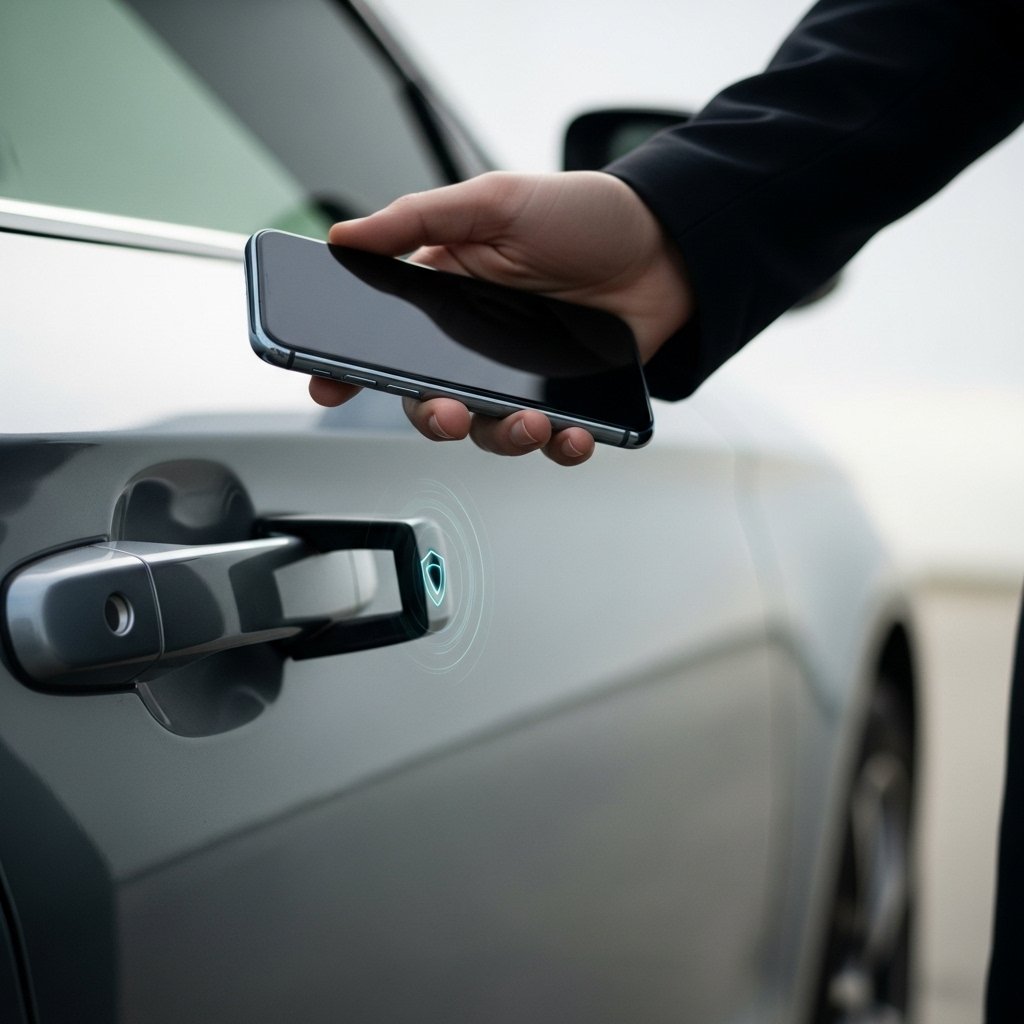
The conventional key fobs use radio frequency. Relay attacks have been used by criminal gangs to duplicate signals and access. Digital keys implement encrypted communication protocol and device level authentication. The systems of Apple CarKey and Android Digital Key are based on secure elements within smartphones. The encryption minimizes the risk as opposed to the older passive entry system.
Integration With Smartphones
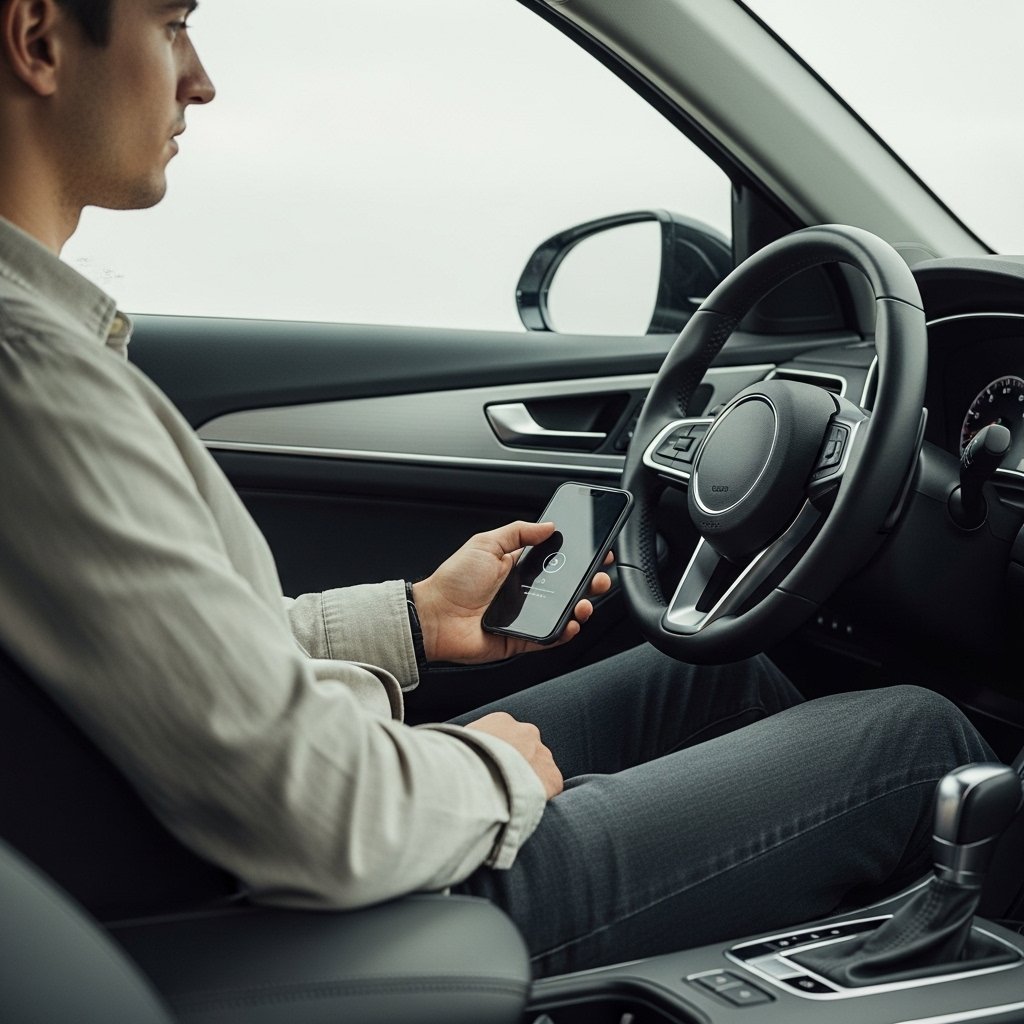
Majority of the drivers have smartphones with them all the time. Carmakers have mobile apps that contain digital keys. BMW and Hyundai companies are the ones that support integration with Apple Wallet and Google Wallet. This eliminates the use of a physical fob. The use of vehicles on a daily basis is simplified by centralized access using a phone.
Lower Hardware Costs
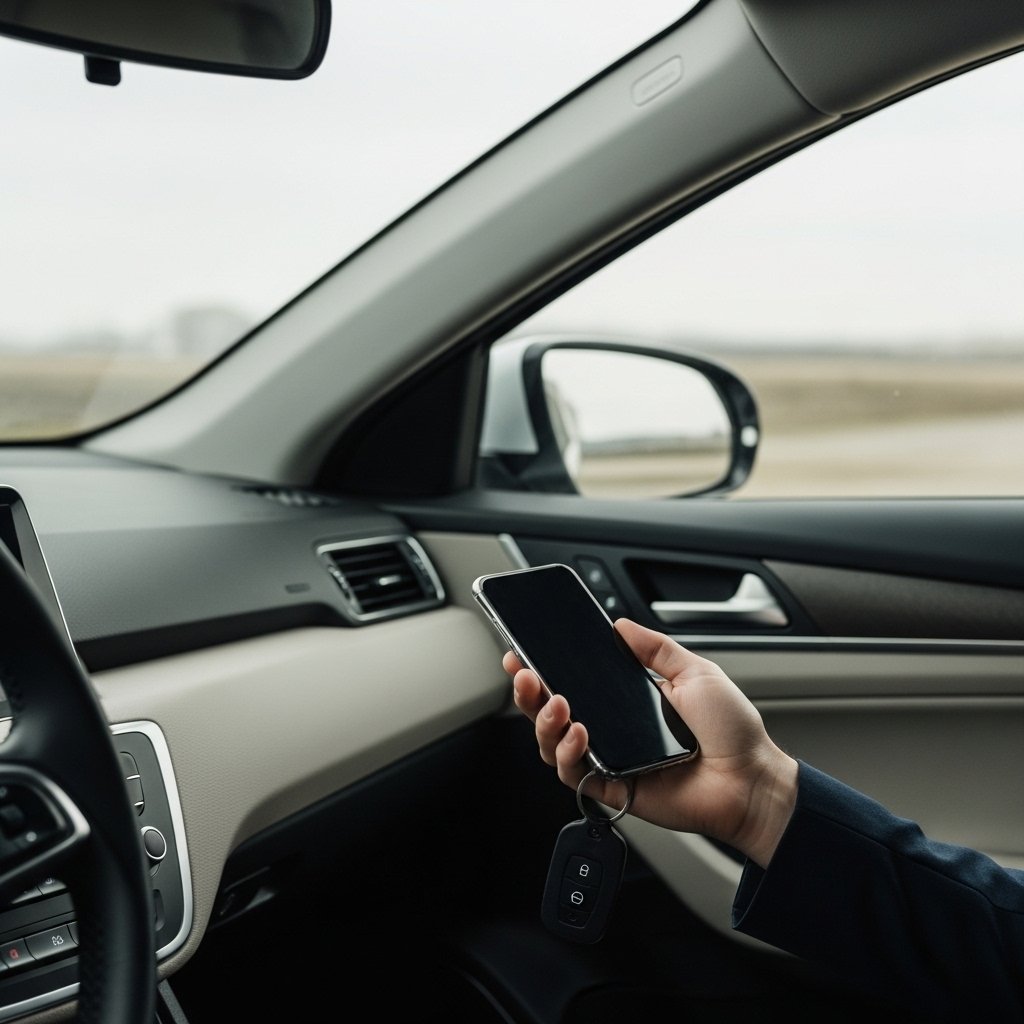
Physical keys require manufacturing chips, batteries, and casings. Over large production volumes, these components add measurable expense. Digital keys reduce the number of physical parts supplied with each vehicle. Automakers reduce logistics costs tied to replacement fobs and warranty claims. Software distribution replaces some hardware overhead.
Remote Access Management
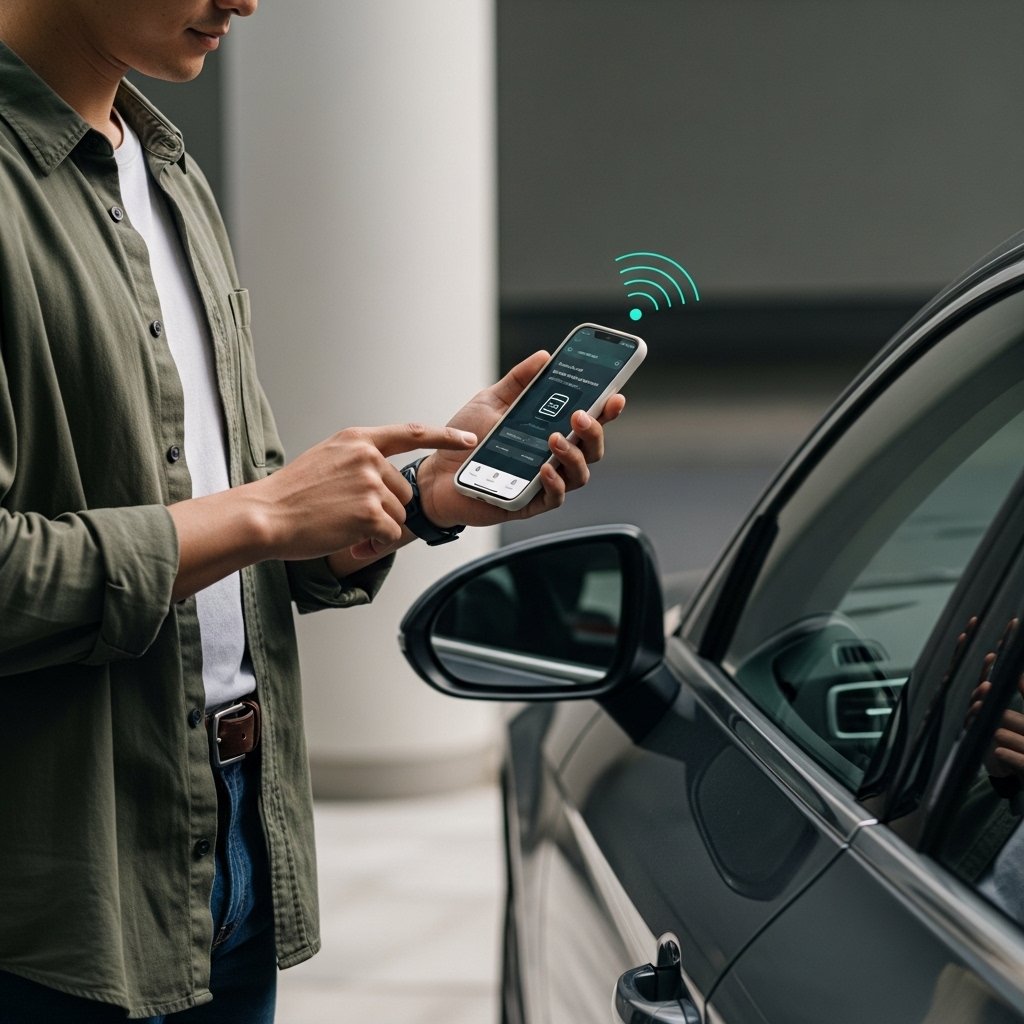
Digital systems allow owners to grant or revoke access through an app. Tesla reports frequent use of remote sharing among family members. Temporary access works for valet parking or service appointments. Permissions expire automatically based on preset rules. This removes the need to hand over a physical key.
Support For Shared Mobility
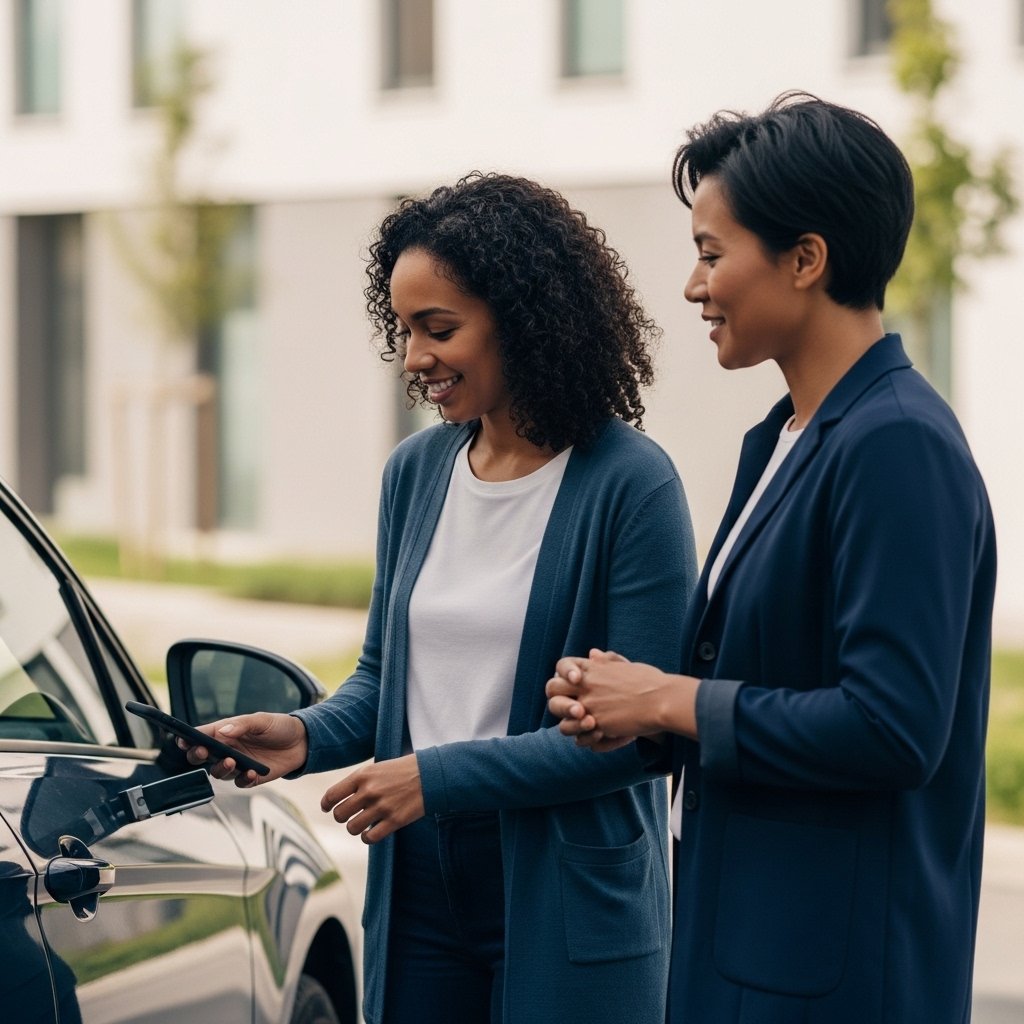
Car sharing services require flexible access control. Companies like Zipcar depend on digital entry to manage bookings. Automakers support this model through built in digital key systems. Fleet managers assign vehicle access to multiple drivers. This aligns with urban mobility trends and subscription ownership programs.
Over The Air Updates

Software driven vehicles receive periodic updates. Digital key features improve through firmware updates rather than hardware replacement. Manufacturers patch vulnerabilities without recalling vehicles. This approach supports long term maintenance and security refinement. Over the air systems reduce service center visits.
Compatibility With Smart Ecosystems
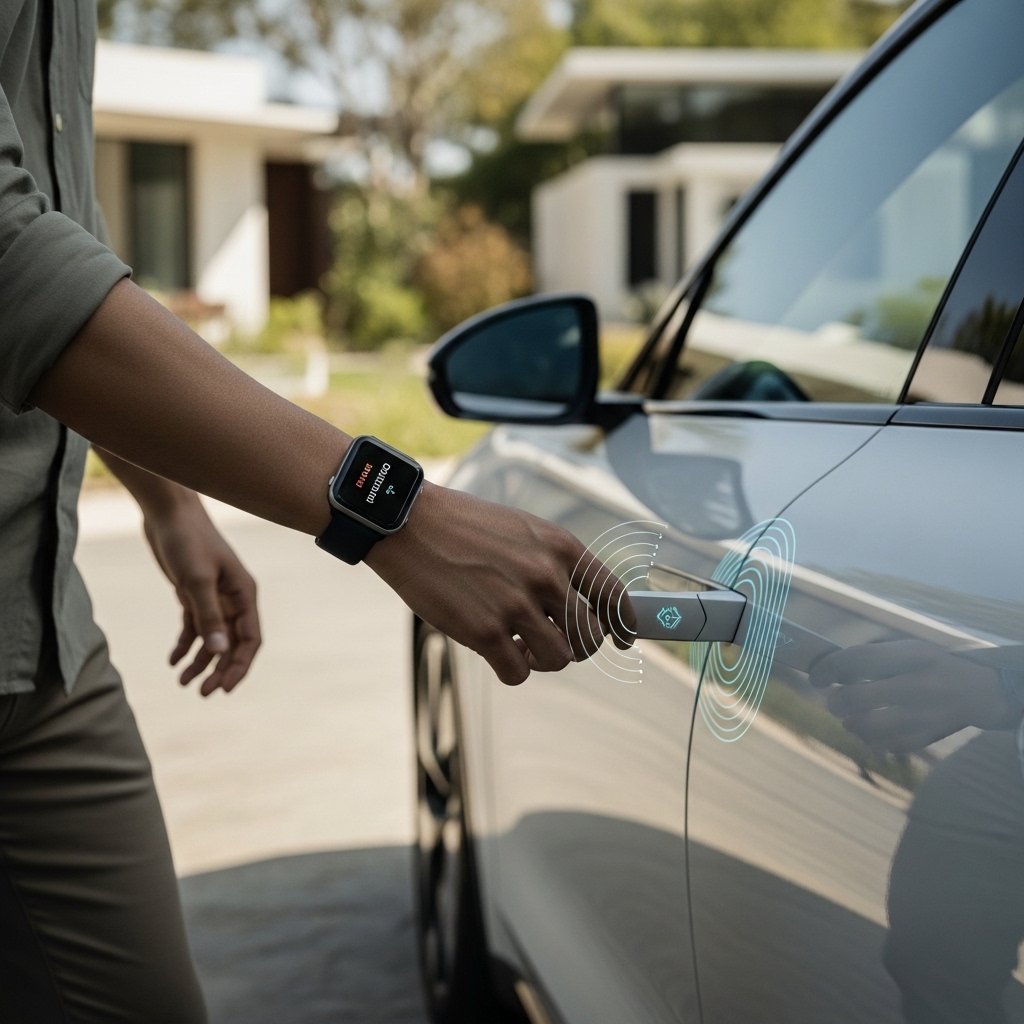
Vehicles connect with smart home systems and wearable devices. Digital keys interact with watches and home automation apps. Some vehicles unlock when the owner approaches with a registered device. Integration across platforms increases convenience. Cross device authentication creates a unified access system.
Data And User Analytics
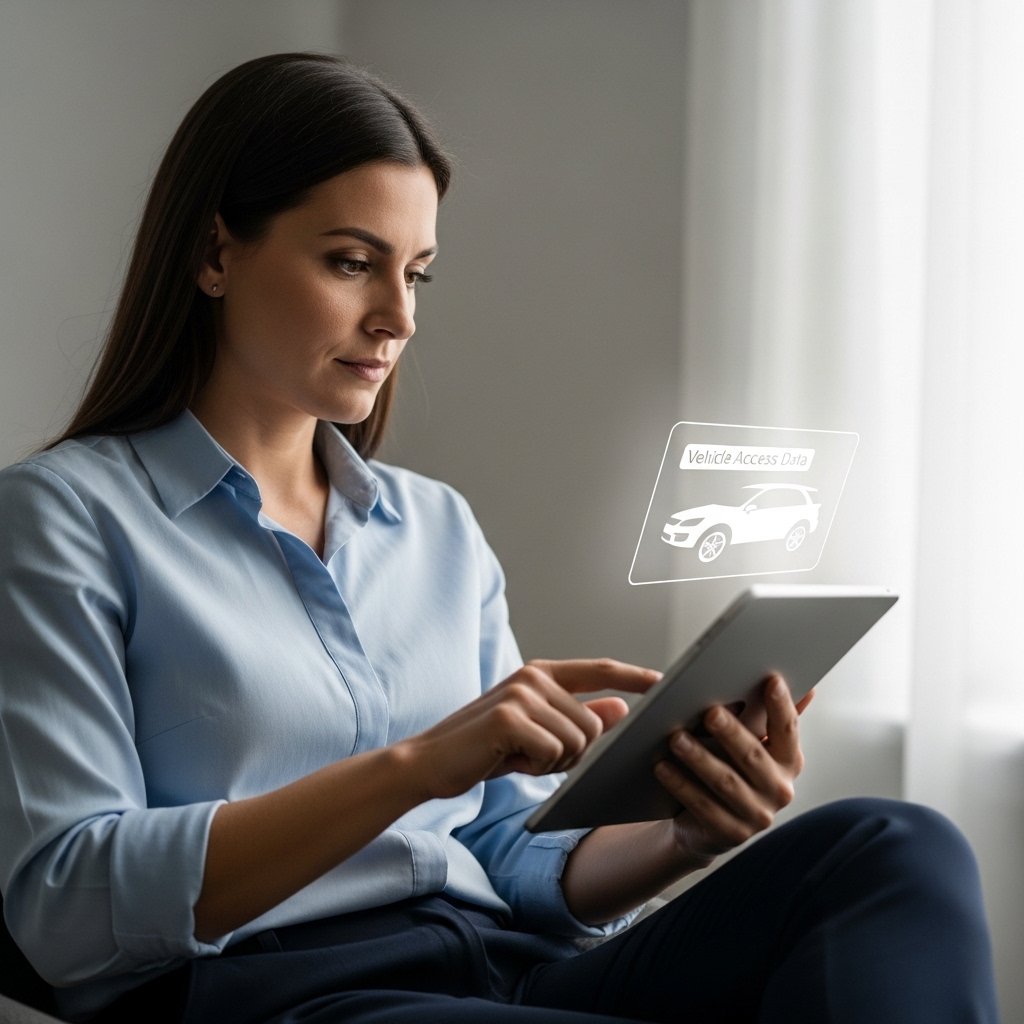
Digital entry logs access time and user identity. Automakers analyze anonymized usage data to improve design. Fleet operators track driver activity for operational oversight. Access history supports dispute resolution and service documentation. Data collection supports ongoing product development.
Reduced Physical Wear
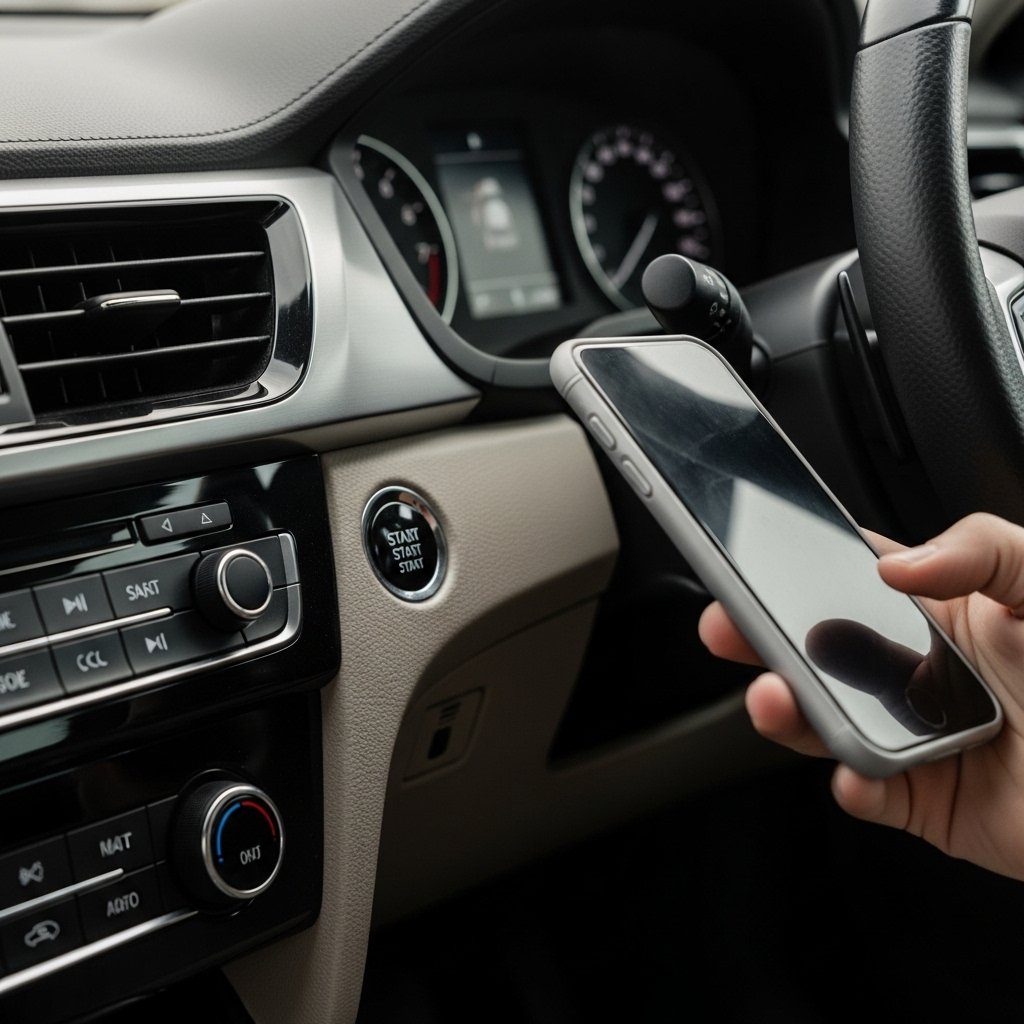
Metal keys and fobs experience wear over time. Buttons fail and batteries require replacement. Digital credentials stored in secure chips eliminate mechanical components. Owners avoid routine battery replacement for entry devices. Reduced hardware wear decreases maintenance frequency.
Future Proof Vehicle Design
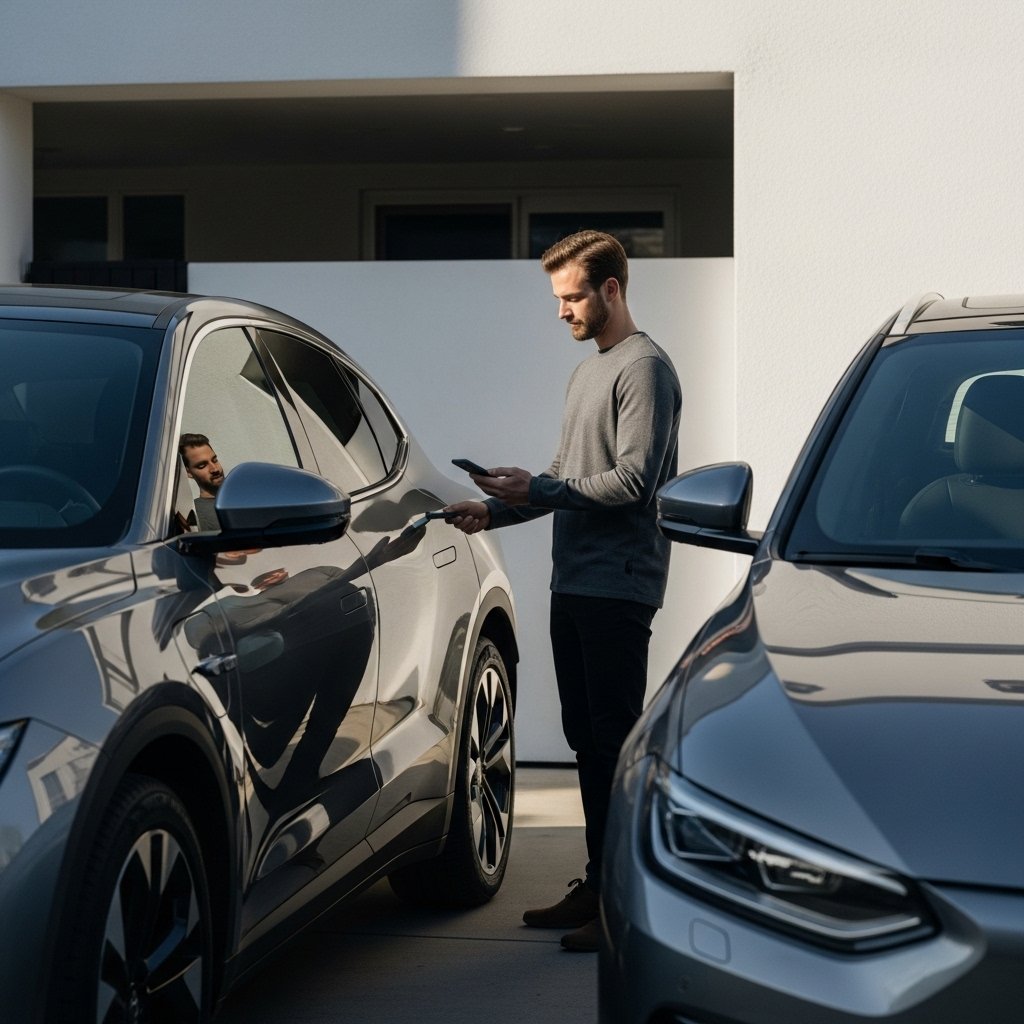
Electric and autonomous vehicles rely heavily on software systems. Digital keys align with this architecture. Companies such as Tesla design vehicles without traditional ignition cylinders. As vehicles evolve into connected devices, access systems follow software first design principles. This shift reflects long term planning across the automotive sector.
