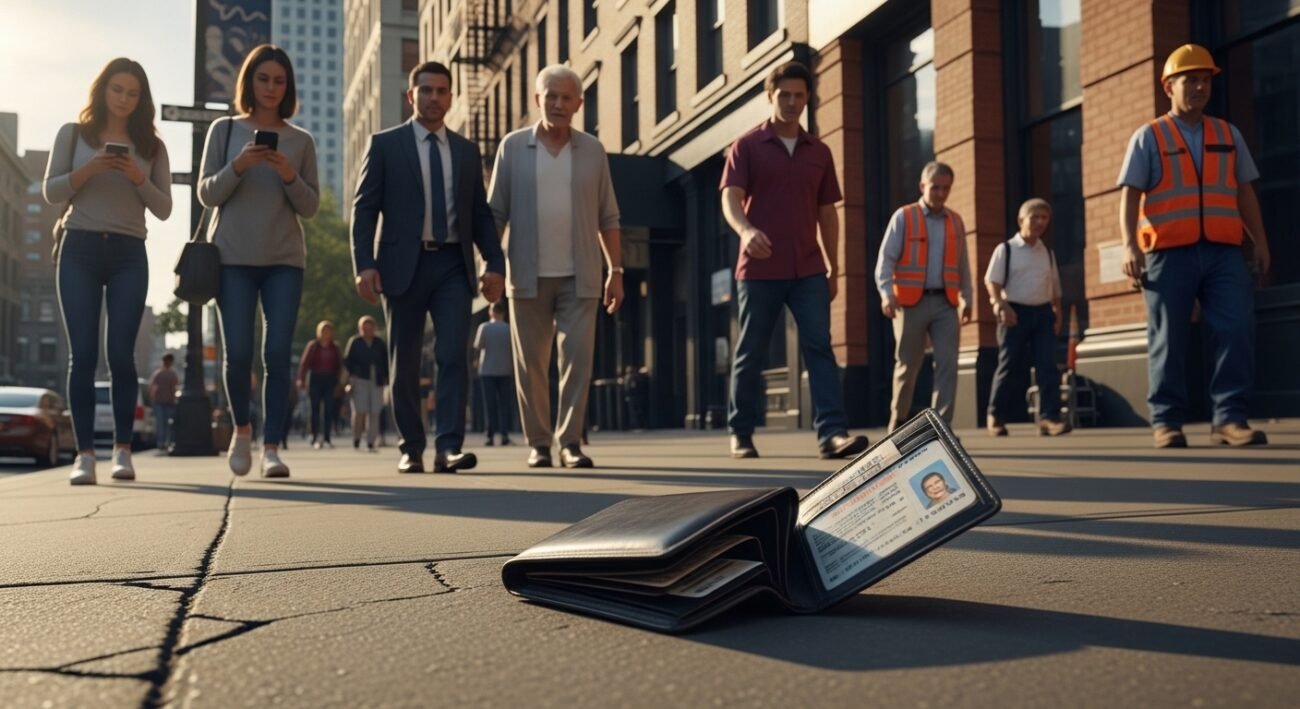
Across cities, parks, cafés, and sidewalks, researchers and curious volunteers have quietly tested a simple question: what happens when someone finds a lost wallet? These “wallet drop” experiments reveal fascinating insights into everyday honesty. By placing wallets with identification, cash, or contact details in public places, observers watch how strangers react. Do they return it, keep the money, or ignore it entirely? The results often challenge assumptions about human behavior. While not every person responds the same way, many people demonstrate a surprising willingness to help. These small, real-world tests show that integrity often appears in ordinary moments when no one seems to be watching.
The Busy Sidewalk Test
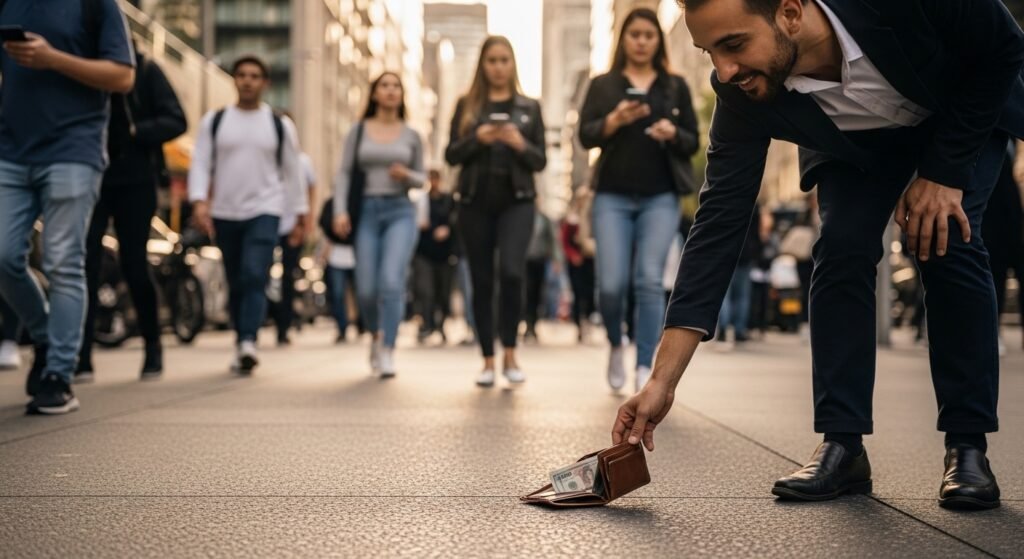
Wallets left on crowded sidewalks showed that many passersby still paused to help. Despite rushing schedules and distractions, several individuals took the time to pick up the wallet and search for the owner’s contact information.
The Coffee Shop Discovery
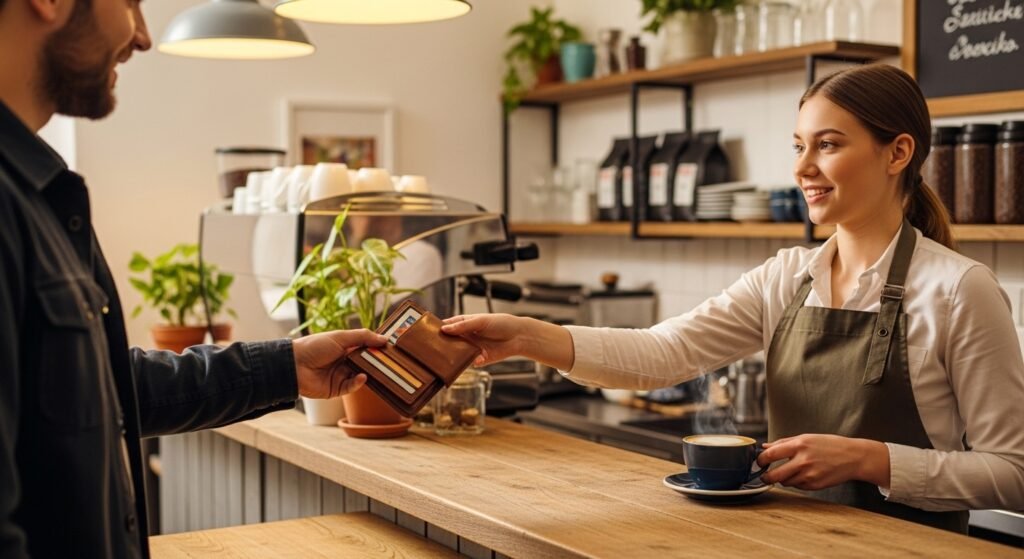
In café experiments, wallets placed near tables were frequently turned in to staff members. Many finders preferred giving the wallet to employees rather than searching themselves, trusting the business to reconnect it with its owner.
The Park Bench Scenario
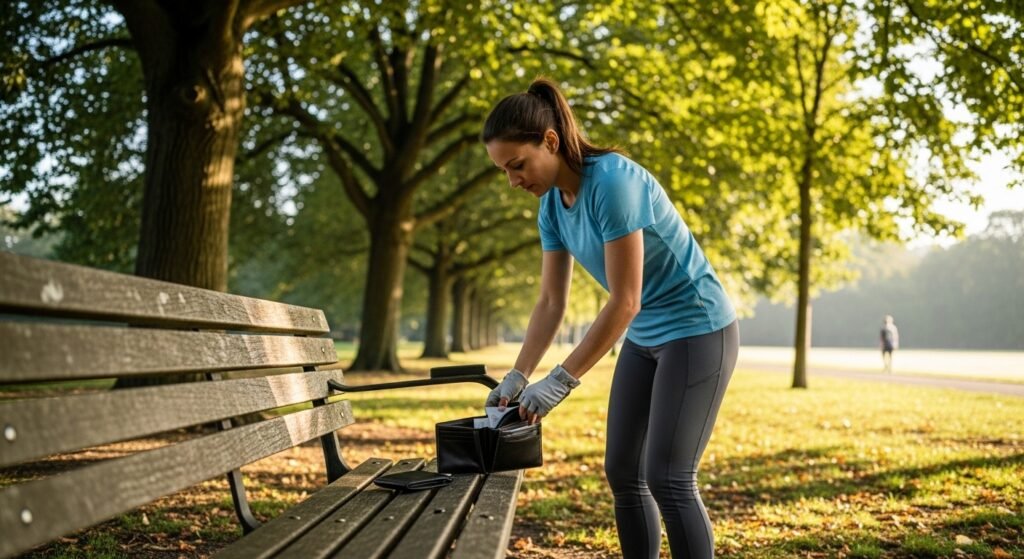
Wallets placed on park benches often attracted careful attention. Walkers and joggers frequently checked for identification and attempted to contact the owner, demonstrating how relaxed environments sometimes encourage thoughtful and considerate responses.
The Public Transit Test
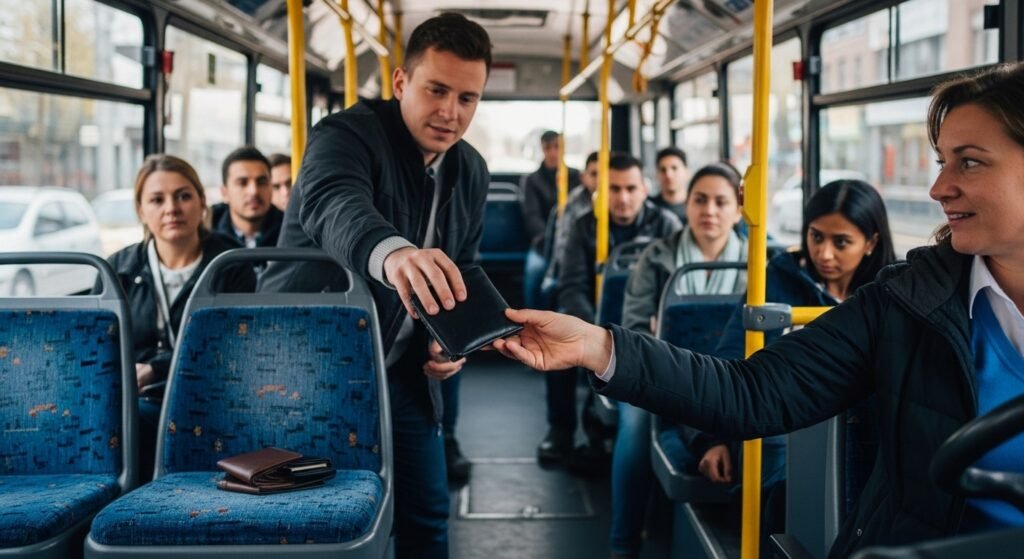
When wallets appeared on buses or train seats, passengers sometimes handed them directly to drivers or station staff. These results suggested that structured environments with authority figures nearby encourage people to act responsibly.
The Wallet With Identification
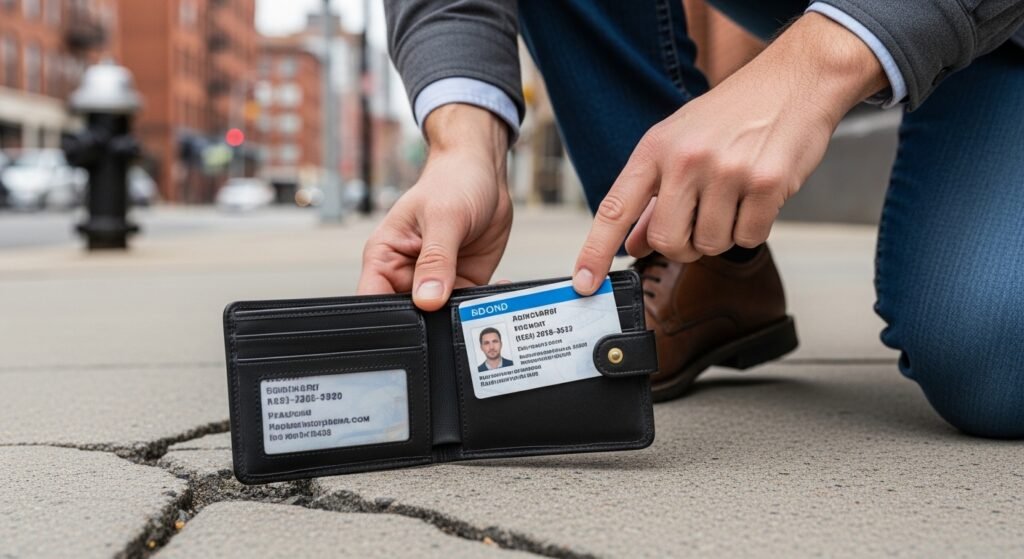
Experiments consistently showed that wallets containing clear identification were returned more often. A visible name, phone number, or address gave finders a clear path to help, making it easier to choose the honest action.
The Wallet With Cash Inside
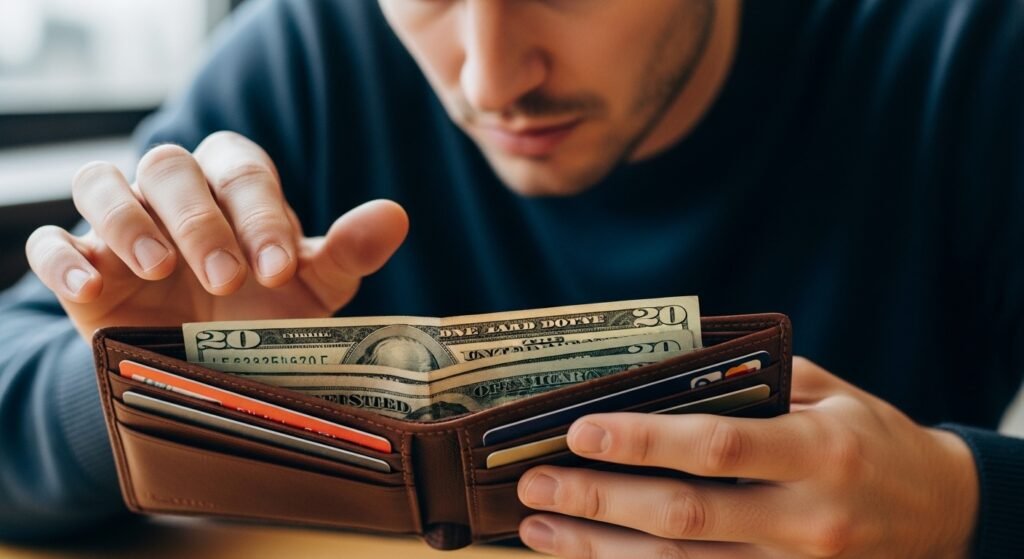
Adding money to a wallet created an interesting effect. Some studies found that larger amounts of cash actually increased return rates, possibly because people felt a stronger moral responsibility when the loss appeared significant.
The Empty Wallet Case
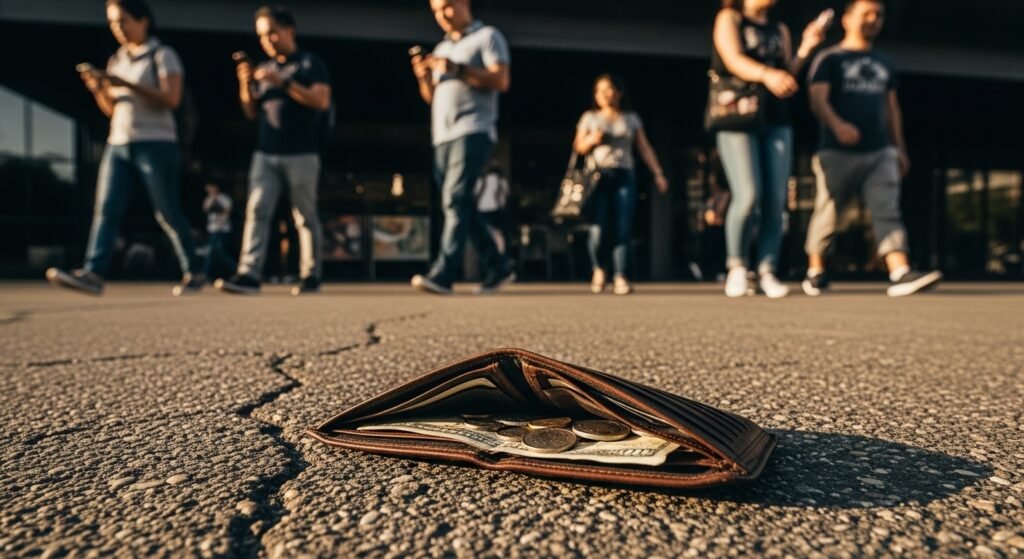
When wallets contained little or no money, some people ignored them. Without obvious value, the item seemed less urgent, suggesting that perceived importance can influence whether someone decides to take action.
The Wallet Near a Store Entrance
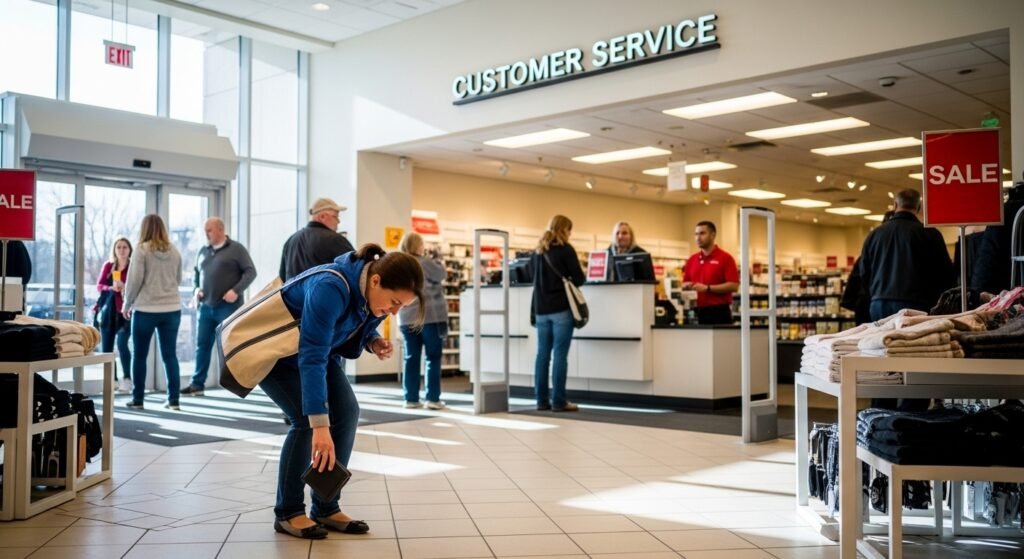
Wallets placed near store entrances were frequently handed to security or customer service desks. Shoppers often chose the quickest responsible option, showing how convenience plays a role in ethical decisions.
The Wallet With a Family Photo
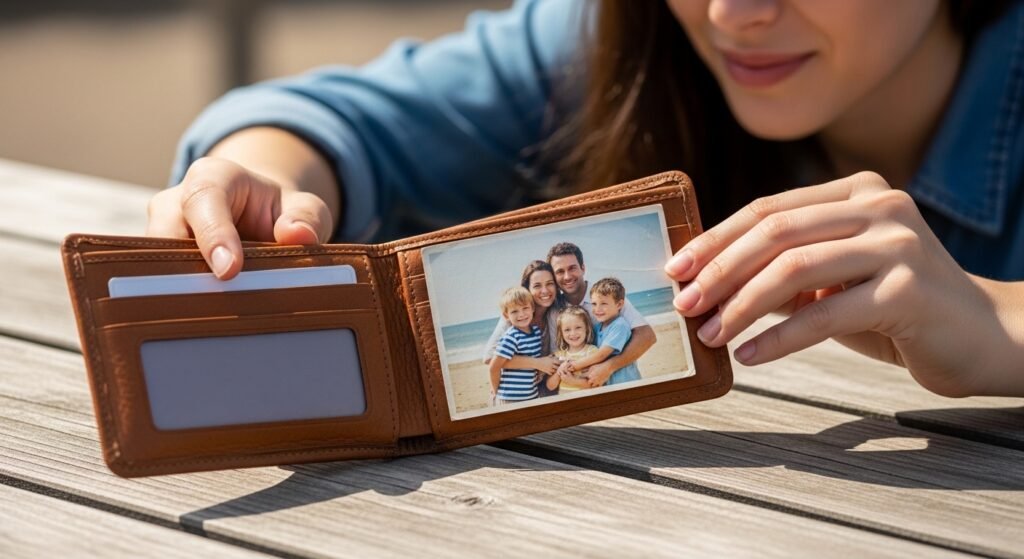
A small personal touch changed reactions. Wallets containing a family photograph were returned at higher rates in several trials. The image created a sense of connection, reminding finders that a real person was affected.
The Wallet in a Quiet Neighborhood
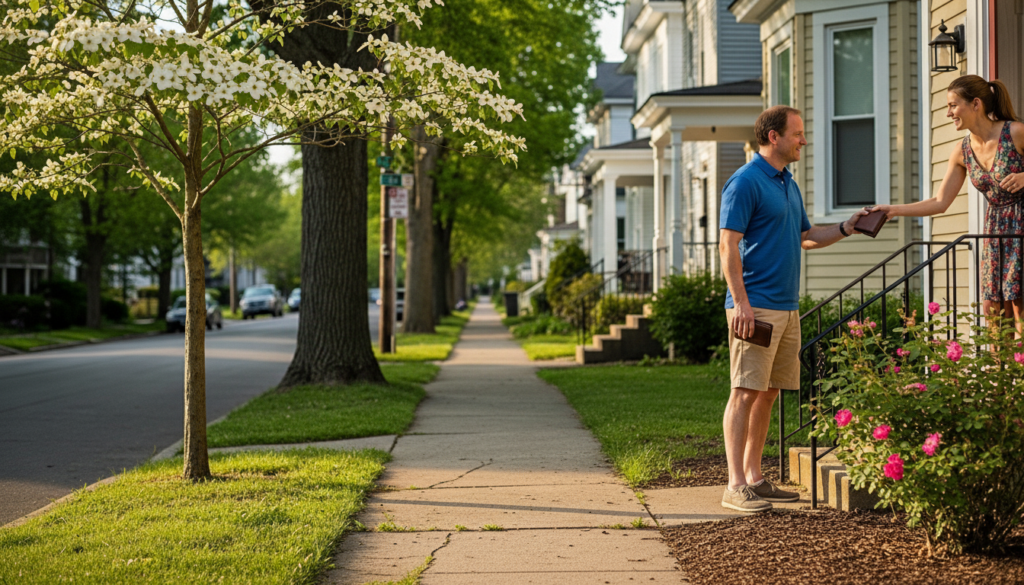
Experiments in quieter residential areas often resulted in higher return rates. People sometimes knocked on nearby doors or searched for the owner, reflecting the stronger sense of community found in many neighborhoods.
The Good Samaritan Surprise
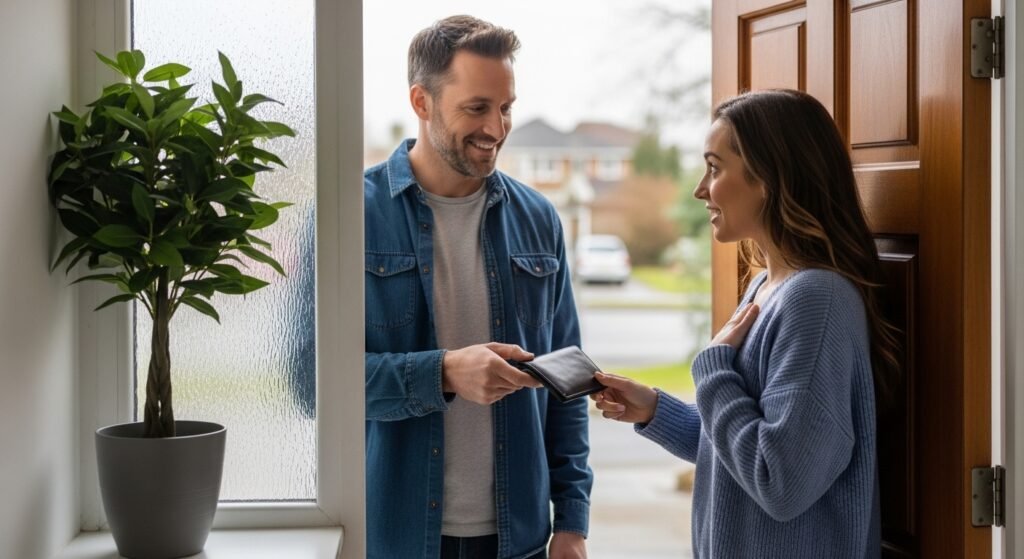
One of the most memorable experiments involved a stranger who not only returned the wallet but traveled across town to deliver it personally. The moment highlighted how kindness can exceed expectations in everyday situations.
The Wallet Left at a Gas Station
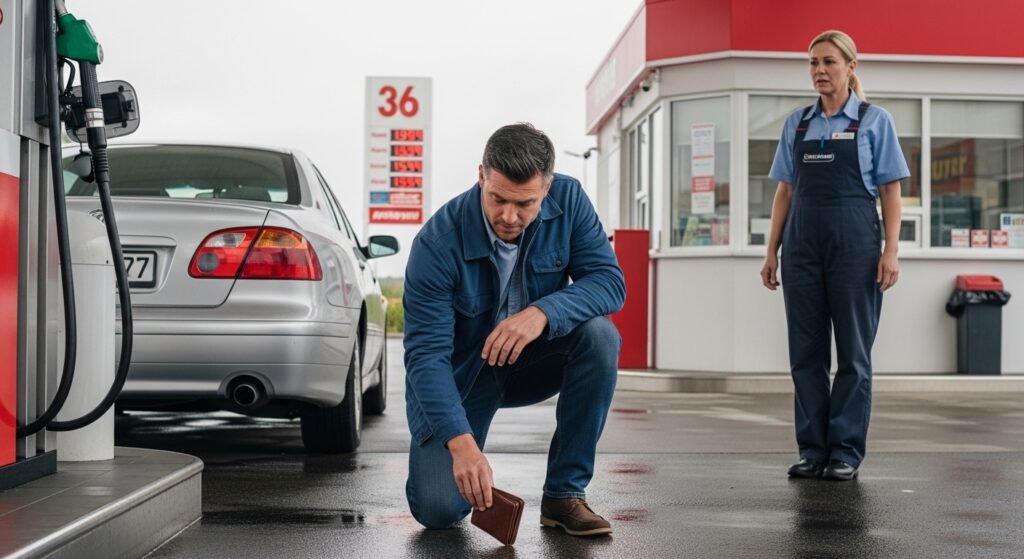
Wallets dropped near fuel pumps were often turned in quickly. Drivers passing through understood how stressful losing a wallet during travel could be, prompting many to alert station attendants immediately.
The Student Campus Test
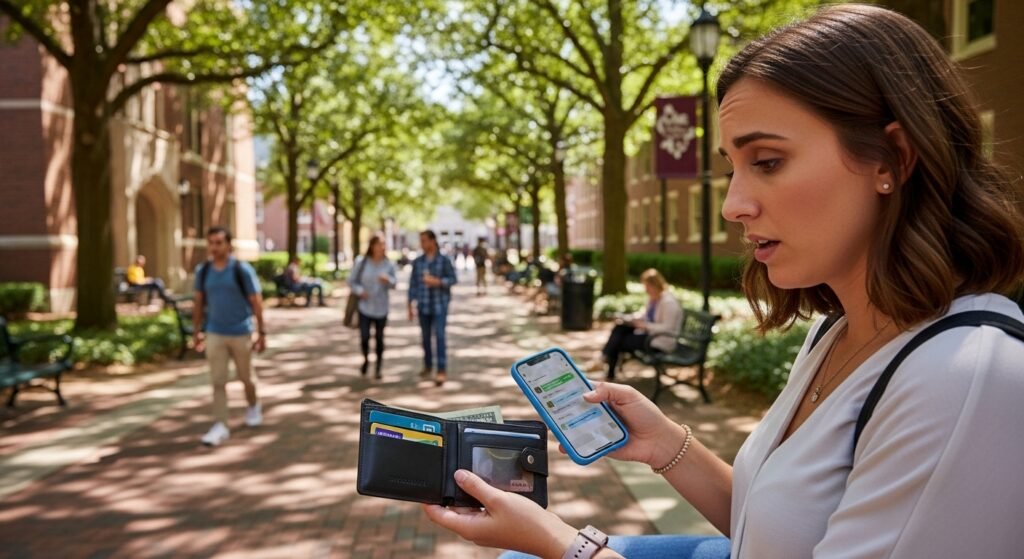
On college campuses, students frequently contacted the owner through social media or university directories. Technology gave finders quick ways to reconnect wallets with owners, showing how modern tools support honest behavior.
The Wallet With a Note
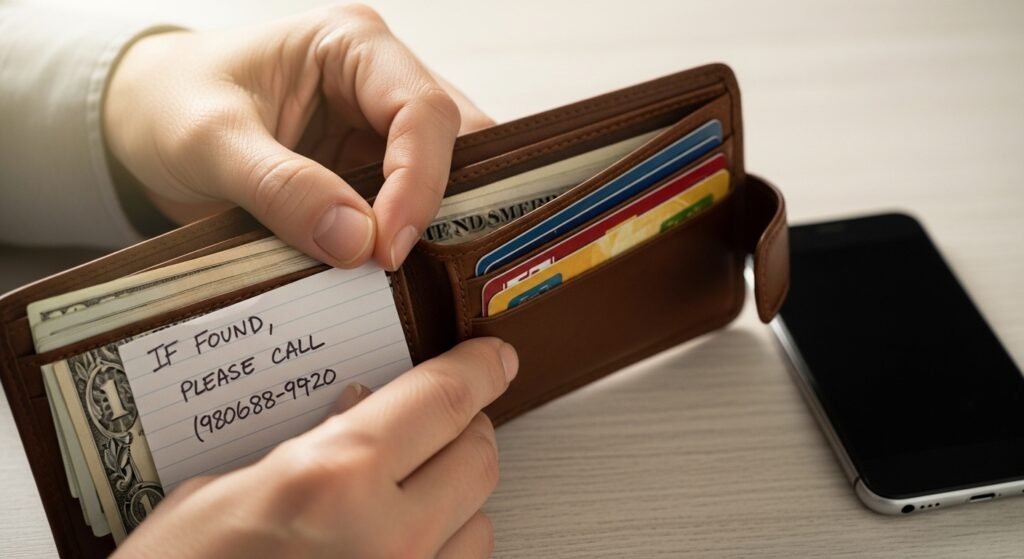
Some experiments included a simple handwritten note with contact information. Clear instructions increased the chances of return, demonstrating that people are often willing to help when the next step is obvious.
The Long-Distance Return Story
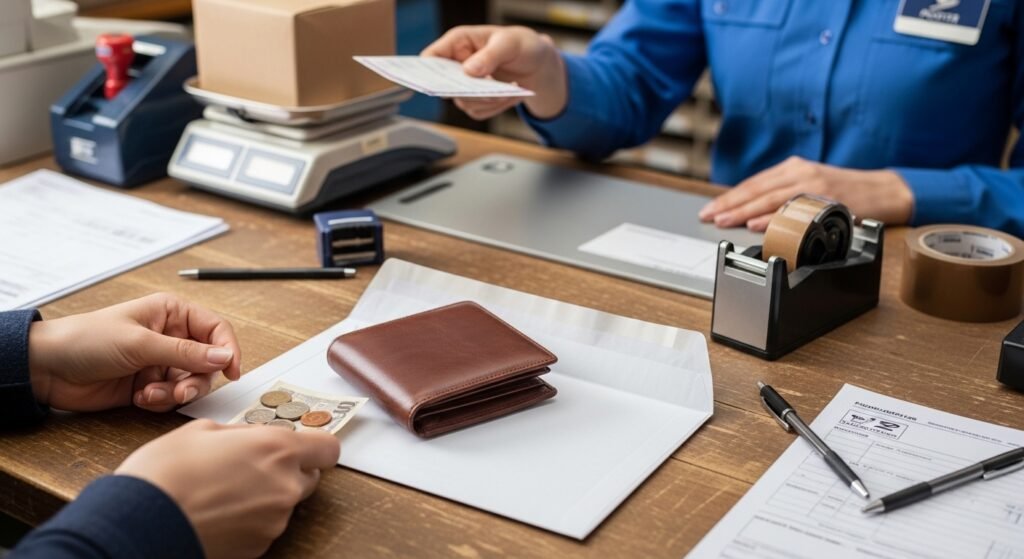
In a few remarkable cases, wallets were mailed back to owners from different cities. The finders paid postage themselves, proving that integrity sometimes extends far beyond the minimum effort required.
