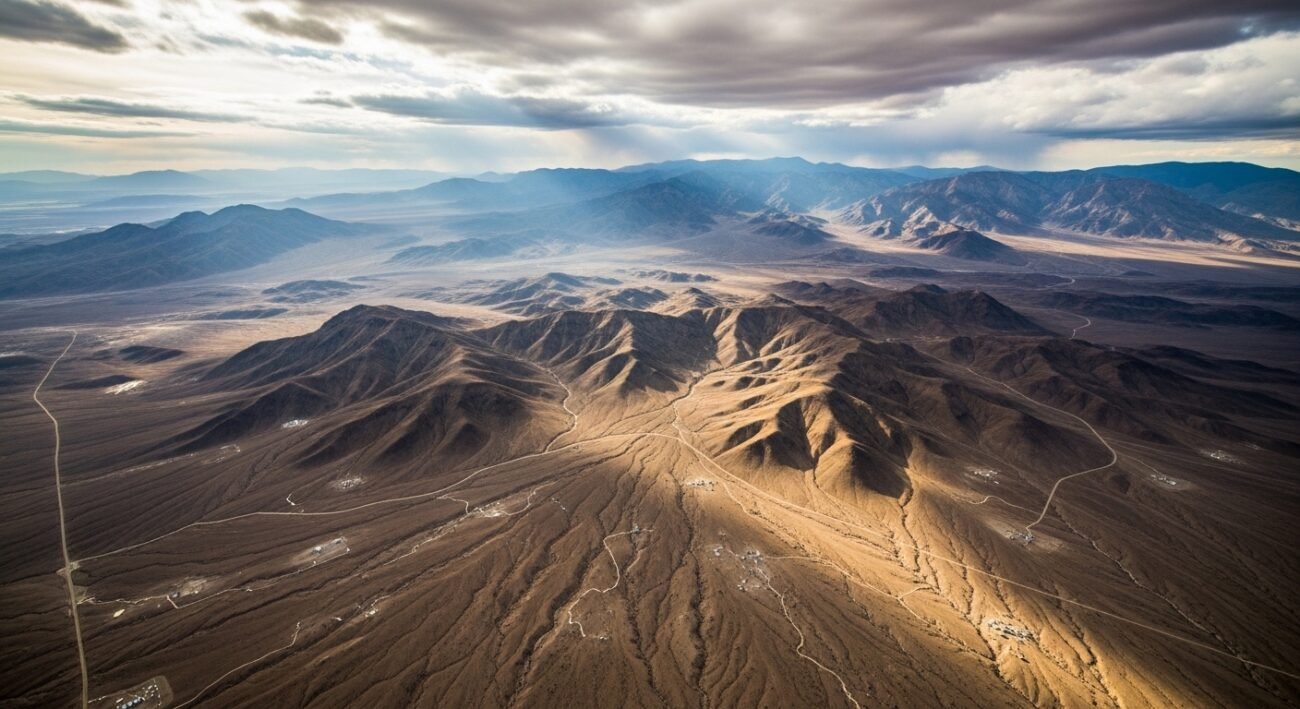
A series of small but unusual earthquakes has drawn attention to a historic nuclear testing region in the United States. Scientists monitoring the area around the Nevada National Security Site detected more than one hundred tremors within a relatively short period. The cluster occurred in the desert northwest of Las Vegas, where underground nuclear weapons experiments once took place. Researchers from the United States Geological Survey are examining the data carefully. While the earthquakes were minor, the pattern has raised questions about underground geological movement. Experts are now studying whether natural forces, historic testing activities, or a combination of both may explain the unusual seismic activity.
Discovery of the Seismic Cluster
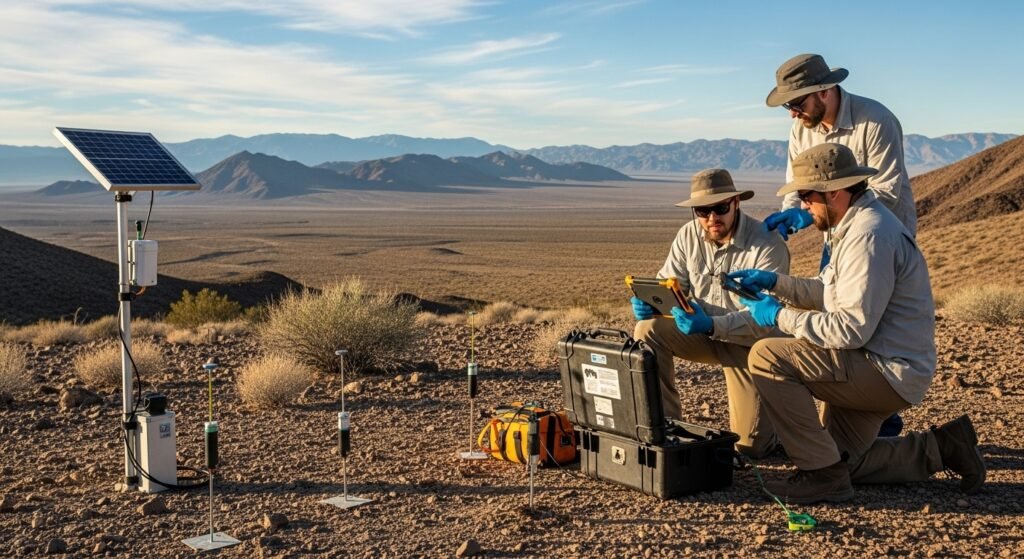
Scientists first noticed unusual seismic activity near the historic testing grounds of the Nevada National Security Site in the United States after instruments recorded dozens of small earthquakes within a short period of time recently.
Researchers Begin Detailed Analysis

Researchers from the United States Geological Survey began reviewing the cluster of more than one hundred tremors to understand whether they were linked to natural tectonic movement, underground geological stress, or historic nuclear testing activity.
Mostly Small but Frequent Tremors
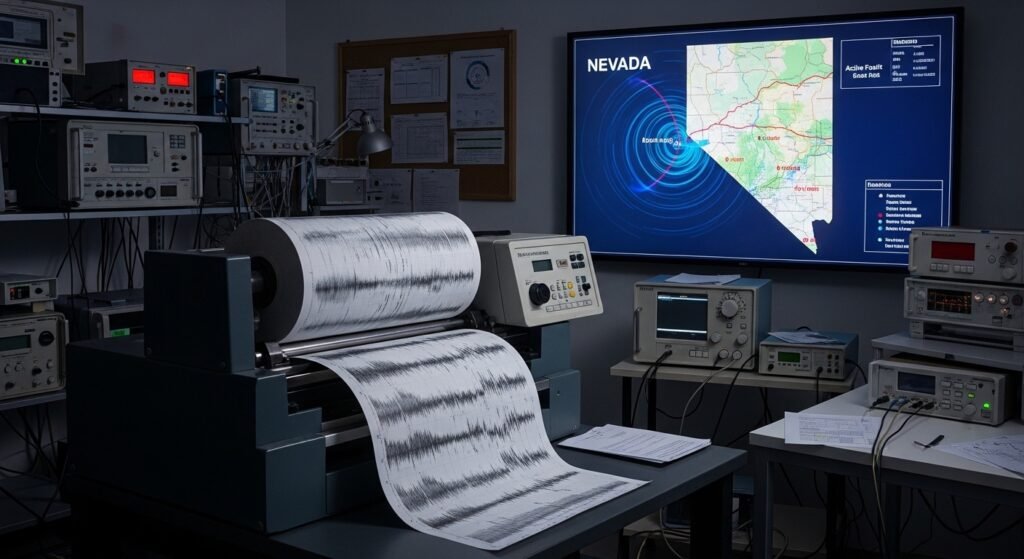
Most of the earthquakes were minor measuring below magnitude three yet their frequency drew attention because the region usually experiences only scattered seismic signals across the desert landscape each year according to monitoring reports released.
Historic Nuclear Testing Location
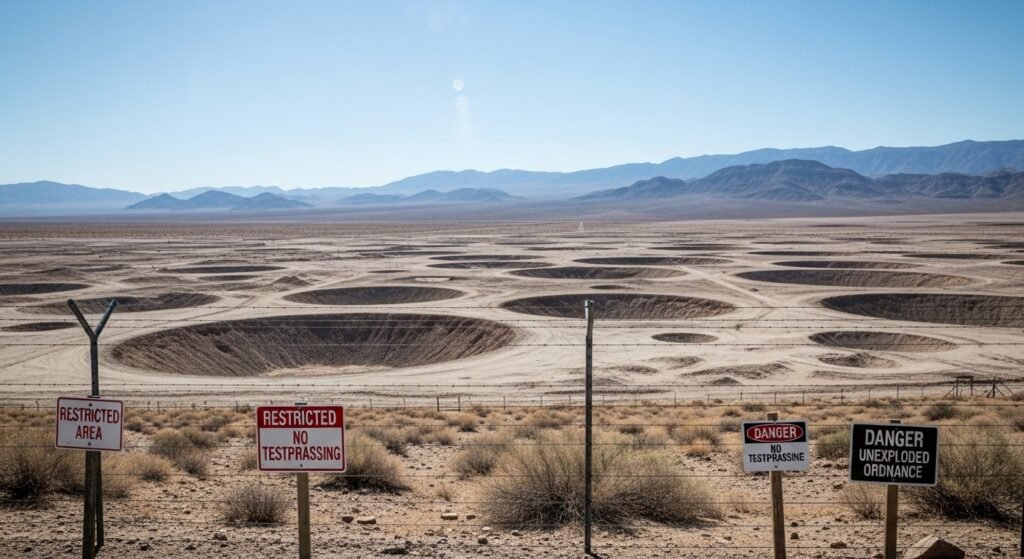
The Nevada National Security Site located northwest of Las Vegas served as the primary location for American nuclear weapons testing during the twentieth century leaving complex underground structures that scientists monitor carefully today for safety.
Possible Geological Adjustment
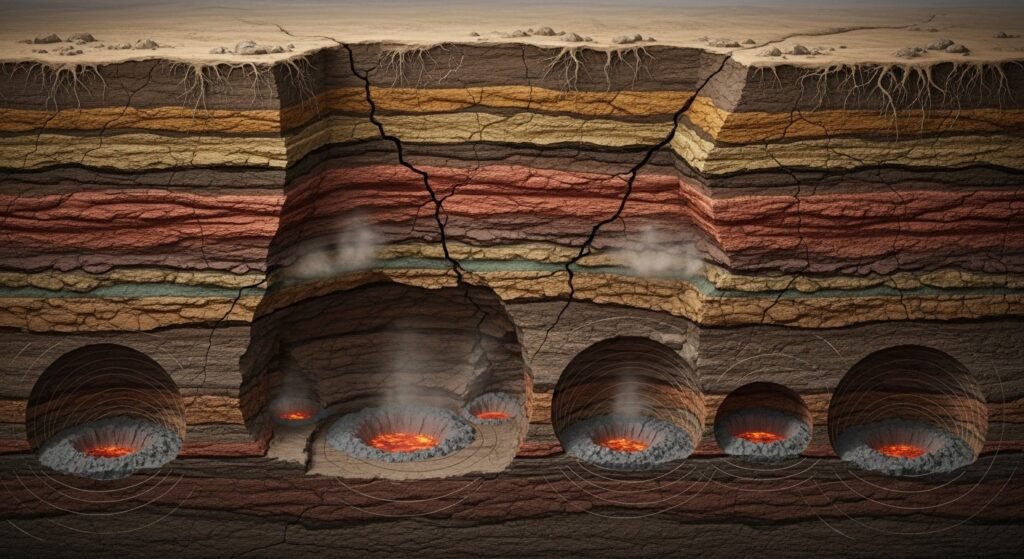
Seismologists say clusters like this sometimes occur when underground rock layers adjust slowly after decades of pressure changes caused by earlier explosions deep beneath the desert surface though confirmation requires careful long term seismic analysis.
Gradual Pattern of Activity
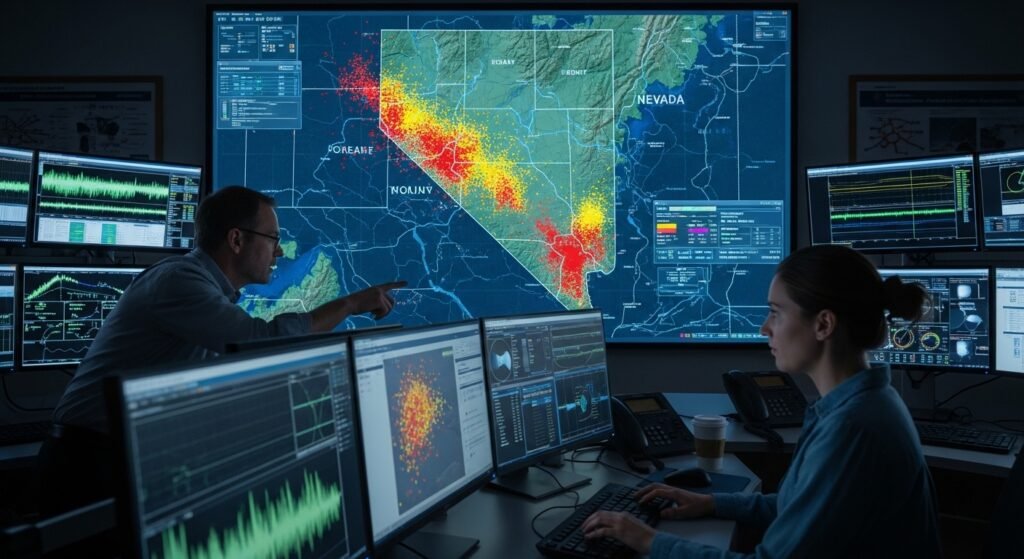
Data collected from sensitive monitoring stations across Nevada showed that the tremors happened gradually over several months rather than a single day suggesting a shifting underground stress pattern instead of one sudden geological event entirely.
No Immediate Risk Reported
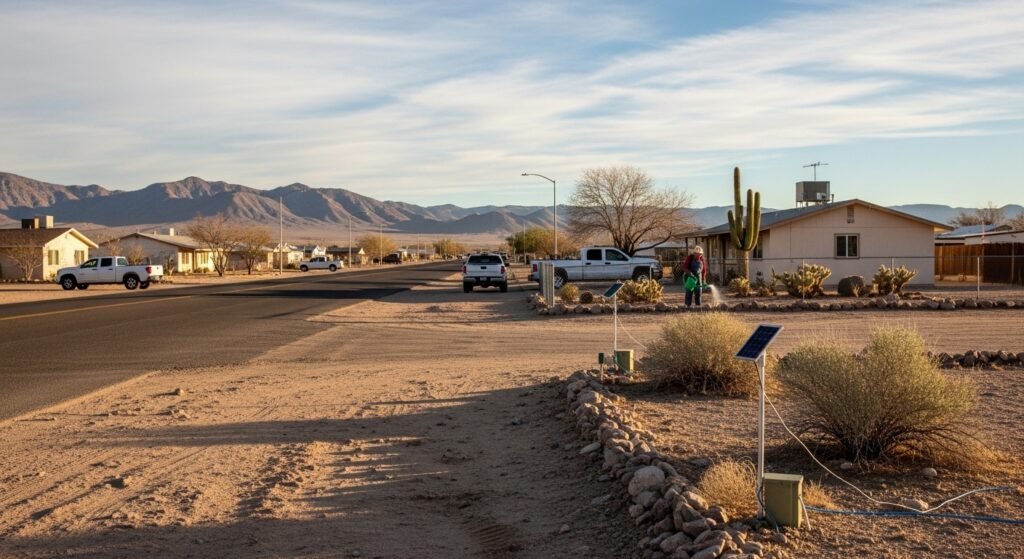
Officials emphasized that none of the recorded earthquakes were strong enough to threaten nearby communities infrastructure or research facilities and there were no reports of injuries damage evacuations or emergency alerts issued during the period.
Comparing With Historical Records

Scientists are now comparing the recent seismic signals with decades of historical records from the Nevada test region to see whether similar patterns appeared in earlier years following nuclear experiments conducted during the Cold War.
Challenges of Desert Geology
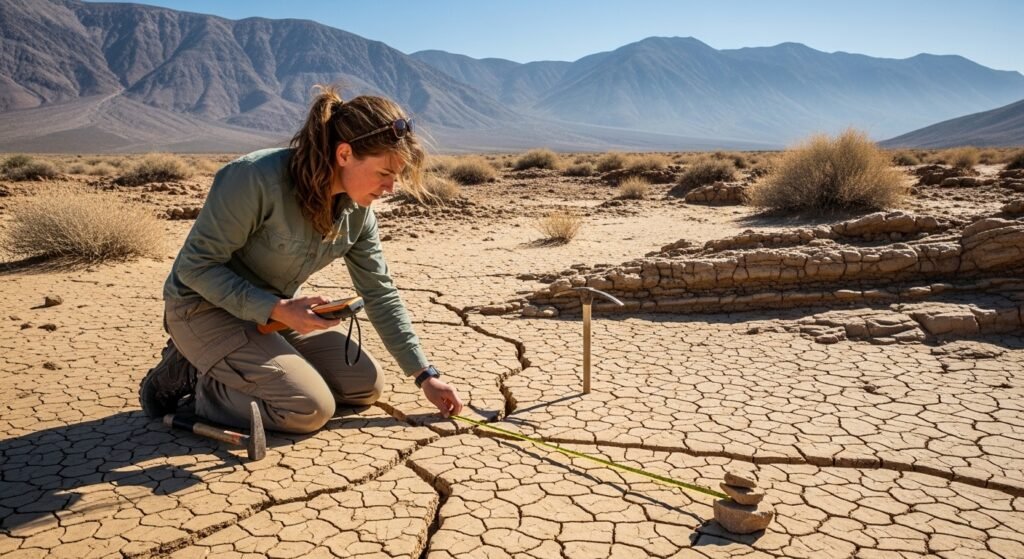
Geologists also note that desert environments can hide subtle geological shifts making high precision monitoring equipment essential for detecting movements deep below the ground that might otherwise remain unnoticed for long periods of scientific observation.
Role of Modern Monitoring Technology
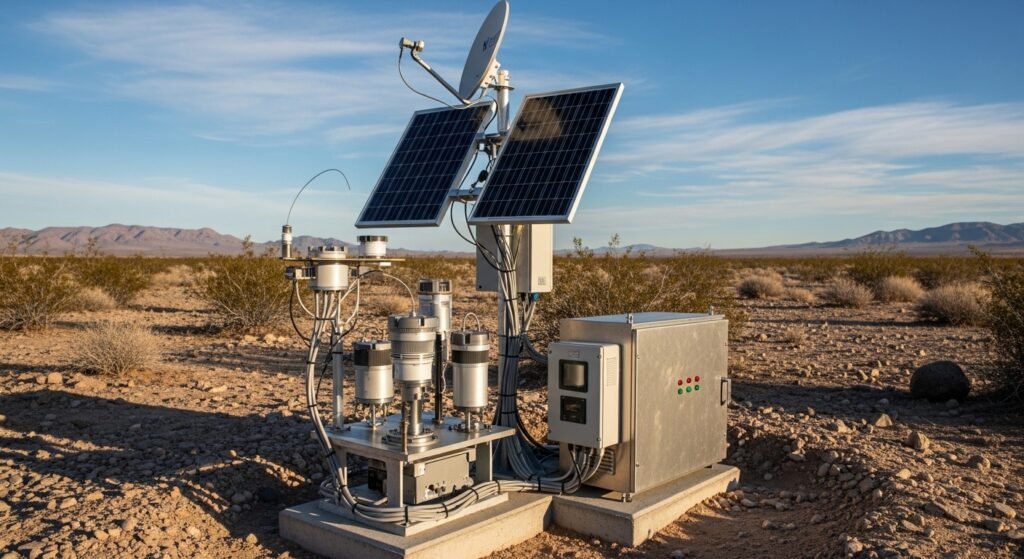
The investigation highlights how modern seismic technology allows researchers to track even faint underground vibrations offering valuable insight into how former nuclear testing zones continue evolving beneath quiet desert landscapes decades after active testing ended.
Continued Monitoring Planned
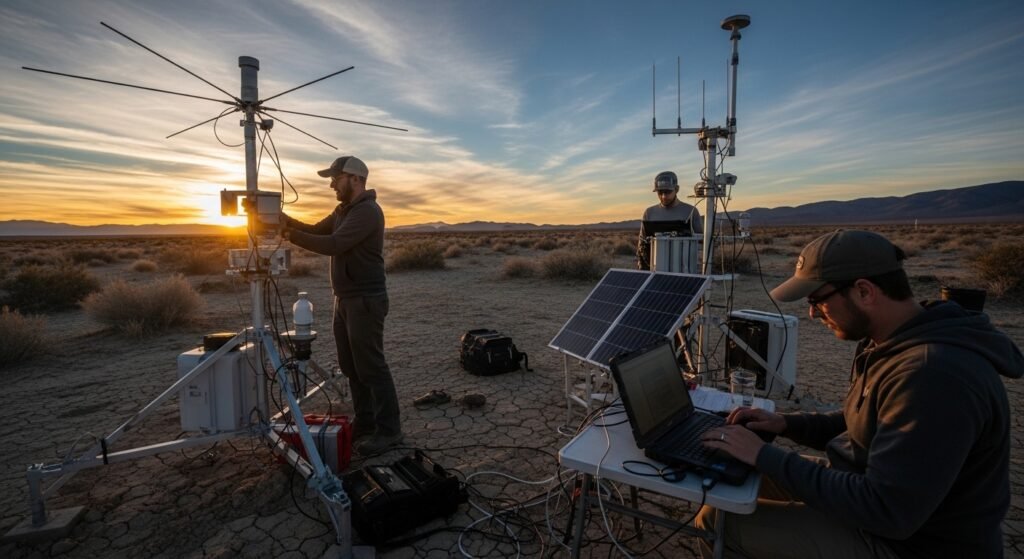
Researchers plan to keep monitoring the region closely because continued earthquake clusters could reveal important details about underground rock stability and help improve long term safety planning around nuclear testing locations in the United States.
