
The ChatGPT caricature trend refers to a recent social media pattern where users request exaggerated descriptions of personalities, professions, or fictional figures through structured prompts. The approach focuses on humor, exaggeration, and simplified traits. Content creators share results across platforms due to short length and repeatable format. The trend gained momentum through prompt reuse, visual pairing, and rapid experimentation by general users and marketers.
What the ChatGPT caricature trend means
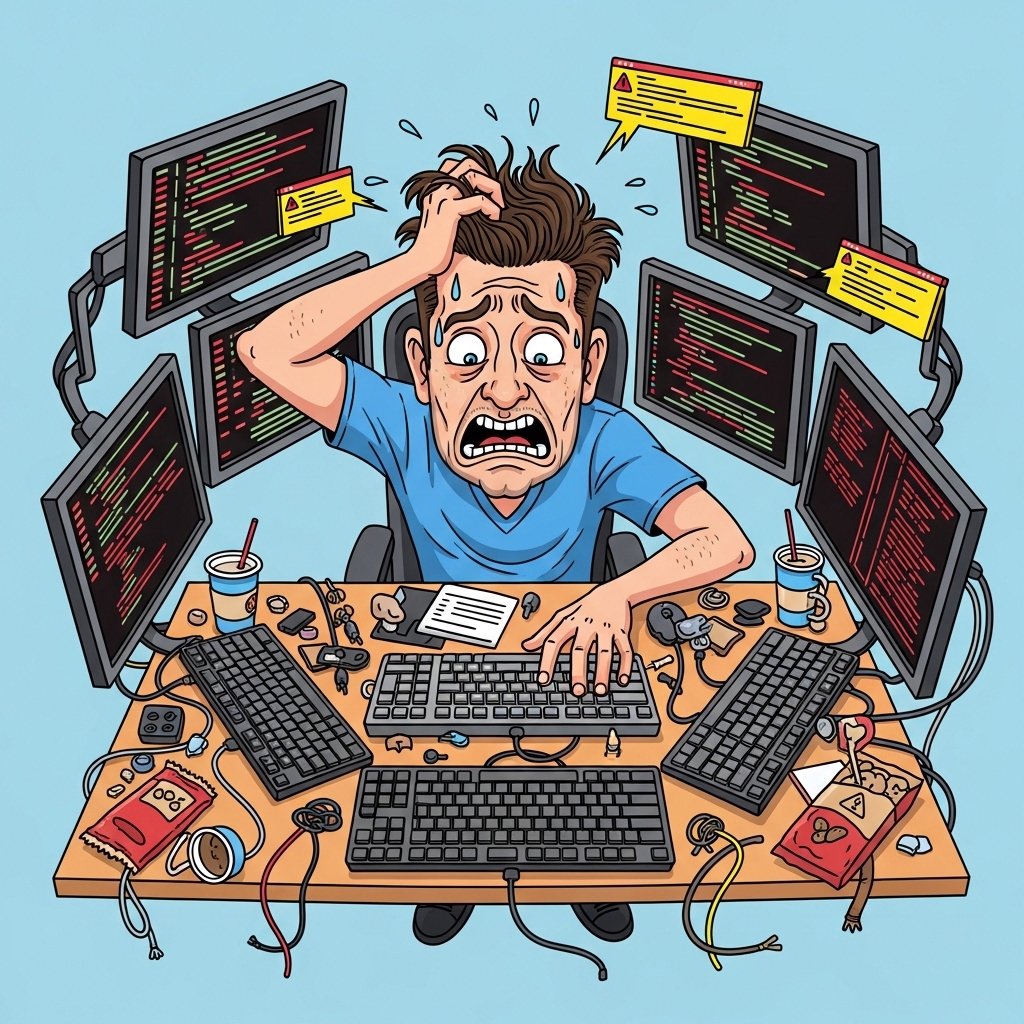
The ChatGPT caricature trend centers on exaggerated personality summaries generated through text prompts. Users request descriptions emphasizing habits, speech patterns, or stereotypes linked to a role or identity. The output usually appears concise and humorous. Social platforms favor such content due to fast consumption and strong engagement metrics.
How the trend started online

Early usage appeared within prompt sharing communities and short form video platforms. Creators tested exaggerated outputs for jobs, cities, or daily routines. Audience reactions drove reuse. Reposting with minor prompt changes allowed scale. The absence of complex setup lowered entry barriers for new participants.
Why caricature prompts gain traction

Caricature prompts produce predictable structure with varied outcomes. Readers grasp the joke quickly. Shareability increases due to low context needs. Engagement rates rise when audiences tag friends fitting a description. Platforms reward repeated interaction, reinforcing visibility for similar content.
Common formats used in prompts

Most prompts follow a role definition, tone instruction, and exaggeration request. Examples include workplace roles, hobbies, or age groups. Instructions often limit length or request bullet style responses. Clear structure improves consistency across outputs and simplifies replication.
Role of exaggeration in responses
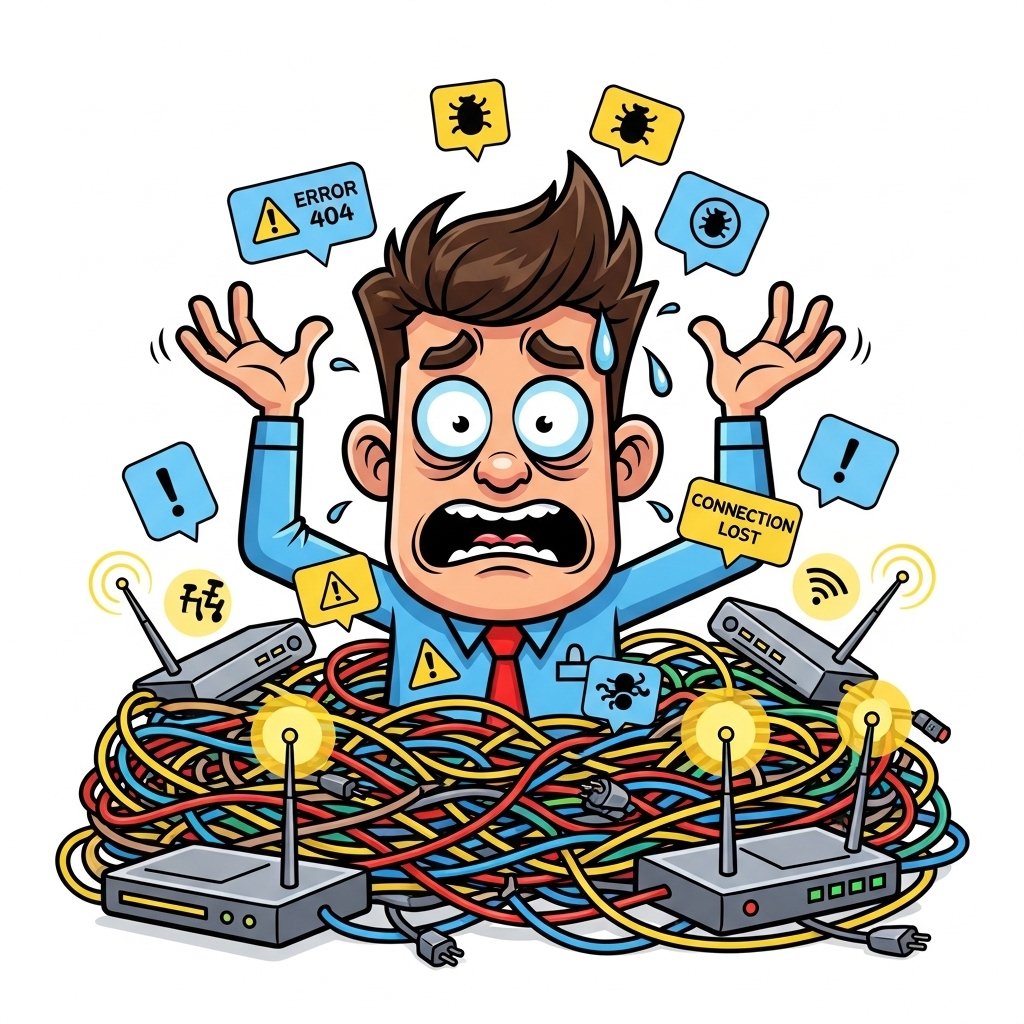
Exaggeration serves as the core mechanic of the trend. Traits receive amplification while nuance receives reduction. The process mirrors traditional caricature drawing through text. Audiences recognize overstatement as intentional humor rather than factual assessment, reducing confusion during interpretation.
Ethical boundaries users should consider

Responsible usage avoids targeting sensitive traits or personal identities. Prompts focusing on behavior or professional habits receive better reception. Public figures and fictional roles pose fewer risks. Broad categories lower chances of offense and maintain platform compliance.
Examples of safe caricature themes

Popular safe themes include remote workers, gym beginners, coffee enthusiasts, startup founders, and students during exams. These categories rely on shared experiences rather than personal attributes. Such themes perform well due to relatability and low controversy risk.
Sample prompts users try
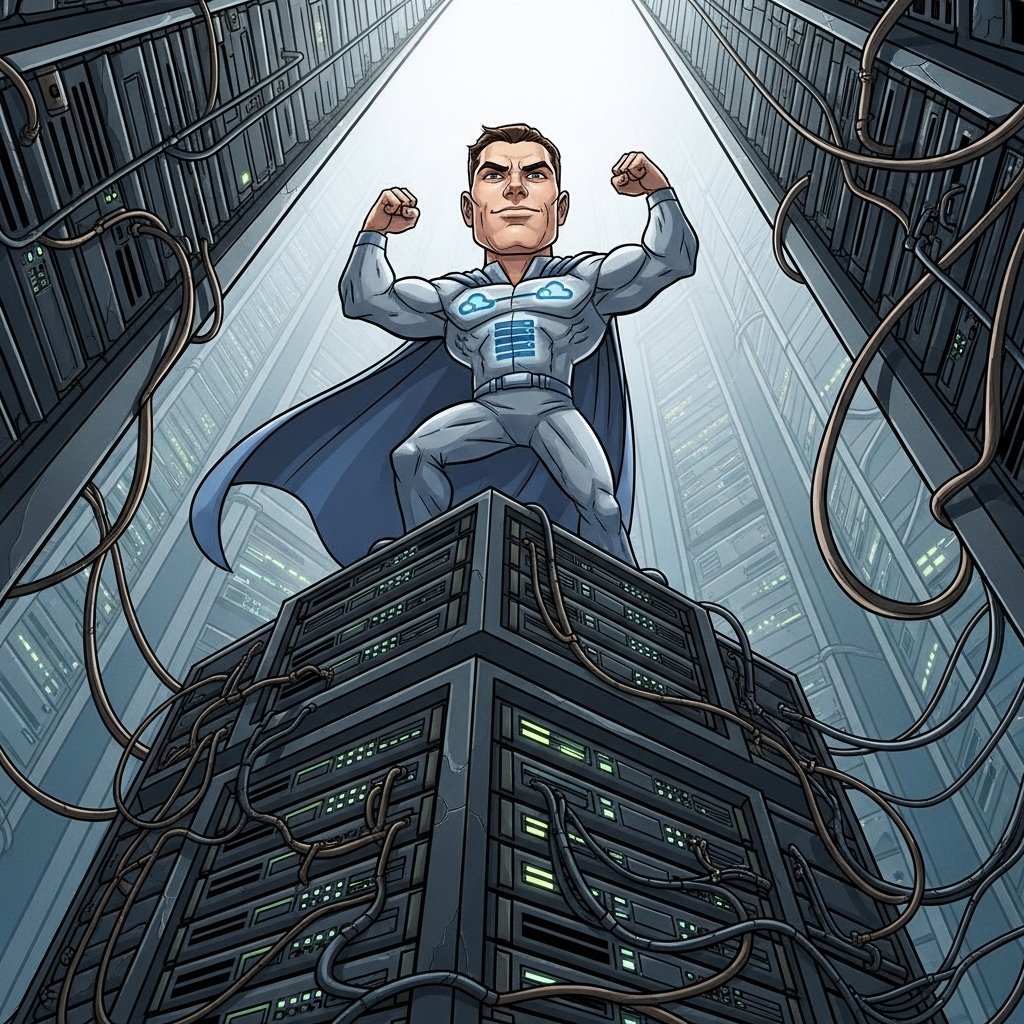
A common prompt reads, Write a playful caricature of a freelance designer during deadline week, focusing on habits and work patterns. Another prompt requests a caricature of a productivity enthusiast based on daily routines. Short instructions guide tone and exaggeration.
Use of caricatures in content marketing
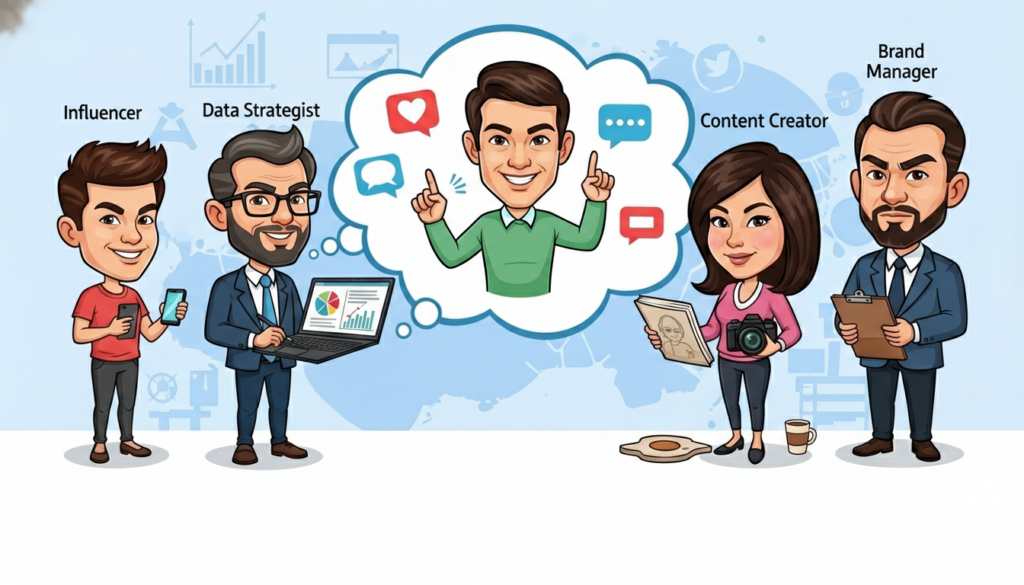
Brands test caricature prompts for audience engagement and comment generation. Marketing teams apply the format to customer personas or industry roles. The approach supports awareness campaigns rather than direct promotion. Performance tracking focuses on shares and saves.
How long the trend sustains relevance

Trends relying on prompt reuse face saturation. Variation through niche roles extends lifespan. Platforms favor novelty, so creators adjust tone or context. The caricature format remains adaptable due to low production effort and flexible application.
