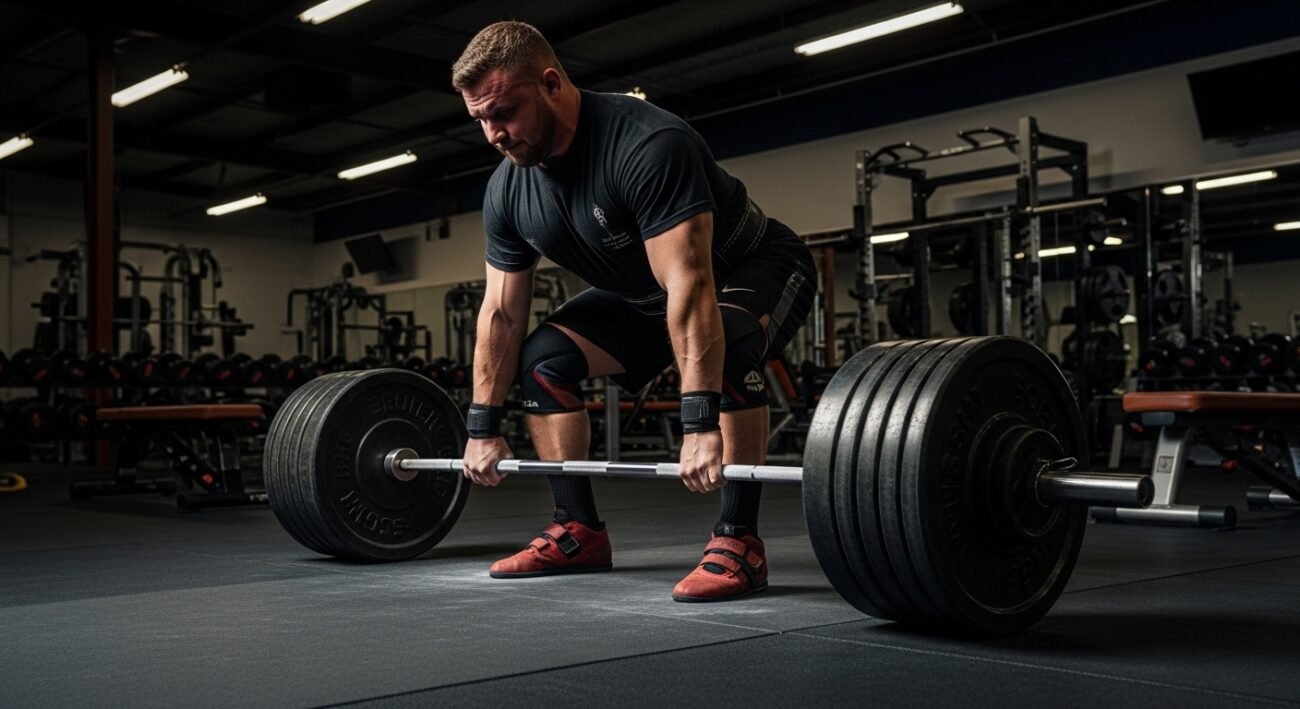
Conventional deadlifts are based on full resets between sets. A number of lifters wish to have a quicker way of gaining strength and size. Touch and go deadlifts provide more training density and constant tension. This approach lowers the down time between reps and raises the amount of work per set. Touch and go training is beneficial to experienced lifters as it enables them to have effective workouts by preserving heavy loading and bar routes.
Why Traditional Deadlifts Slow Training Progress
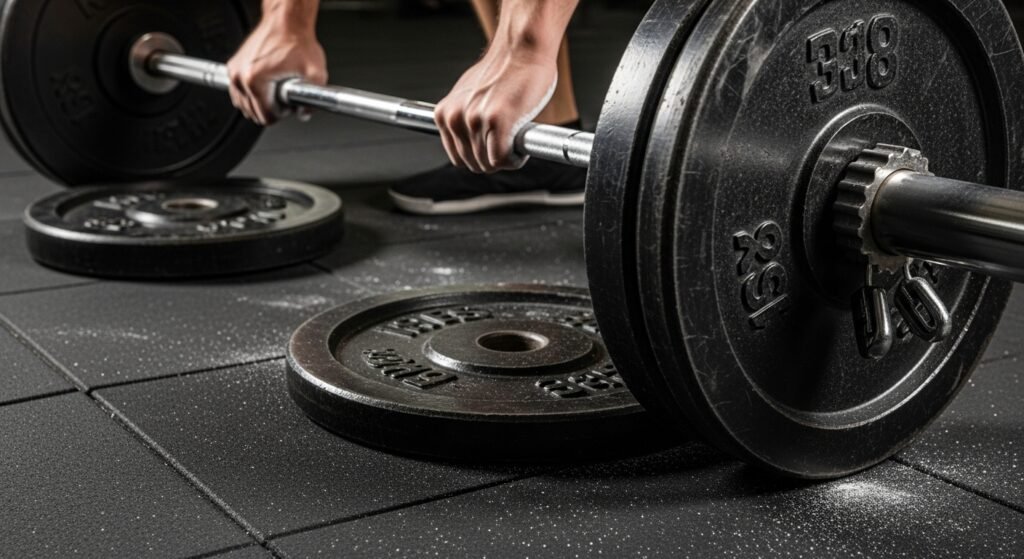
Traditional deadlifts require a full stop on the floor after each repetition. This reset increases rest inside the set. Rest lowers time under tension and reduces total workload. Over weeks, slower sets limit weekly volume. Reduced volume often links with slower muscle growth and plateaus in pulling strength.
What Defines Touch and Go Deadlifts

Touch and go deadlifts keep the barbell moving between repetitions. Plates lightly contact the floor before the next pull begins. Tension stays active across the posterior chain. The lifter controls descent speed to maintain positioning. This approach shortens set duration while preserving heavy loading patterns.
Time Under Tension and Muscle Growth

Time under tension is a very powerful stimulus of muscle growth. Repetitions by touch and go stretch tension throughout every set. The constant loading of hamstring, glutes and spinal stabilizers is more challenging. When the load remains moderate to heavy, the research is associated with an increase in hypertrophy with increase in tension duration. Touch and go training is in line with such mechanism.
Strength Development Through Repeated Pulls

Strength improves through repeated exposure to force production. Touch and go deadlifts increase repetition count under stable loads. More repetitions per set raise neural efficiency for the pulling pattern. Over time, lifters experience smoother bar paths and improved force output during heavy pulls.
Reduced Energy Loss Between Reps
A dead stop resets muscular tension. Touch and go repetitions preserve elastic energy during the eccentric phase. This stored energy supports the following concentric pull. Preserved energy reduces wasted effort. Lifters often manage higher repetition totals without reducing load when compared with dead stop sets.
Better Training Density for Busy Schedules
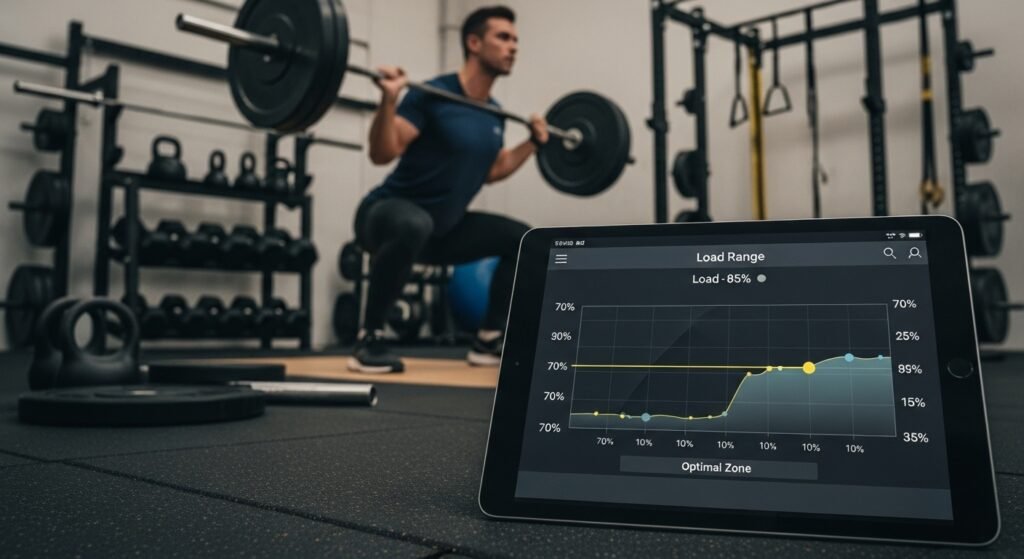
Training density measures work completed per unit of time. Touch and go deadlifts increase density by removing internal pauses. A lifter completes more quality reps in shorter sessions. Higher density supports strength and size goals without extending gym time. This suits structured programs with limited session duration.
Technique Requirements for Safe Execution

Proper positioning remains essential during touch and go training. Neutral spine alignment and controlled bar descent protect joints. Plates should touch lightly without bouncing. Excessive speed increases form breakdown risk. Experienced lifters benefit most due to established movement patterns and body awareness.
Load Selection and Programming Guidelines
Load selection should favor control over maximal weight. Many programs use 70 to 85 percent of one rep maximum for touch and go sets. Repetition ranges from five to eight support both strength and hypertrophy. Touch and go work pairs well with paused or deficit deadlifts on alternate days.
Long Term Adaptation and Progress Tracking

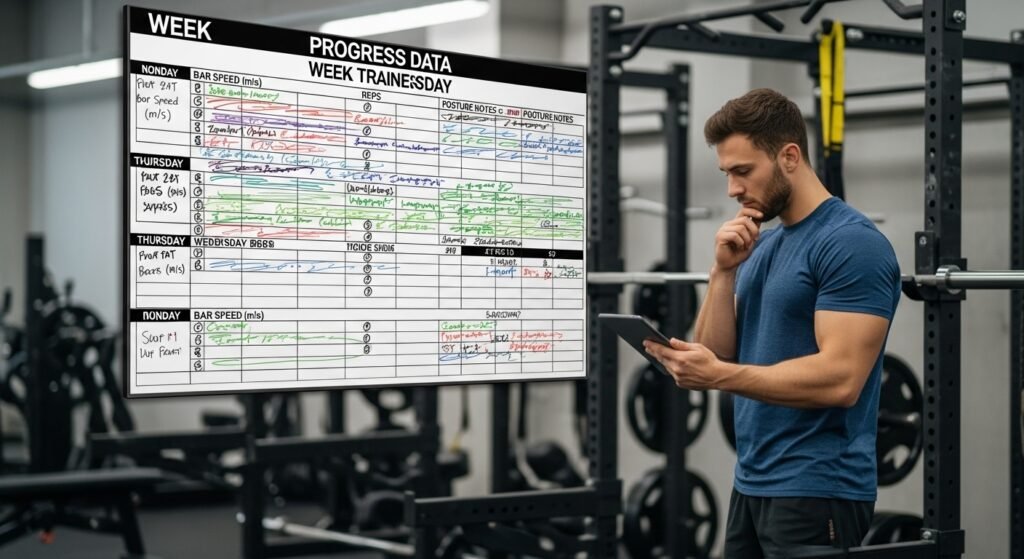
Progress monitoring is concerned with the quality of repetition and load stability. Slow changes in volume adaptation of signal. Lifters are to observe the speed of bars and posture between sets. Weekly training will show the development of muscles and an increase in strength without the build-up of fatigue.
