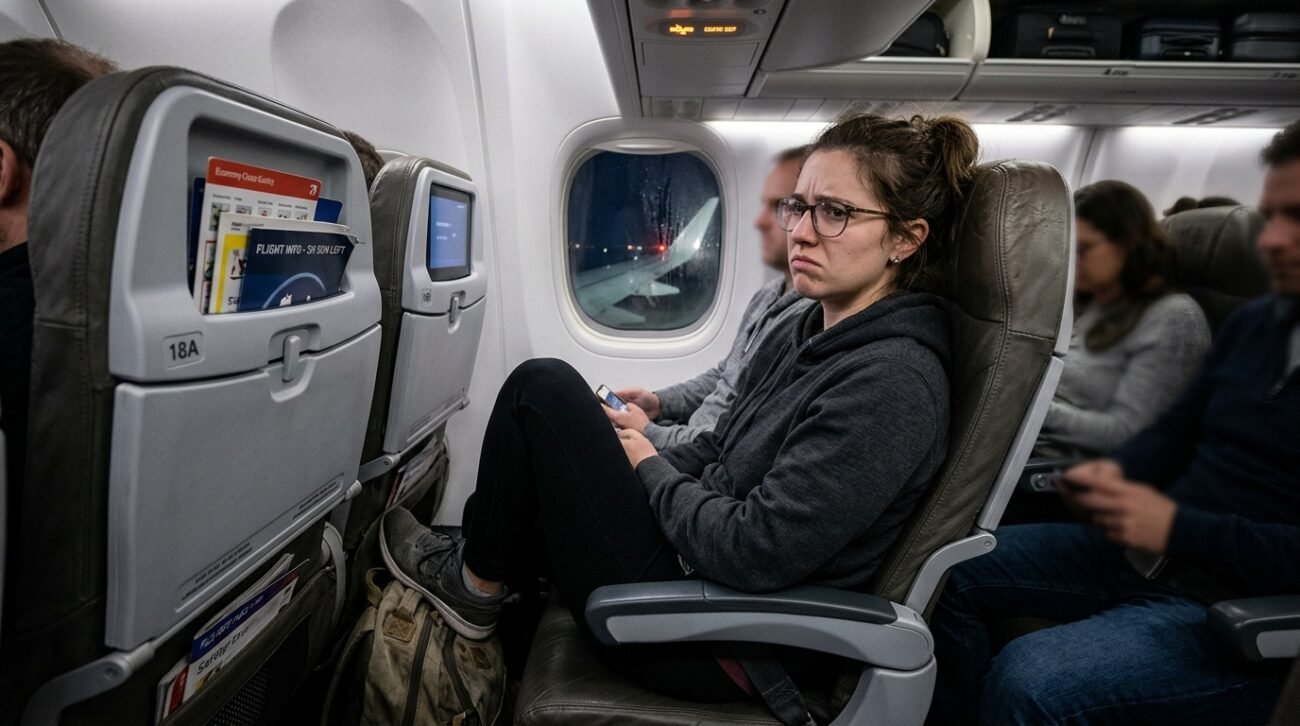
The different economy seats available in the aircraft do not all provide equal comfort because some seats can cause major problems during your flight. The certain seats which offer limited reclining options together with permanent sound disturbances have become the most disliked seats according to frequent travelers and aviation research organizations. The proximity of passengers to lavatories together with the space available between seats and the aircraft cabin design determine the seating experience. The following seats which should be avoided according to airline seat maps, passenger feedback and industry information.
Last Row Seats
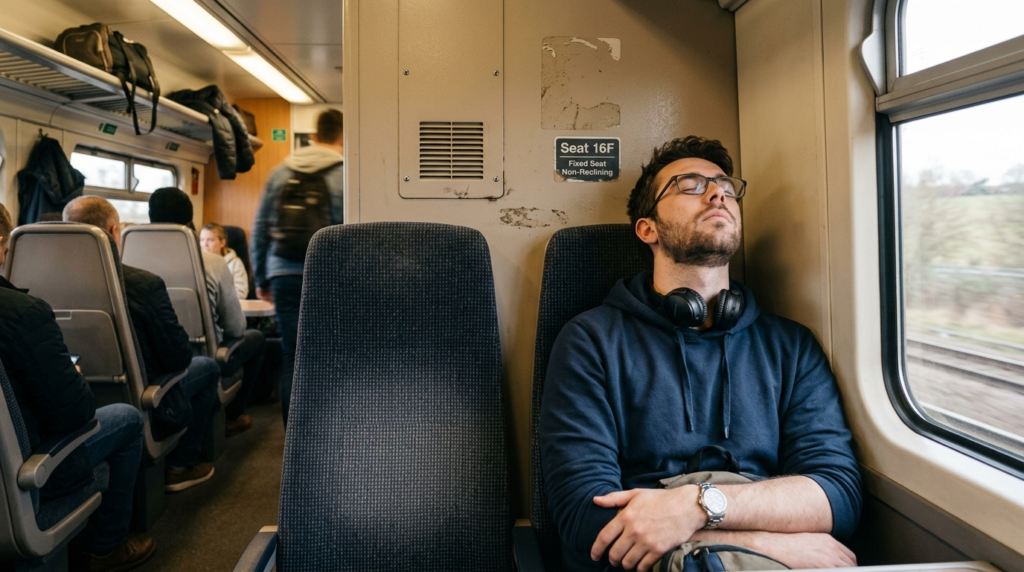
Seats in the final row often don’t recline at all because of the wall behind them. Long flights create difficulties in sleeping and resting because this condition creates problems.
Seats Near Lavatories
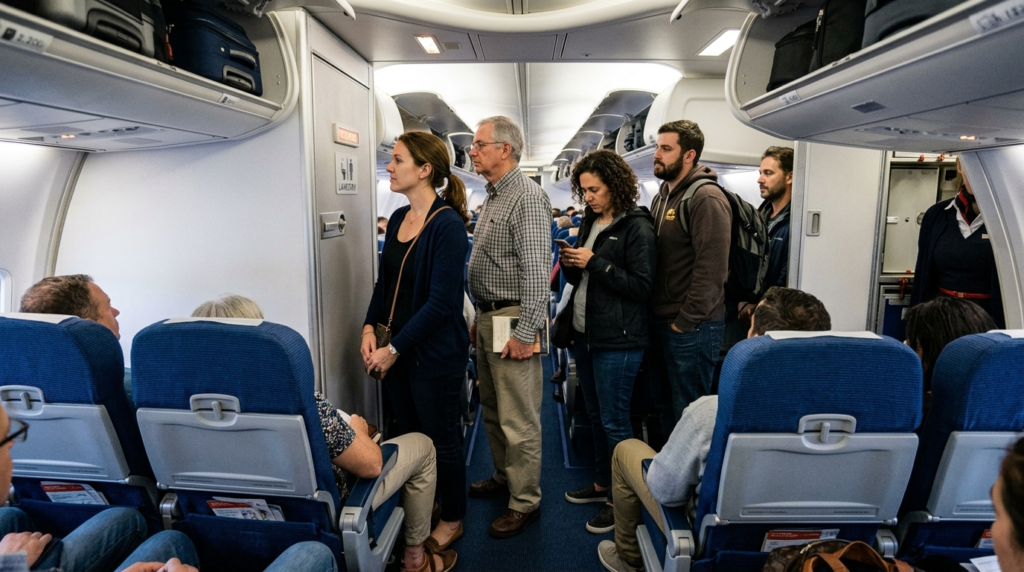
These seats experience heavy foot traffic. People establish queues at nearby locations which results in sound production and unpleasant smells and multiple breaks during the entire flight according to research and passenger testimonials.
Middle Seats
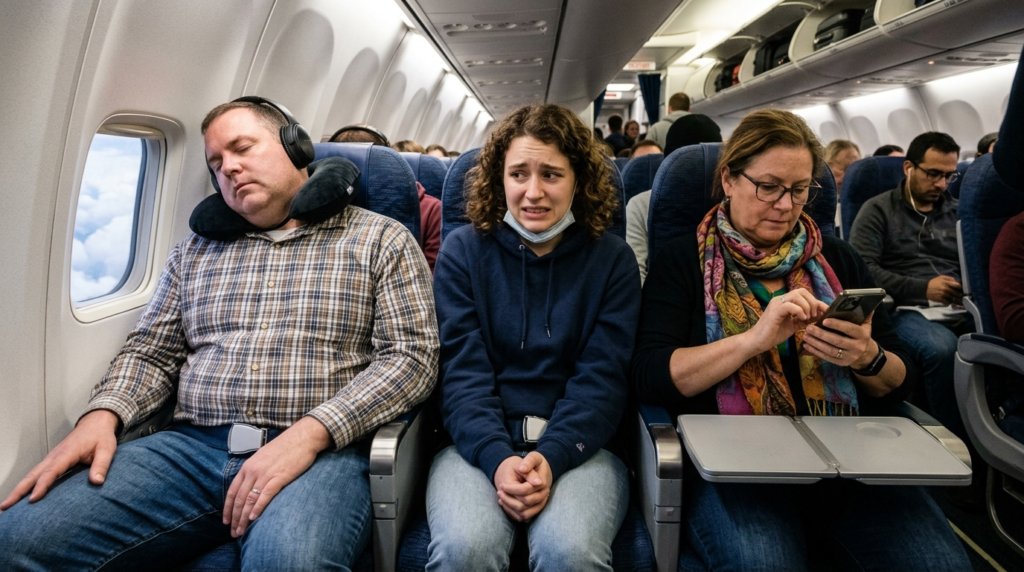
Multiple airline surveys show that more than 60 percent of travelers select window or aisle seats which leads to middle seats becoming the most undesirable seat choice because it offers restricted space and no ability to move.
Seats Near the Galley
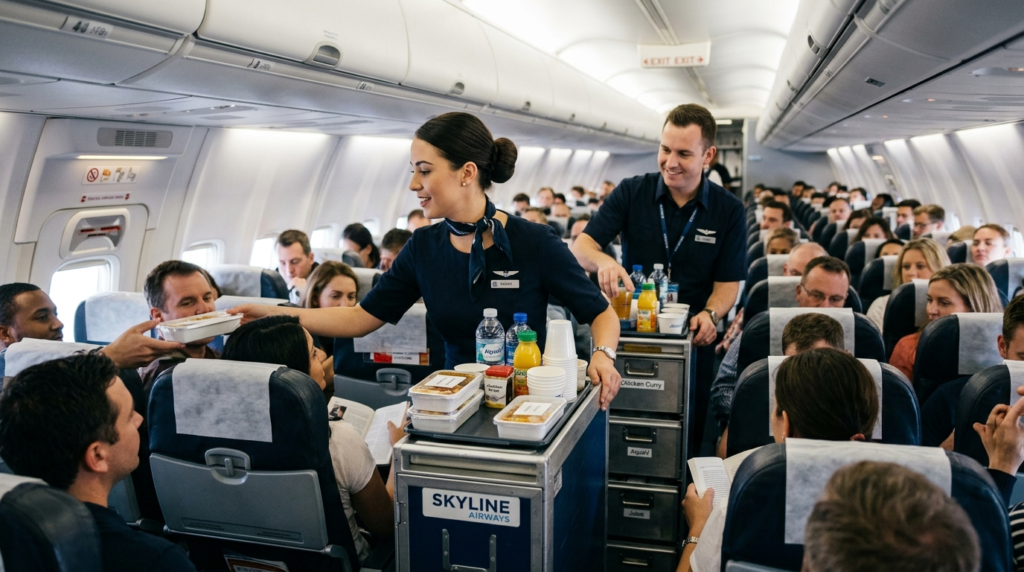
The galley serves as the area where crew members prepare food and beverages for passengers. The area remains active throughout long-distance flights which results in continuous sound and lighting and movement.
Seats With Misaligned Windows
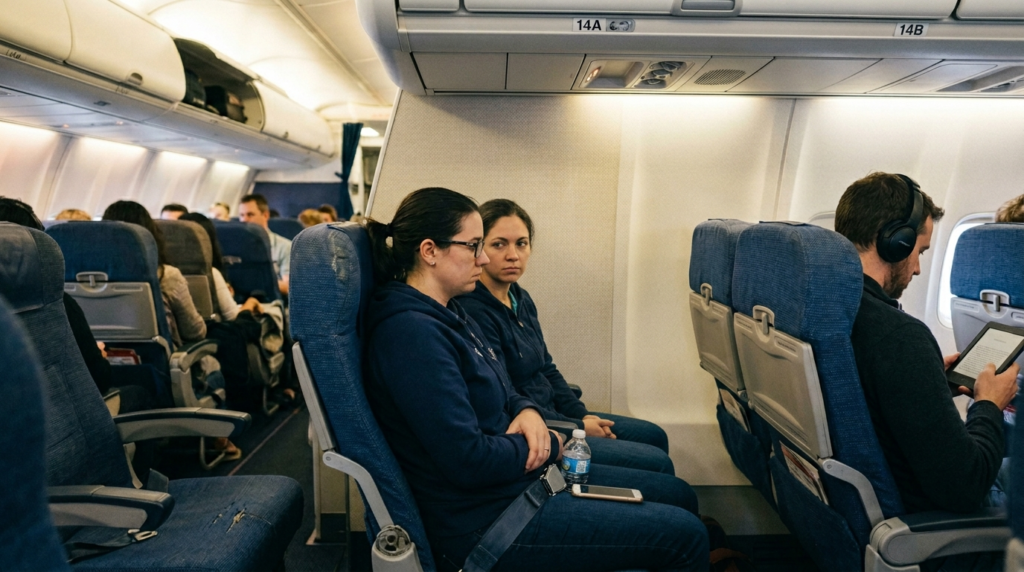
Some window seats don’t actually align with a window due to aircraft design. The main advantage of window seats which provides both visibility and comfort has been eliminated.
Seats With Limited Legroom
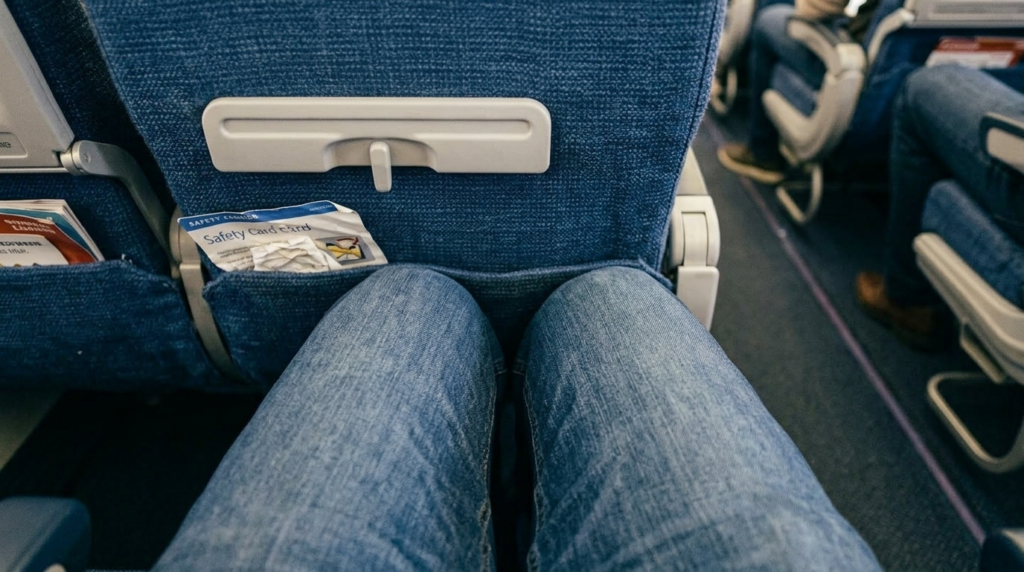
Many airlines show standard economy seat pitch measurements which range between 28 and 32 inches. Airlines which use reduced seat pitch near bulkhead areas and specific airline rows create cramped conditions which bother taller passengers.
Seats Near Emergency Exit Doors
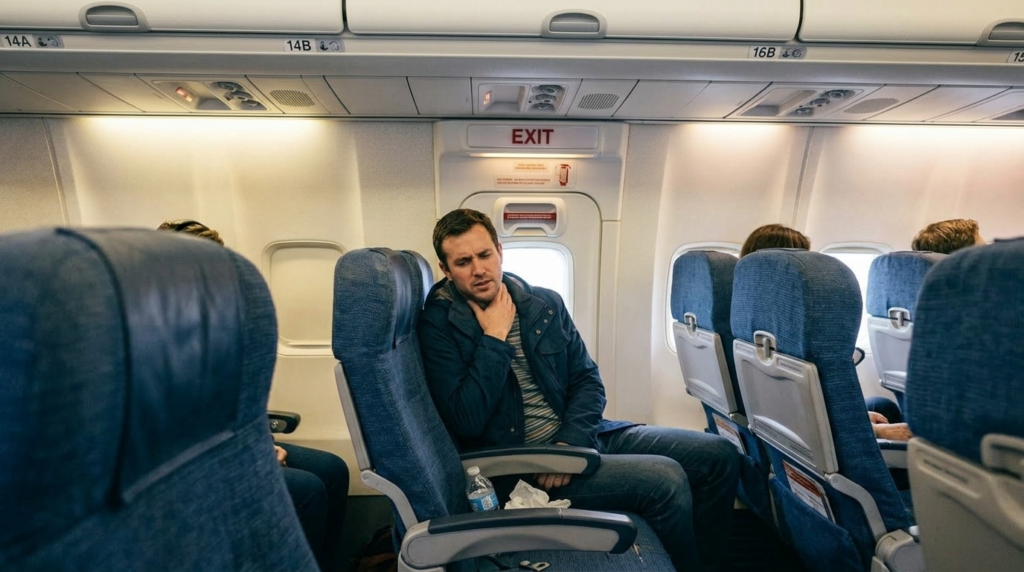
Emergency exit row seats offer plenty of legroom, but some seats near the emergency doors can be cooler because of the different drafts-basically the uncomfortable position during long-haul flights.
Seats in High-Turbulence Areas
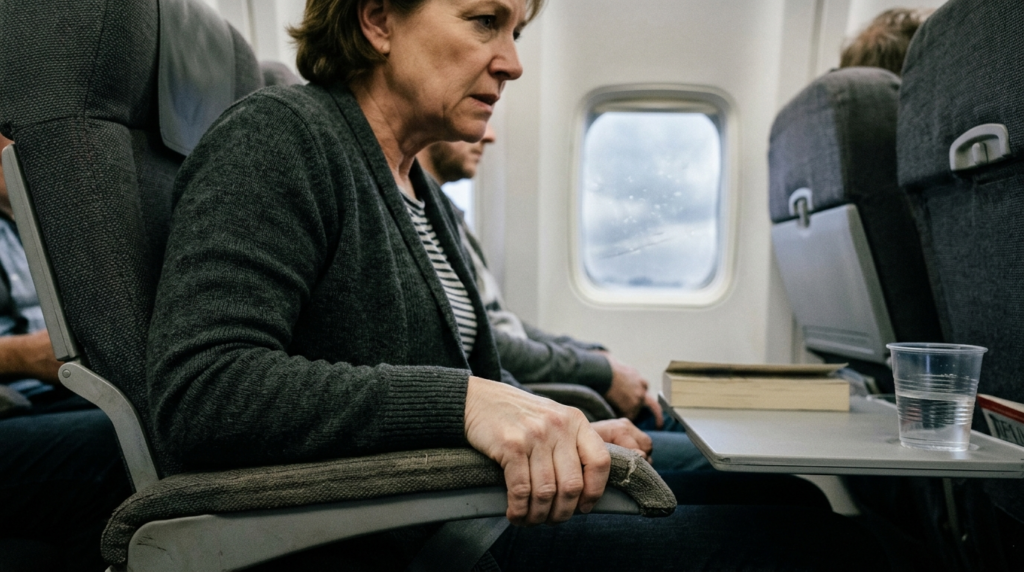
The rear of the aircraft experiences more turbulence than other areas. Aviation experts report that seats located above the wings provide maximum stability while they make the back section less comfortable during turbulent conditions.
Seats With Restricted Recline
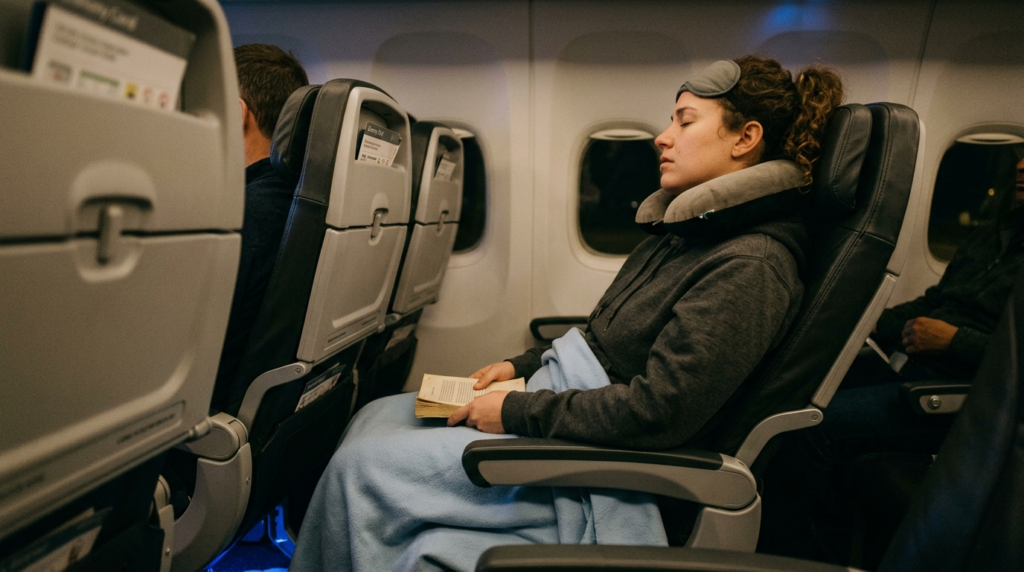
Seats which are positioned directly before exit rows need to comply with safety regulations, which restrict seat back movement, thus creating major discomfort to passengers.
Seats Near Engine Noise
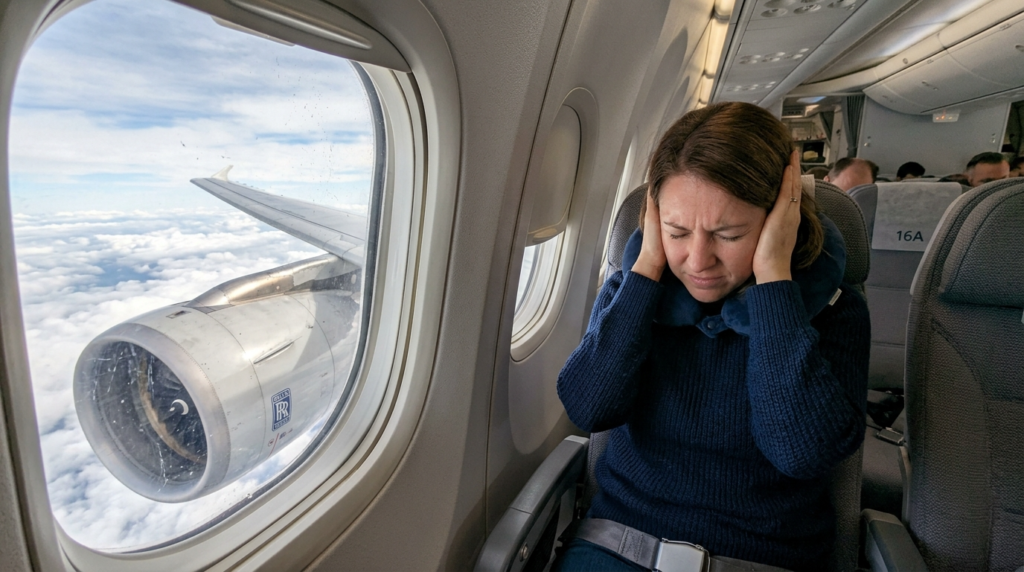
Seats that are situated near the aircraft engines which are located in the mid-wing section of the plane tend to produce higher sound levels. The sound intensity in these areas reaches 85 decibels or higher during takeoff and cruising operations.
