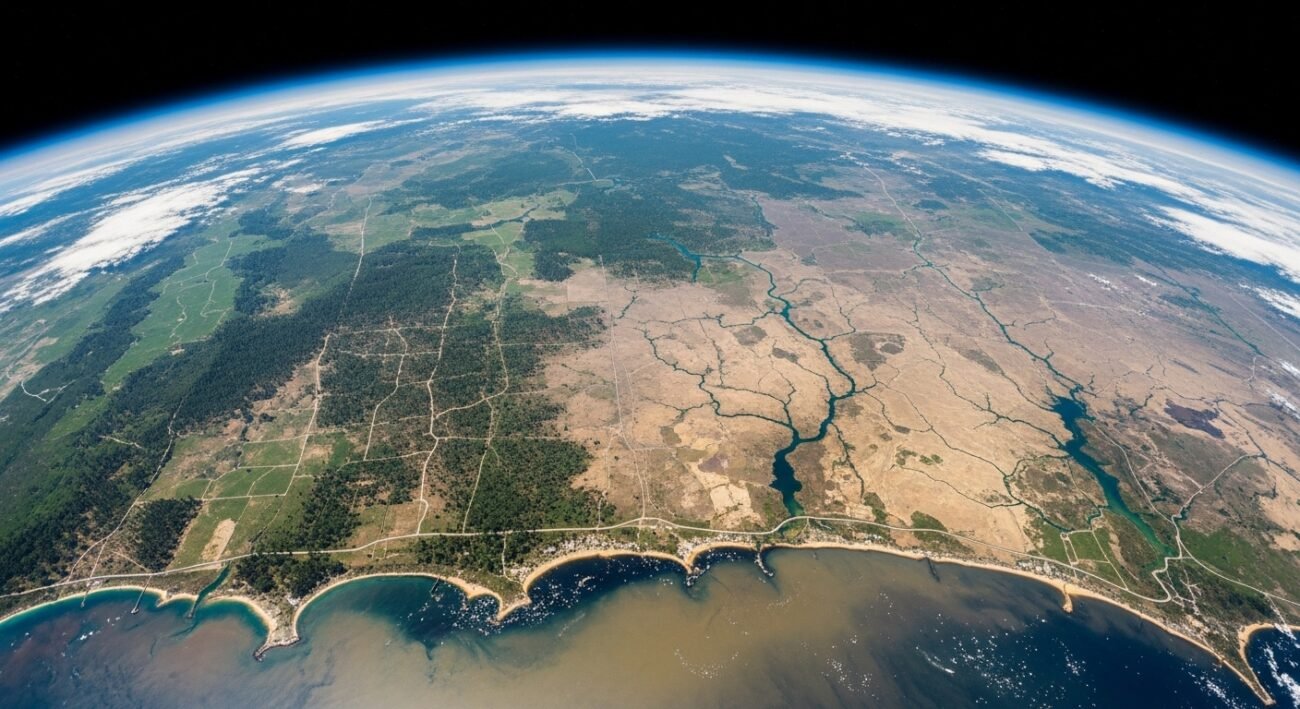
Stress is apparent in life on Earth, whether on land or in the sea. Scientists monitor the dwindling population of animals, their dwindling habitats and accelerating extinction rates compared to pristine levels. In millions of years, fossil records describe 5 previous mass extinctions. Recent statistics indicate a new era of human-induced activity as opposed to the natural ones. Scientists do not explain a moment, but a slow process, which is characterized by a constant reduction of biodiversity in different regions.
The loss of biodiversity has a quantifiable magnitude.
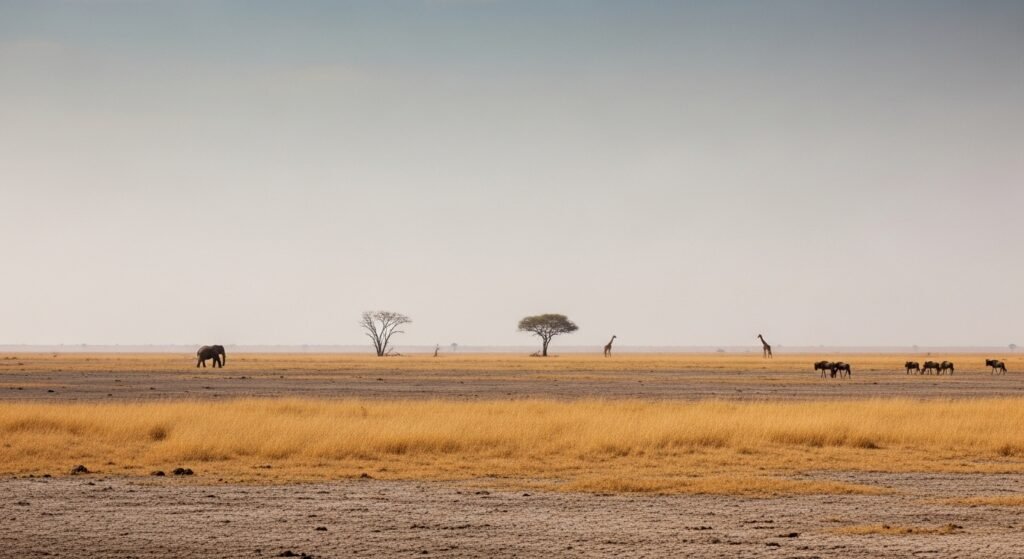
International surveys document falls in population of mammals, birds, reptiles as well as insects. According to the Living Planet Index, there has been an average reduction of more than sixty percent in the wildlife population within the year 1970 to 2010. This kind of figure displays long run pressure and not a short run variation. The scale also correlates to future extinction patterns in the geological records.
The rates of extinction are higher than the background rates.
The natural rates of extinction have gradual patterns on centuries. The existing estimates indicate that the rate of loss of species is tens and hundreds of times higher. The comparison of fossil data and the current surveys is done by paleontologists in order to arrive at such conclusions. The speed of acceleration is a characteristic feature that is taken by scientists to categorize the risk of mass extinction.
Much of the decline is vested in habitat loss.

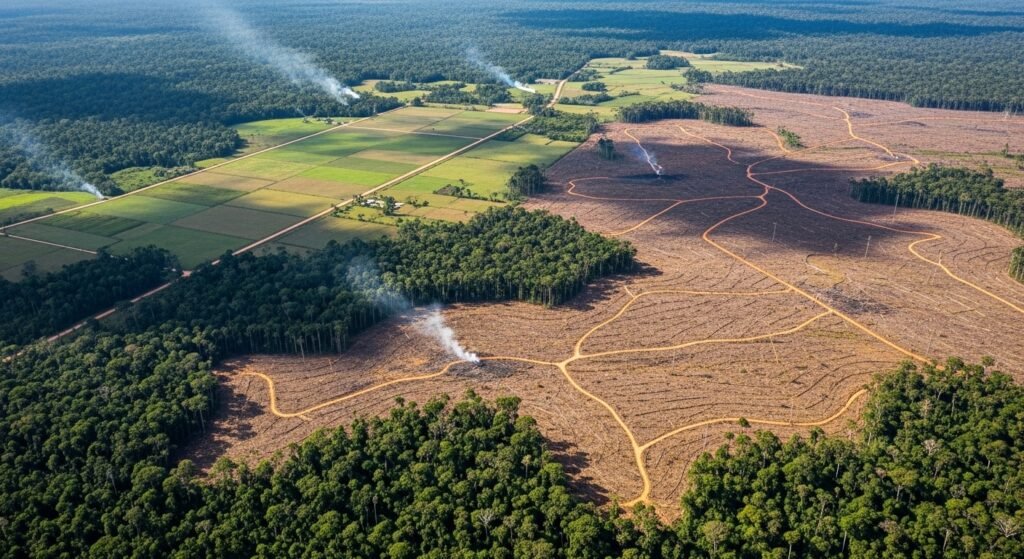
Deforestation, urbanization and agriculturalization decrease the space of life. Some of the most declining areas are tropical forests. Large scale land use change is confirmed by satellite image taken in the past decades. Breeding and feeding habitats are reduced causing a constant stress on the population due to habitat fragmentation.
Climate changes contribute to compound pressure.
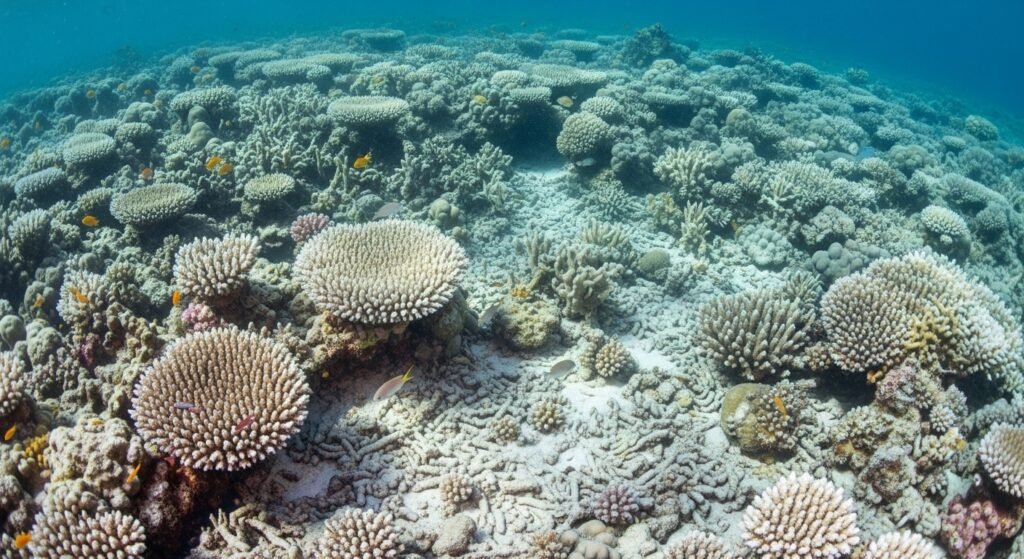
Increase in temperature also changes the migration and breeding patterns. The cases of coral reef bleaching demonstrate that marine systems are sensitive to temperature. There are long term climate records that associate the warming tendencies to ecosystem disturbances. With such circumstances, species with narrow tolerance ranges are at greater risk.
Similar trends are mirrored in the oceans.
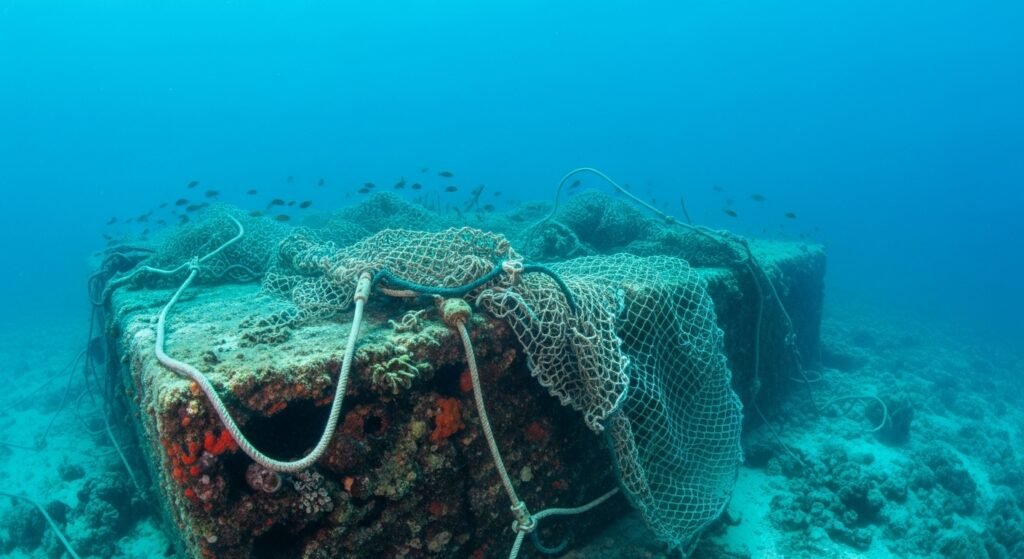
Sea life is characterized by a decrease in the fish stock and destroyed reefs. The problem of overfishing lowers the recovery period. The shell forming organisms are impacted by the chemistry imbalance in ocean acidification. Scientists report that such changes reflect the loss of land based biodiversity instead of the isolated sea problems.
There is wider ecosystem strain indicated by insects.
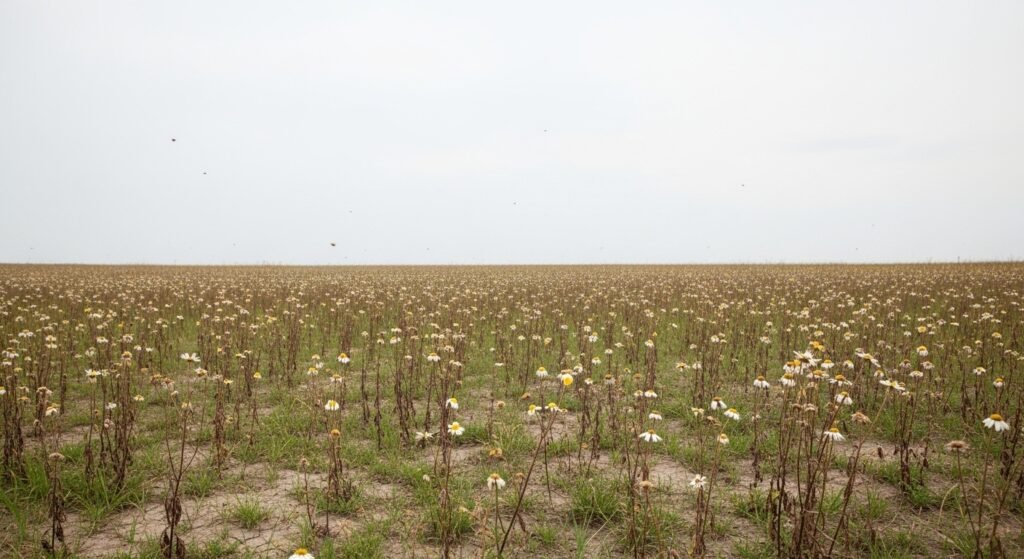
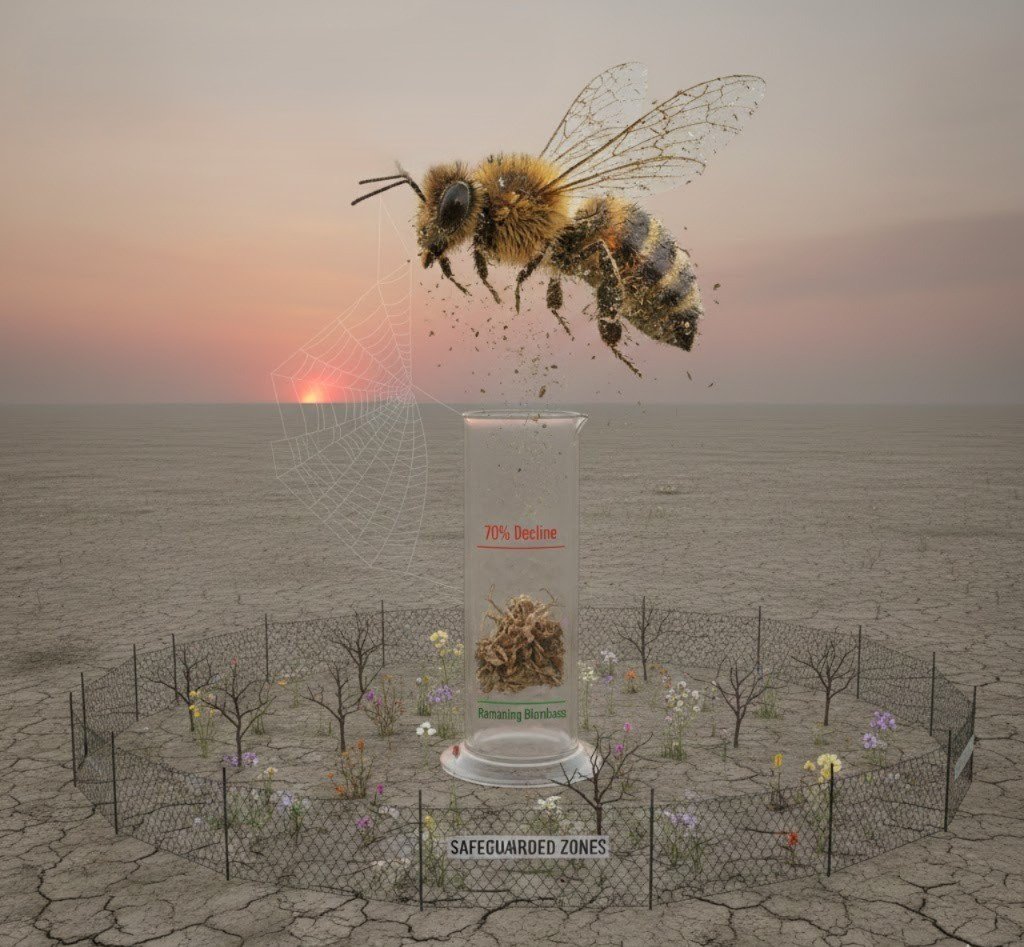
The population of insects records a sharp decrease in a number of regions that are being monitored. European studies show that the biomass decline in safeguarded zones is more than seventy percent. Such species are required in pollination services. Recession at this level is an indicator of systemic imbalance in food webs.
The primary driver is the human activity.
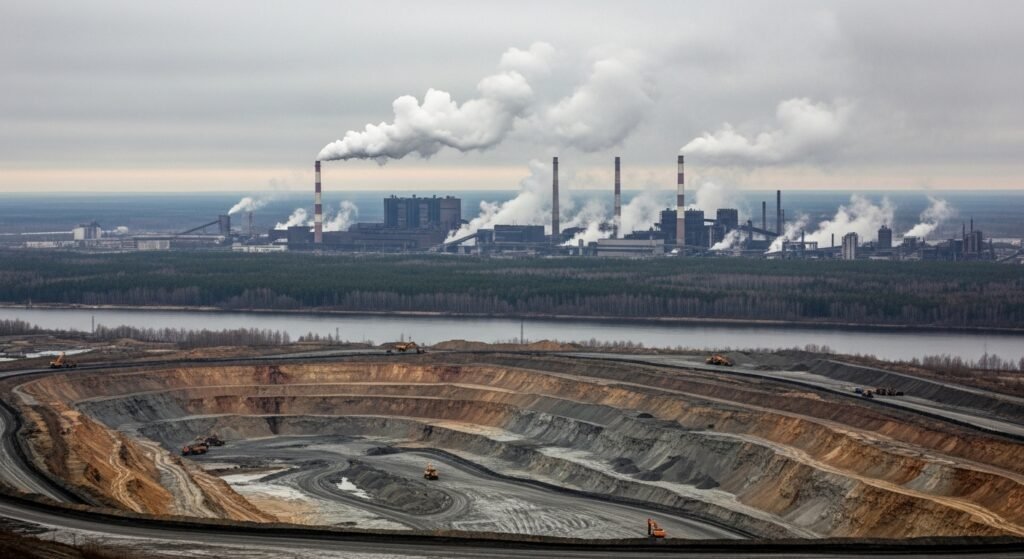
Most known causes are determined by industrial development, extraction of resources, and pollution. Scholars can isolate human effects by contrasting affected areas with other less affected regions. The rate of biodiversity is still greater in less developed regions. This kind of contrast reinforces attribution to human driven pressure.
Stable ecosystems are important in the economic systems.
Biological diversity is important in agriculture, fisheries and medicine. Genetic variety has a direct correlation with crop resilience. Extinction of species reduces future food security choices. The ecosystem services are measured to trillions of dollars a year by economists.
The conservation attempts are mixed in results.
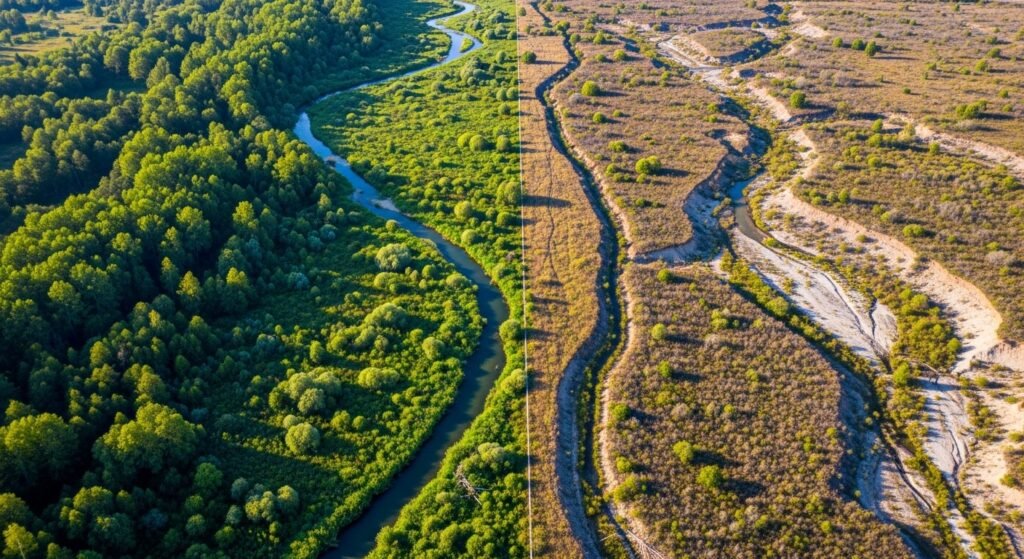
Where the enforcement is high, the decline in the protected areas is slow. Recovery among species is manifested in specialized programs of habitat restoration. National patterns are moving in the downward direction even though it is gaining locally. Experts emphasize the fact that early intervention is more effective than delayed response.
Scientific opinion is becoming stronger.
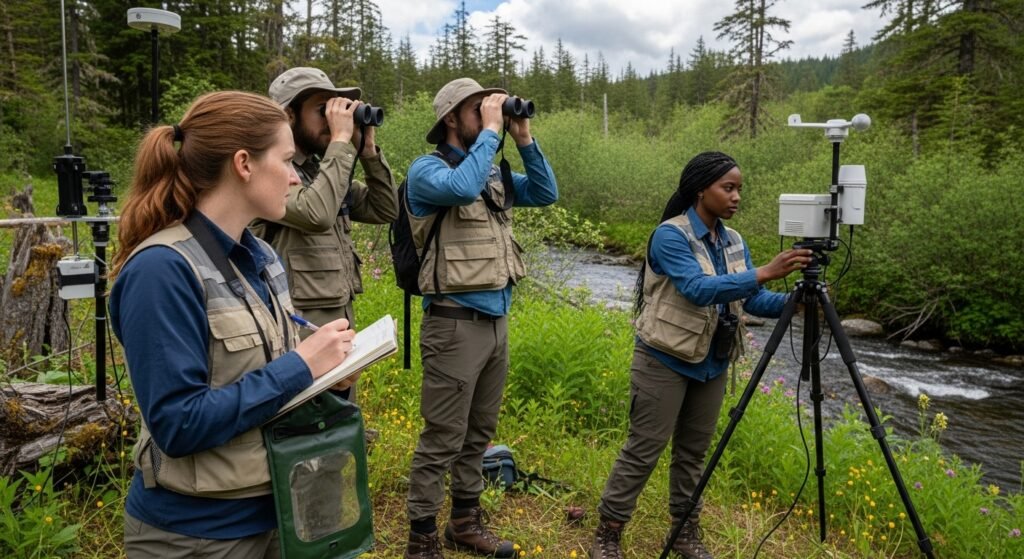
There are consistent findings in research groups in different fields. Previous alerts are strengthened by long term datasets. Similar conclusions are replicated in peer reviewed studies through independent methods. The consensus in ecology, paleontology, and climate science contributes to the existing estimates.
