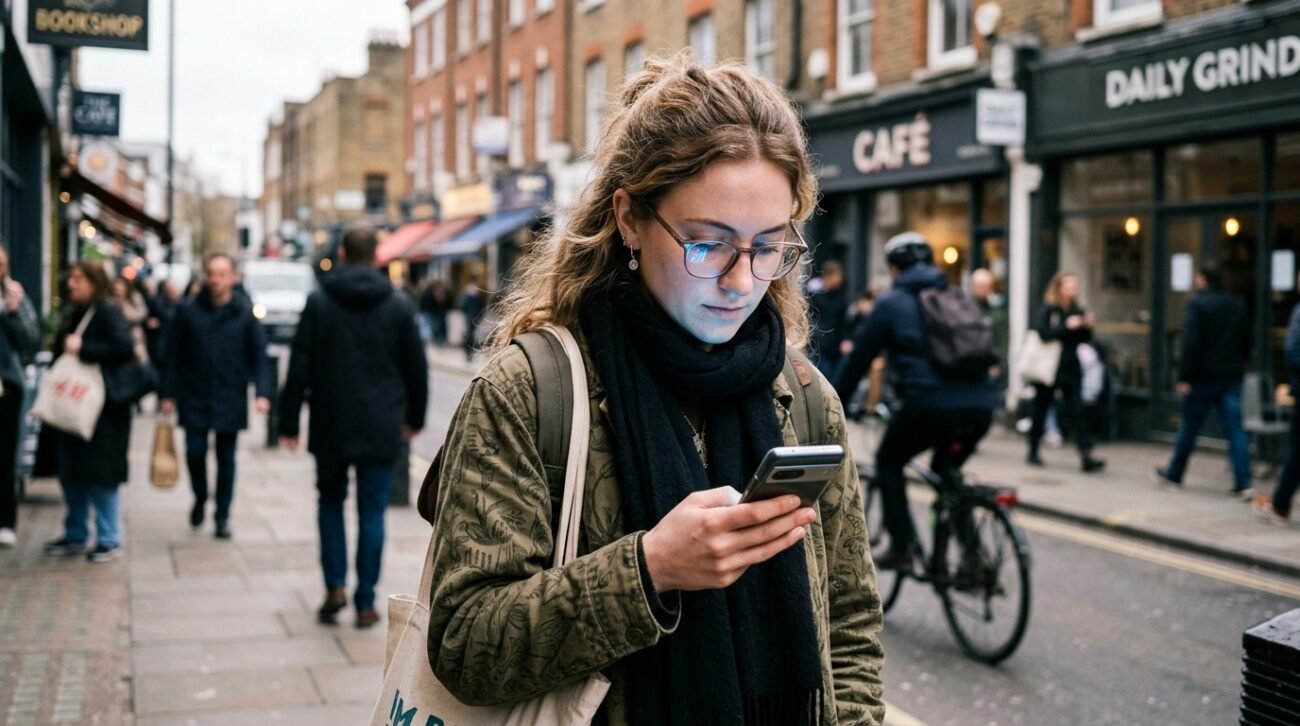
The boundary between what is real and what is digitally created is becoming increasingly subtle as technology evolves at a rapid pace. Augmented reality, virtual environments, and artificial intelligence are shaping how people see, learn, work, and interact with the world. Everyday experiences are slowly blending with digital layers that enhance or reinterpret reality in new ways. This shift is not limited to entertainment but is expanding into education, healthcare, design, and communication. As innovation progresses, the idea of reality itself is being redefined, creating both opportunities and thoughtful questions about how humans will experience the world in the future.
Digital Layers Over Physical Spaces
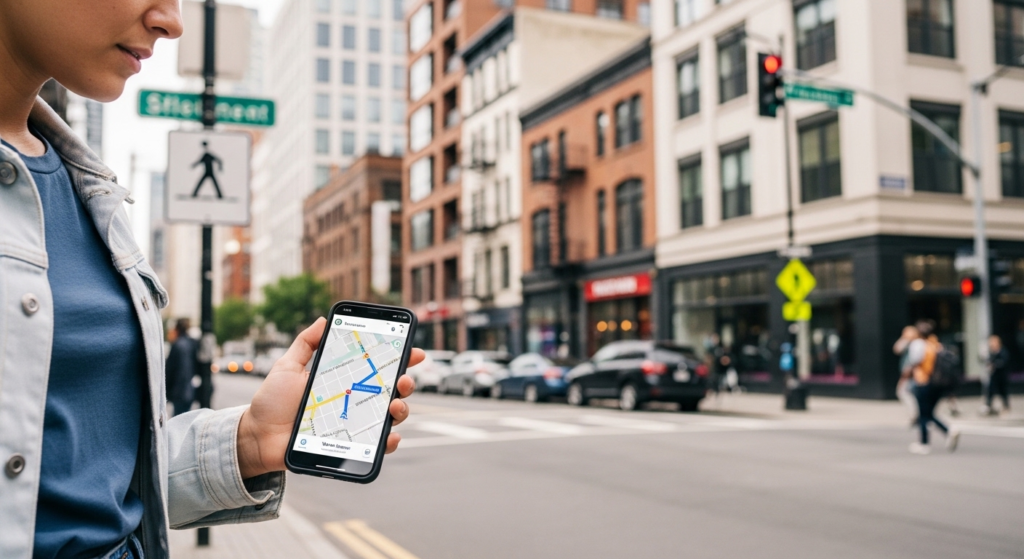
Technology is adding invisible layers of information on top of real-world environments. Devices can now display directions, data, and visuals that interact seamlessly with surroundings, changing how people understand and engage with physical spaces.
Growth of Virtual Environments
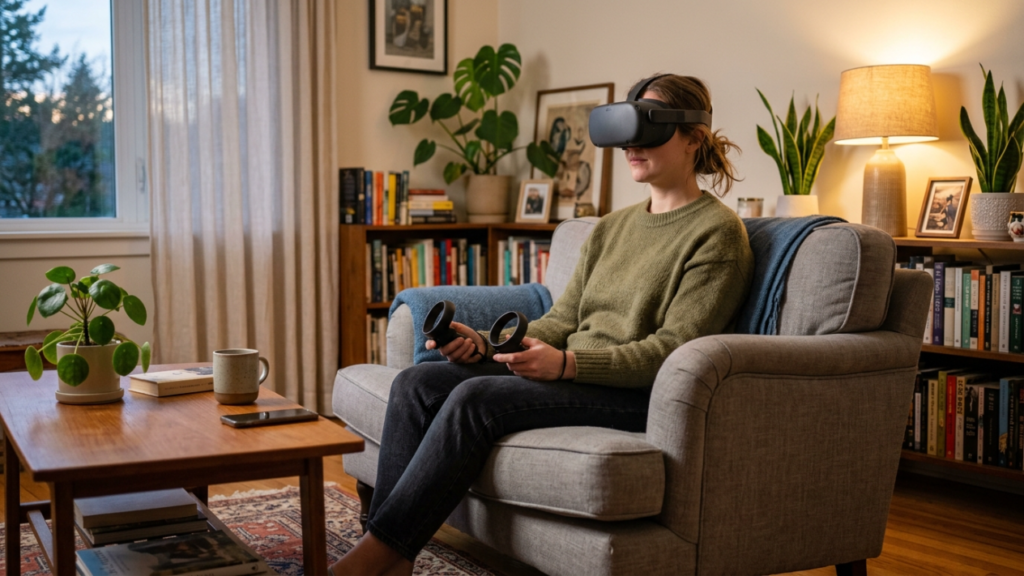
Virtual environments are becoming more immersive, allowing people to enter digital worlds that feel increasingly real. These spaces are used for learning, collaboration, entertainment, and even professional training experiences.
Augmented Reality in Daily Life
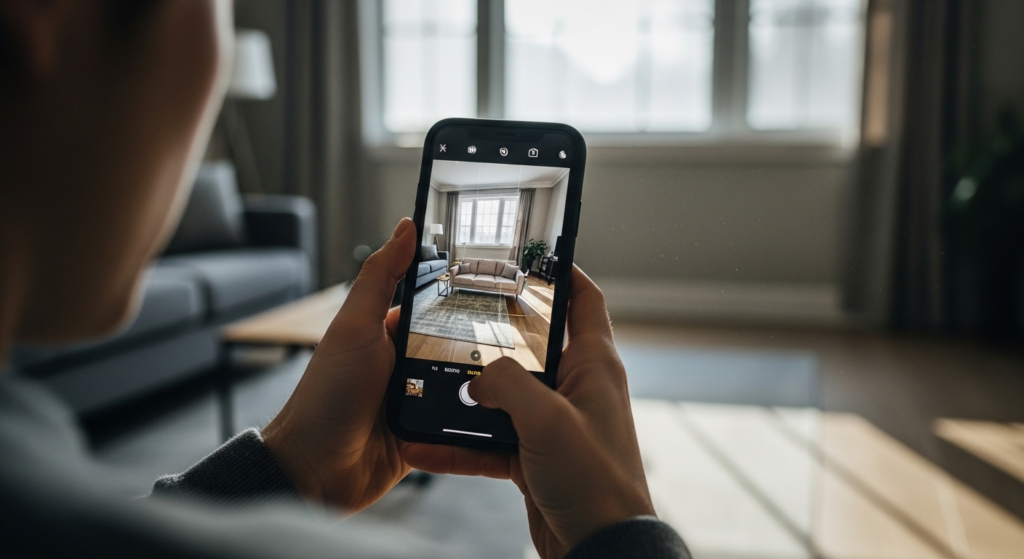
Augmented reality is moving beyond gaming into everyday use. It helps users visualize objects, preview changes in real time, and interact with digital elements placed naturally into their physical surroundings.
Artificial Intelligence as a Creative Partner

Artificial intelligence is now assisting in designing images, writing, music, and ideas. It supports human creativity by offering suggestions, improving efficiency, and expanding possibilities in various fields.
Smart Devices Shaping Interaction

Smart devices are transforming how people communicate and access information. Voice assistants, wearable tech, and connected systems are making digital interaction more natural and continuous.
Mixed Reality in Workspaces

Work environments are evolving with mixed reality tools that combine physical presence and digital collaboration. Teams can now share interactive 3D models and virtual meeting spaces.
Digital Twins of Real Objects
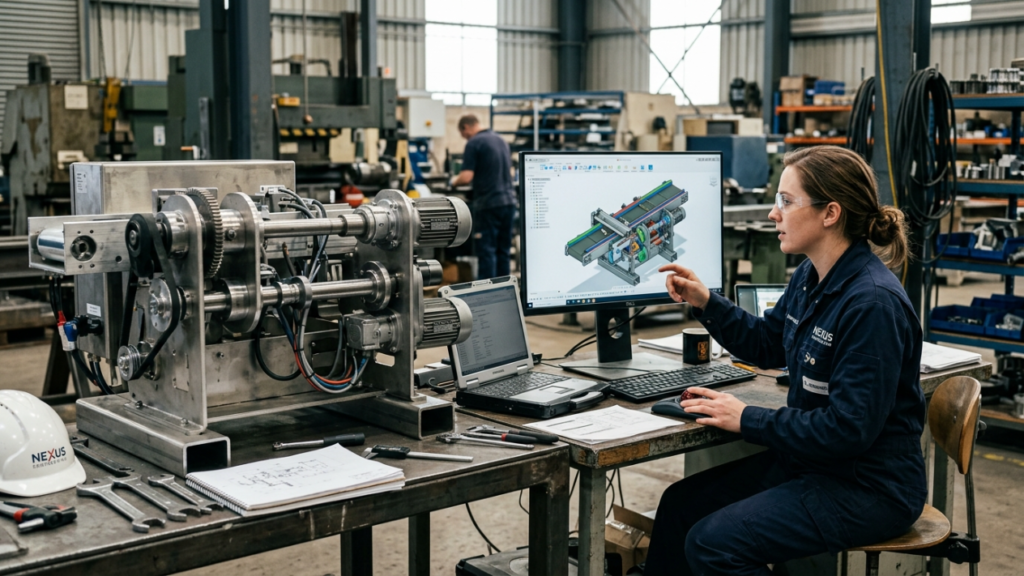
Digital replicas of physical objects are being used to simulate performance and predict outcomes. This helps in planning, testing, and improving systems in industries like engineering and healthcare.
Evolution of Visual Communication
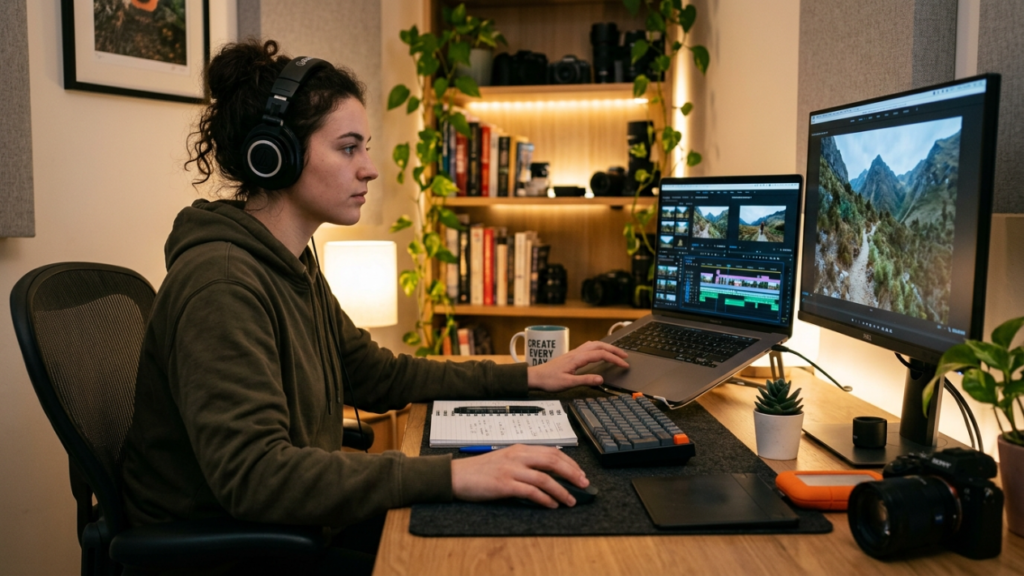
Images, videos, and interactive media are becoming more dynamic. Communication is shifting from static formats to engaging, immersive visual experiences that convey information more effectively.
Personalized Digital Experiences

Technology is enabling highly personalized content based on user behavior and preferences. This creates tailored experiences in entertainment, learning, and daily digital interactions.
Expansion of Remote Presence

People can now participate in events, meetings, and environments from distant locations as if they were physically present. This reduces barriers of distance and improves global connectivity.
Blurring Line Between Real and Virtual

As digital experiences become more realistic, the distinction between physical and virtual worlds continues to fade. This shift is redefining how reality is perceived and experienced in everyday life.
