As the frontiers of 2026 open before us, the buying and using of technology are going through massive changes. Buying a gadget and keeping it for life—never paying another cent—is becoming a thing of the past. Manufacturers are leaving the traditional hardware-first model of operations and are now focusing on long-term profits. While the devices may look the same, the way we pay for and maintain them has started undergoing some changes that surely are not friendly to our pockets.
Death of Annual Upgrades
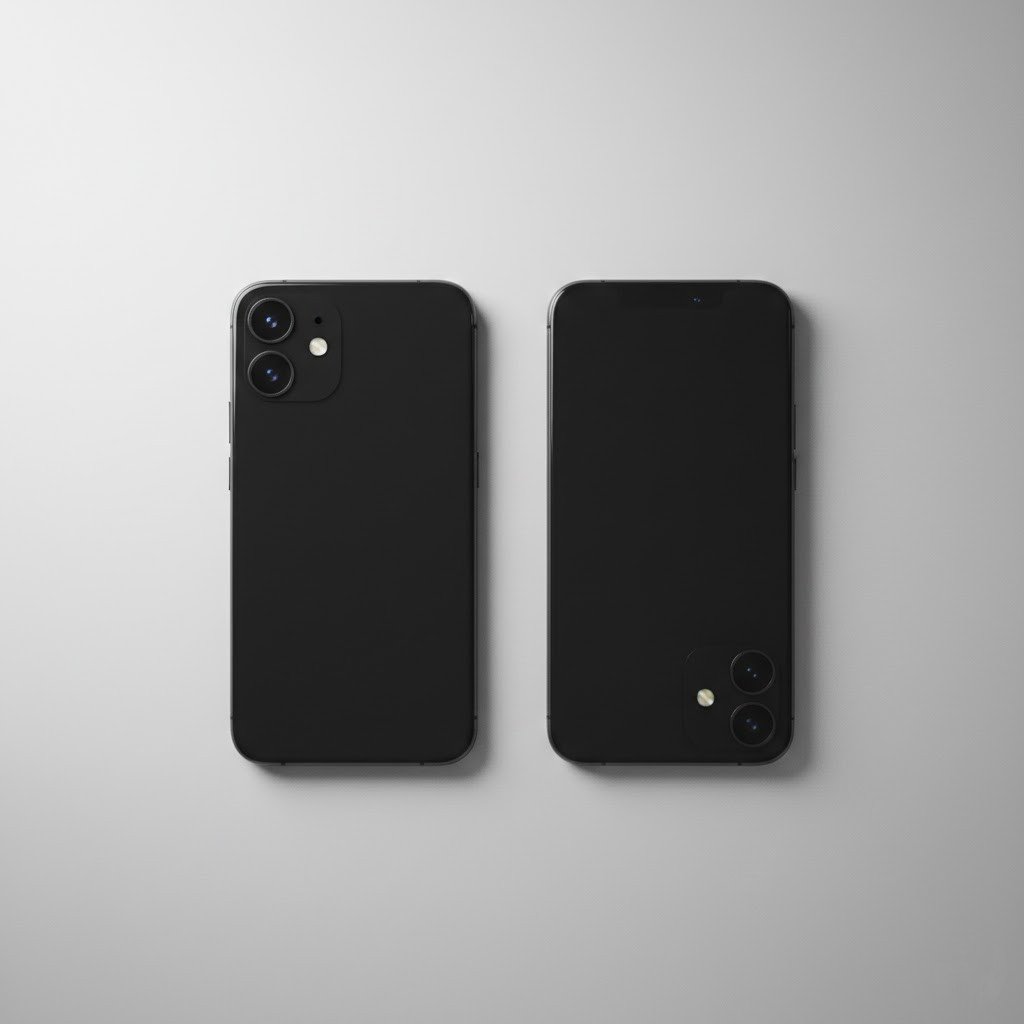
Gone are the days when tech companies would launch either a “must-have” phone or a watch every year. Presently, hardware is practically stagnating, meaning that the differences between last year’s model and this year are pretty much negligible. Since consumers just about everywhere are keeping their devices for four or five years instead of two, companies are actually trying to slow down hardware updates and find a way to make one device last way longer.
Skyrocketing Costs of Raw Materials
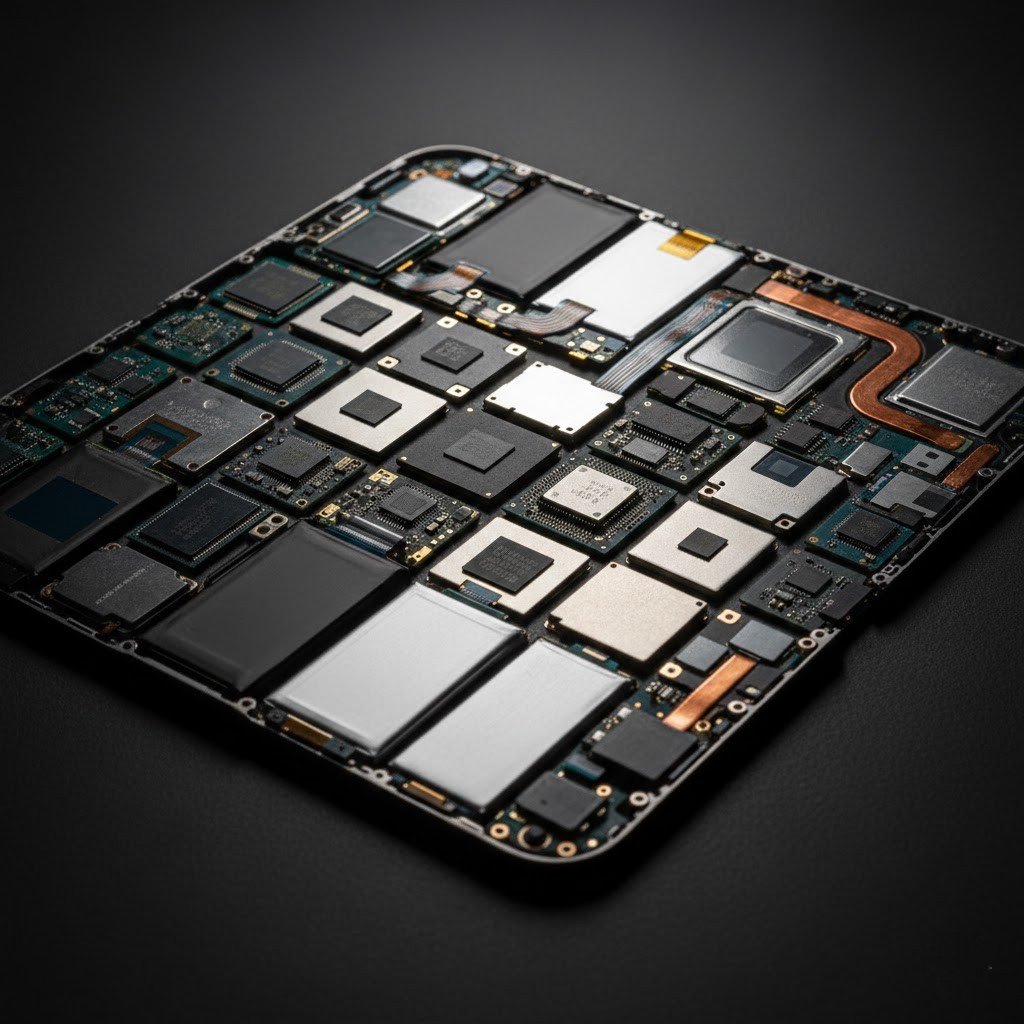
With everything going up from lithium in batteries to expensive chips in Artificial Intelligence, clients bear the cost. To maintain their profit, tech giants are passing on all costs to their consumers. This explains why “Pro” and “Ultra” models of gadgets now regularly cross above $1,000, making high-end tech for most a luxury.
AI Tax
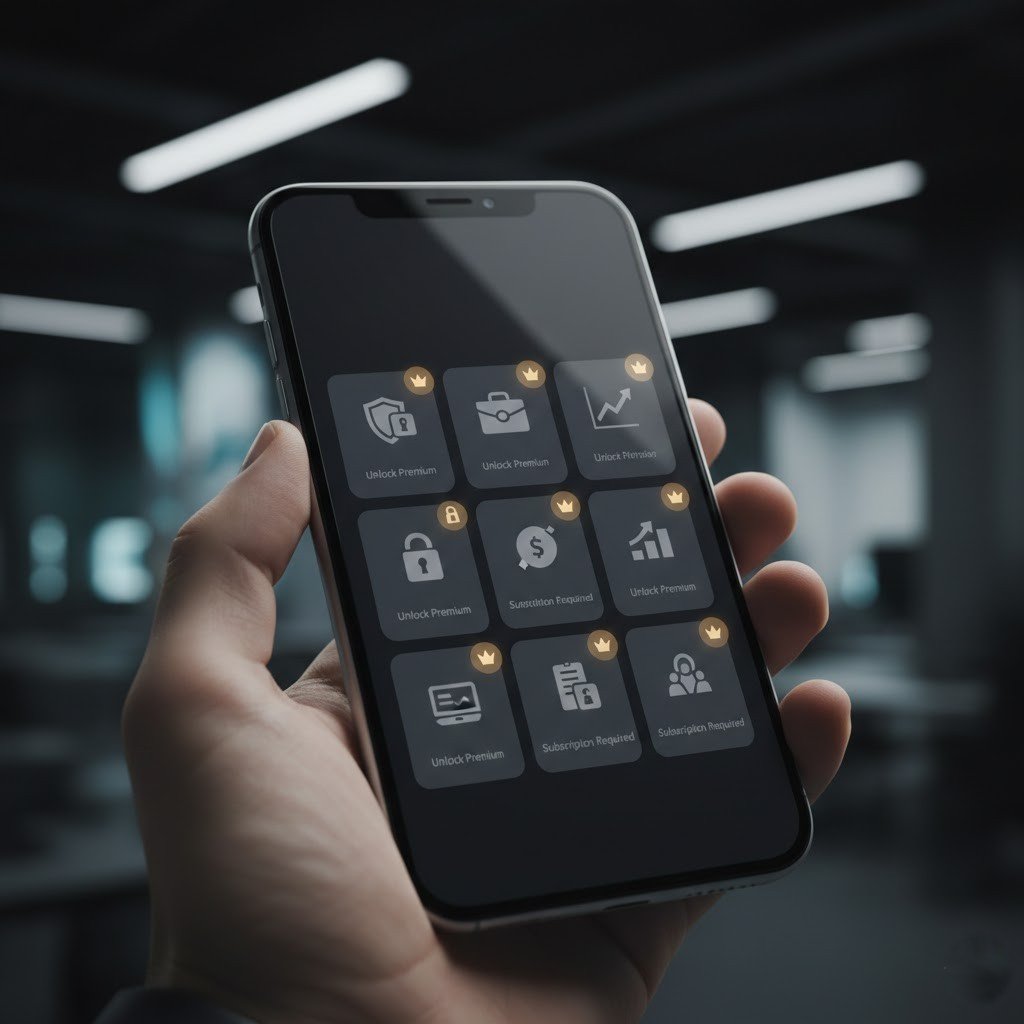
AI, right now, is the largest driver of sales for gadgets such as smart devices; however, running AI requires an enormous amount of server power. Companies are monetizing their AI costs by putting AI subscriptions in place. Your phone may come with basic features, but to access the “smartest” tools—such as real-time visual translation or advanced photo editing—you now need to subscribe for a monthly fee for “Pro AI.”
A Repair Premium
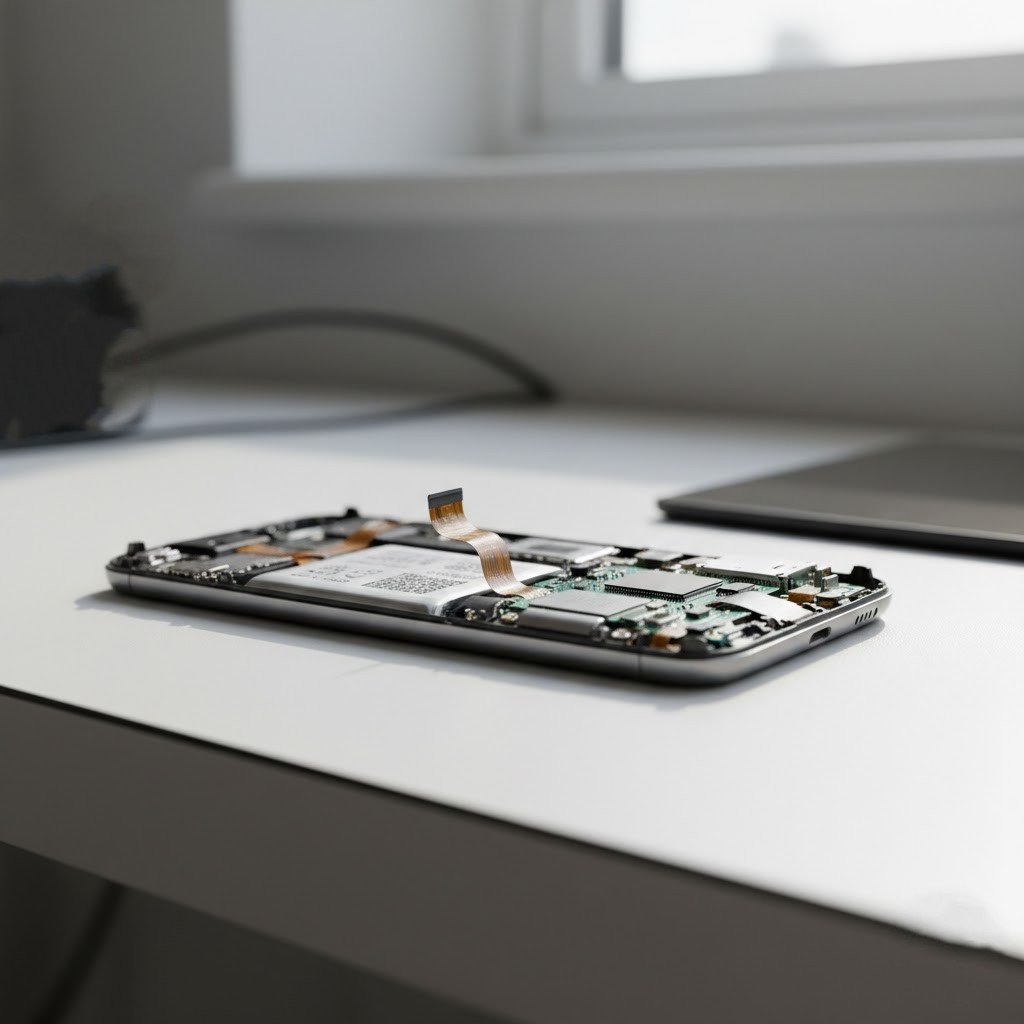
Well, while this solution makes it easier to repair gadgets with the force of law, companies have found a way to monetize it. Companies could have done something nice repairing tech objects if done with just some simple tools, right? But, instead, they offer expensive protection plans or subscriptions that let you fix the thing yourself when you break it. Not fixing it? Well, that’s an option too, because without it, you may never afford to repair anything, or rather pay the fee for a new device.
Cloud Dependency
Proofing more and more gadgets to be thin clients means they will depend on the cloud to do the work. It makes devices thinner and lighter. But it also means that the device is a paperweight without a connection to the manufacturer servers. This dependency helps companies charge some form of service fee just to keep the device in working condition.
A Diminished Concept of Ownership
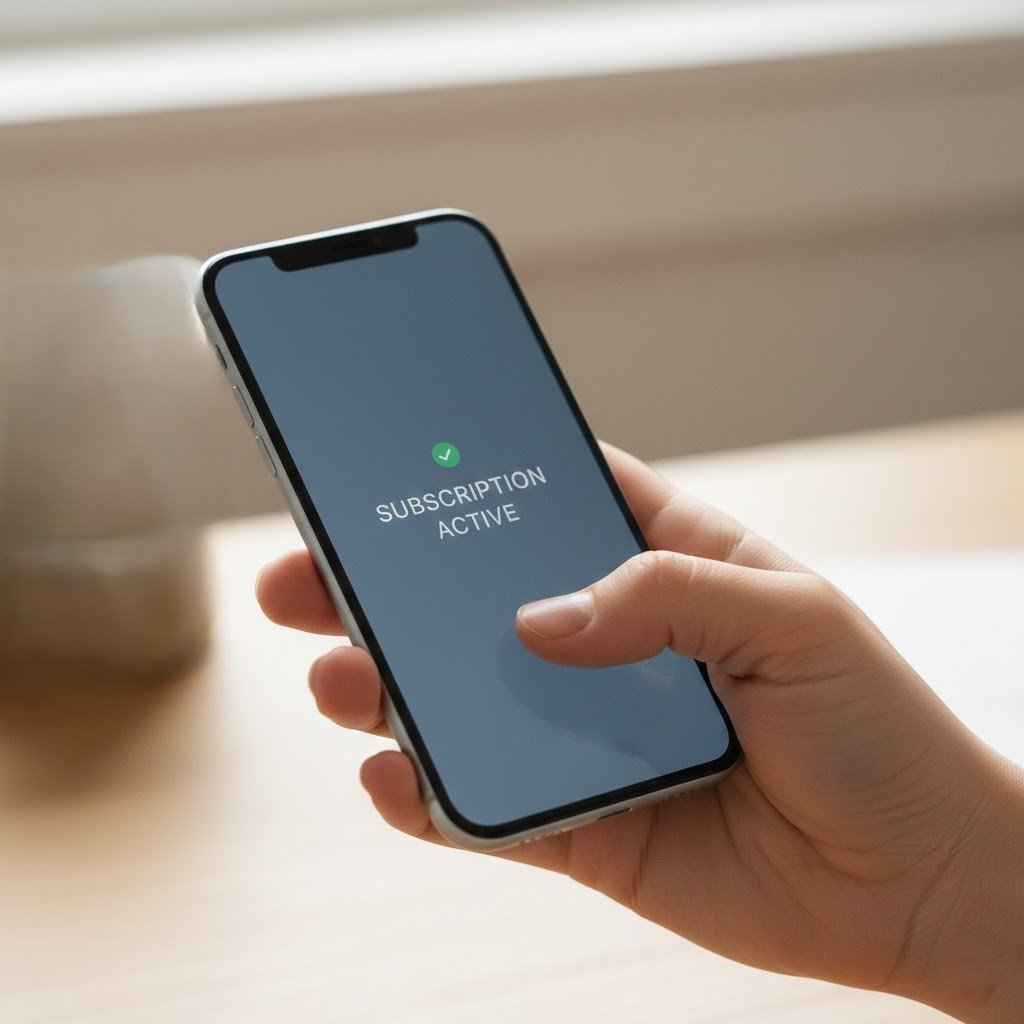
The tech rental economy seems to be taking shape. Companies are renting their gadgets exclusively now. For a nominal rent, you have access to the latest phone, which is then swapped for a new one on the arrival of the next one. It may sound comforting, yet, this means you never actually own your tech but are forever in the cycle of paying.
Slow Innovation in Software
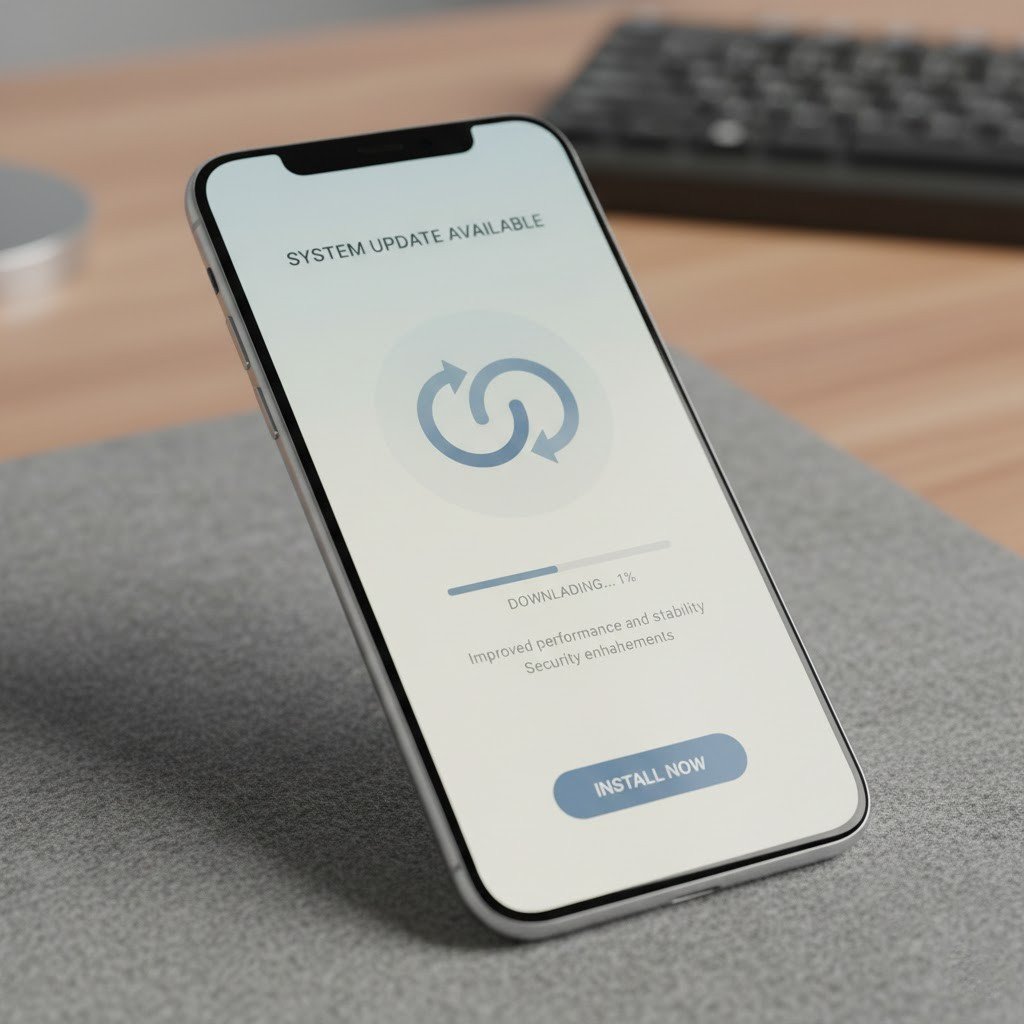
The incentive to release free, game-changing software updates is significantly diminished in subscription companies. Companies have started to slowly release incremental patches with the big annual OS update that would have improved your old phone; they save the really cool features for the subscriber ranks.
Ecosystem Lock-in
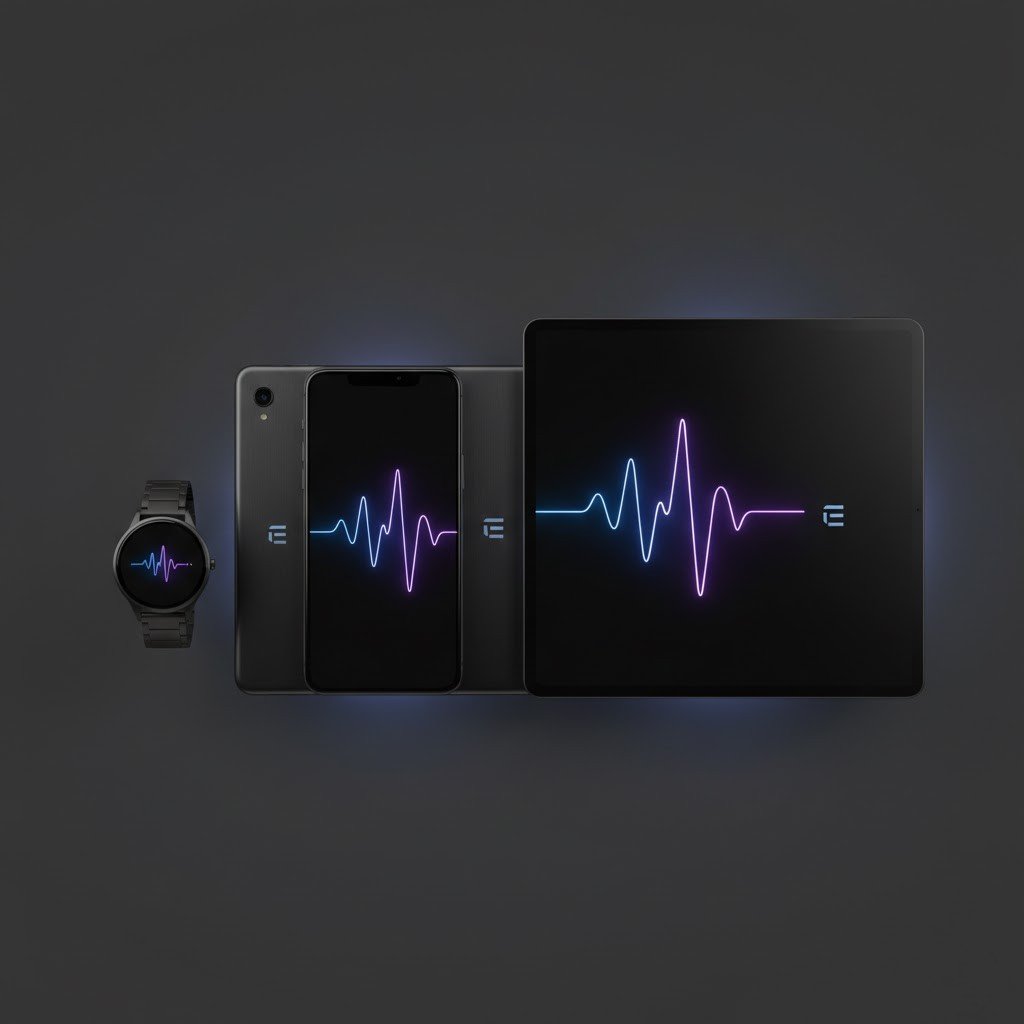
It is fairly safe to say that prices are getting higher, but the further you are in, the harder it is to exit. If your smart home, watch, and tablet are all tied to one subscription bundle, the ‘cost’ of switching to a different brand is way above the price of just a new gadget. So, this allows companies the confidence to increase their prices without fearing being undercut by all the newly satisfied customers.
Sustainability Comes at a Premium
Many brands use recycled materials and “eco-friendly” packaging to justify even higher pricing. This kind of remedy is good for the environment; however, it often serves as a marketing tool to hide the fact that nothing much has improved in terms of hardware. Consumers are paying a green premium for devices built for less frequent replacement, even though their original cost is much higher.
