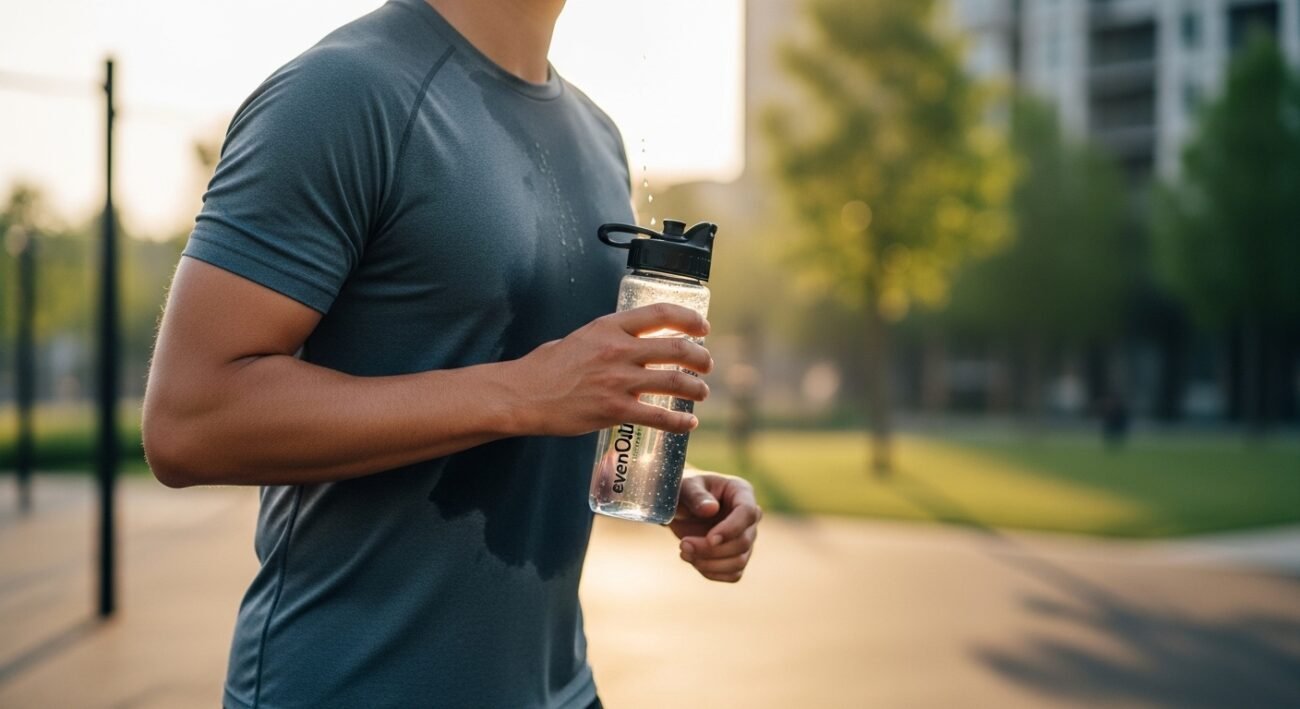
Physical performance, digestion, circulation and temperature control are influenced by hydration. Blood volume, nutrient transport and waste removal are fluidized with the aid of water. The National Academies researches show an average daily intake of fluids of about 3.7 liters in adult male and 2.7 liters in adult females (including food), on average. Demand of individuals depends on body size, climate, level of activity, and health condition. The knowledge of timing and quantity enhances better daily functioning and lessens unnecessary stress.
Daily Water Requirements Expressed

The amount of water required on a daily basis is dependent on the body mass, energy consumption, and environment. Dietary survey shows that food makes up about 20 percent of total intake. Fruits, vegetables and cooked grains provide significant fluid. Plain water is the major source because of the rate of absorption and zero caloric load.
Hydration and Physical Activity
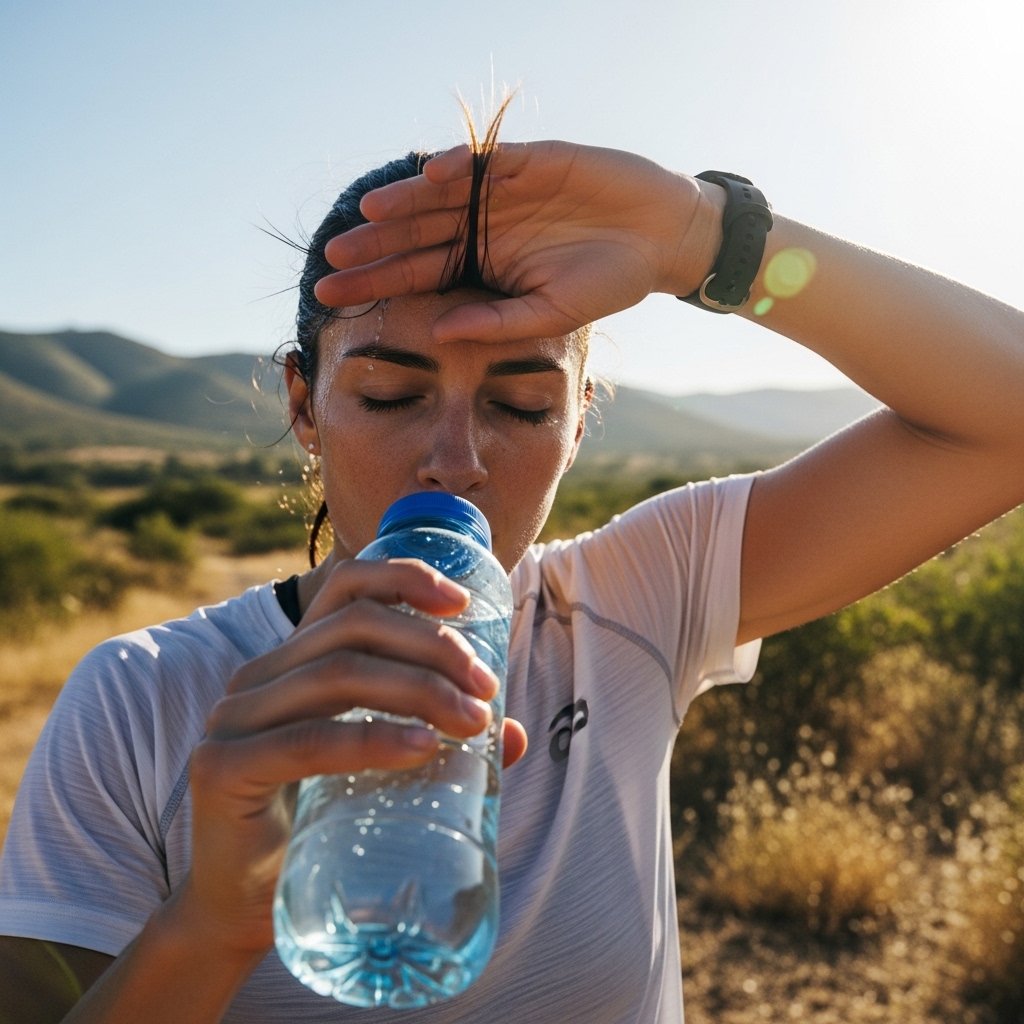
Sweat loss is augmented by exercise. The loss is recorded between 0.5 to 2 liters/hour according to the intensity and climate, as shown by endurance studies. Rehydration in the middle of the action maintains production and decreases fatigue indicators. Before and after weighing is a useful control alternative.
Environmental Impact and Climate
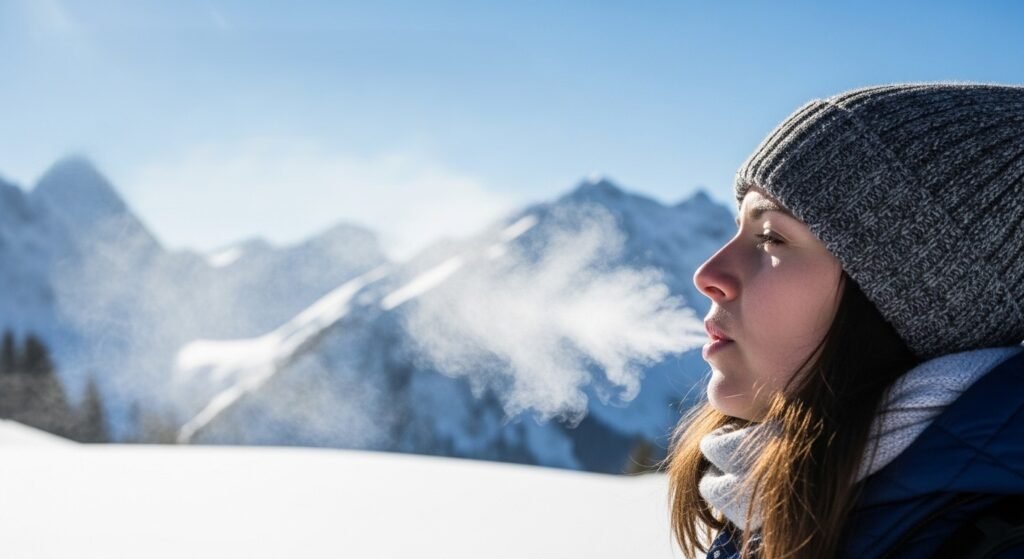
The hot and wet weather increases the rate of sweat. The cold climates also create loss through respiration because of dry air. Breathing and increased urine output increase the rate at which the fluid is lost due to high altitude. These conditions demand the intake to be taken earlier and more often in order to be balanced.
Timing of Hydration During the Day
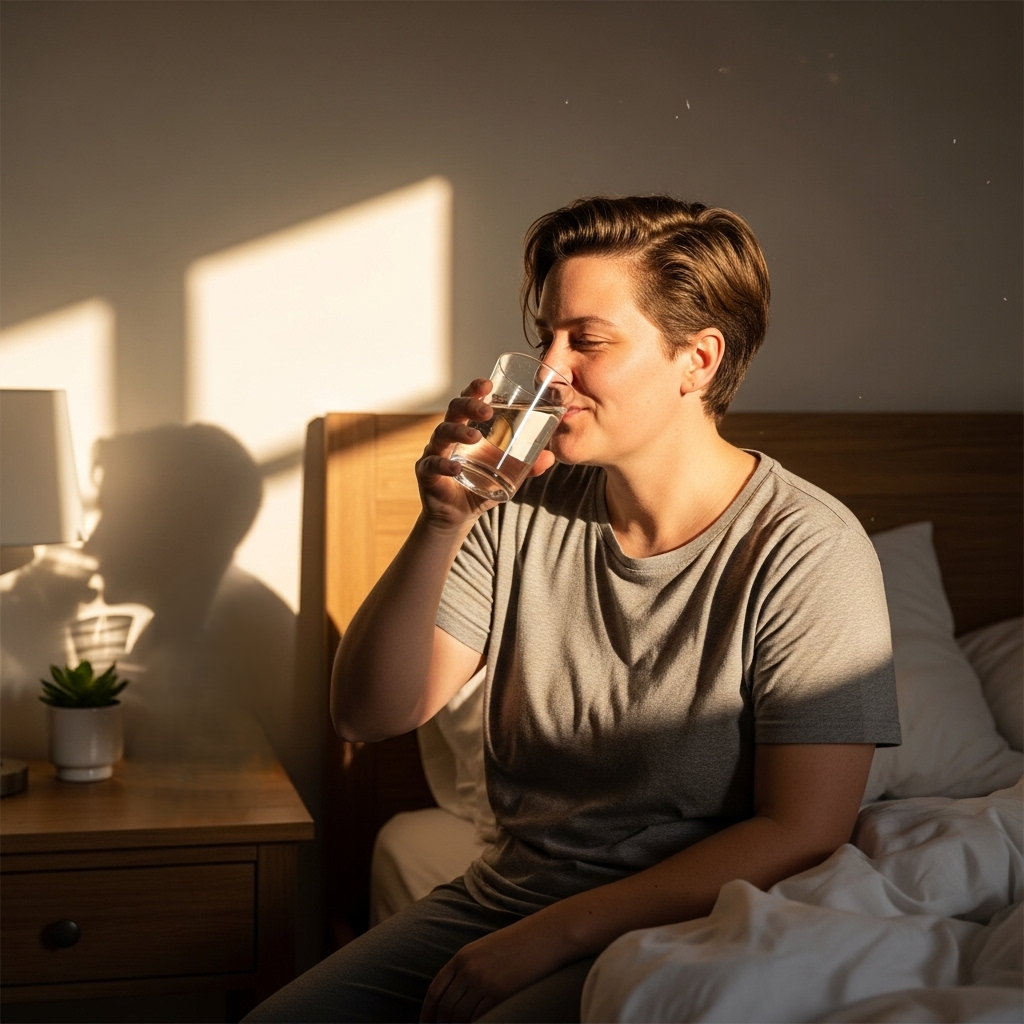
The morning intake compensates the breathing and skin evaporation of fluids in the night. Stable blood volume is sustained by a regular intake conducted throughout the day. Dose quantities exceeding large amounts are straining to the absorption and excessive urine is produced. Less but more frequent amounts enhance retention.
Electrolytes and Fluid Balance
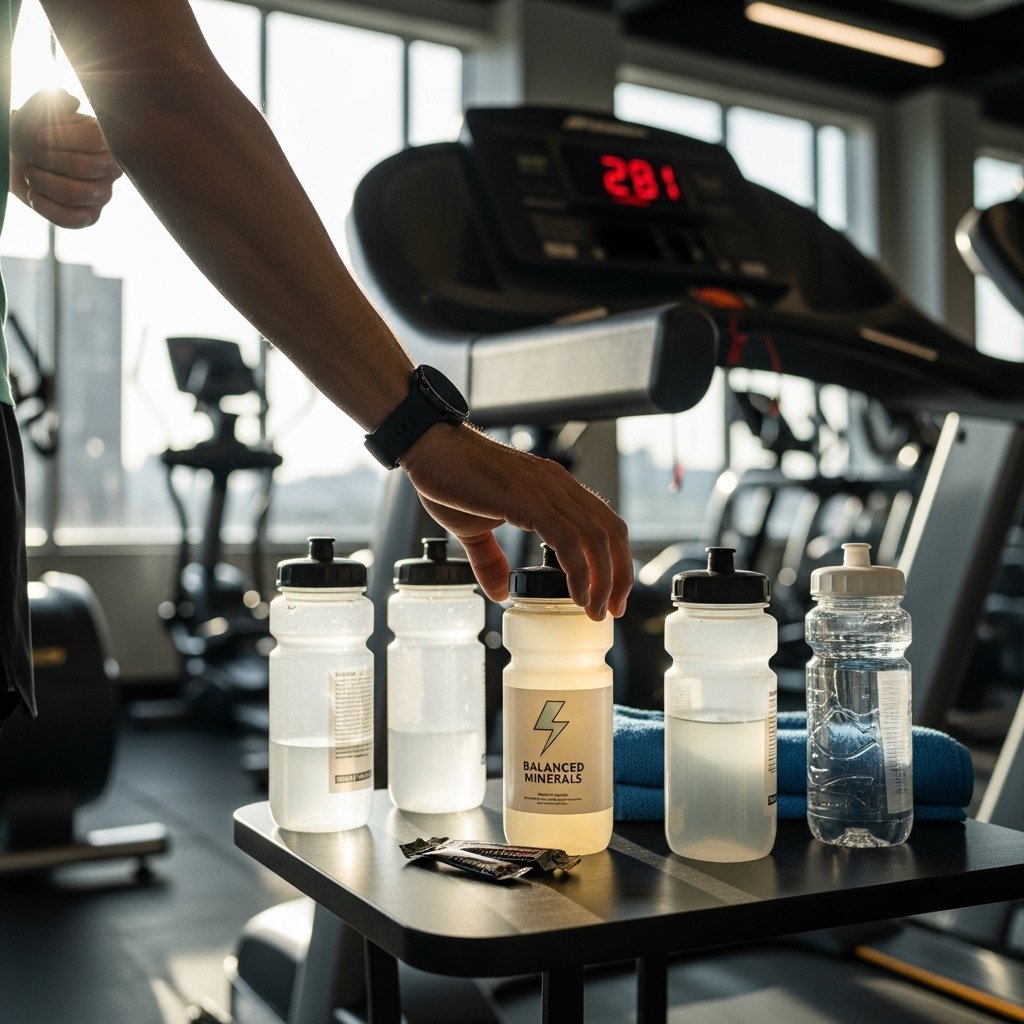
Na +, K +, and Cl control the movement of fluids across cell membranes. Excessive sweating eliminates electrolytes and water. Sports nutritional research indicates that equalized electrolytes help in retention in cases of long efforts. Ordinary water is suitable to low intensity exercise of less than an hour.
Indications of poor hydration
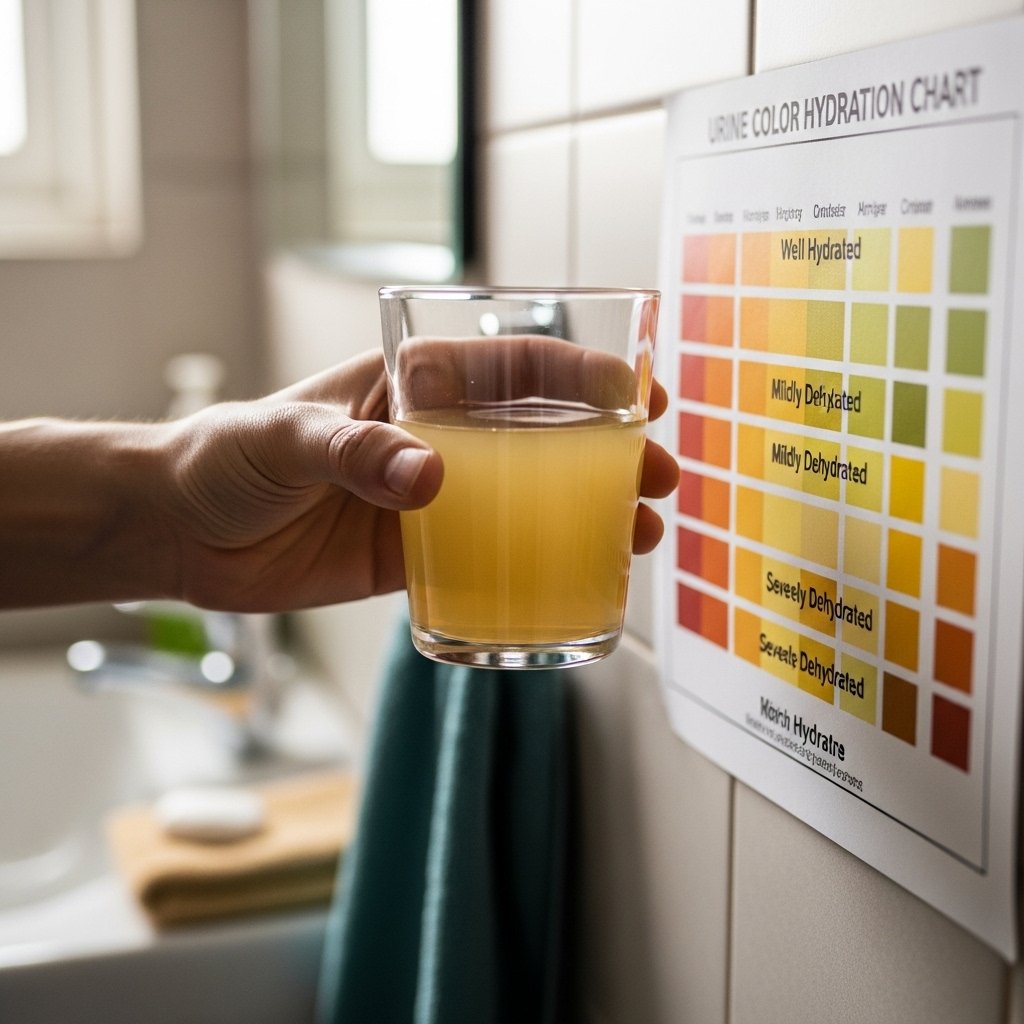
Low intake is indicated by dark urine color and low output signal. The controlled trials of dehydration also involve headaches, dizziness, and loss of concentration. The reaction time and strength have been shown by performance studies to decrease at a fluid loss of approximately two percent of body weight.
Hydration From Food Sources
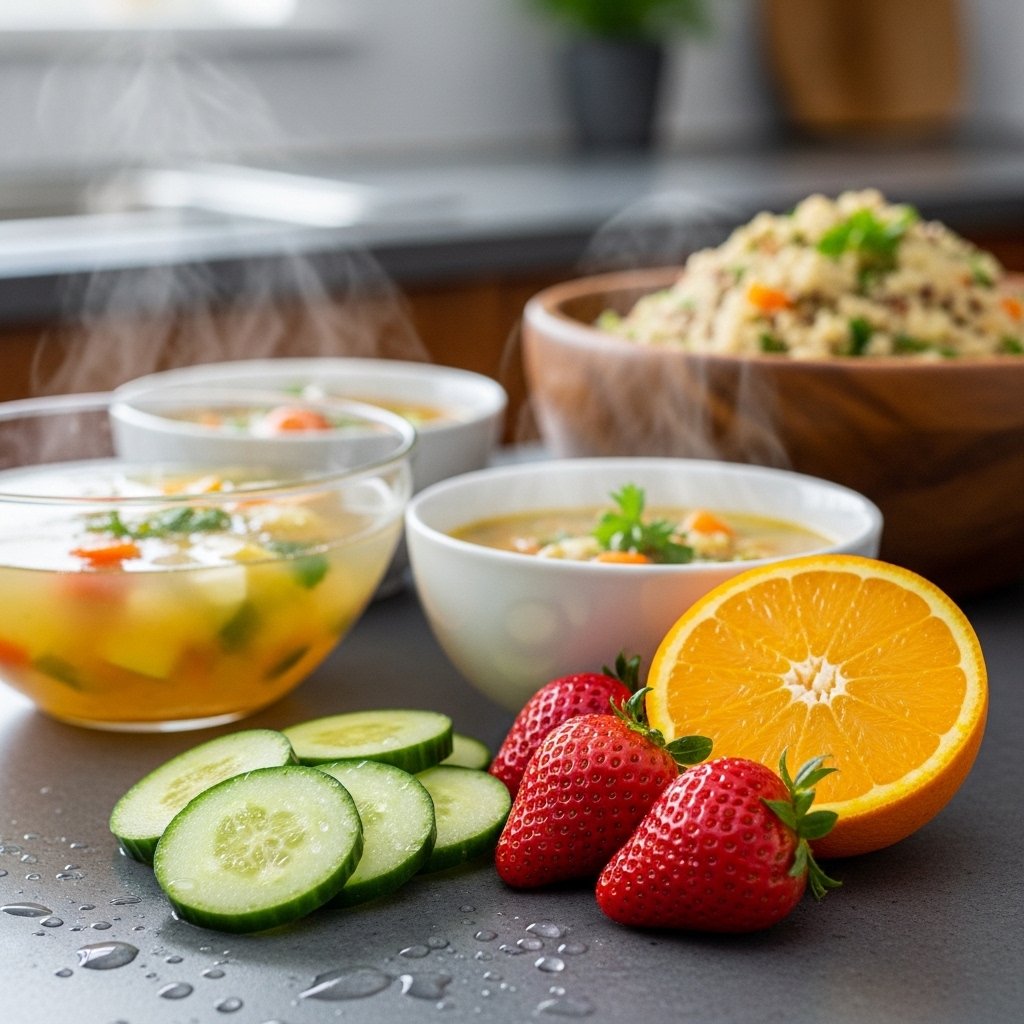
Whole foods add up to a lot of water. Cucumbers, oranges, strawberries and soups contain over 85 percent water content. The consumption of such foods helps to minimize the use of beverages. Fiber foods also slow down the process of digestion and this helps in slow absorption.
Special Needs Through Life Stages
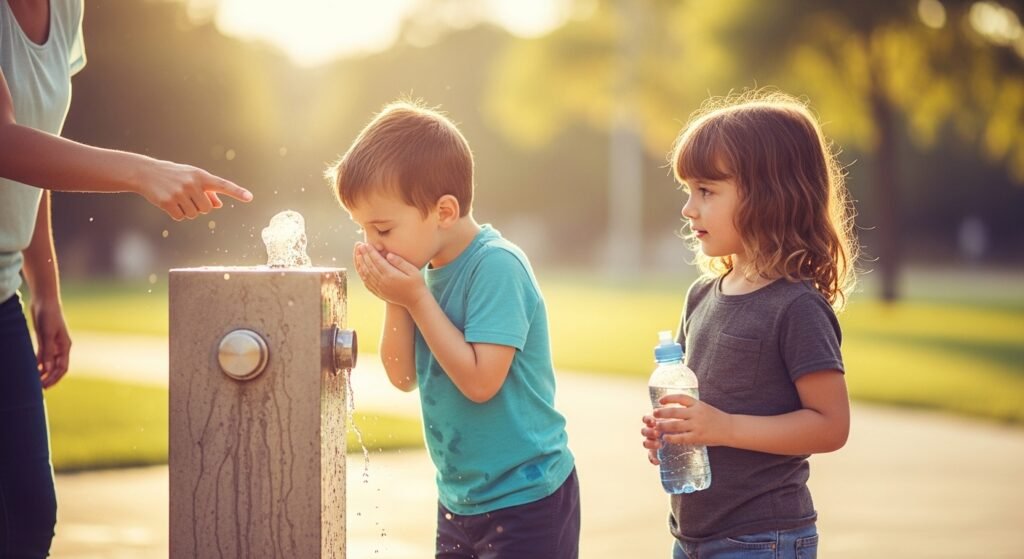
Weak cues of thirst means that children were supposed to be reminded regularly. The elderly have a decreased thirst level and renal efficacy. The fluid requirements during pregnancy and in the lactating period are more in pregnant and breastfeeding adults because of the expansion of blood volume and milk synthesis. These physiological adjustments are facilitated by adjusted intake.
An increase in higher intake is necessary

Disease with fever, vomiting or diarrhea causes an increase in fluid loss. Diet rich in proteins increases the consumption of water since nitrogen wastes are eliminated. Protective clothing increases sweat loss in the work of long shifts. The intake planned in these periods keeps it functionally stable.
