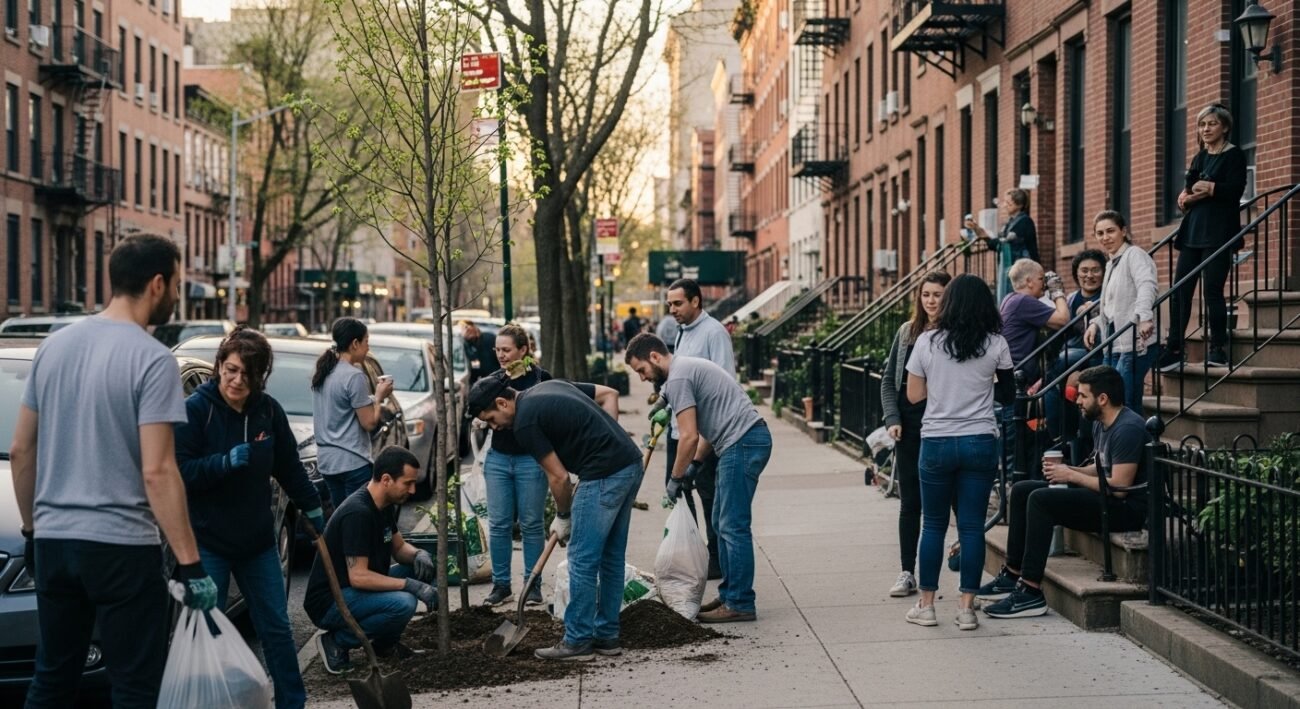
Cities depend on concrete, traffic, and crowded sidewalks. Yet many neighborhoods quietly look for simple ways to improve daily surroundings. A small community project tested whether planting trees along busy streets could shift how people feel about public spaces. Volunteers, residents, and local organizers worked together to plant young trees in selected spots. The goal was not only environmental improvement but also social change. Over several months, the project observed how people reacted to the new greenery. The results offered insight into community behavior, shared responsibility, and urban well-being. What began as a modest experiment gradually revealed how thoughtful changes in public spaces can influence everyday life.
Community Curiosity
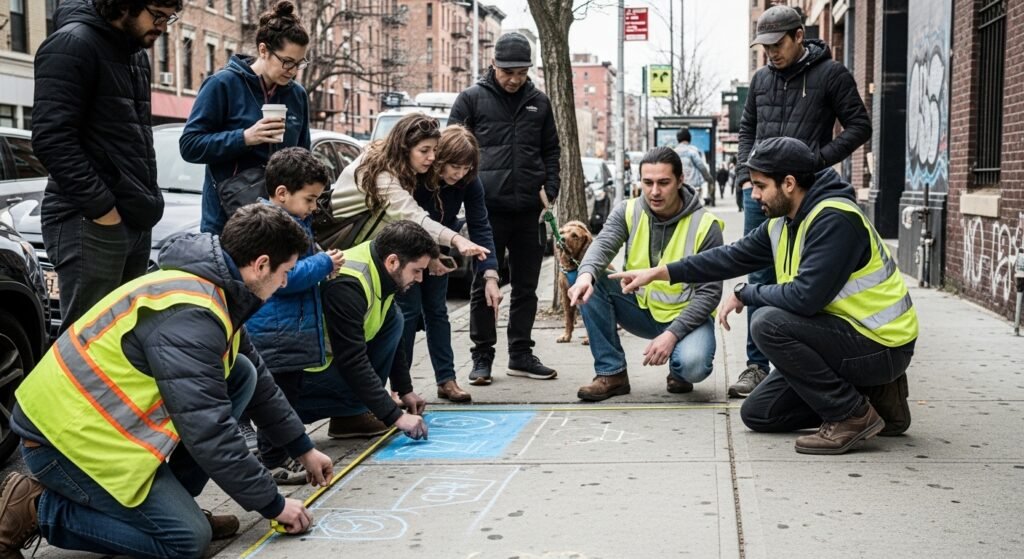
Residents first noticed the project when volunteers began measuring sidewalks and marking planting spots. Curiosity grew quickly. People paused to ask questions. Short conversations started. These early interactions showed that visible community action often encourages interest and participation.
Greener Street Corners
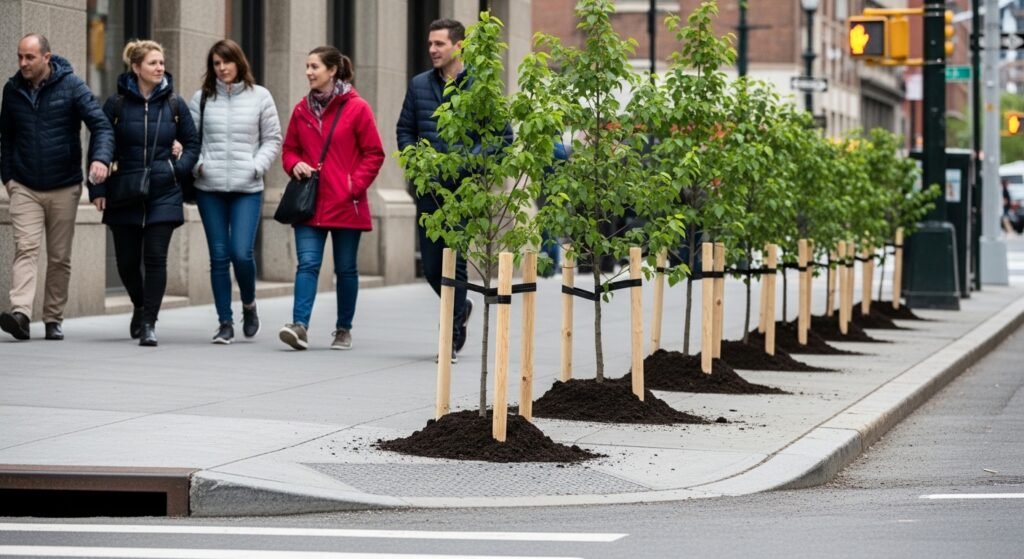
Small trees appeared along previously bare sidewalks. The change was simple but noticeable. Within days, passersby commented on the softer look of the street. Even a few new plants created a sense of care and attention.
Unexpected Conversations
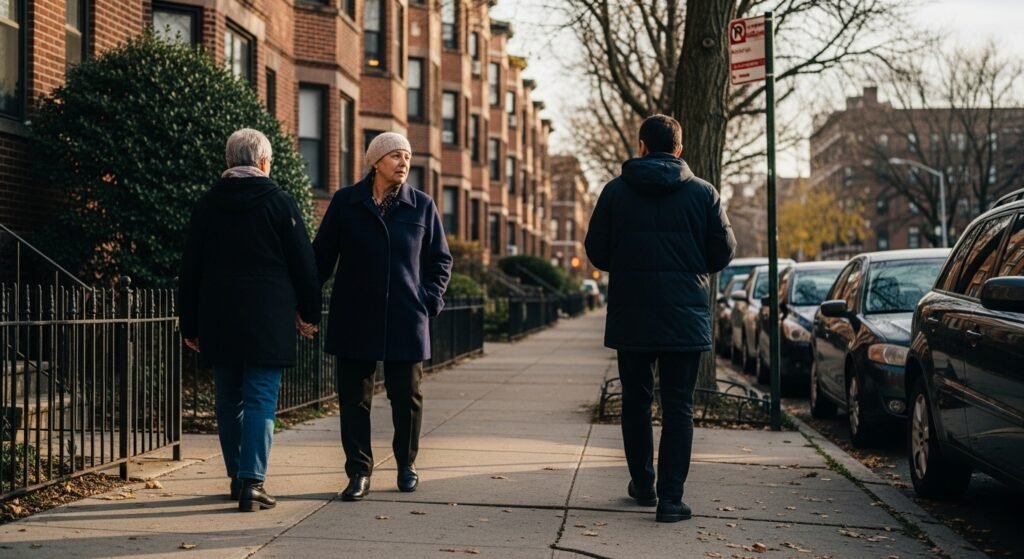
Neighbors who rarely spoke began discussing the project. They shared opinions about shade, maintenance, and neighborhood appearance. The trees quietly created a reason for people to talk. Simple dialogue strengthened everyday connections between residents.
Shared Responsibility
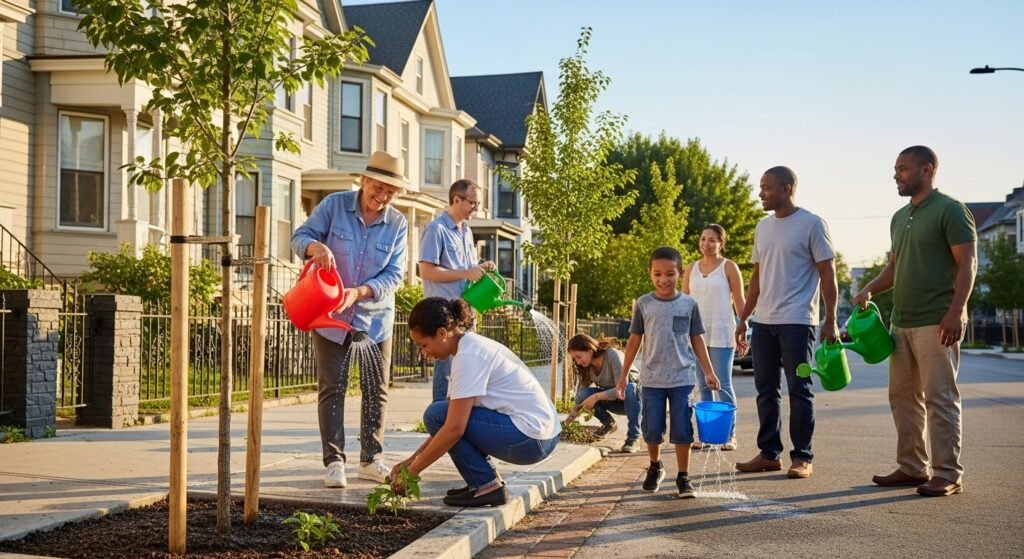
Volunteers invited nearby residents to water young trees during dry days. Many agreed without hesitation. A rotating schedule formed naturally. This shared responsibility helped people feel personally connected to the street environment.
Changing Walking Experience
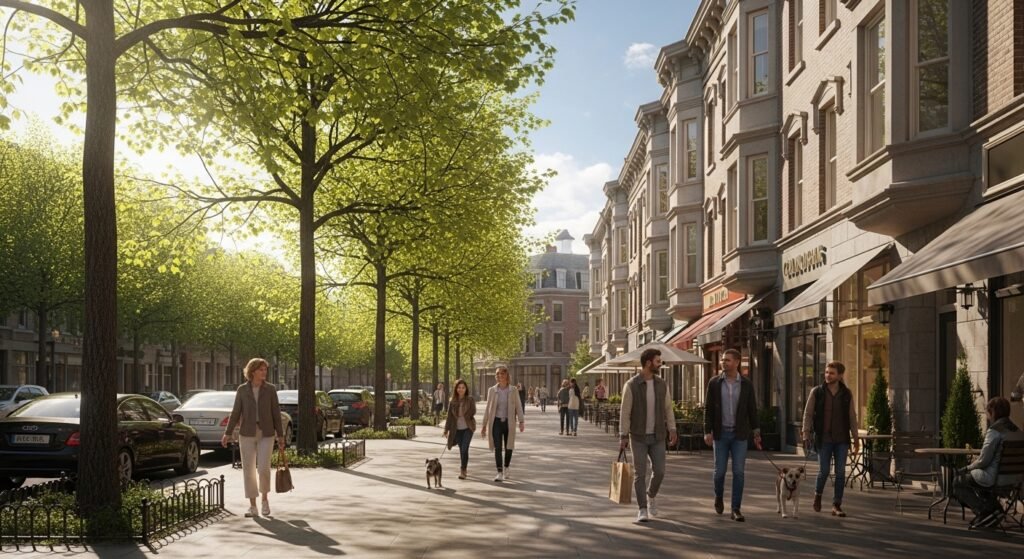
Shaded paths slowly improved the walking experience. Pedestrians lingered longer near planted areas. Some paused to sit nearby or greet neighbors. The experiment revealed how greenery can gently slow the pace of busy urban routines.
Local Pride Emerges
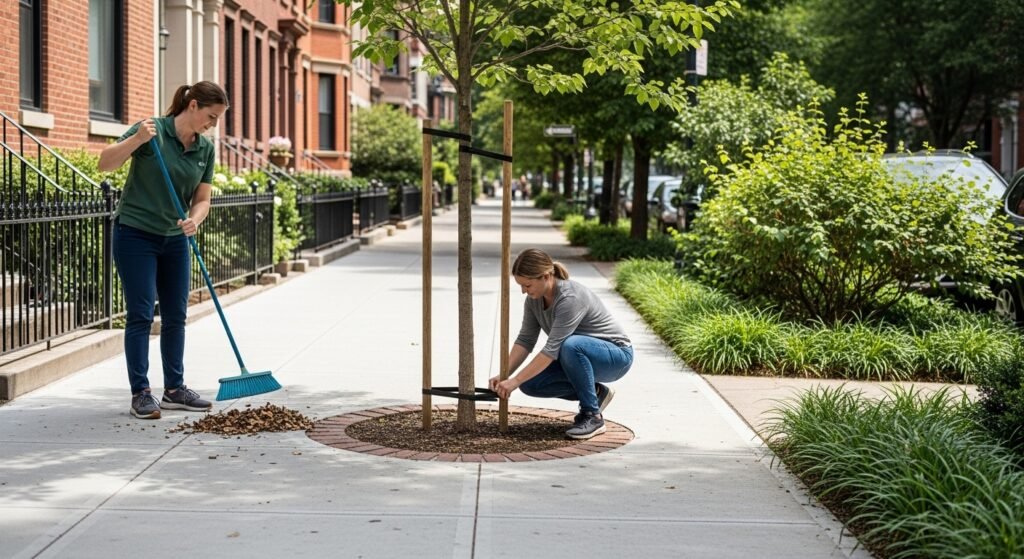
Residents began referring to the street trees as “our project.” Small acts of care followed. People cleared debris near the planting areas. Pride grew quietly, showing how shared efforts often encourage continued neighborhood care.
Small Environmental Benefits
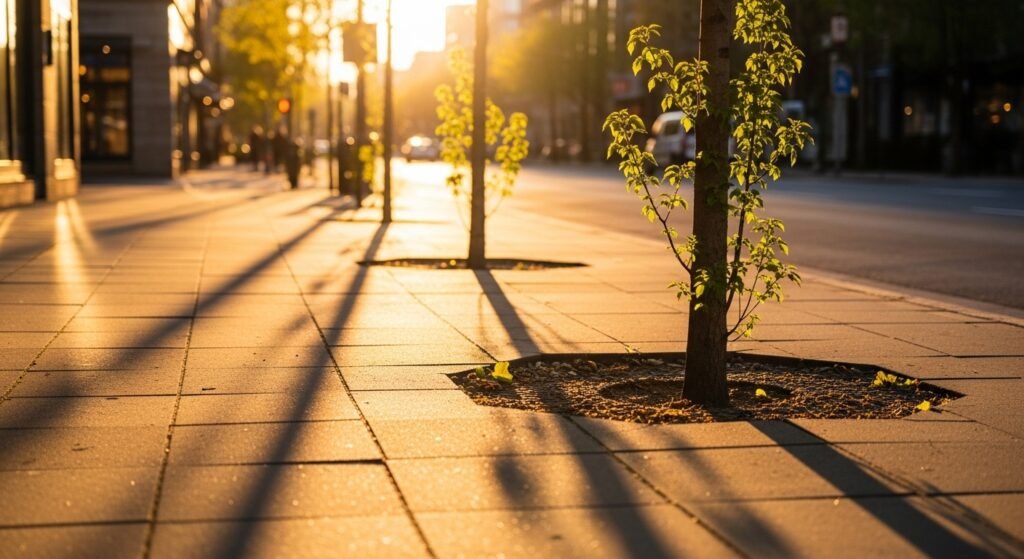
The young trees also brought modest environmental improvements. Leaves offered shade and reduced surface heat during sunny afternoons. While the change was gradual, residents appreciated the cooler feeling along certain sections of the street.
Youth Participation
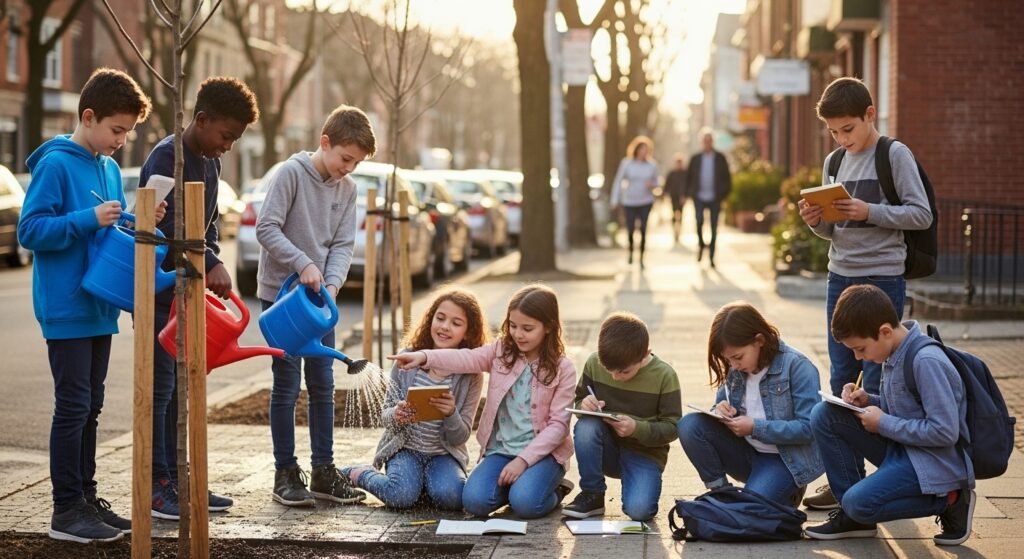
Local students became interested in the project. Some helped water plants after school. Others tracked growth in simple notebooks. Their involvement showed how community experiments can become learning opportunities for younger participants.
Attention from Nearby Blocks
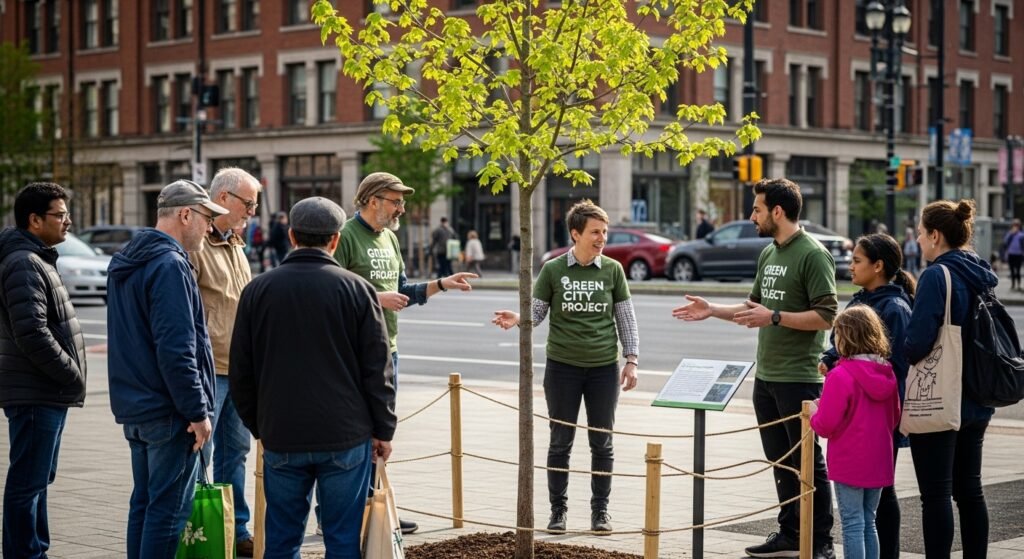
People from nearby streets visited to see the changes. They asked organizers about planting methods and permissions. The curiosity suggested that visible improvements often inspire nearby communities to consider similar ideas.
Lessons in Patience
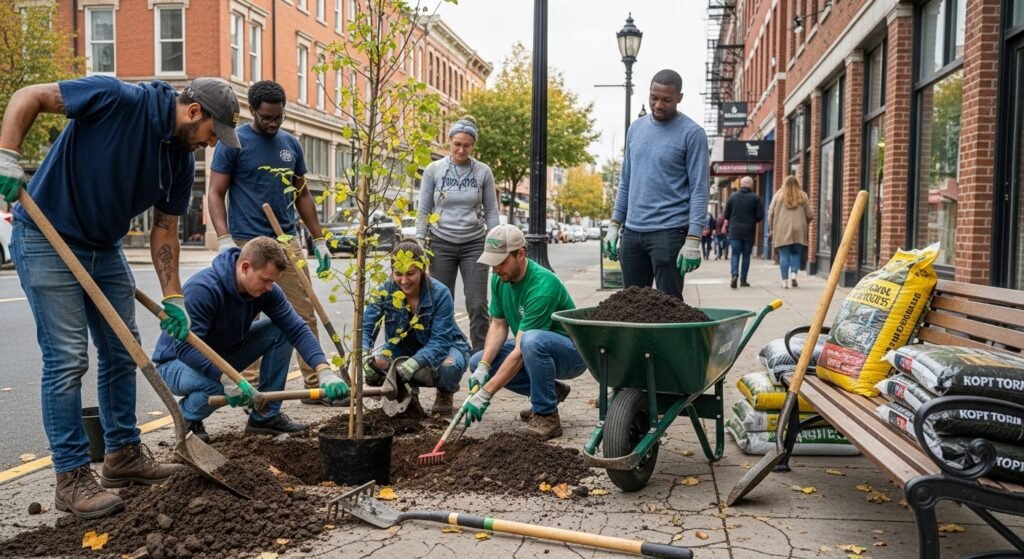
Trees grow slowly, and early months required patience. Not every plant thrived immediately. Volunteers replaced a few that struggled. The process reminded participants that lasting improvements often require consistent care over time.
A Model for Future Projects
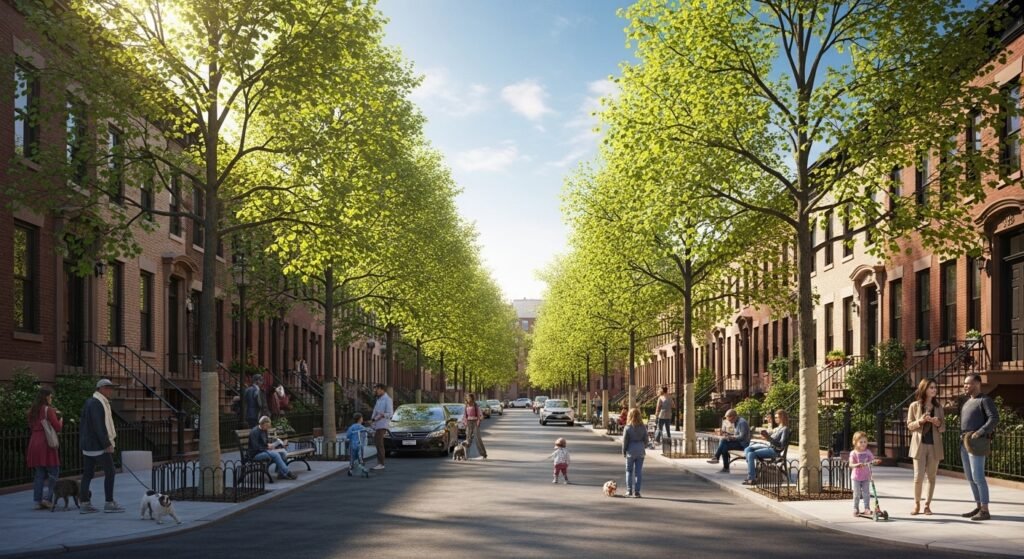
The experiment in New York City demonstrated how small environmental actions can influence social behavior. Simple tree planting encouraged conversation, responsibility, and pride. The project offered a practical model for communities seeking positive neighborhood change.
