
Ankle stabilizers are found to be important in balance, walking performance, and precautious movement. The poor foot control and reoccurring strain in day-to-day activity is commonly associated with weak stabilizers. Specific exercises enhance the ankle joint strength and coordination by slow and controlled movement. The following routine would be appropriate at home practice and involves the use of body weight or light tools. The exercises have explicit purpose and performance instructions depending on the typical rehabilitation standards.
Exercise One Purpose. Single Leg Balance

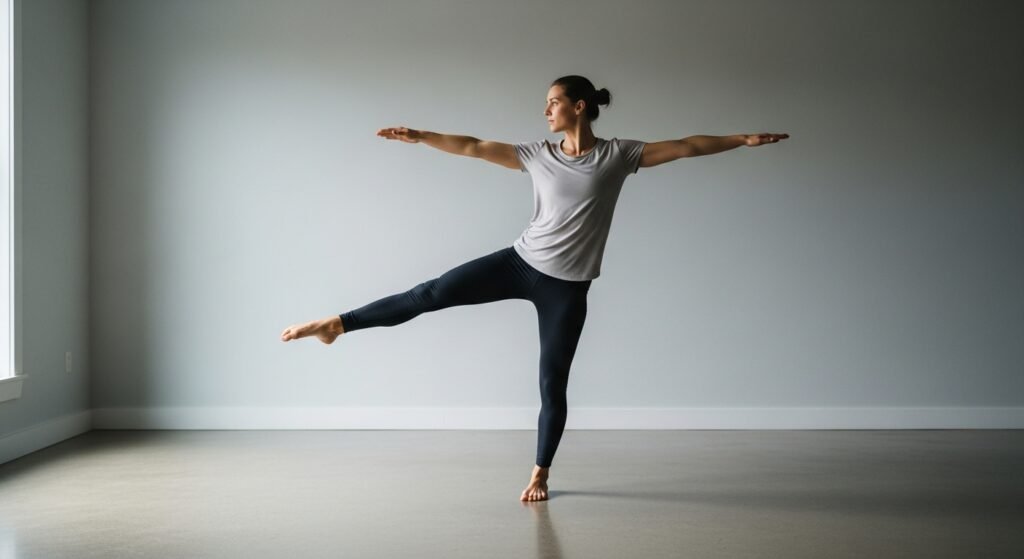
Single leg balance develops control in small muscles around the ankle and foot. Standing on one leg shifts load directly onto stabilizers. Balance training research shows improved joint awareness after regular practice. This drill suits early stage stability work and daily warm up routines.
Exercise One Execution. Single Leg Balance

On one leg the man is on his toes and is erect with his gaze forward. The weight is kept at the center of the foot. Maintain the pose between 30 and 45 seconds. Do three round on either side with regular breathing and little movement.
Exercise Two Purpose. Heel Raise

Heel raises strengthen calf muscles that assist ankle control during walking and climbing. Strong calves reduce excessive ankle movement during push off. Clinical exercise programs include heel raises to support long term joint stability and endurance.
Exercise Two Execution. Heel Raise
The person stands with feet hip width apart and lifts both heels slowly. The top position holds for one second before a controlled three second descent. Perform two sets of 12 repetitions. Pressure stays even across both forefeet.
Exercise Three Purpose. Resistance Band Eversion
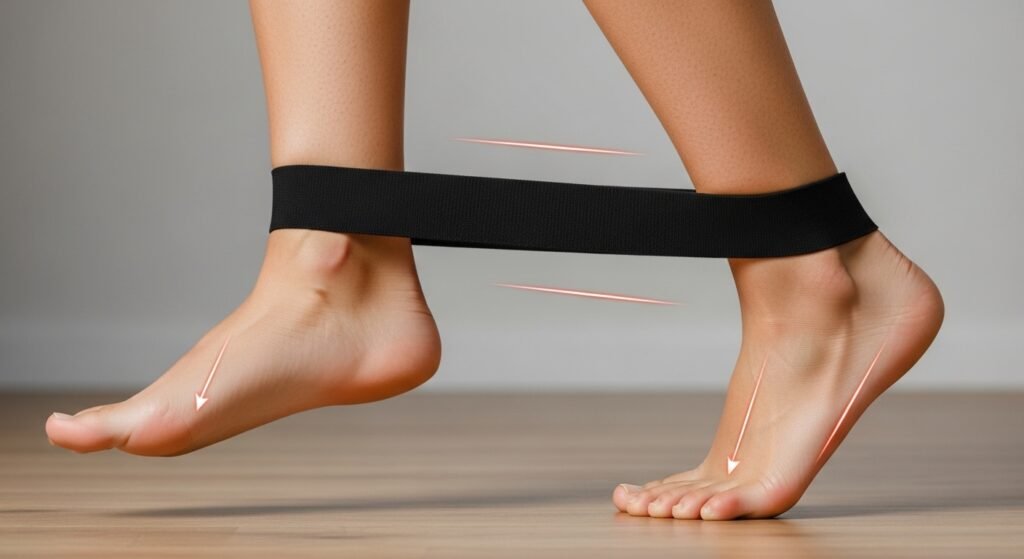
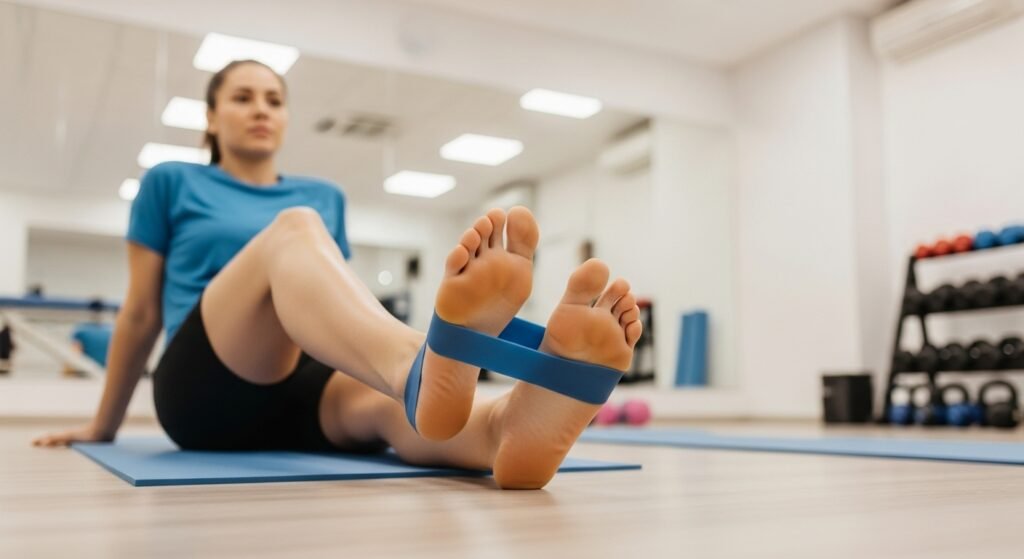
Ankle eversion targets muscles along the outer lower leg. These muscles resist inward rolling of the ankle. Strength in this area supports lateral stability during uneven ground movement. Rehabilitation studies link eversion strength with reduced instability episodes.
Exercise Three Execution. Resistance Band Eversion

The person sits with legs extended and loops a light resistance band around the forefoot. The foot presses outward against band tension in a slow range. Perform two sets of 15 repetitions on each side with full control.
Exercise Four Purpose. Toe Control Drill

Toe control drills strengthen intrinsic foot muscles connected with ankle stability. Improved toe coordination supports arch control and balance during standing tasks. Foot health research associates this drill with better postural stability outcomes.
Exercise Four Execution. Toe Control Drill
The person stands and lifts the big toe while keeping other toes grounded. The pattern then reverses. Movement stays slow and deliberate. Perform two rounds of 20 alternating lifts per foot with steady posture.
Exercise Five Purpose. Balance Reach
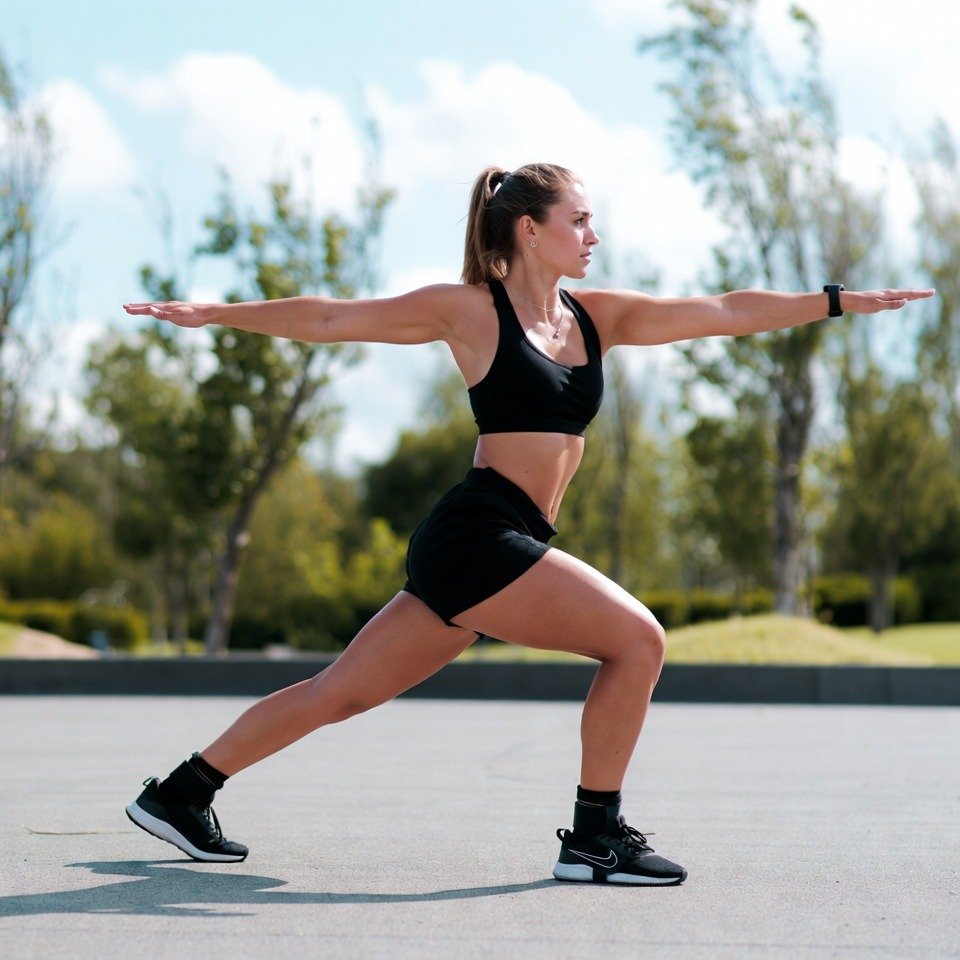
Balance reach patterns challenge ankle stabilizers through controlled directional movement. Reaching tasks improve joint awareness and dynamic control. Sports training data supports this drill for improving balance scores and movement efficiency.
Exercise Five Execution. Balance Reach

The person balances on one leg while the free foot reaches forward, sideways, and backward. Each reach returns to the center before the next. Complete five reaches per direction on each side with smooth motion.
