
It is so comfortable to eat fruits that go best with the outside weather. Mangoes in summer, apples in fall, and sweet strawberries in spring. It could not necessarily be nostalgia. Seasonal fruits may provide something in addition to flavor and color to the table. It can be readily assumed that one can simply pick whatever is on hand all year round, but there might be some minor advantages in picking whatever grows at its natural time. Seasonal fruits could be a larger part of daily life than some people would admit, whether in terms of taste and freshness or community influence and potential nutritional benefits.
They may taste better than you expect

The natural seasonal fruits are usually picked at their full maturity. This may imply improved texture and improved flavor. Fruit may grow in optimal conditions and thus become so sweet and fresh that it may feel different.
They could be more nutritious
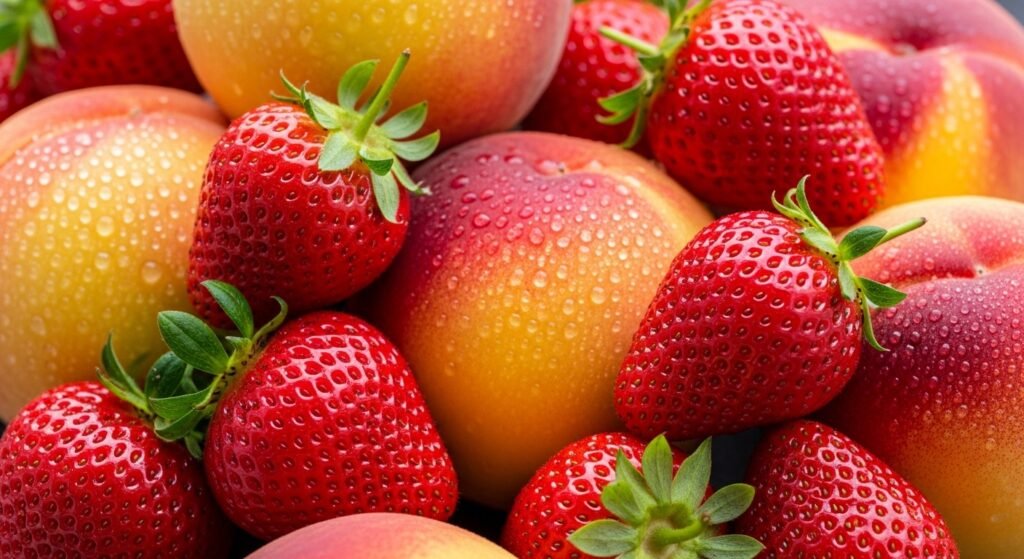
It has been postulated by some experts that fruits that are eaten earlier in the harvest can have more nutrients. Although this may not be the case, seasonal food may require less time in storage, which would possibly preserve some vitamins and minerals.
They can be in favour of local farmers
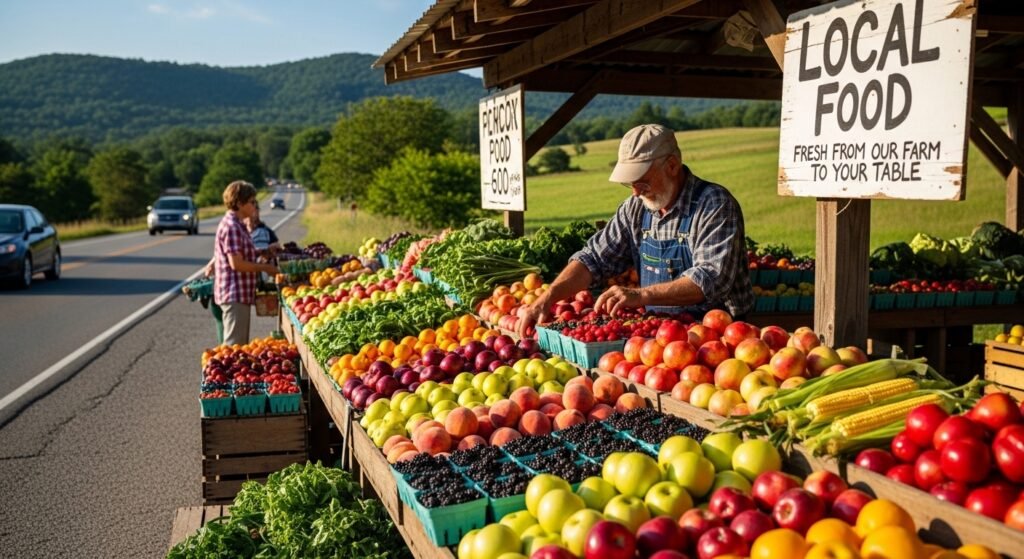
Locally purchased produce is usually accompanied by seasonal eating. This may imply that funds used to purchase fruits remain in the society. This would benefit the local farms by supporting agriculture in the area and small businesses.
They might reduce environmental impact
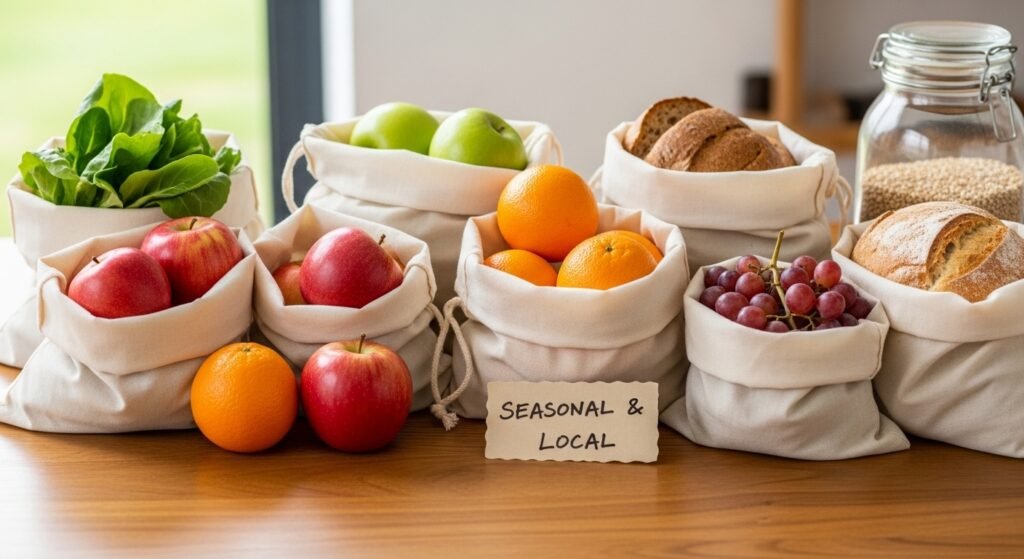
Naturally growing fruits in a particular time of the year might also need fewer artificial means of growing. The fuel consumption could also be reduced because produce is transported over shorter distances. Although that is not always so, seasonal options may coincide with the zero-waste habits.
They may help you feel more connected to nature

Being mindful of the local produce will lead to a small understanding of the weather and the harvesting time of the year. It could help to observe what fruits are available at particular times of the day and make daily practice closer to nature.
They might inspire creative cooking
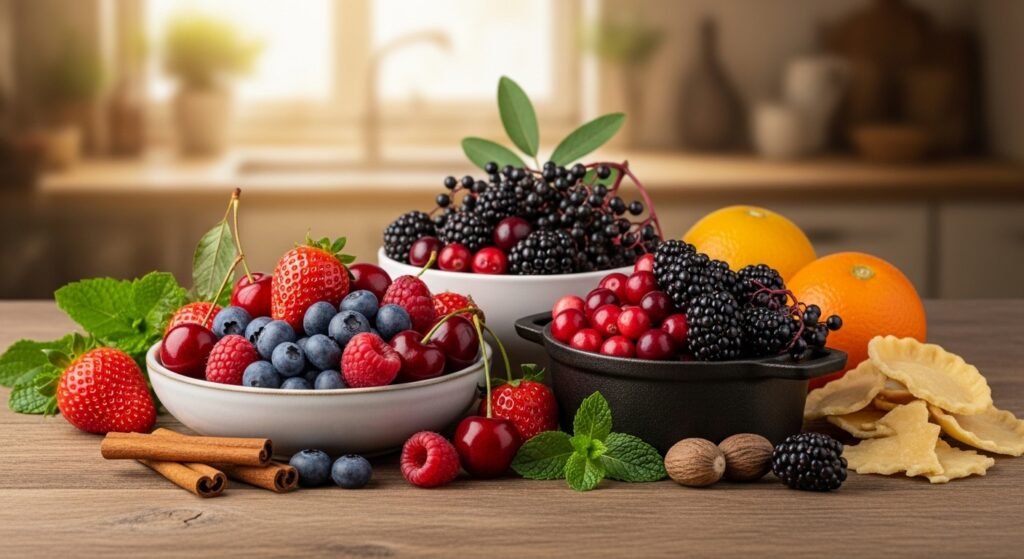
Fruits that are in season are usually a source of new recipes. Berries that grow in summer can be used as chilled desserts, whereas the ones that grow in autumn may be served in warm preparations. It may create inventiveness in the kitchen because you cook with what you have.
They could have fewer preservatives

In others, the out-of-season fruits may have traveled long distances and may need special storage conditions. There may not be as much intervention required in seasonal produce. Although this may be subject to numerous variables, it may make a difference.
They might align with your body’s needs

Certain individuals are of the opinion that fruits varying according to time are naturally in line with the weather. Fruits that are hydrated can be found during hot seasons, whereas tougher fruits can be found during colder seasons. This trend could help to sustain general ease and stability.
They could make grocery shopping simpler

Concentrating on what is in season could help reduce decision fatigue and limit decisions more. Seasonal displays would simplify the process of shopping instead of spending time debating the endless choices.
They may encourage mindful eating
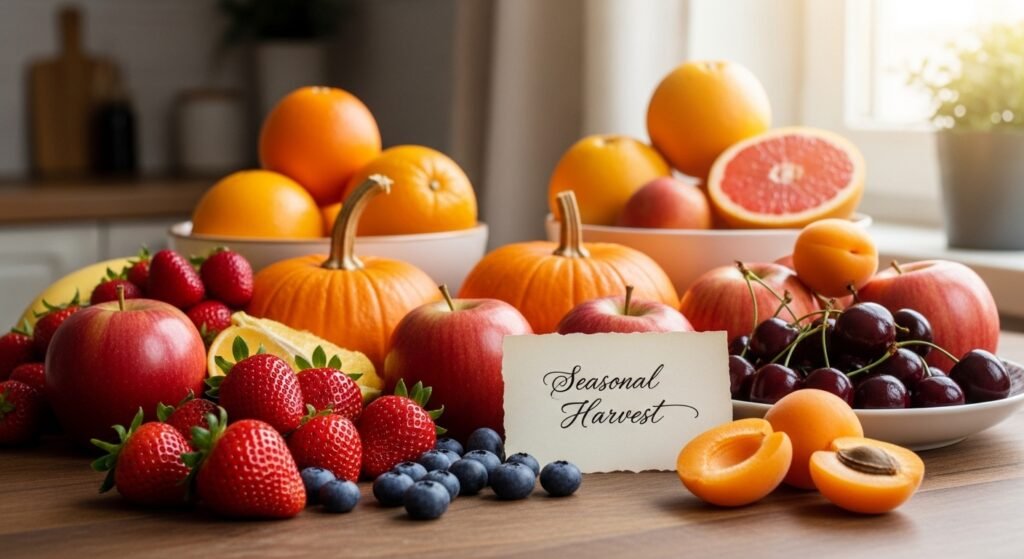
The act of picking fruits according to the time of the year may bring a more deliberate approach to food. Eating fruits, anticipating one of them every year, may make eating less mundane and more of a delight, which might result in a higher appreciation.
They could also add more joy to daily meals
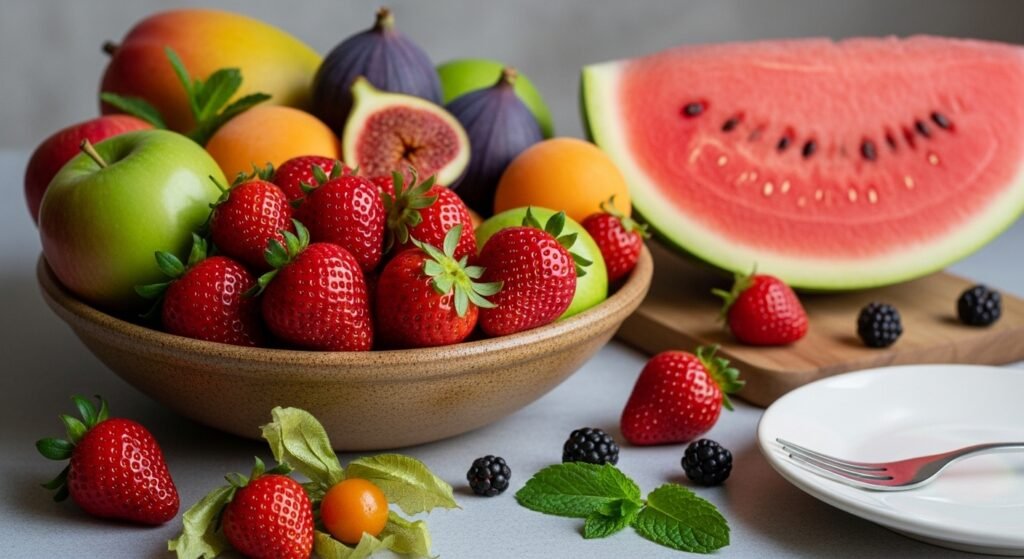
We have a certain way of looking forward to a fruit coming back every year. The anticipation of doing so may add to the pleasure of the first bite. Fruits that are available seasonally might transform ordinary meals into small parties.
