
New breakthroughs in biotechnology and genetics have brought us within grasp of a real-world reality once considered the stuff of science fiction-reversing permanent vision loss. Scientists are moving beyond treating eye disease to regrowing and repairing these delicate tissues of the eye.
Intervening to Reprogram Cells
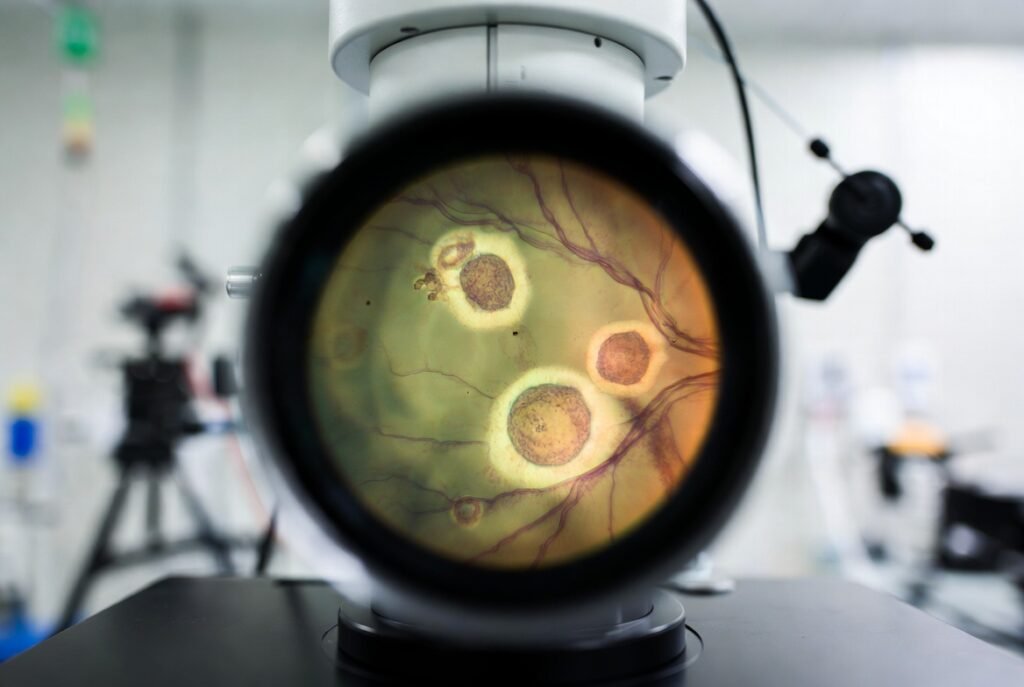
One of the most exciting things about “cellular reprogramming” is that they have found a way to age backward diseased eye cells. By certain proteins, they would reset the DNA of defective retinal cells and turn them “young” again and able to function as they used to during the initial years of life.
Regeneration of the optic nerve
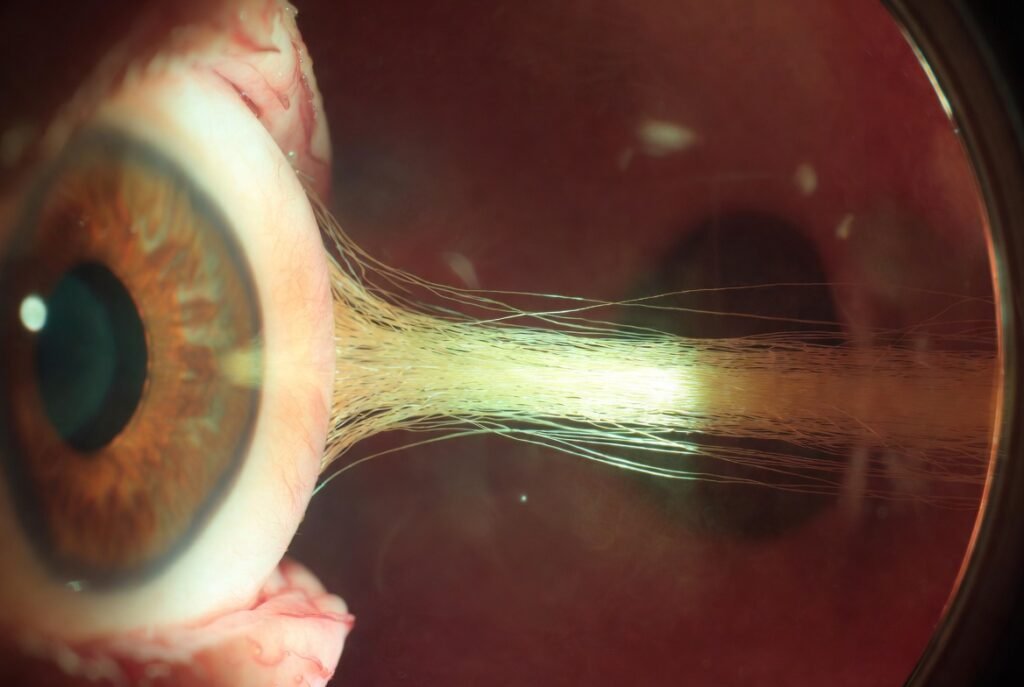
Old theories claimed that optic nerve cables would not regenerate or heal once cut or damaged. However, scientists found the so-called “growth switches” in genes. Laboratory studies have shown that by acting on these switches, optic nerve fibres can regrow and reconnect with the brain.
Stem Cell Grafting

Stem cells are regarded as “blank slates” that could develop into any specific tissue. Currently, scientists are working on the generation of new retinal cells in vitro, and possibly implanting those cells into diseased eyes from people with macular degeneration. Such cells would then assume the function of dead or dying ones, and make the patient able to see light and detail.
Gene Therapy: Genetic Blindness
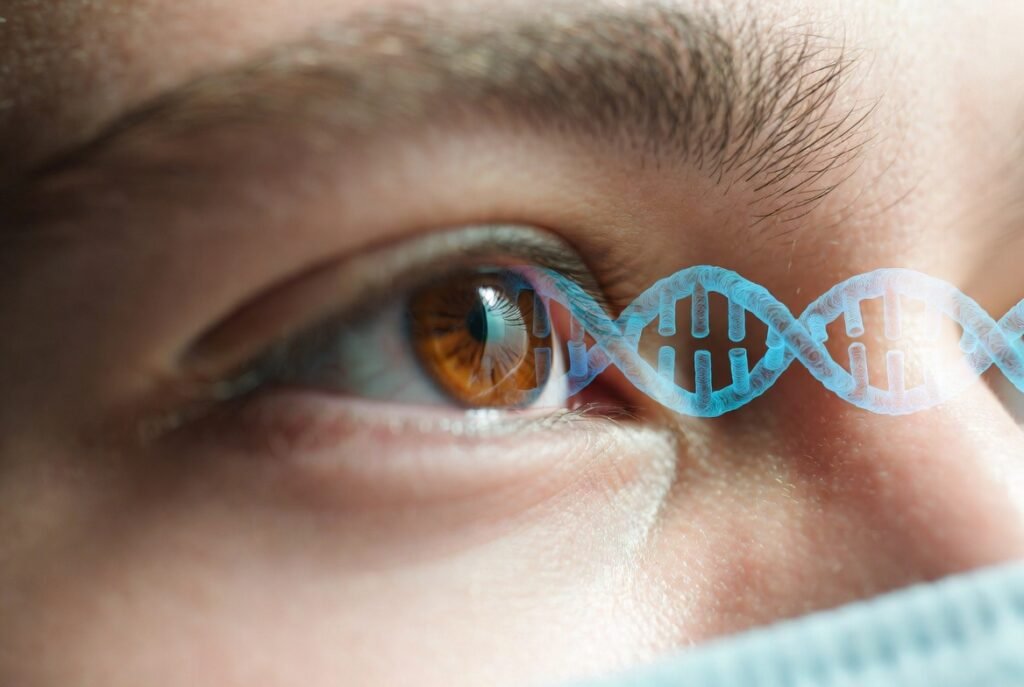
It’s either recessive or dominant; there may be some rare forms of inherited blindness from birth in that an individual would just have a single “broken” gene, rendering his vision really devoid of such functional capability. Right now, scientists are harnessing harmless viruses to deliver those good copies of the genes to the eye. Once there, the healthy gene will instruct the eye to make normally any protein it needs to function properly.
Technically termed “Bionic” Retinas
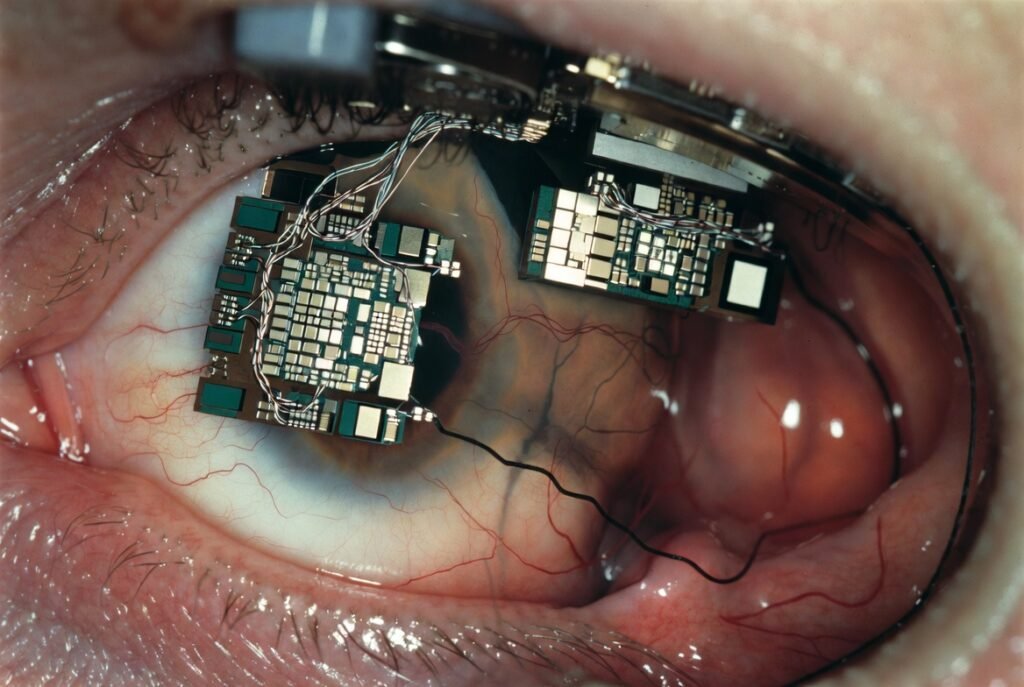
Engineers are about to develop artificial implants for the patients whose biological (cellular) functions cannot be saved. These tiny electronic chips are inserted in the back of the eye to do the work of artificial photoreceptors; thus, collecting light and sending it as electrical signals in order to perceive shapes and movements even by those who are totally blind.
Optogenetics: Teaching Other Cells to “See”

The eye comprises layers upon layers of cells, but only a few (the photoreceptors) are light-sensitive. The gene therapy optogenetics activates the potential of other healthy eye cells to become light-sensitive, enabling the transfer of visual information from the degenerating regions to the brain.
Printing Eye Tissues with 3D Bioprinters
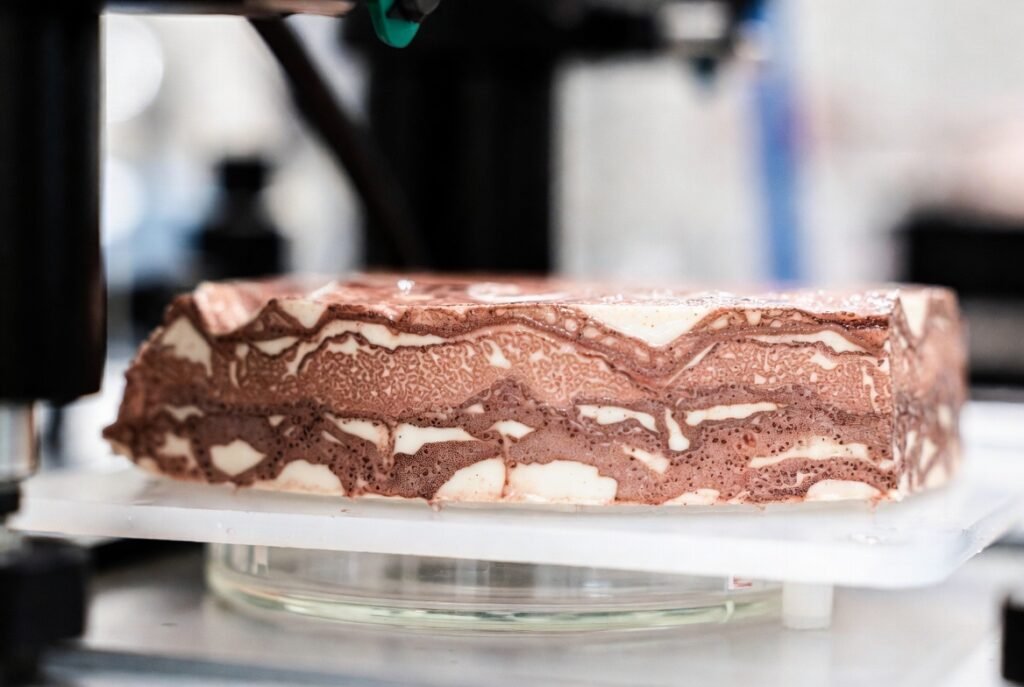
At present, scientists are “printing” layers of human ocular tissues with a 3D printing technique using living cells. These bio-printed tissues could then be used directly to study disease processes better. Ultimately, they can rubber-stamp the actual thing as an intervention to heal damaged retinas or cornea.
Clearing Metabolic Wastes:

As we age, the waste continues to build up in our eyes and choke even the healthy cells. New drugs are being invented that will create a kind of rescue force to clear this waste. This should prevent vision loss by cleaning up the “environment”, thus allowing cells that are already struggling to make a recovery.
Training Brain Plasticity
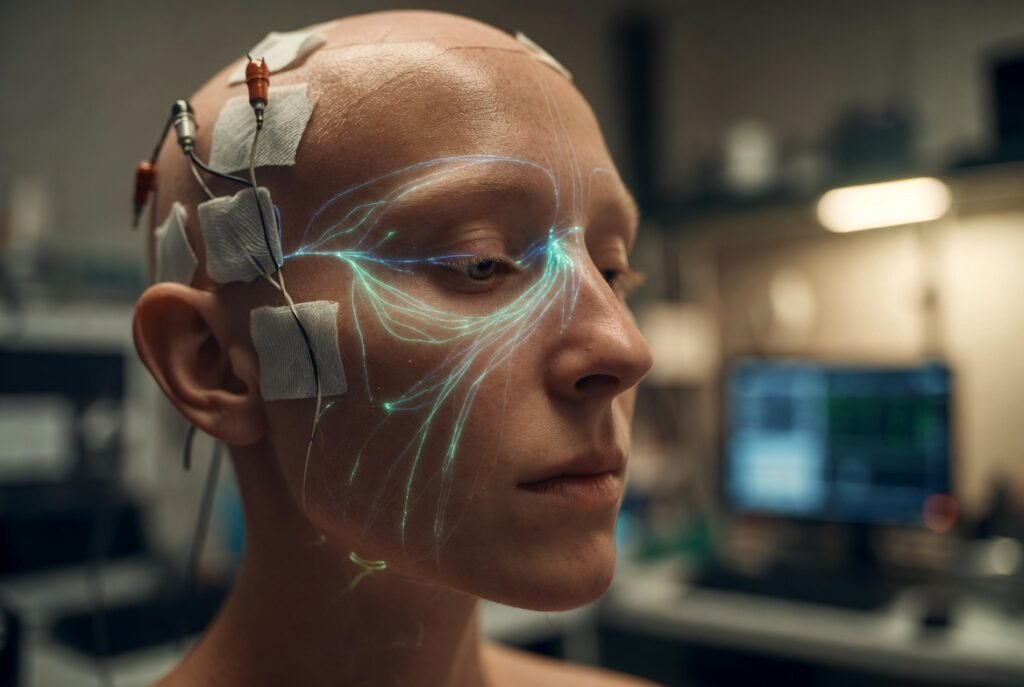
Recovering vision is not only about viewing from the eyes; it’s about the brain. Scientists found that the brain “learns” much better than previously thought in relearning to see. Even after long years of blindness, the visual cortex can be retrained to interpret new signals from implants or regenerated cells, with the recovery of sight becoming a joint venture between the eye and mind.
