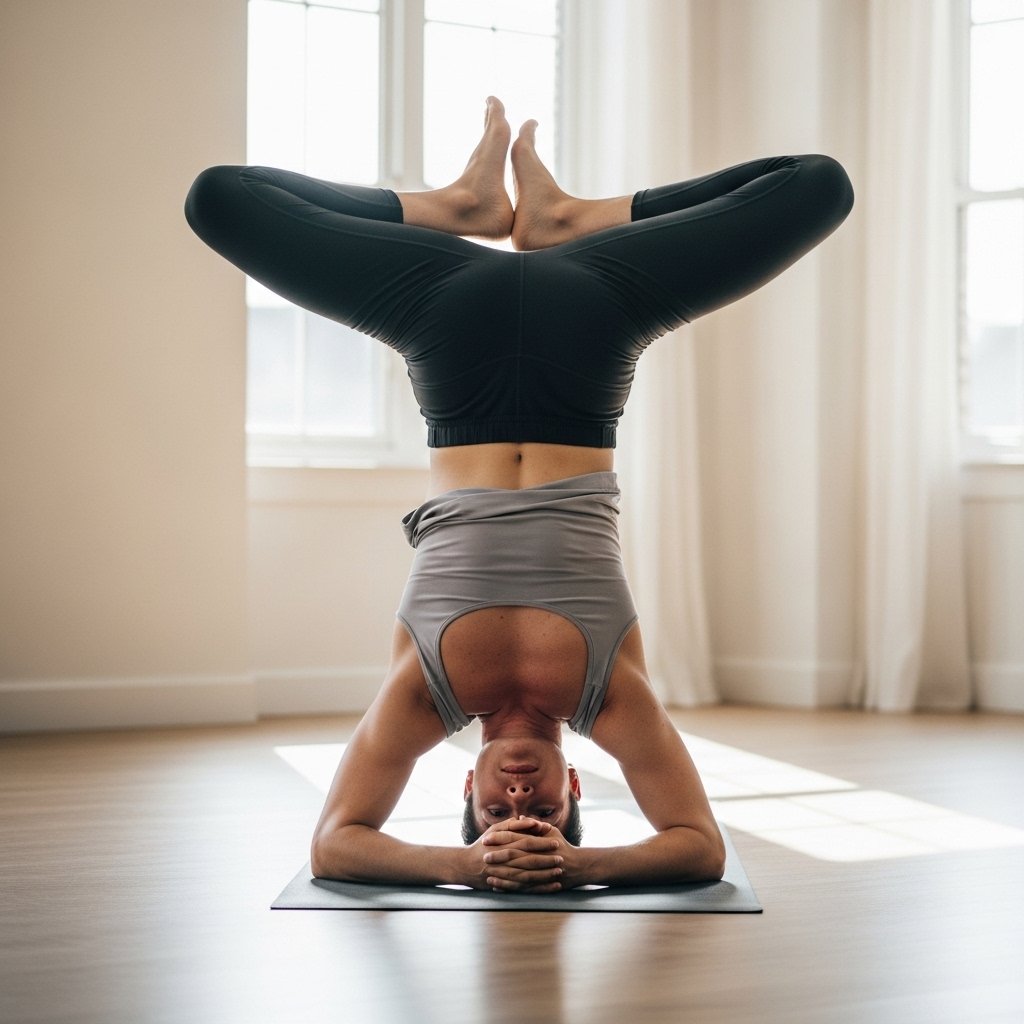
Headstand attracts because of its physical requirements and aesthetic appeal. The schools of yoga call Sirsasana, a pose that involves the control of the joints, the stability of the core, and the sense of the space. A lot of novices jump into the pose unpreparedly. Well-organized practice will minimize the pressure of the neck and shoulders. Proper preparation and slow loading enable practitioners to gain confidence and physical preparedness and reduce the chances of being injured.
Understand the Physical Demands
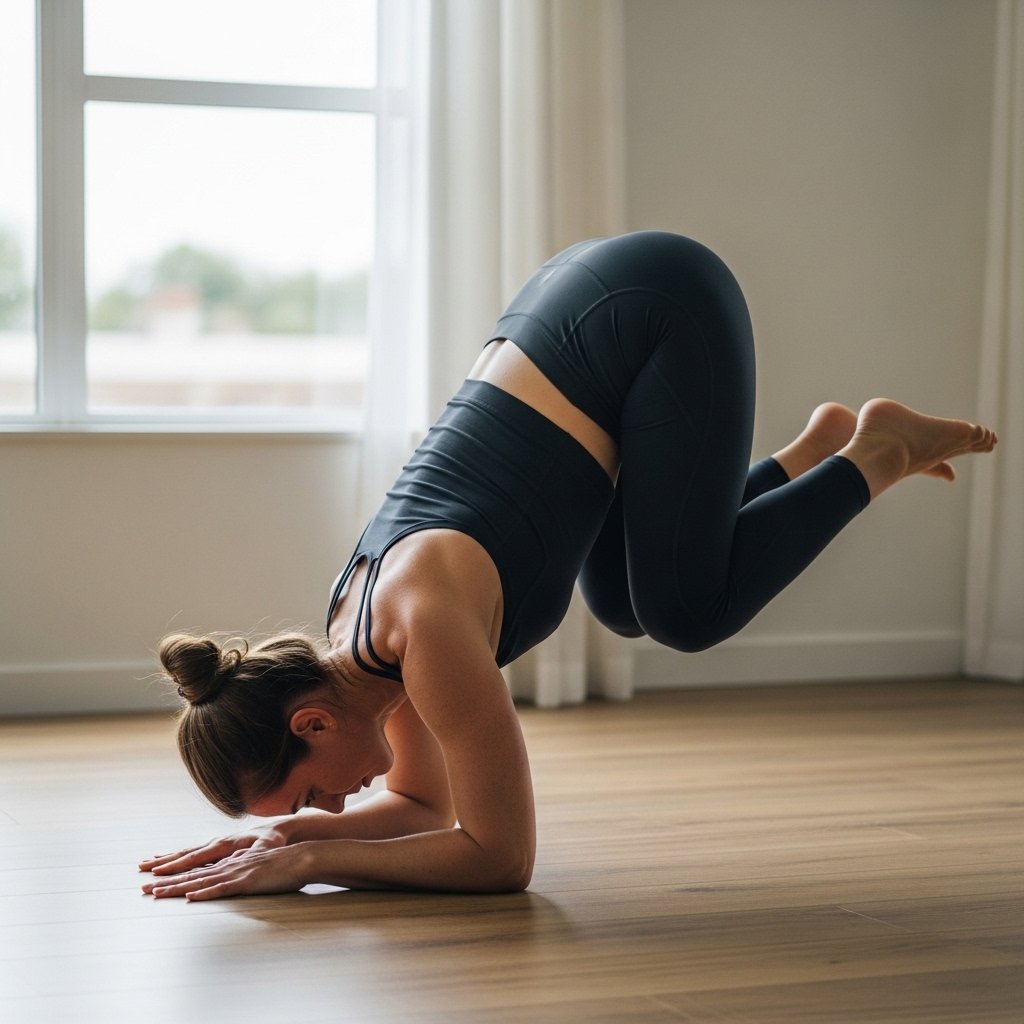
Headstand puts axial stress on the cervical spine and involves the involvement of the shoulder girdle. The research conducted on injuries in yoga also indicates that compression of the neck is more intense with improper alignment. Before full inversion, it is necessary that practitioners have sufficient flexion of the shoulders, thoracic mobility and core strength. Evaluation of such factors enhances secure development.
Build Shoulder Stability First
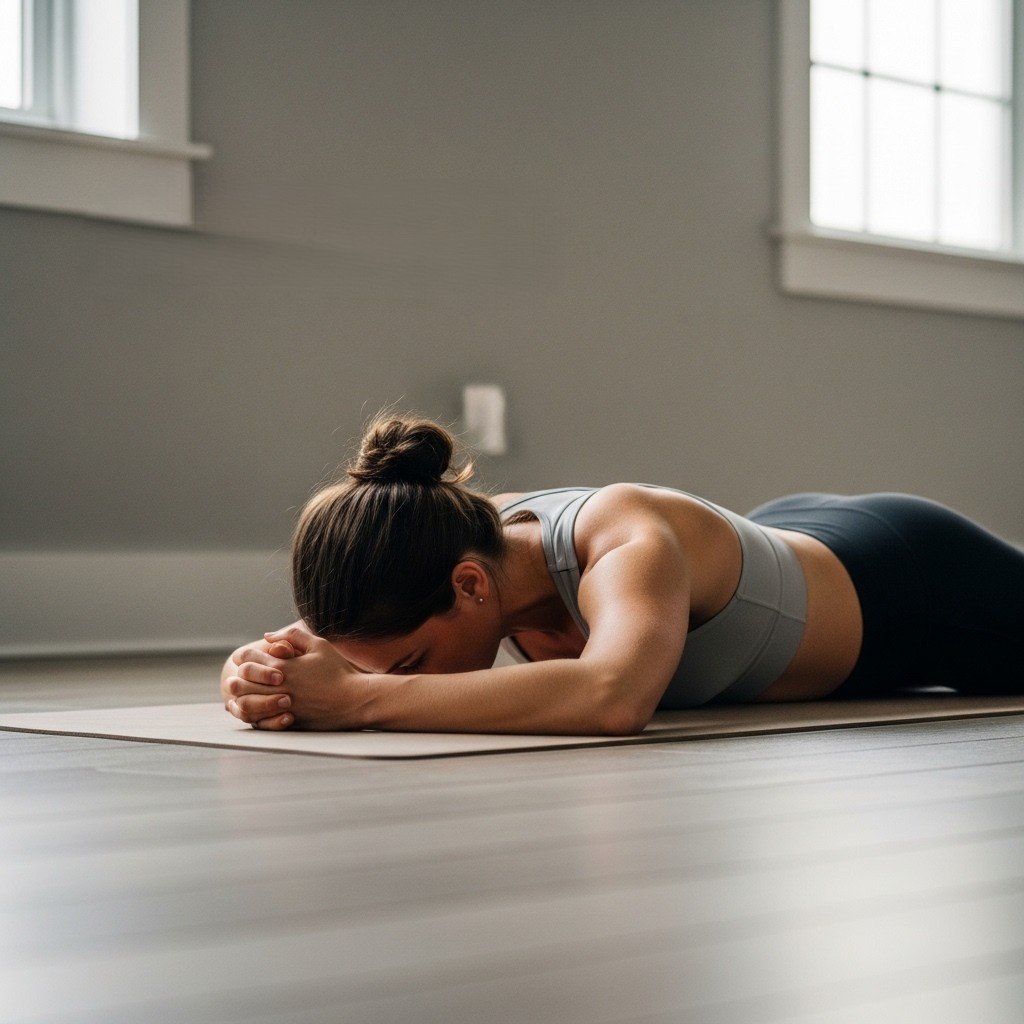
Powerful shoulders render body weight off the head. The Dolphin pose and the forearm plank train scapular protraction and elevation. These exercises enhance the endurance of deltoids and serratus anterior when performed three to four times a week. Regular conditioning decreases the unnecessary pressure of the cervical vertebrae.
Strengthen the Core System
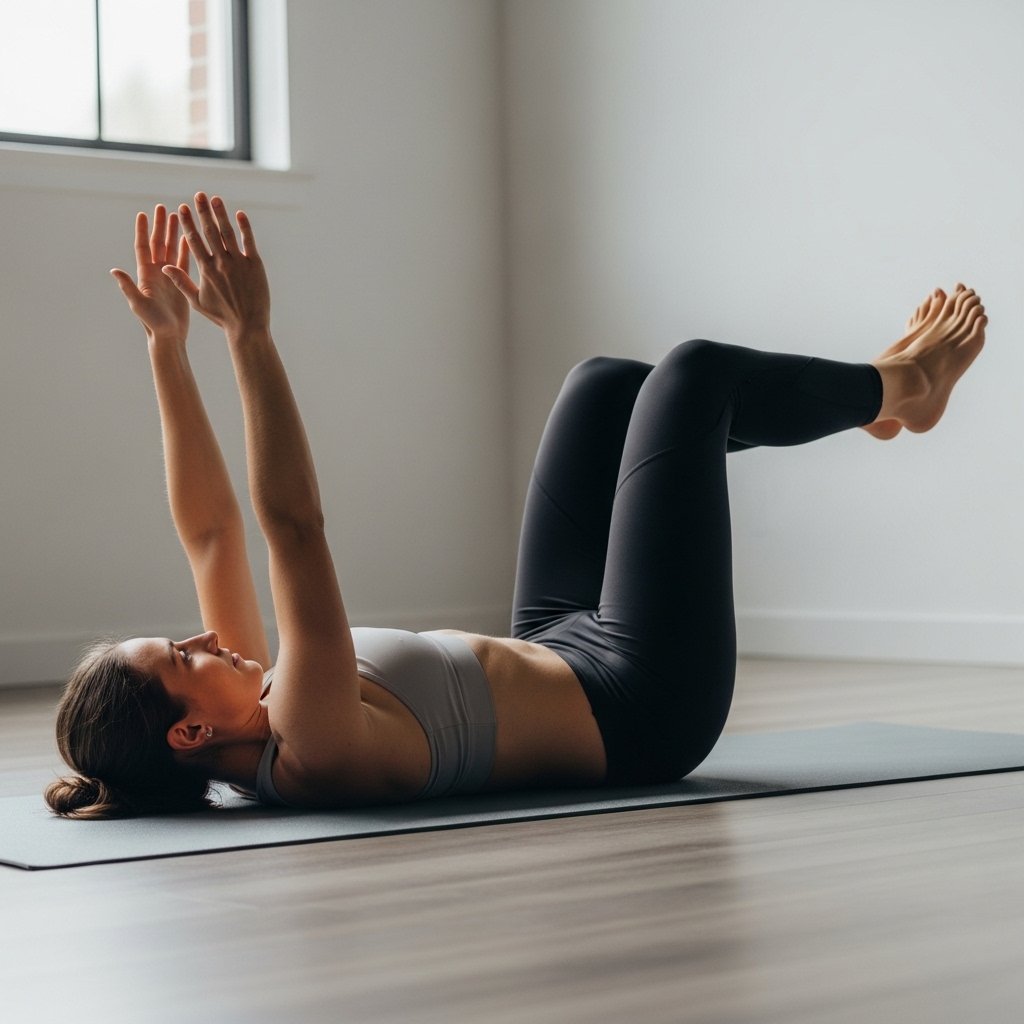
During inversion, the spine and the pelvis are stabilized as a result of core activation. Hollow body holds and controlled leg lifts are exercises that enhance the trunk control. Sports medicine research associates enhanced core involvement with enhanced balance during the inverted postures. Some of the repetitions assist in keeping the alignment during lifting into headstand.
Prepare the Neck with Care

The neck aids partially in headstand. Light isometric holds and range of motion exercises enhance tolerance. Overloading not associated with preparation leads to tension on soft tissue. Practitioners are not supposed to hurry to get into the posture, until their necks get stronger and more comfortable with the position through gradual conditioning.
Use Proper Hand and Arm Placement

Forearms are triangular in formation. Fingers are interlaced without pulling the back of the head. Shoulders should not be more than shoulder wide so as to be stable. Misplacement generates constriction of the base and weight distribution that reduces the balance and alignment.
Practice Against a Wall
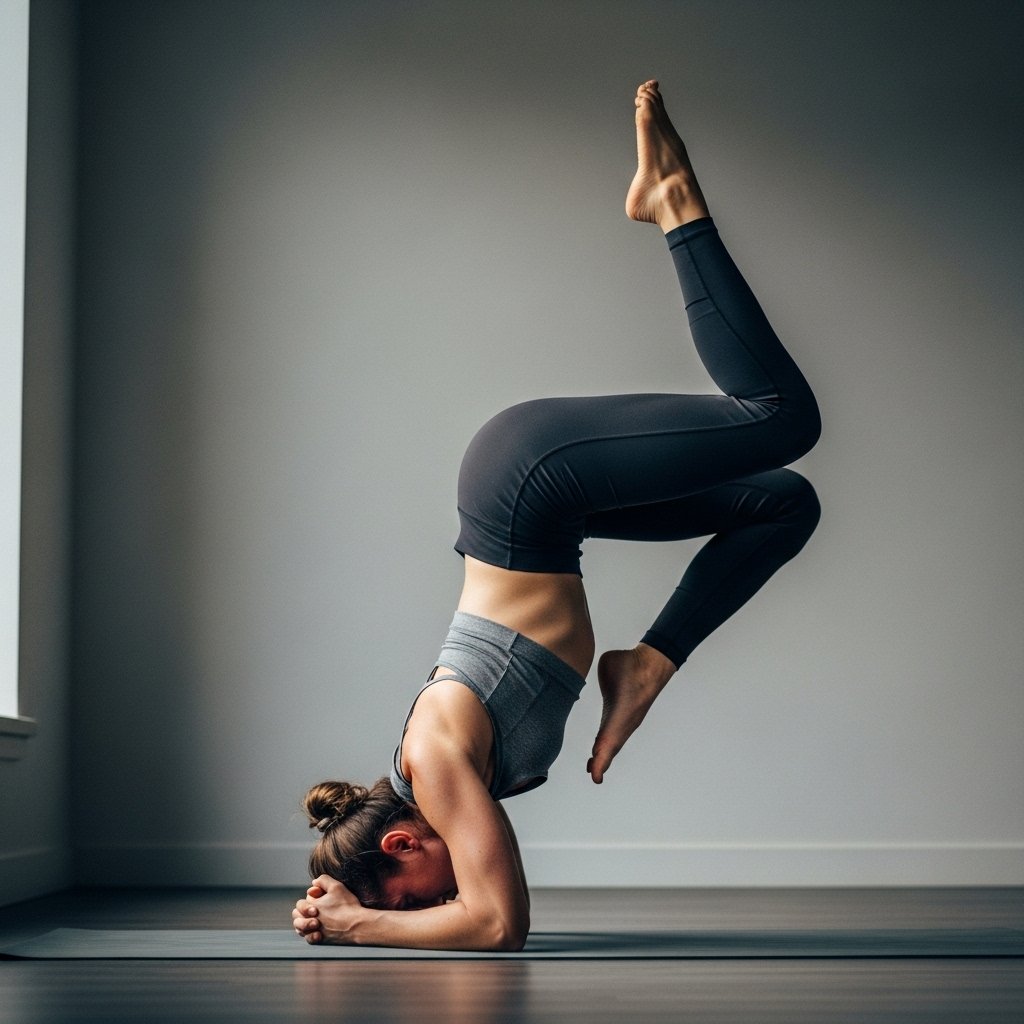
A wall offers feedback during early attempts. Placing the forearms six inches from the wall helps prevent overbalancing. Controlled lifts, one leg at a time, train coordination. Practitioners reduce reliance on the wall as balance improves through repeated, measured practice.
Lift with Control, Not Momentum
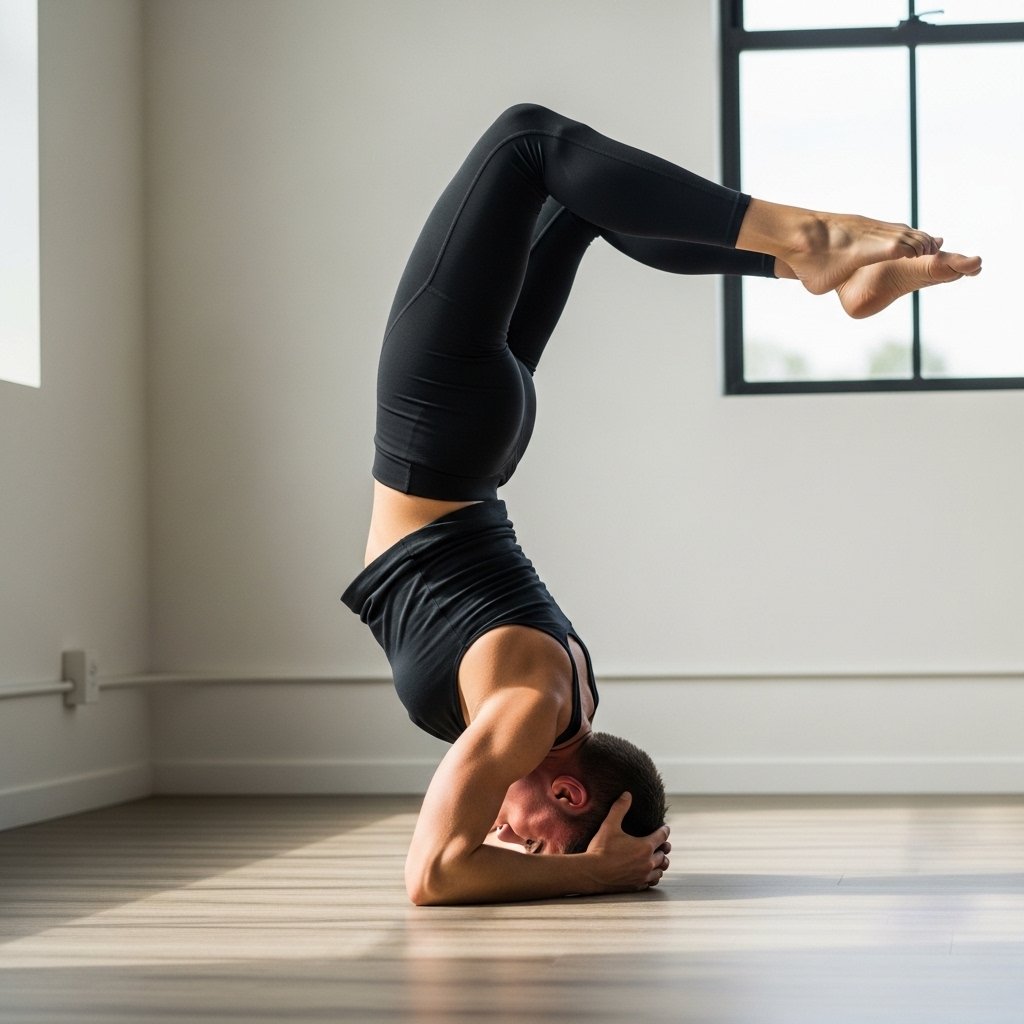
Jumping into inversion increases instability. Slow hip stacking over shoulders promotes structural alignment. Engaging the core before lifting both legs reduces swinging. Controlled entry improves proprioception and reduces sudden compression on the neck.
Focus on Breathing and Gaze
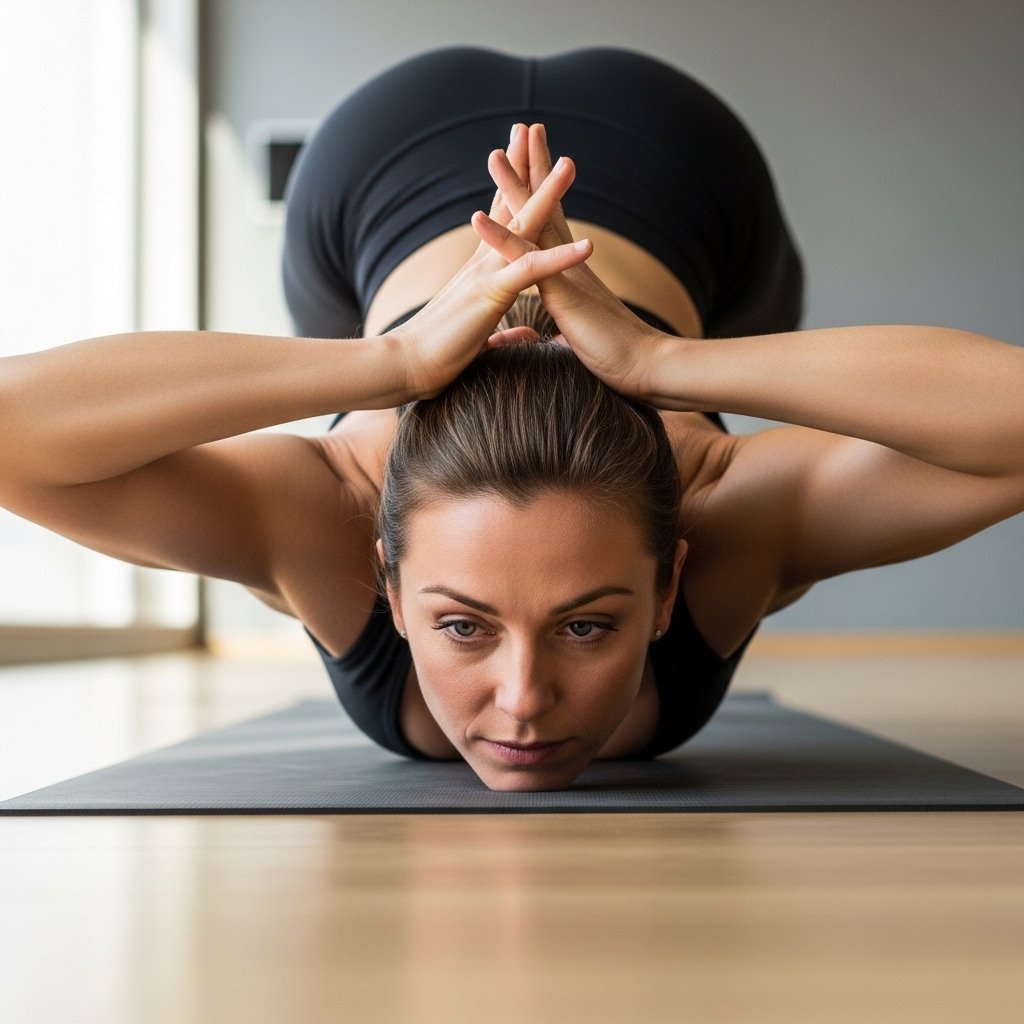
Steady breathing maintains muscular engagement. Short, shallow breaths indicate excess tension. A fixed gaze between the forearms enhances concentration and equilibrium. Consistent breathing patterns correlate with improved balance performance in yoga practitioners.
Limit Duration in Early Stages
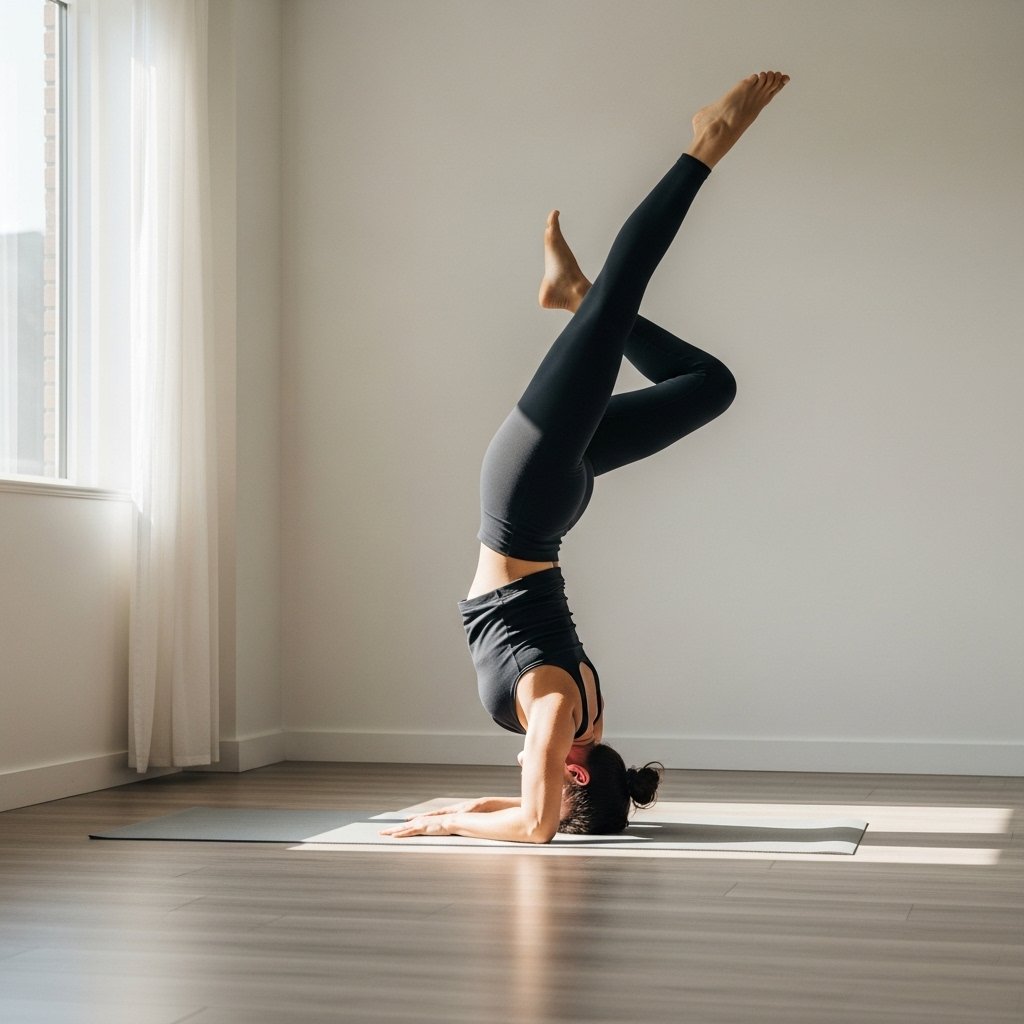
Beginners benefit from holding headstand for five to ten seconds. Gradual increases allow tissue adaptation. Overholding leads to fatigue and alignment breakdown. Tracking duration over weeks provides measurable progress without excessive strain.
Exit the Pose with Awareness
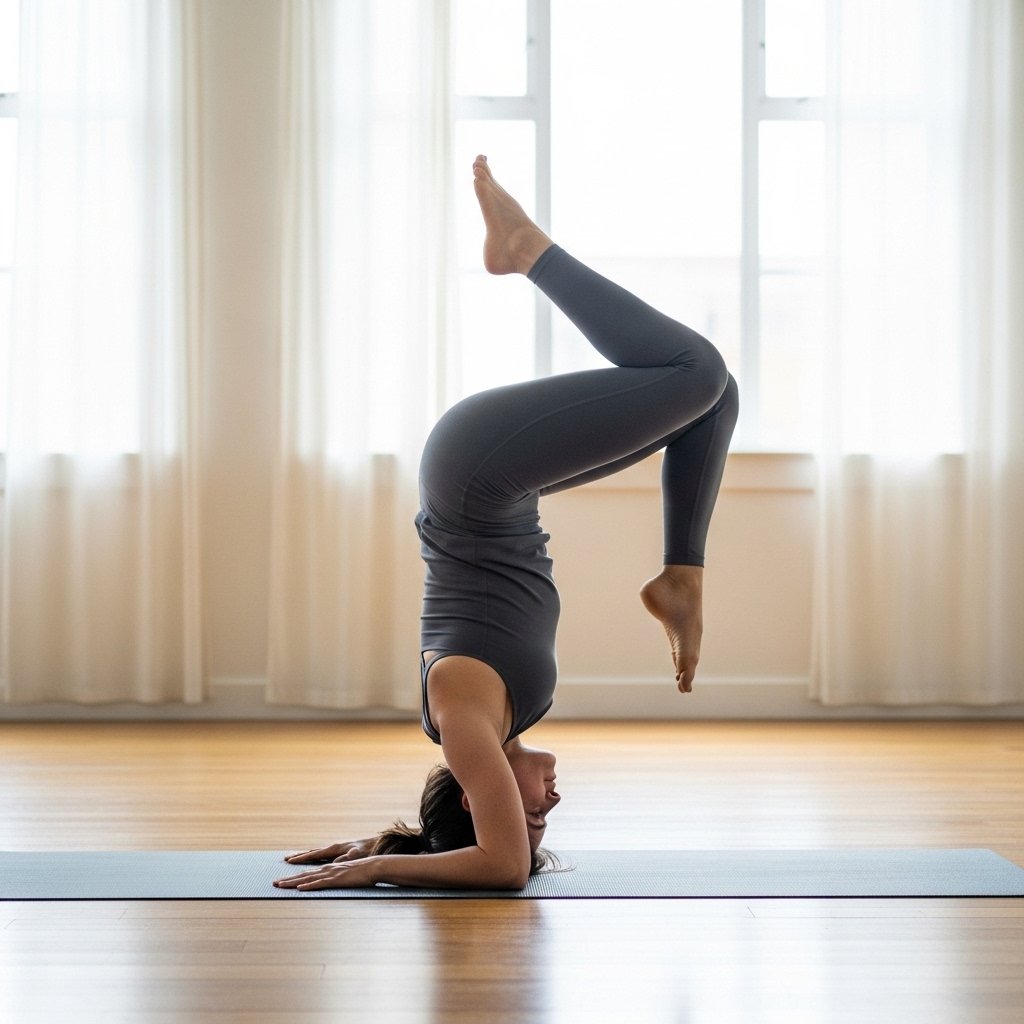
Descent requires the same control as ascent. Lowering one leg at a time maintains spinal alignment. Resting in child’s pose supports circulation and recovery. Conscious exit prevents abrupt loading changes and maintains safety standards during practice.
