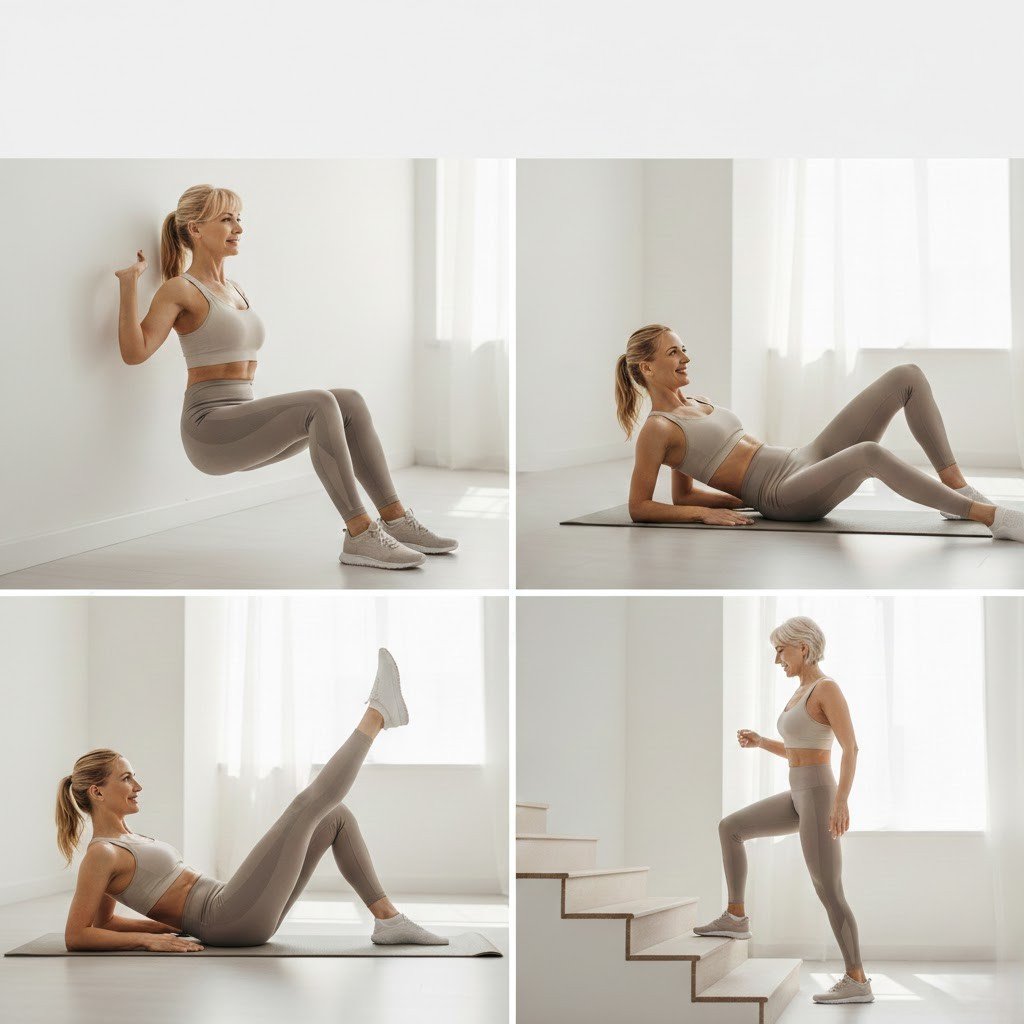
Knee strength aids in walking, sitting, lifting and balance control. Limp muscles which surround the joint add pressure when a person is performing his normal activities like walking up the stairs or standing in one place. The clinical exercise research associates specific lower body training with enhanced joint positioning and load regulation. An organized method that involves the use of controlled movements is used to strengthen the muscles in the surroundings. Gradual improvement of the joints with the help of constant exercise in stable positions helps to eliminate the wanton stress on the joints.
Straight Leg Raises
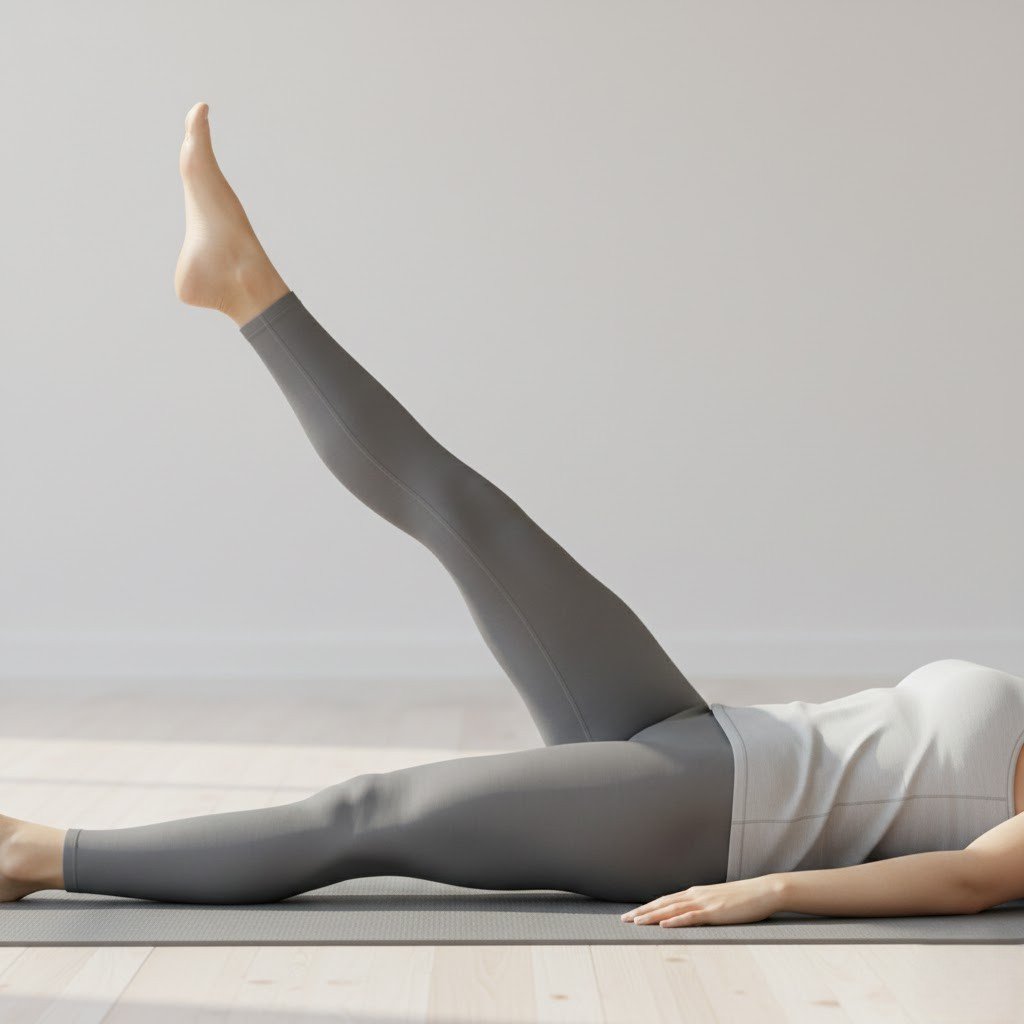
Straight leg raises focus on quadriceps activation without joint bending. Lying on a flat surface keeps movement controlled and predictable. Rehabilitation programs often rely on this exercise during early strength phases. Slow lifting and lowering improves muscle engagement and supports knee stability during daily movement.
Wall Sits
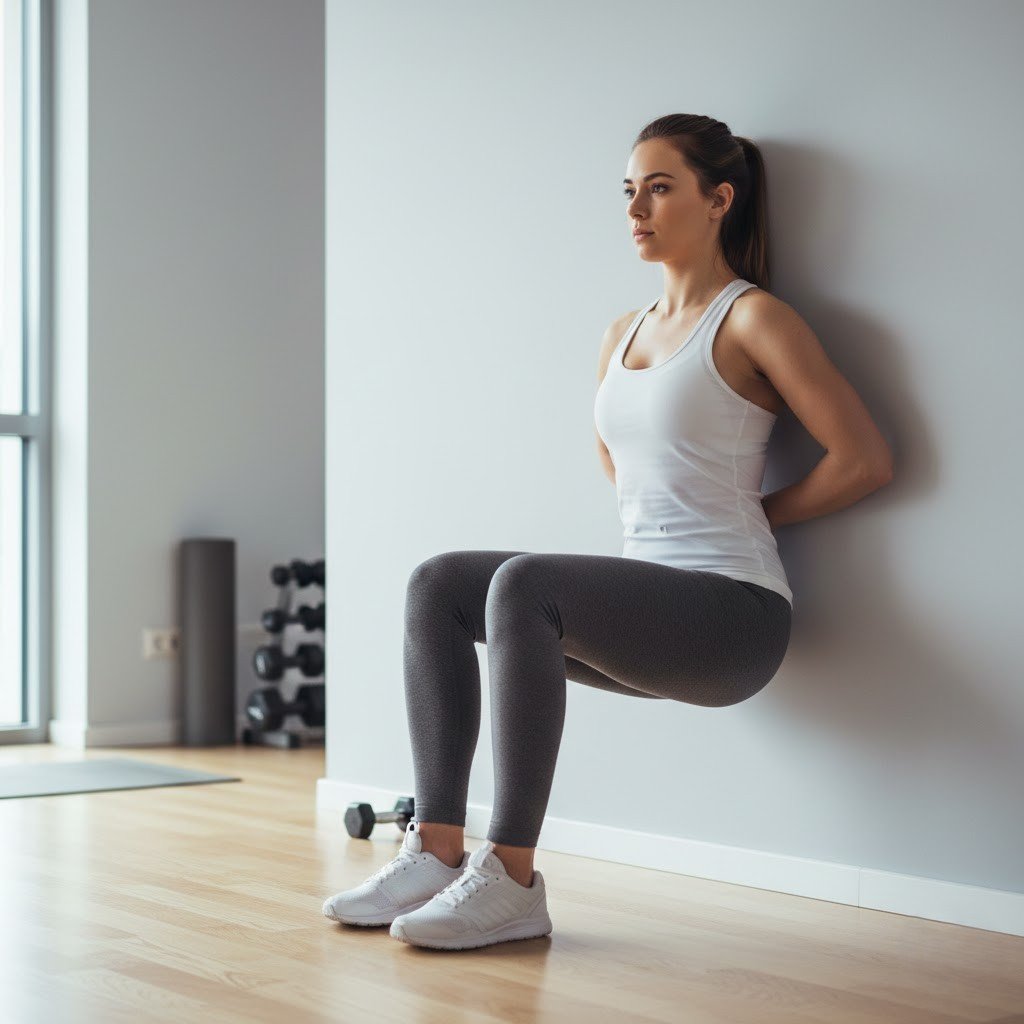
Wall sits build endurance in muscles supporting the knee joint. Holding a seated position against a wall increases muscular tension without joint motion. Sports conditioning research links static holds with improved joint control. Proper foot placement and upright posture support even force distribution.
Hamstring Curls
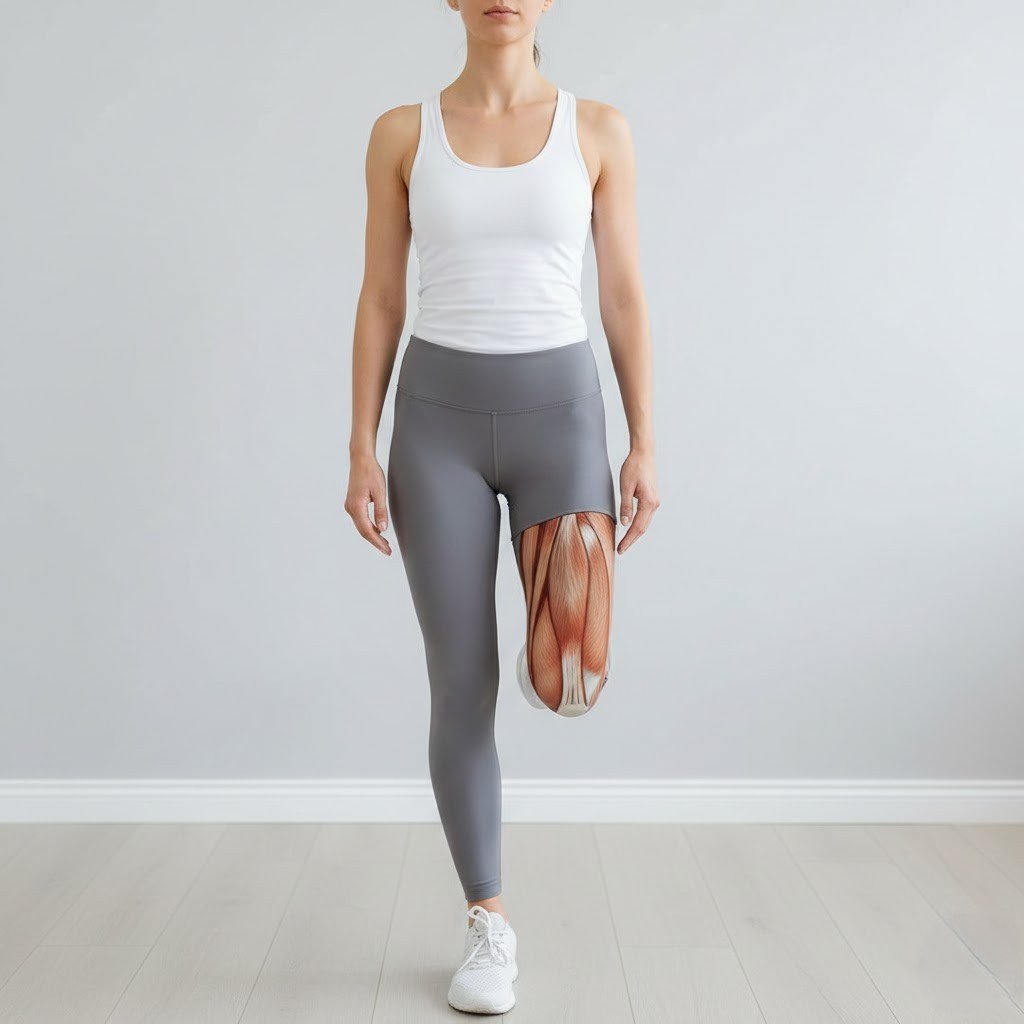
Hamstring curls strengthen the muscles at the thigh back. Hamstrings and quadriceps strength are in balance in order to provide joint alignment. Movement researches refer to hamstring training as correlating to less stiff gait functions. The controlled movement of the curling decreases the uneven loading of the knee area.
Step Ups
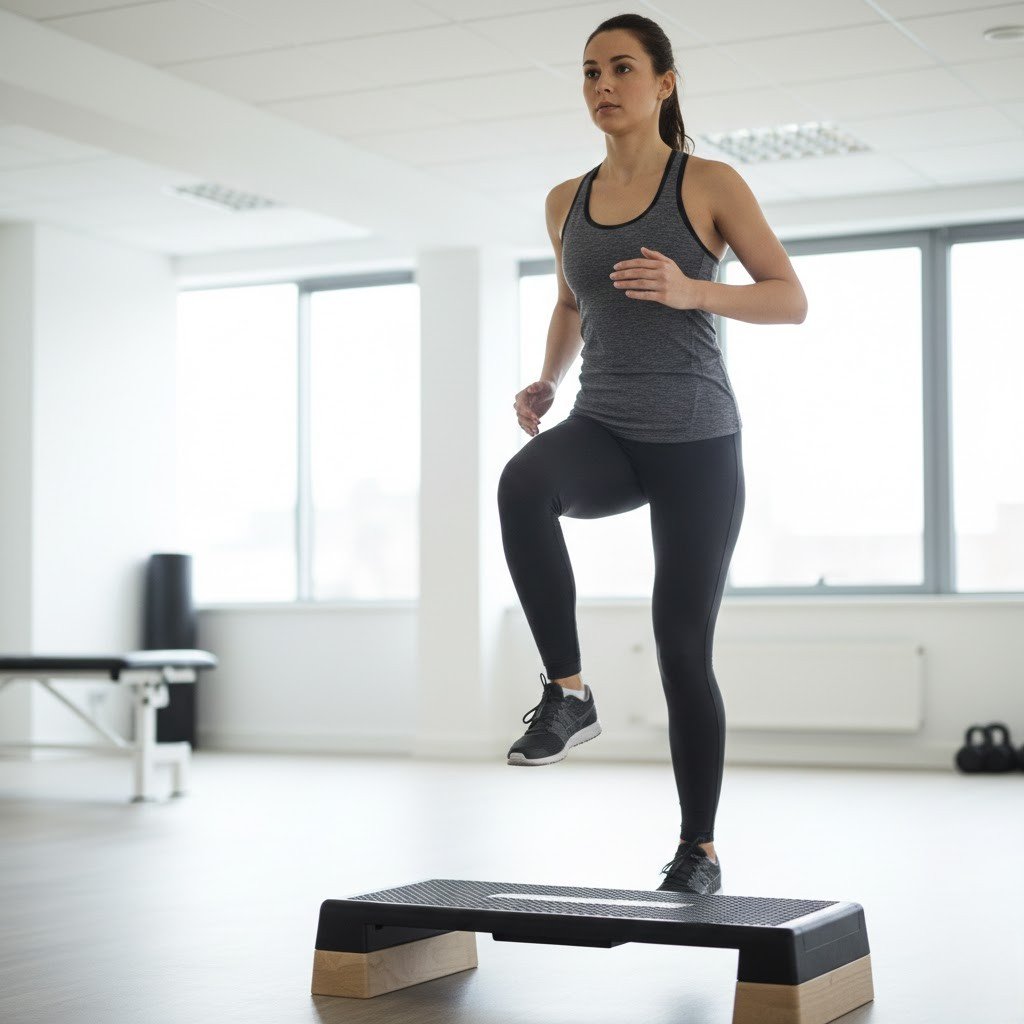
Step ups train knees through functional lifting patterns. Using a low step reflects stair movement used in daily routines. Physical therapy research supports step exercises for improving coordination and strength. Slow transitions between steps support balance and controlled joint loading.
Calf Raises
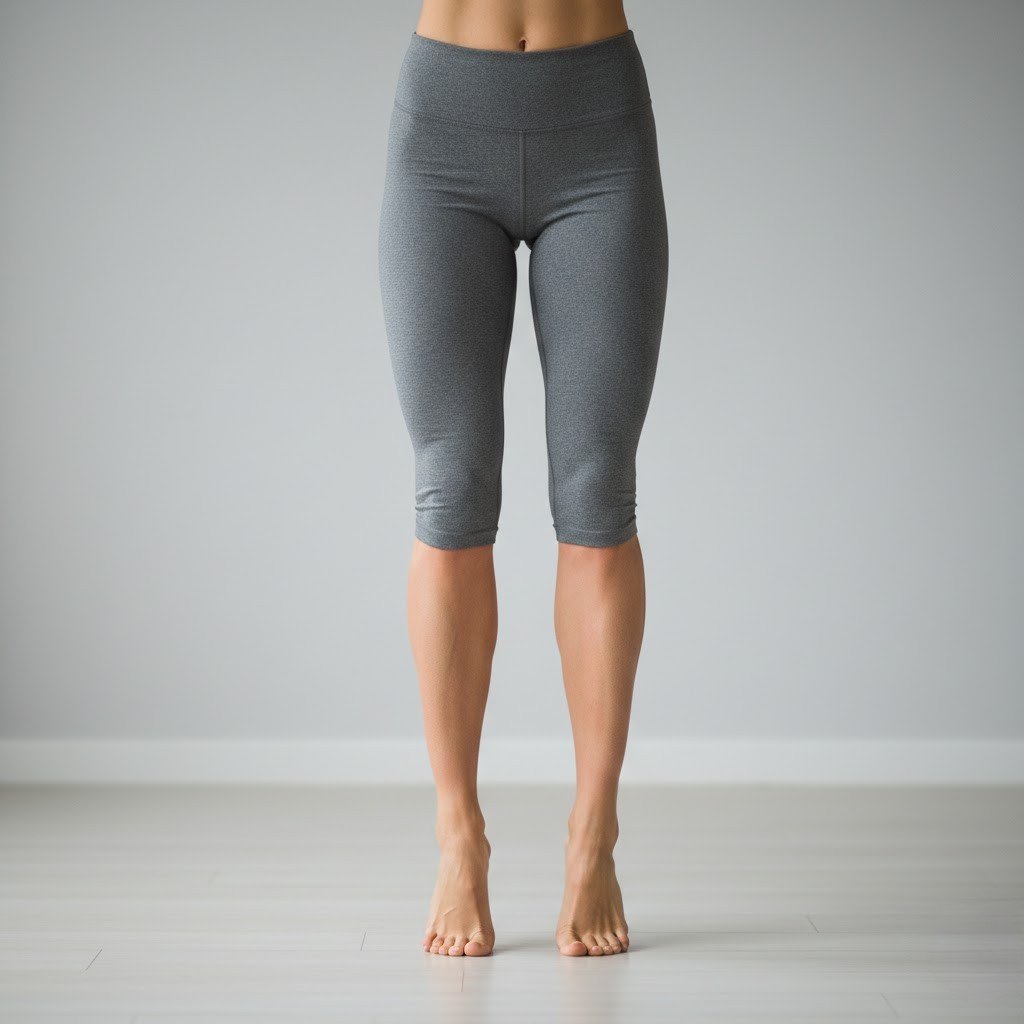
Calf raises strengthen lower leg muscles assisting knee support. Strong calves help manage force during walking and standing. Biomechanics research connects calf conditioning with improved lower limb stability. Rising and lowering under control increases muscle activation and balance control.
Glute Bridges
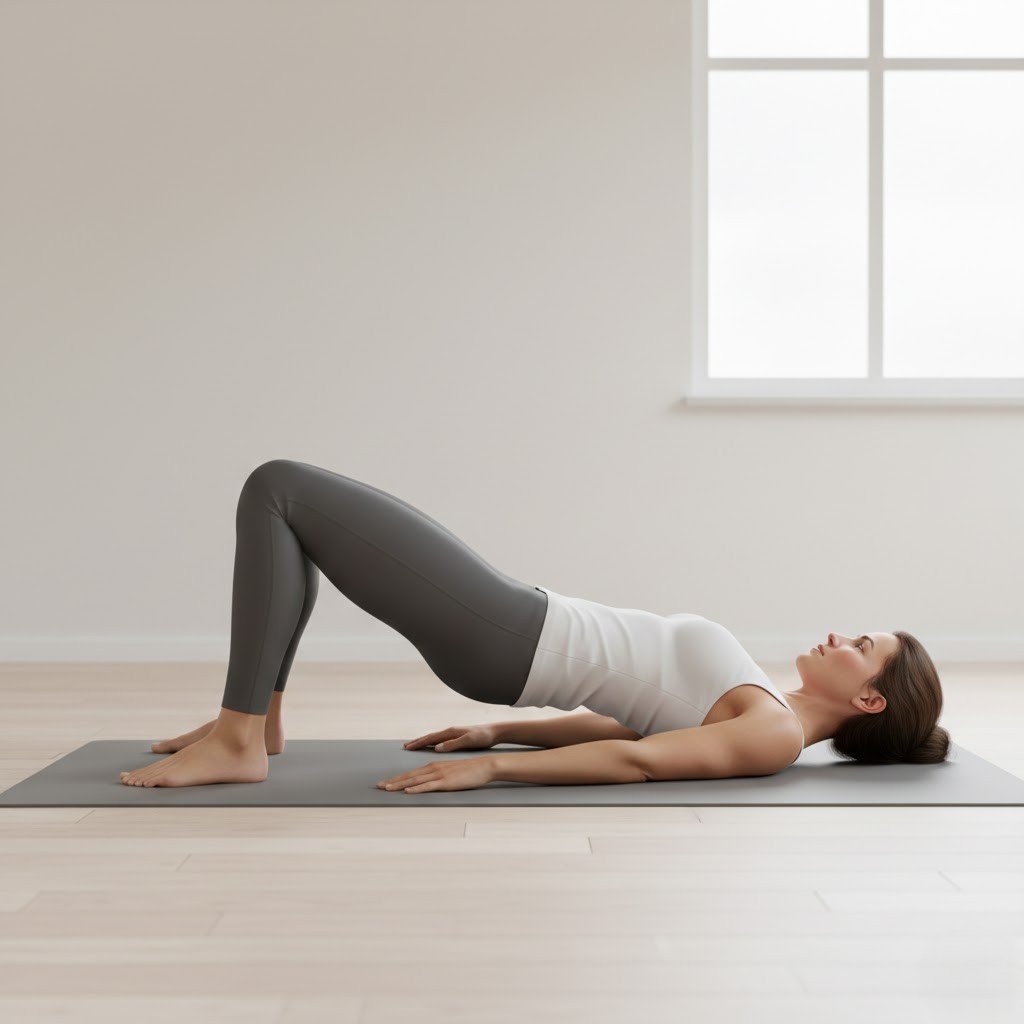
Glute bridges activate hip muscles linked to knee alignment. Hip strength limits inward knee movement during standing and walking. Clinical exercise programs include bridges for improving lower body coordination. Holding the raised position increases muscle engagement without excessive joint movement.
Seated Knee Extensions
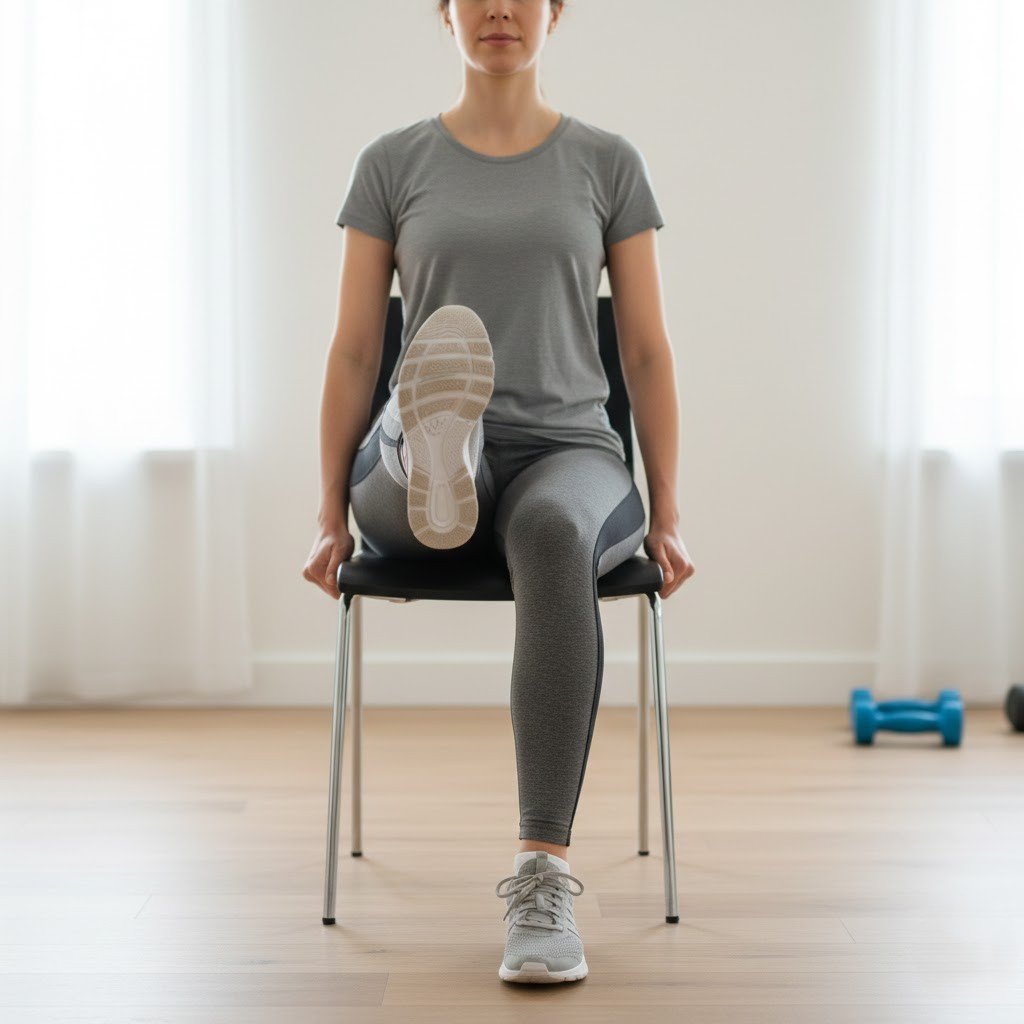
Seated knee extensions isolate quadriceps muscles through simple motion. Sitting upright provides stable support during extension. Orthopedic training plans include this exercise for building knee strength. Controlled extension improves muscle response and supports joint stability.
Side Leg Raises
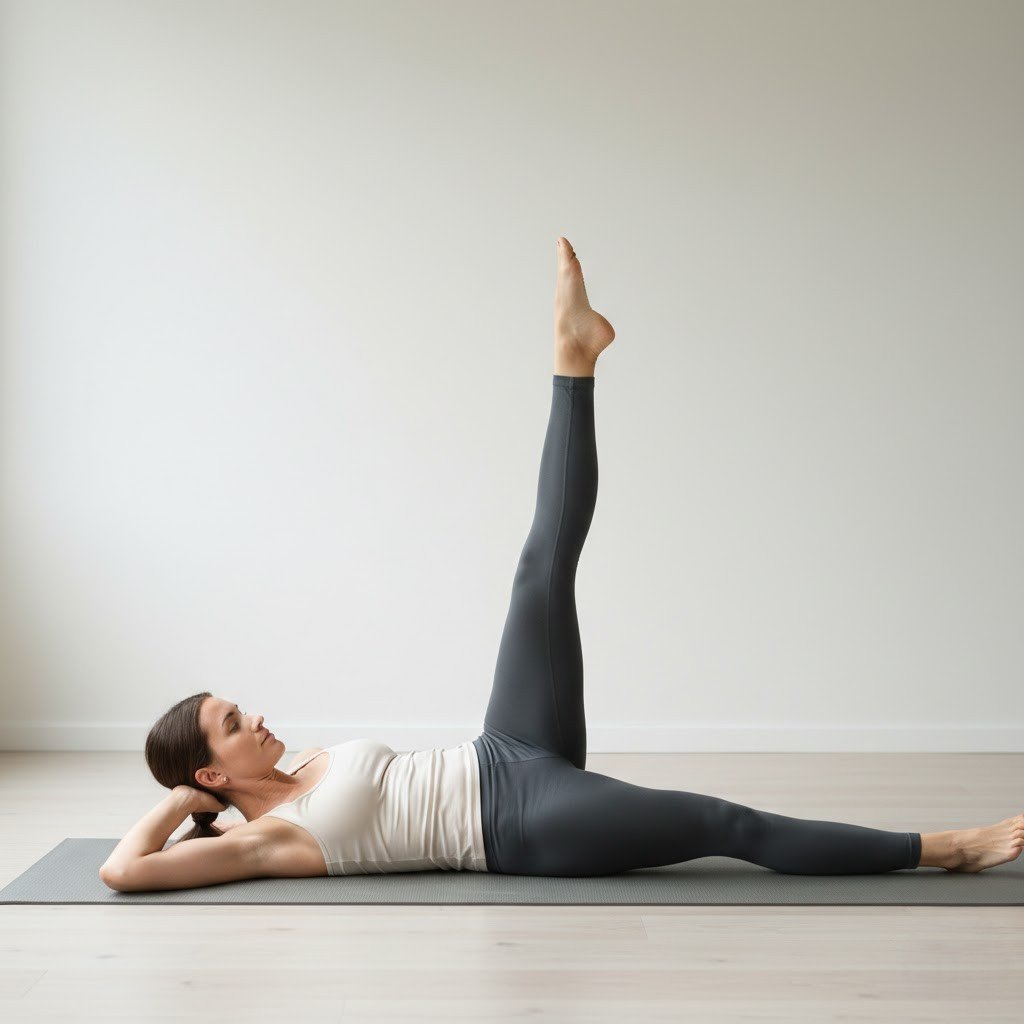
Side leg raises strengthen hip muscles influencing knee position. These muscles play a role in balance and movement control. Injury prevention research links hip strength with improved knee tracking. Slow lifting motion supports proper alignment and muscle focus.
Mini Squats
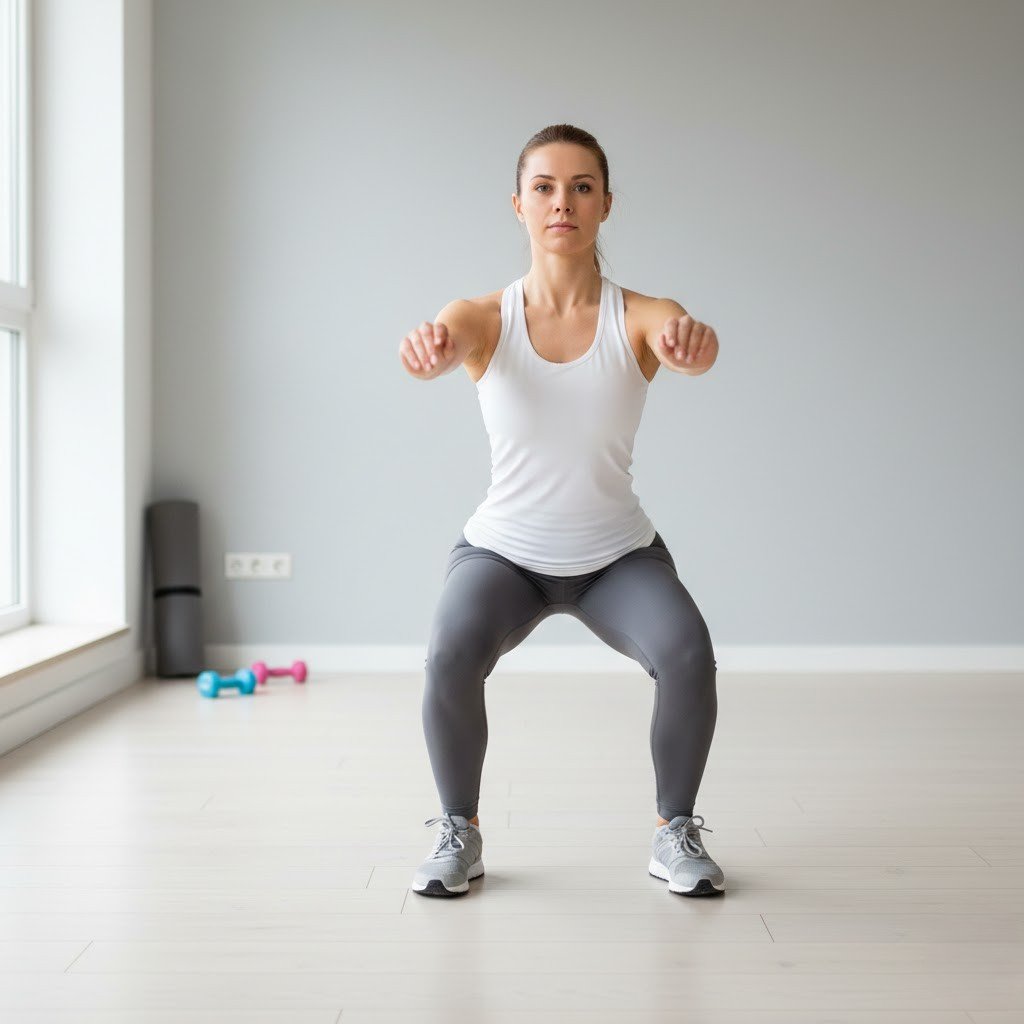
Mini squats strengthen knees through limited range movement. Shallow depth reduces joint pressure while supporting muscle development. Exercise science supports partial squats during early strength stages. Even weight distribution and upright posture support joint safety.
Heel Slides
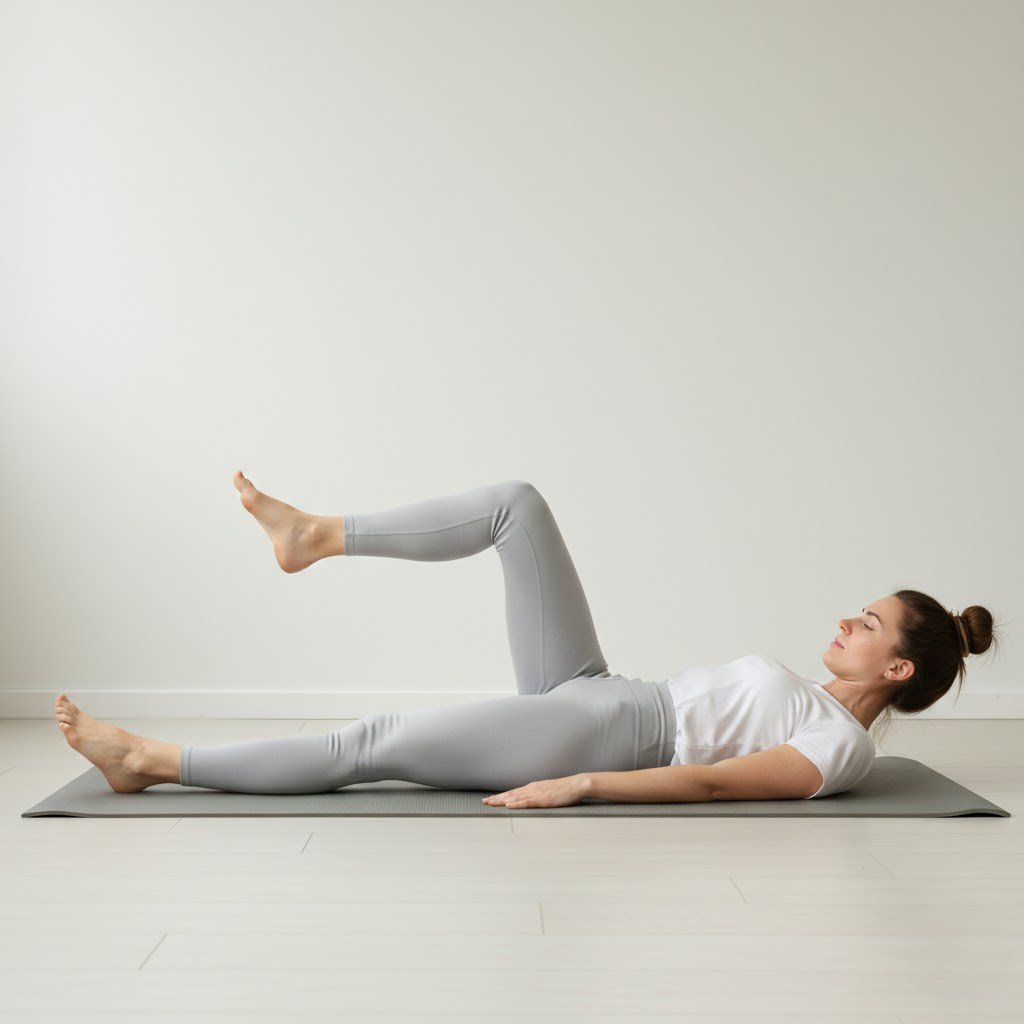
Heel slides promote controlled knee movement and muscle activation. Sliding the heel toward the body supports flexibility and coordination. Rehabilitation protocols use this exercise to maintain joint mobility. Smooth repetition supports circulation and gradual strength improvement.
