
The reason behind chest training is visibility and utility. Proper exercises are based on the alignment of the joints, the controlled movement, and the progressive loading. Studies conducted in the literature of strength training reveal that compound pressing patterns provide high muscle activation when compared to isolated movements. Intensive routine is based on the emphasis on form, control of repetition and recovery. The following exercises indicate the consistent findings between beginners and trained lifters when used with the proper choice of loads and volume per week.
Barbell Bench Press
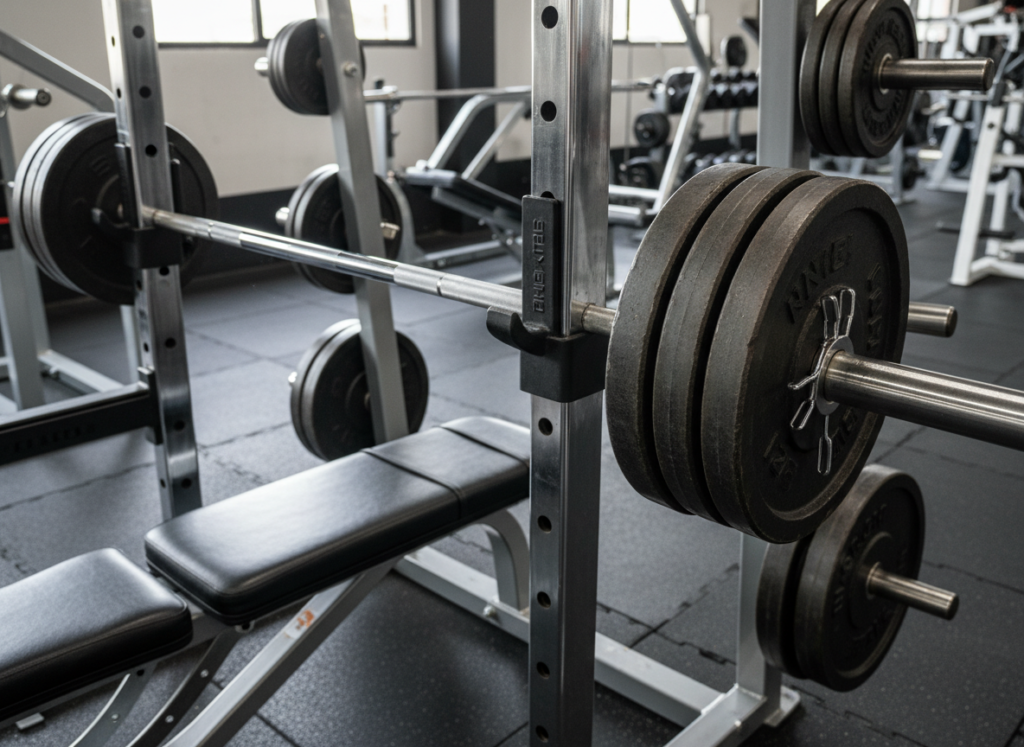
The barbell bench press supports overall chest mass through heavy horizontal pressing. Electromyography data shows strong activation of the pectoralis major during controlled reps. Proper setup includes stable foot placement, retracted shoulders, and a steady bar path. Progressive loading across weeks supports measurable strength and size gains.
Incline Dumbbell Press
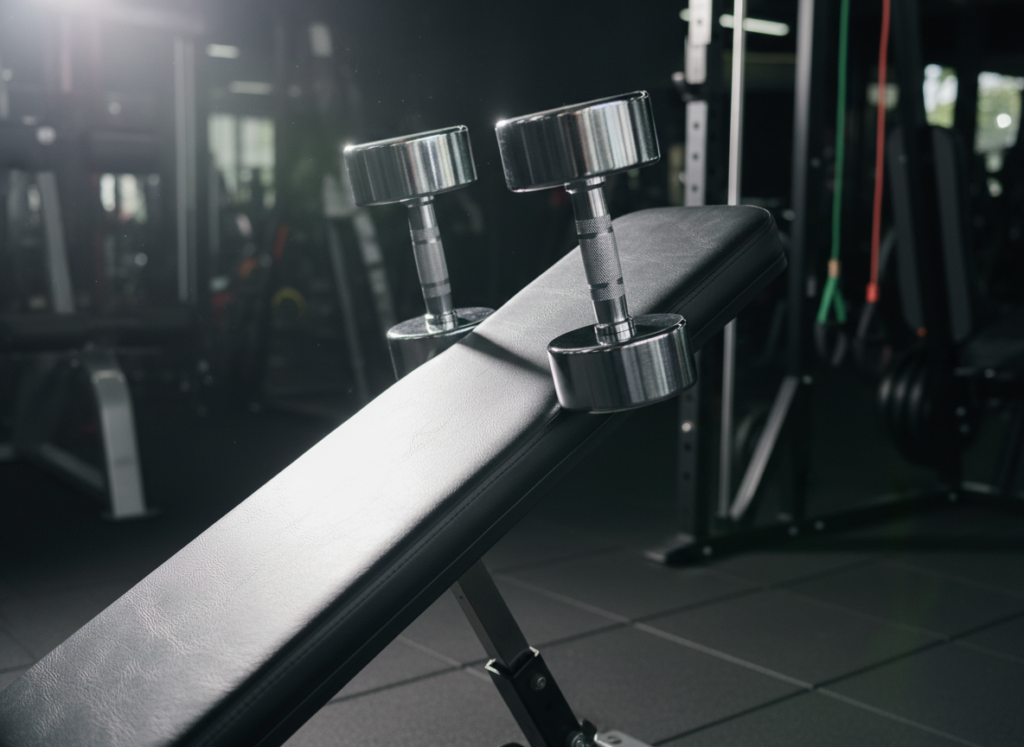
Sloping dumbbell presses are focused on the upper chest areas. Dumbbells enable a greater variety of movement than barbells which enhances the stretch of muscles under load. Research has shown that unilateral loading enhances the stabilizer activity. The middle inclination level with 30 to 45 degrees helps to decrease the strain on the shoulders and keep the heart on track.
Flat Dumbbell Press
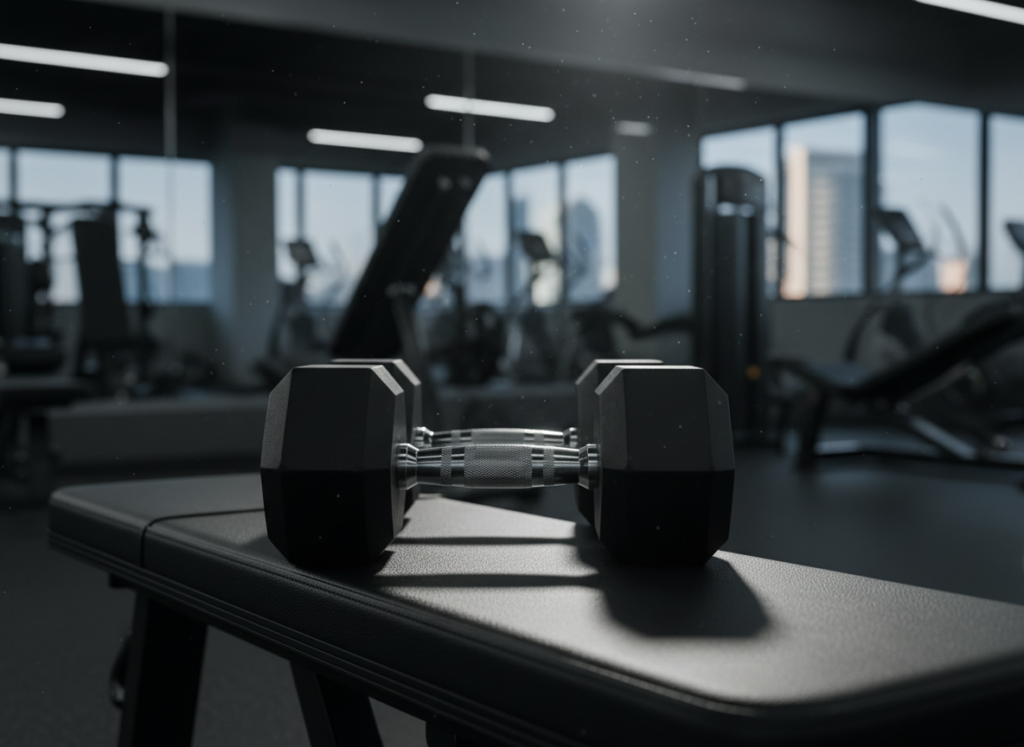
Flat dumbbell presses support balanced chest development through independent arm movement. Each side works without compensation from the other, addressing strength imbalance. Research comparing barbells and dumbbells shows similar muscle activation with greater joint freedom using dumbbells. Controlled lowering improves tension time across repetitions.
Push Ups with Progressive Load
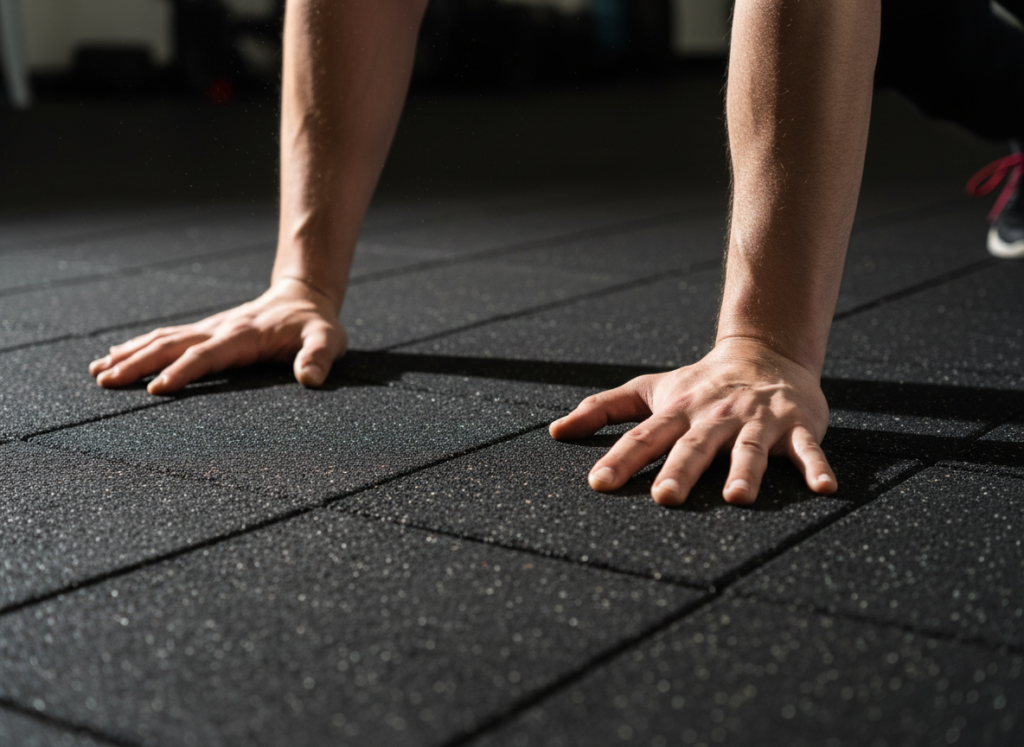
Push ups provide effective chest engagement using bodyweight resistance. When performed with strict form, muscle activation rivals light bench pressing. Elevating feet or adding external load increases difficulty. Consistent tempo and full range movement support measurable progress for home or gym training programs.
Chest Dips
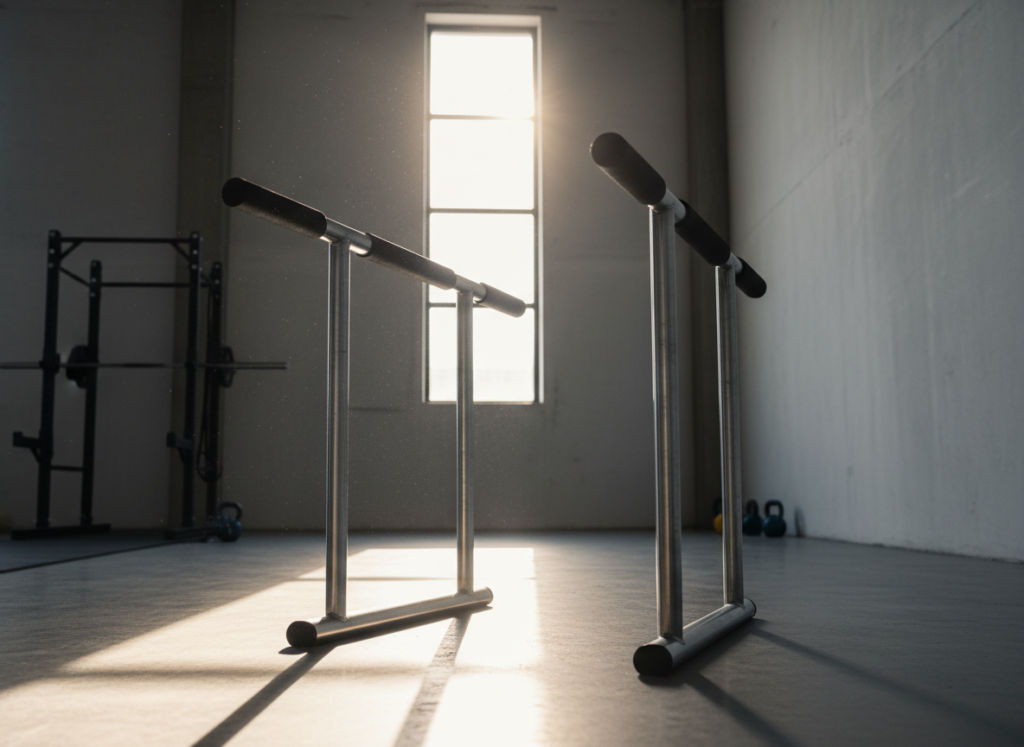
Chest focused dips emphasize the lower portion of the pectoral muscles. Forward torso lean and flared elbows shift stress away from triceps. Biomechanical analysis links deeper range dips with higher chest activation. Assisted variations support beginners while weighted dips serve advanced lifters.
Cable Chest Fly

Cable fly movements maintain constant tension throughout the motion. Unlike free weights, cables reduce rest points during contraction. Studies show sustained tension supports muscle hypertrophy when volume remains controlled. Adjusting pulley height targets different chest regions without altering overall technique.
Machine Chest Press
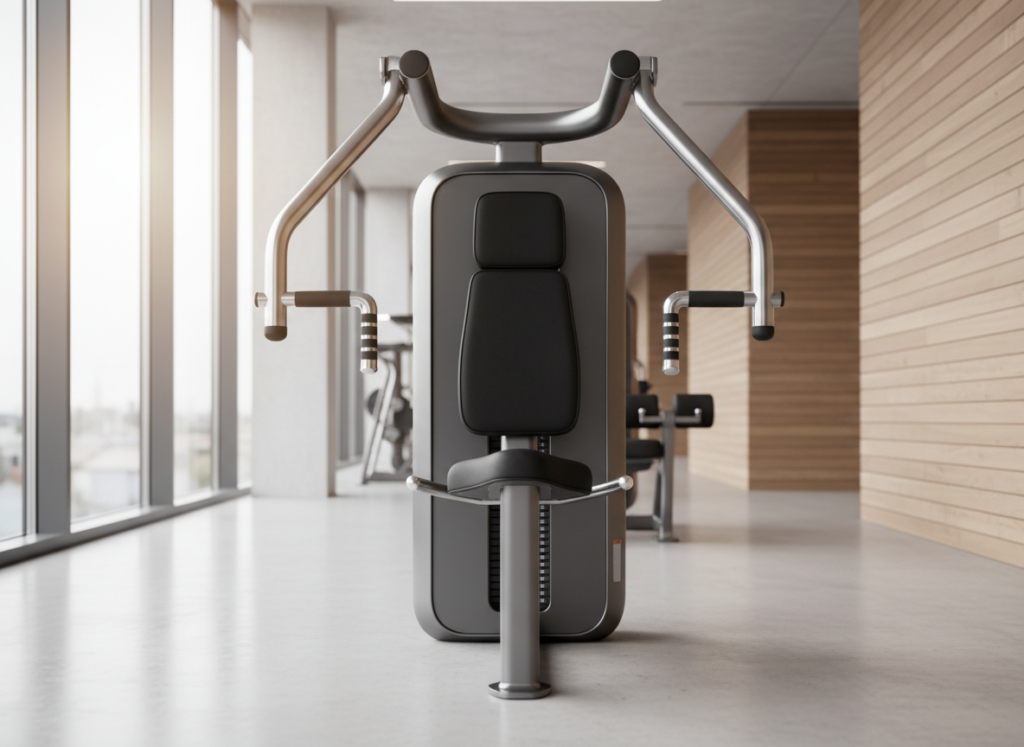
Chest press machines guide movement through a fixed path. Such structure reduces stability demands and supports consistent loading. Research supports machine use for volume accumulation during later workout phases. Seat and handle adjustments align joints and reduce unnecessary shoulder stress.
Decline Press Variations

Decline pressing targets lower chest fibers through a downward pressing angle. Reduced shoulder flexion lowers joint strain compared to flat pressing. Controlled studies show comparable muscle activation with lower perceived discomfort. Both barbell and dumbbell options support strength progression when form remains strict.
Weekly Volume and Recovery

Effective chest growth depends on weekly workload and rest balance. Evidence supports 10 to 20 working sets per week for hypertrophy. Rest intervals of 48 hours between sessions support tissue repair. Sleep duration and nutrition intake correlate strongly with strength retention and muscle development.
