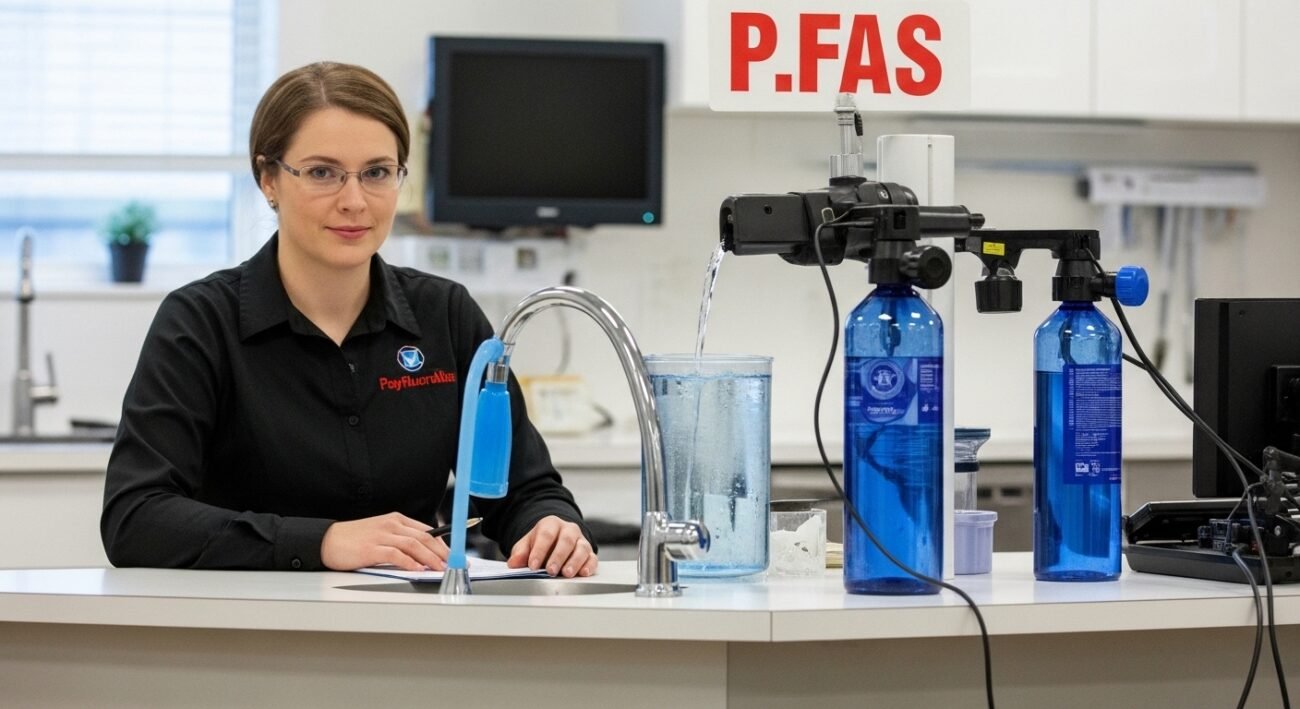
PFAS, abbreviated per and polyfluoroalkyl substances, have been identified in drinking water sources in most parts. They are resistant to heat and degradation by chemicals and therefore result in prolonged residence in soils and water. The research conducted by the United States Environmental Protection Agency indicates the presence of quantifiable levels of PFAS in the municipal water systems serving many millions of residents. The steps required by households wanting to cut down on exposure must be clear and proven. The strategies below describe the practical means of reducing the concentration of PFAS in drinking water.
Install Activated Carbon Filters

PFAS is reduced by granular activated carbon filters by adsorption. Tests by independent agencies indicate massive reduction rates of the prevalent forms which include PFOA and PFOS in case the filters are of NSF standards. Homeowners can choose certified systems and change cartridges on a schedule of the manufacturers in order to ensure the performance.
Use Reverse Osmosis Systems
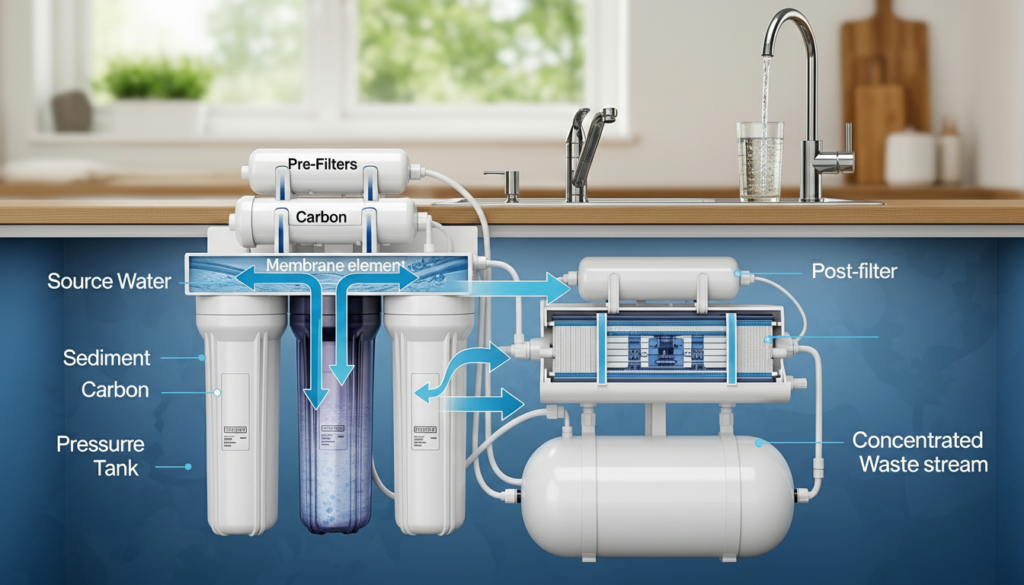
Reverse osmosis systems force water through a semi permeable membrane that removes a wide variety of contaminants such as PFAS. A study by state water agencies has indicated removal rates of over 90 percent of a number of PFAS substances. Under sink units provide point of use treatment of drinking and cooking water.
Select NSF Certified Products

Certification according to the standards of NSF International means testing contaminant reduction claims. PFAS reduction performance is frequently mentioned on the label of products that are certified under NSF Standard 53 or 58. To ensure that the products are tested, the buyers ought to check product documentation and certify the number before they make purchases.
Change Filters on a regular basis

When the cartridges are used beyond recommended service life, the performance of the filters decreases. Activated carbon de-adsorbs and pores are filled with contaminants. Depending on the amount of water used and the amount of contaminants, manufacturers give replacement intervals. After such intervals, it would be beneficial to ensure a consistent reduction of PFAS.
Test Household Water

Laboratory analysis gives information on the concentration of PFAS in tap water. Methods like EPA Method 537.1 are used in certified laboratories in the measurement of various PFAS compounds. The test results are used to make decisions regarding the treatment systems and to determine whether the filtration that is in place is achieving the reduction objectives.
Whole House Filtration should be considered

Carbon systems are used in wholesale house treated water. These systems decrease the PFAS in bathing, laundry, and cleaning water. Flow rate and water pressure should be professionally evaluated during installation to guarantee that there is sufficient time of contact with carbon media.
Utilize Bottled Water Sensibly

In regions with high concentrations of PFAS, bottled water is being used as a short-term solution to drinking and cooking. Bottled water suppliers ought to provide consumers with water quality reports. This alternative is used to resolve through exposure issues in the short run as long term filtration is put in place.
Keep up with Local Water Reports

The annual consumer confidence reports issued by public water systems provide information about testing of the contaminants. These reports include identified PFAS compounds and concentration levels wherein testing is done. The evaluation of local data assists households in estimating risk and focusing on the upgrades of filtration.
Advocate Source Level Treatment
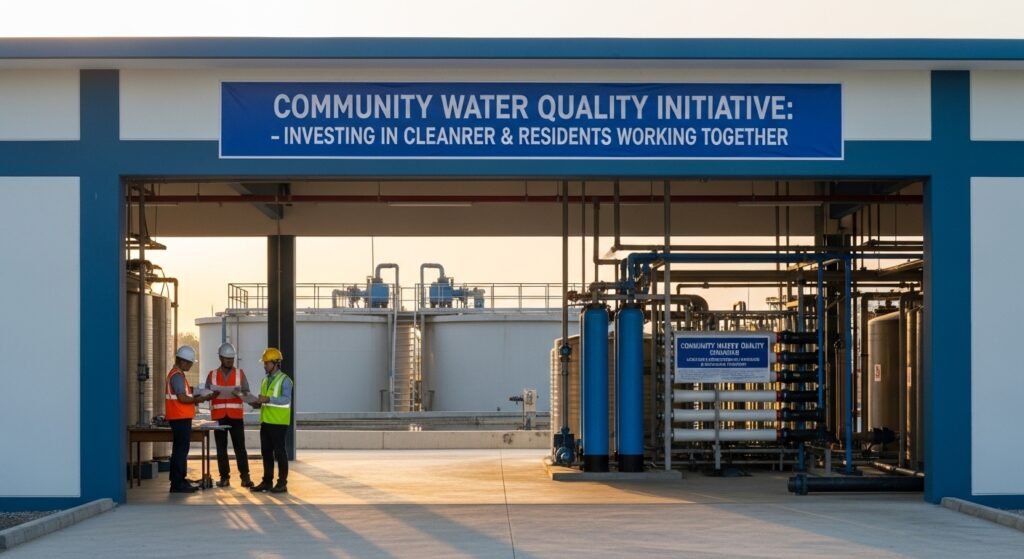
PFAS are reduced at the community level by upgrades of municipal treatment. Large scale activated carbon or ion exchange systems are some of the technologies, which demonstrate high removal rates in preliminary studies. Active participation in the community by the local authorities will help in investing in better water treatment infrastructure.
