
The current automobiles use electronic key fobs. Most drivers think that when the battery in the fob malfunctions, the car cannot be started. The access and ignition are still possible, in the majority of cases, due to the backup systems that are built in. Knowledge of these systems helps to avoid waiting time and stress. The subsequent guide provides a step-by-step description of what should be done by drivers in the situation when a key fob battery fails to work any longer.
Locate the Hidden Mechanical Key

Most key fobs contain a small mechanical key inside the casing. A release latch or sliding button allows access. The metal key opens the driver side door through a concealed keyhole. Some vehicles hide the keyhole under a plastic trim piece near the handle.
Access the Vehicle Manually

Insert the mechanical key into the door lock and turn to unlock. The alarm system might activate after opening. This response occurs because the vehicle expects remote entry. Placing the key fob inside the cabin or near the start area usually stops the alarm once the ignition sequence begins.
Understand Passive RFID Backup
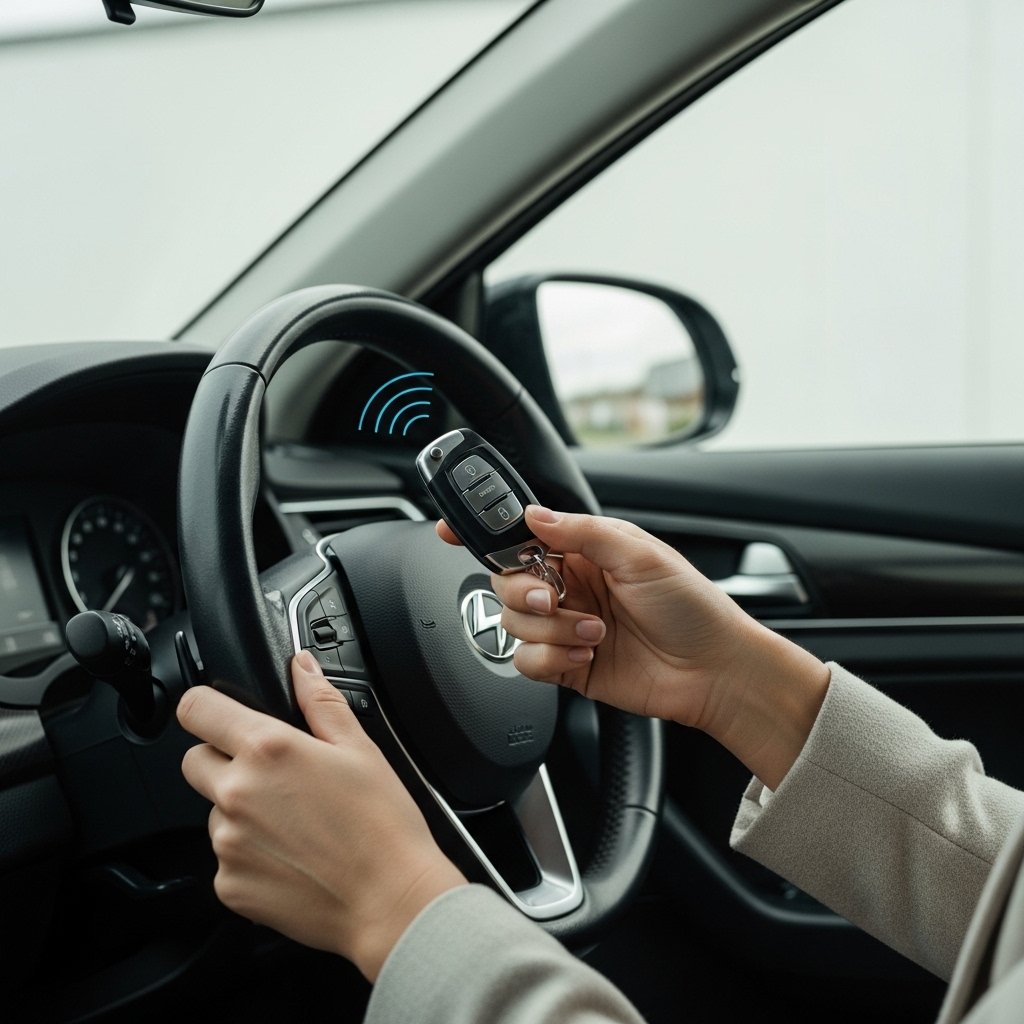
A large number of push button start systems have a passive radio frequency identification chip. This chip does not require battery power to operate. When the key fob is near a particular sensor within the car, the system determines the encoded data. The owners must consult the manual to find the right point of the place.
Use the Push Button Start Backup Method

Drivers of cars of Toyota, Honda, and Ford brands keep the key fob in their hands directly in contact with the start button. Then bend the brake pedal and press the ignition button. The vehicle scans the chip and kicks off. This is applicable even when the fob battery is not charged.
Insert the Fob into a Designated Slot
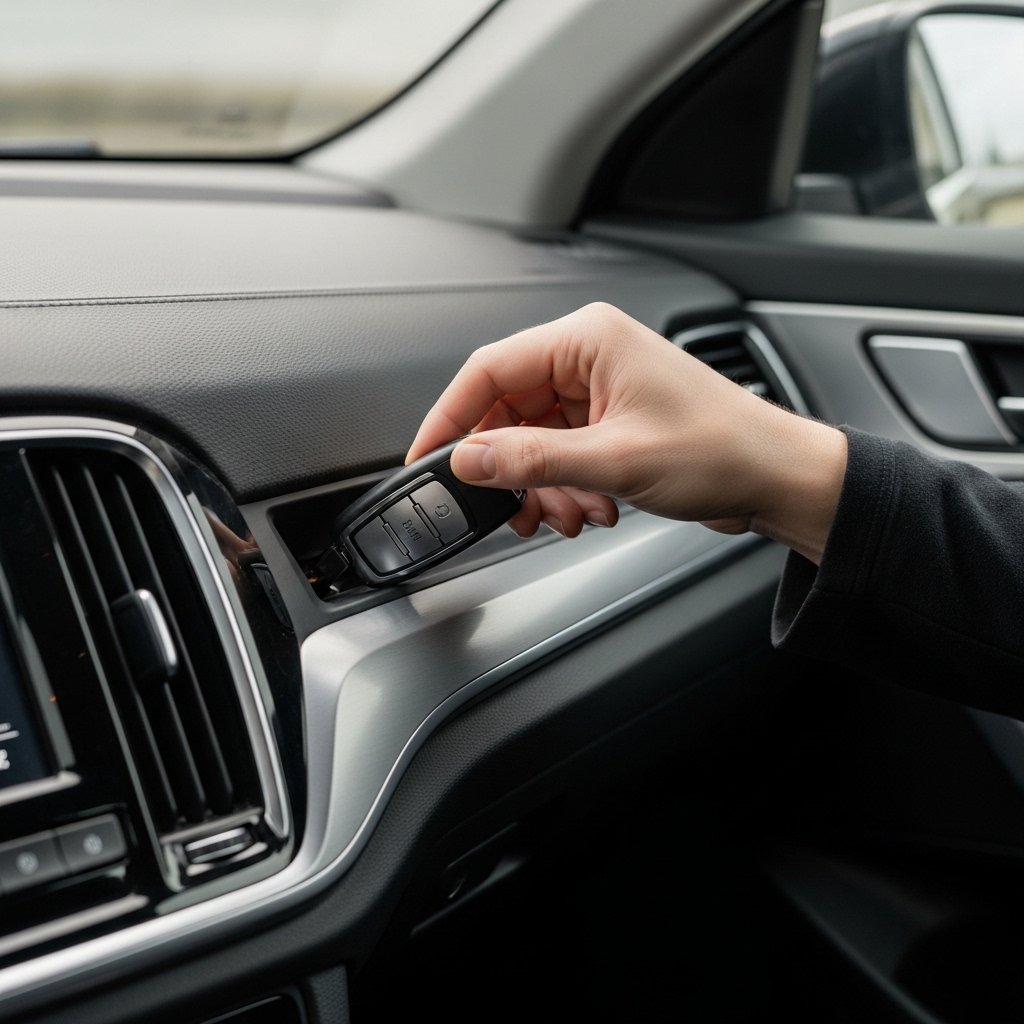
The manufacturers such as BMW, Nissan, have some models with a key slot in the dashboard or the center console. Take the fob, and place it into the slot and press the start button. The slot provides the transponder system with sufficient power to ignite. This design was common in models that were made between 2008 and 2015.
Start Vehicles with Traditional Ignition
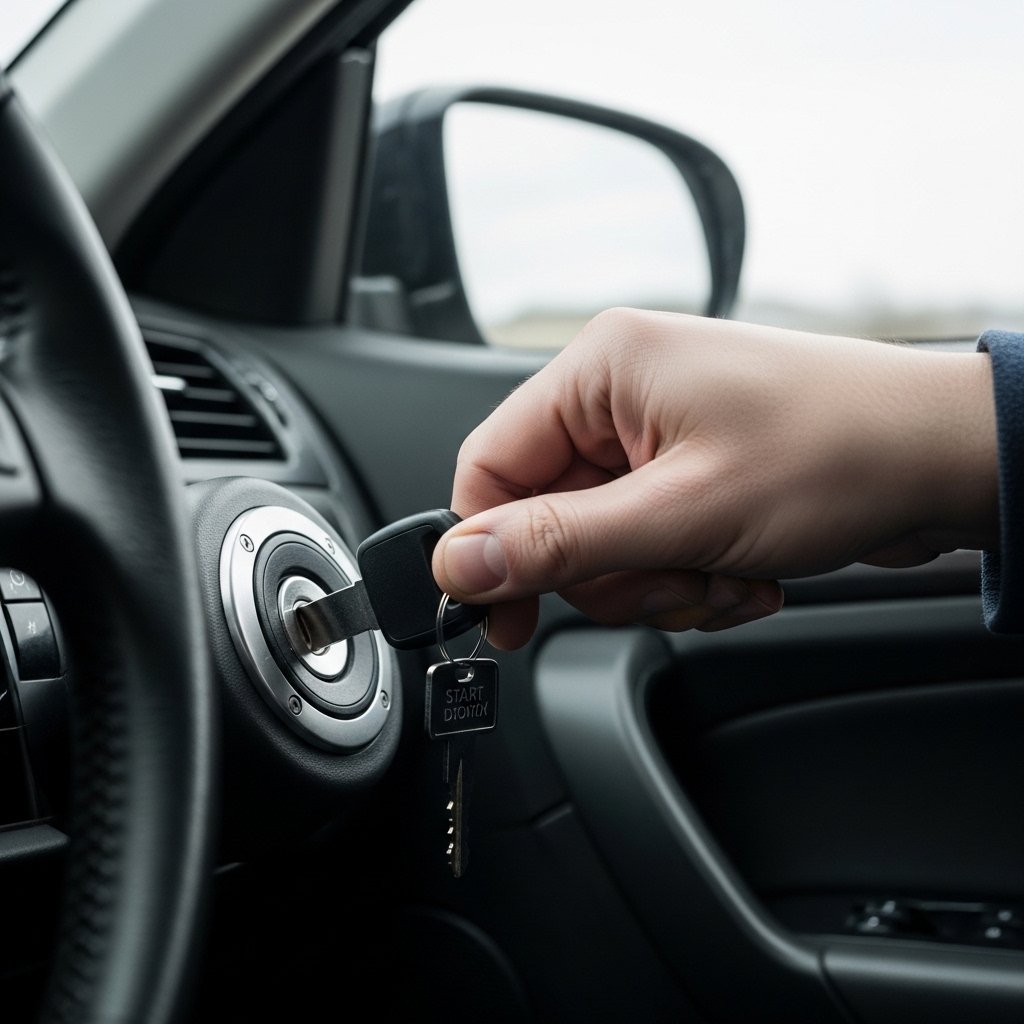
If the vehicle uses a physical ignition cylinder, insert the mechanical key and turn as usual. The electronic portion of the fob does not affect engine start in these systems. Only remote locking and unlocking functions stop working.
Recognize Warning Signs Early

Reduced remote range often signals a weakening battery. Drivers might need to stand closer to the vehicle for response. Delayed unlocking or inconsistent signals also indicate low charge. Replacing the battery at this stage prevents unexpected lockouts.
Replace the Key Fob Battery
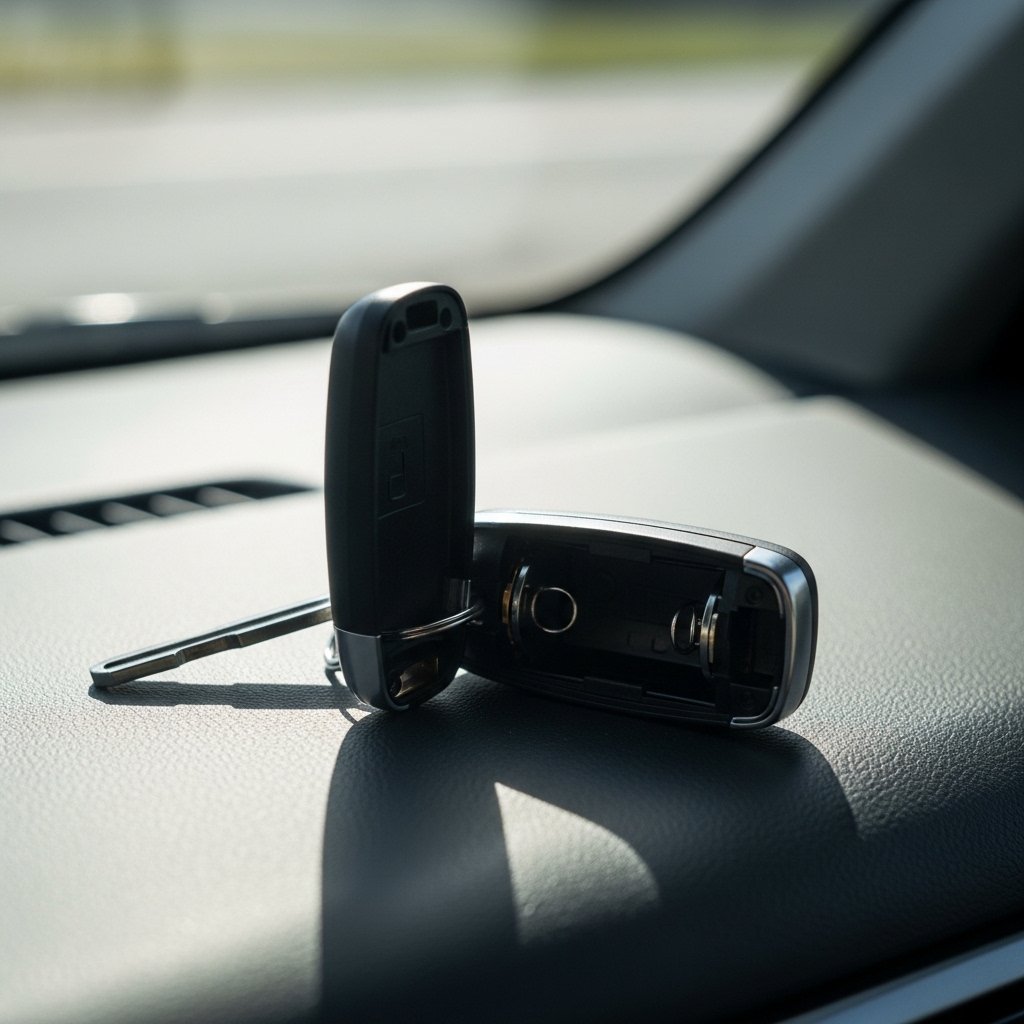
Lithium coin batteries of CR2032 or CR2025 are used in most key fobs. Swap the battery by using a small flat tool and open the casing. Proper orientation in installation. The cost of replacement batteries is low, and their life span is two to four years based on the frequency of usage.
Keep a Spare Battery Available
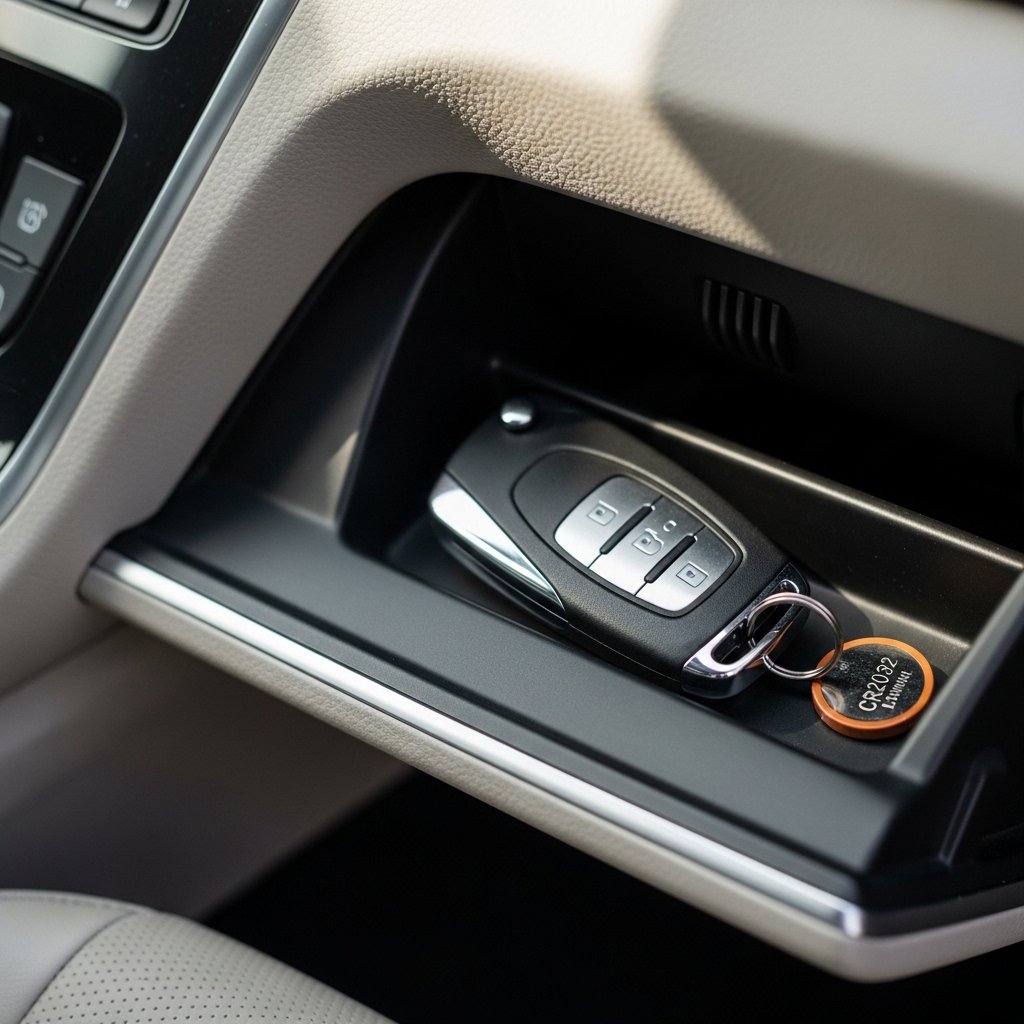
The glove compartment helps to keep a spare battery to minimize inconvenience. Lithium coin batteries have low space and last several years on the shelf. Through this preparation, roadside stalling in the course of traveling or during late hours is avoided.
Consult the Owner Manual for Model Specific Steps

A backup procedure is slightly different in every manufacturer. The owner manual indicates the precise location of the placement and order. This information should be reviewed in advance so that the emergency responds better. Drivers with knowledge of their system do not waste their time on towing or service calls.
