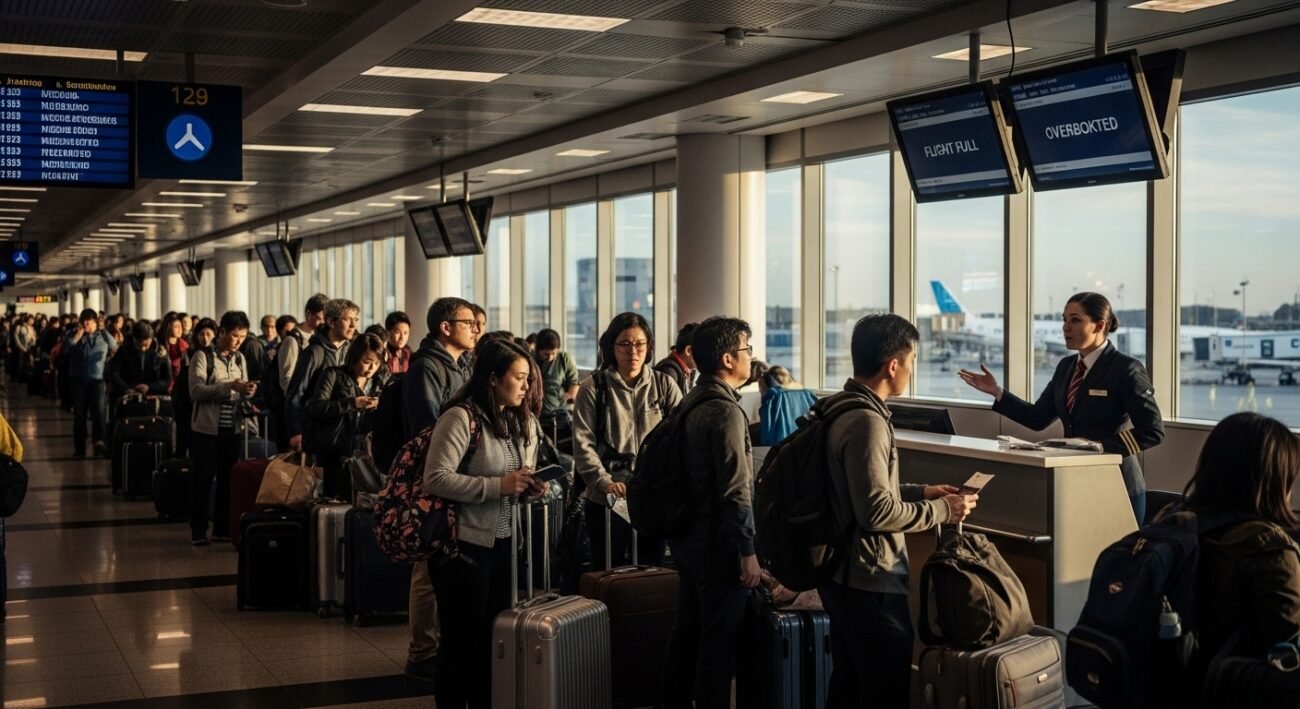
Air travel today often runs at full capacity, and airlines sometimes sell more tickets than available seats, expecting a few passengers to miss their flights. But what happens when everyone shows up and no one volunteers to give up their seat? This situation, known as overbooking, can lead to unexpected outcomes for travelers. While it may sound stressful, there are structured processes airlines follow to manage the situation fairly. Understanding your rights and what unfolds next can help you stay calm, make informed decisions, and even turn an inconvenience into a manageable, sometimes beneficial, experience.
Priority Rules Come First
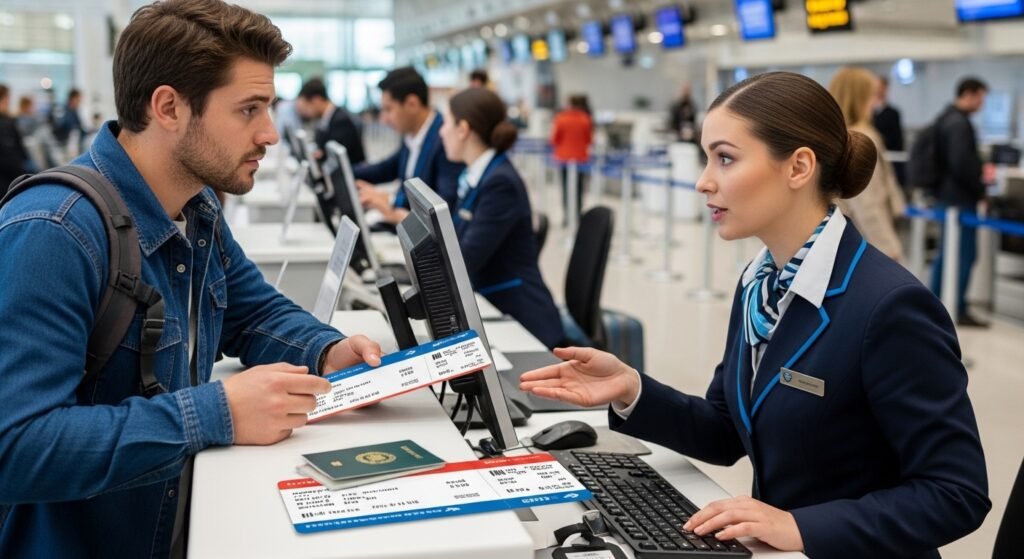
Airlines begin by identifying passengers who must travel, such as those with medical needs or tight connections. These individuals are usually protected from being removed, ensuring essential travel plans are not disrupted unnecessarily.
Frequent Flyers Often Get Preference
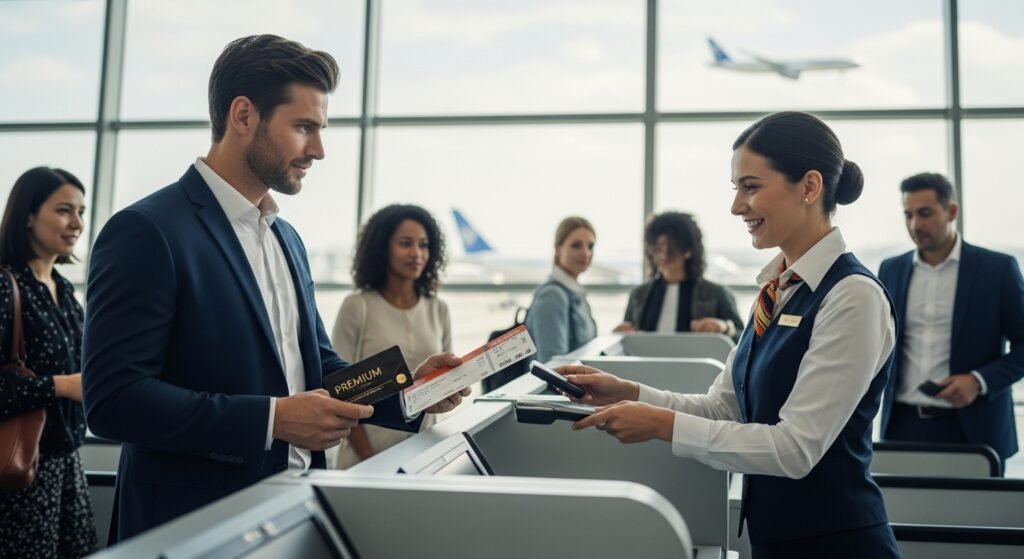
Passengers with loyalty status or premium tickets are less likely to be affected. Airlines prioritize maintaining relationships with regular customers, so they are typically given preference when seats become limited.
Check-In Time Matters More Than You Think
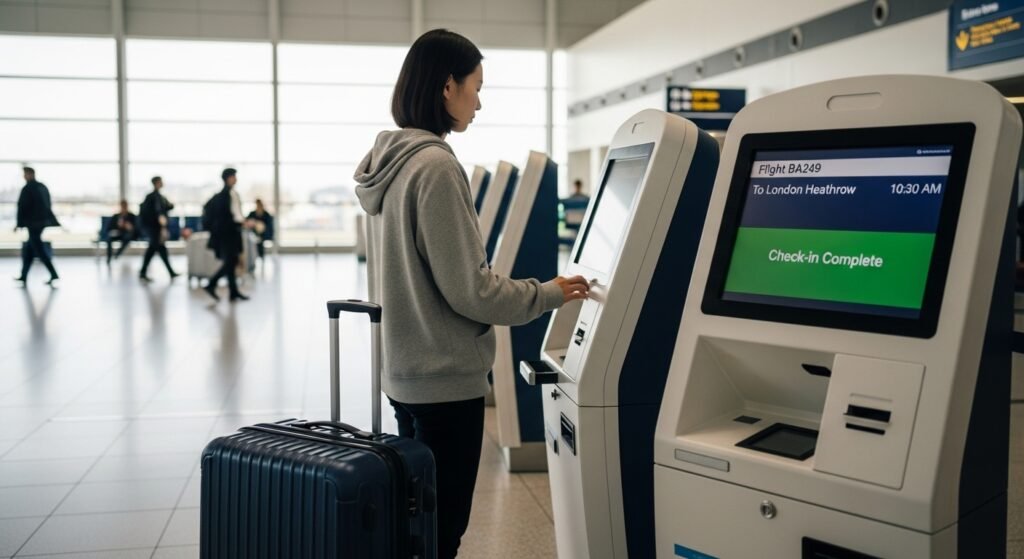
Those who check in later are often at higher risk of being denied boarding. Early check-in, whether online or at the airport, improves your chances of keeping your confirmed seat.
Involuntary Denied Boarding Begins

If no one volunteers, airlines may select passengers to give up seats involuntarily. This process follows specific guidelines and is not random, though it can still feel frustrating for those affected.
Compensation Is Usually Provided
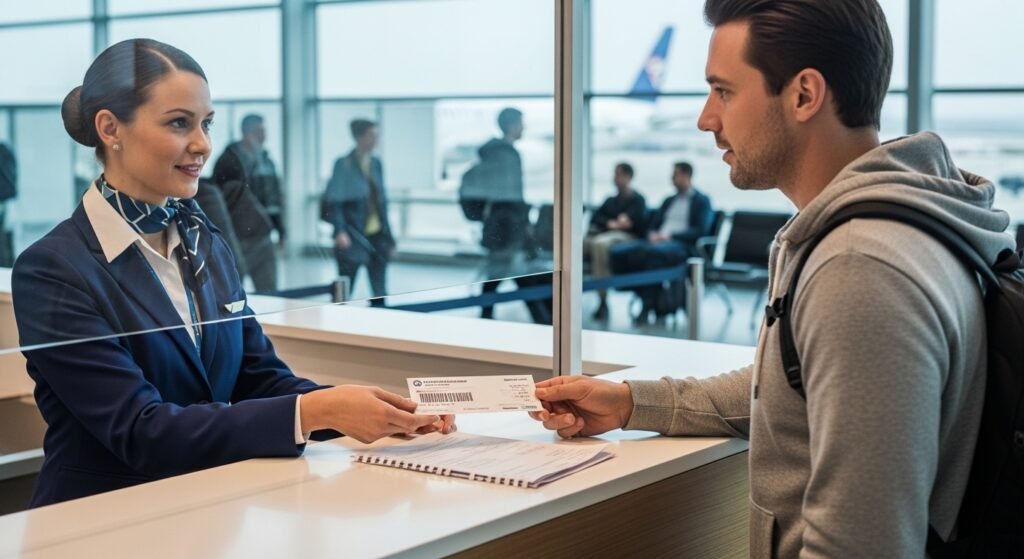
Passengers who are denied boarding against their will are generally entitled to compensation. This may include cash, travel vouchers, meals, or accommodation, depending on the delay and airline policy.
Alternative Flights Are Arranged Quickly
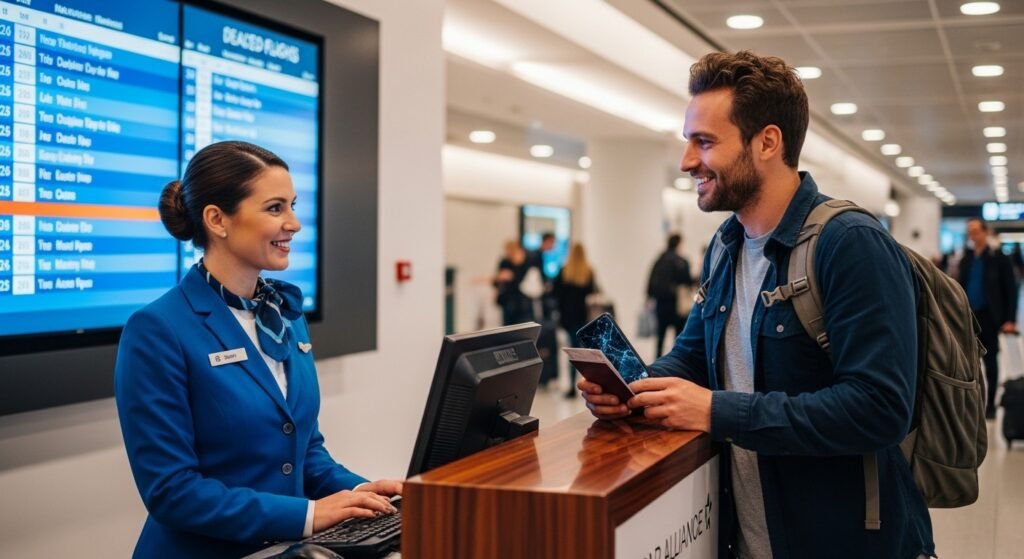
Airlines work to rebook affected passengers on the next available flight. In some cases, they may even arrange travel through partner airlines to minimize delays and inconvenience.
Staff Try to Keep Situations Calm
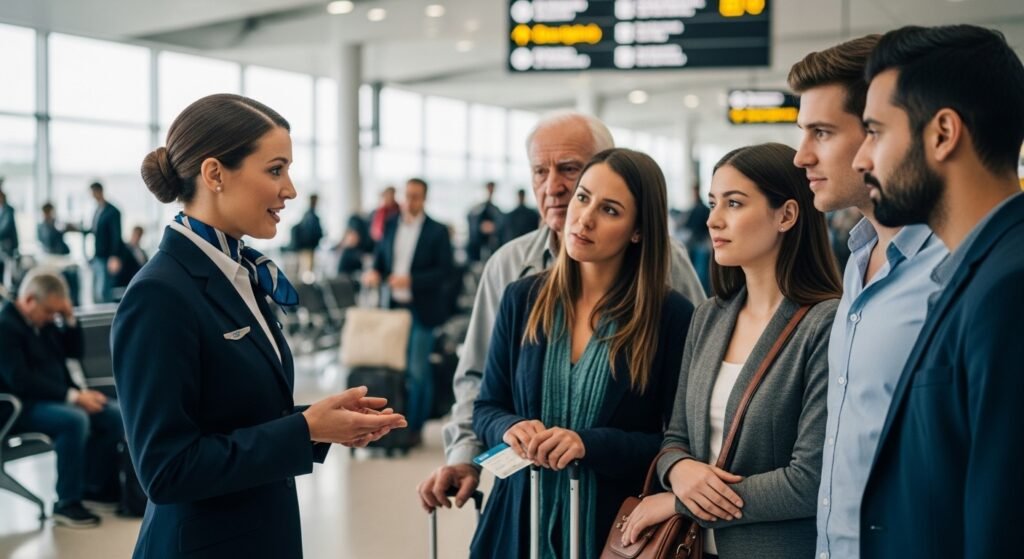
Airline staff are trained to handle these moments professionally. Their goal is to reduce stress, explain options clearly, and ensure that passengers feel supported during the process.
Flexibility Can Work in Your Favor
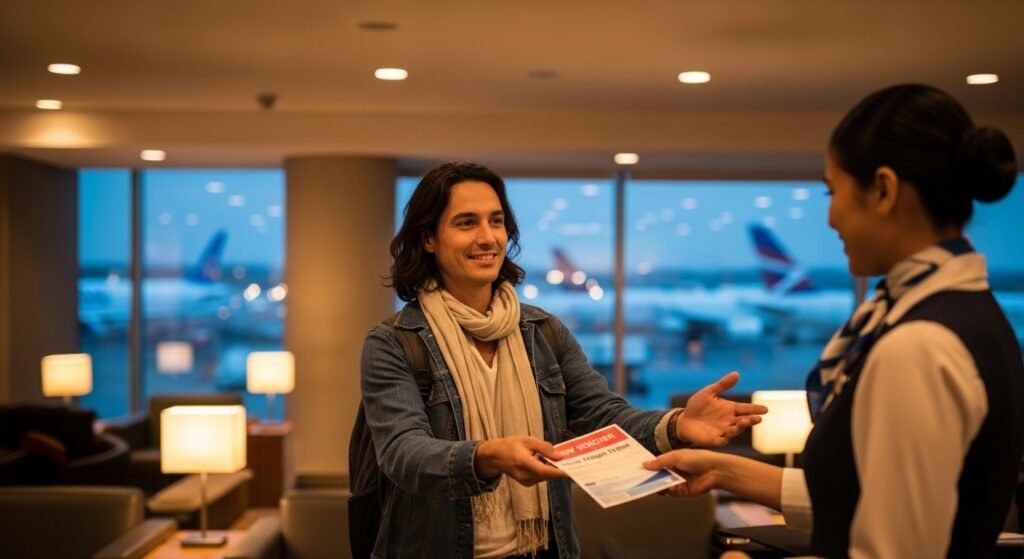
Travelers with flexible schedules may benefit from these situations. Accepting a later flight voluntarily can sometimes result in better compensation compared to those selected involuntarily.
Legal Protections Apply in Many Regions
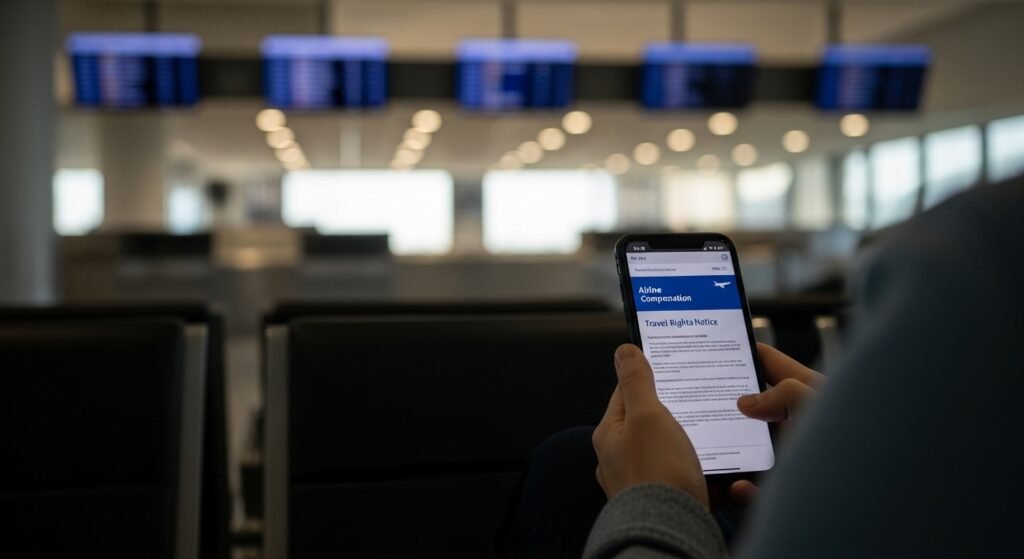
Passenger rights are protected by aviation regulations in several countries. These rules ensure fair treatment, outlining compensation standards and procedures airlines must follow during overbooking scenarios.
Boarding Gate Decisions Are Final
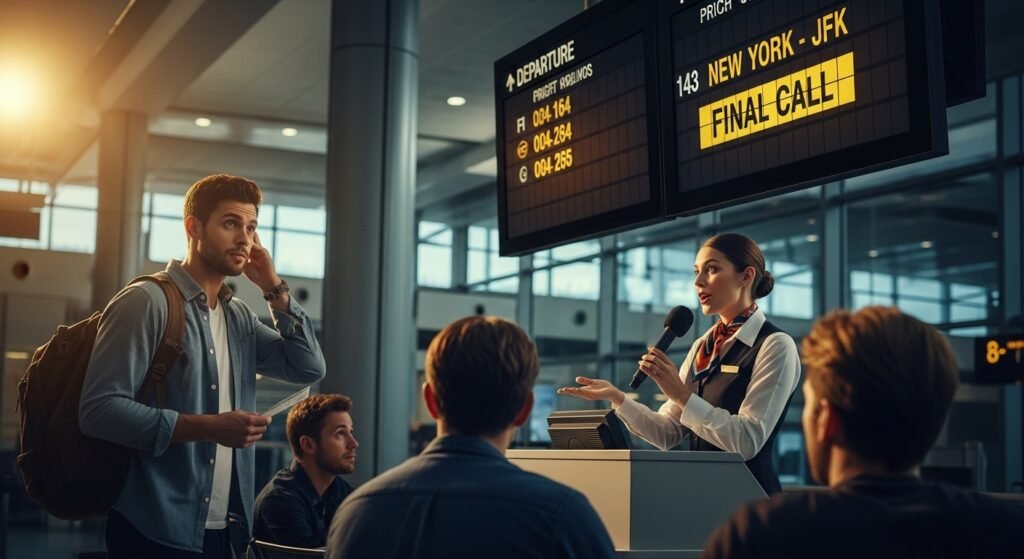
Once a decision is made at the gate, it is usually final for that flight. Arguing may not change the outcome, but calmly discussing options with staff can lead to better alternatives.
Travel Insurance May Offer Extra Support
Some travel insurance policies cover delays caused by overbooking. This can include reimbursements for missed plans, meals, or hotel stays, providing an added layer of financial protection.
Planning Ahead Reduces Risk

Simple steps like early booking, online check-in, and choosing seats in advance can significantly lower your chances of being affected by overbooking issues during busy travel periods.
