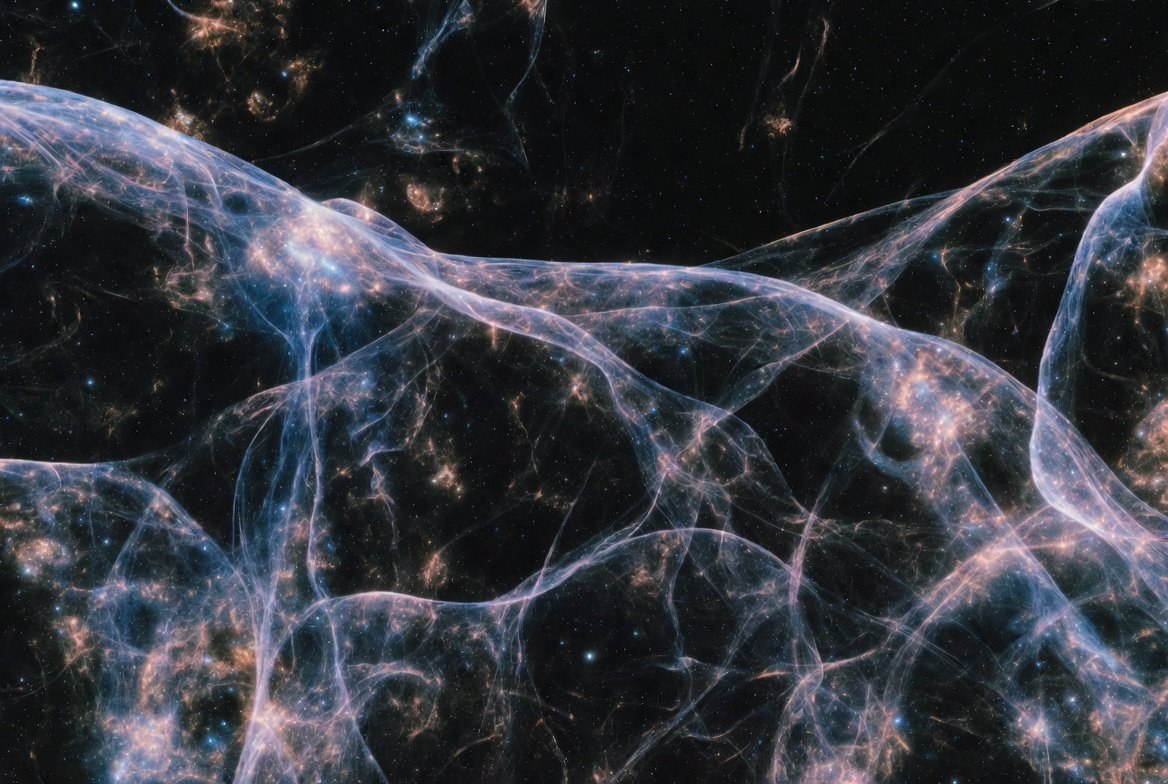
The universe has been viewed over the past several centuries as a colossal machine consisting of cold rocks, gases, and empty spaces, all operated by the mechanical laws of physics. Now, an intriguing group of scientists and philosophers has proposed a contrary notion to this entire setting. The universe is more like a living, biological organism than a mechanical system; it is often referred to as “bio cosmology” and means that it might have powers of growth, information processing, or even evolution.
Following are 10 points providing an explanation on how possibly a universe could be a living organism:
The Cosmic Web Resembles A Brain
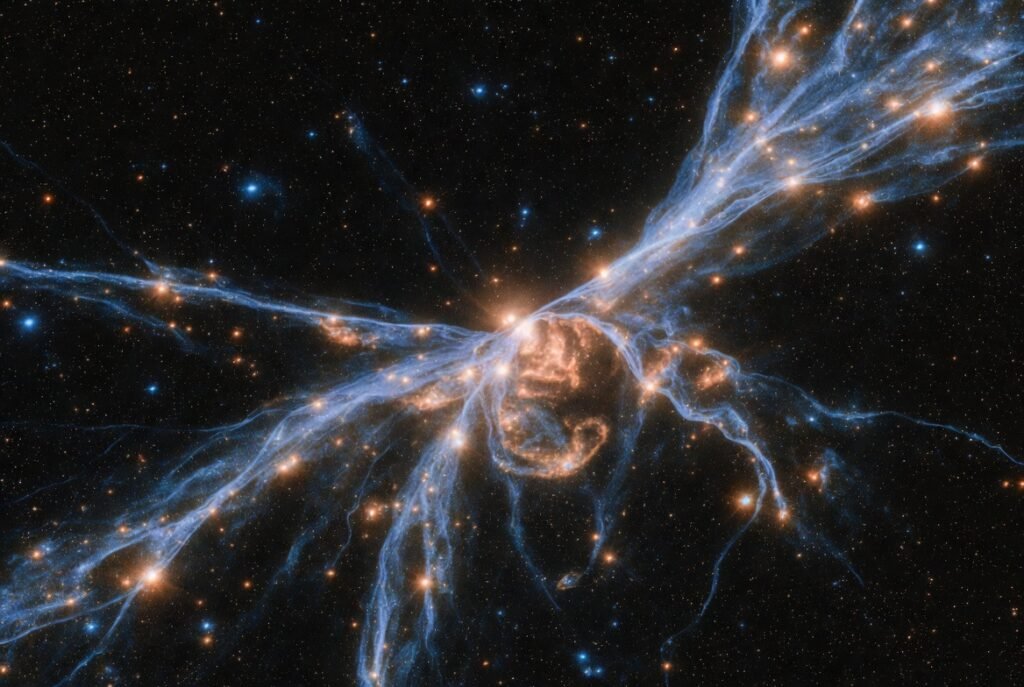
In this endeavor, a cosmic web has been mapped by astronomers in the large-scale structure in the universe. Galaxies are connected by long filaments of dark matter. This structure superficially resembles a human brain network of neurons. This is not viewed as mere coincidence by some theorists but rather as a signal that the universe is organized according to information processing.
Self–Regulation and Balance
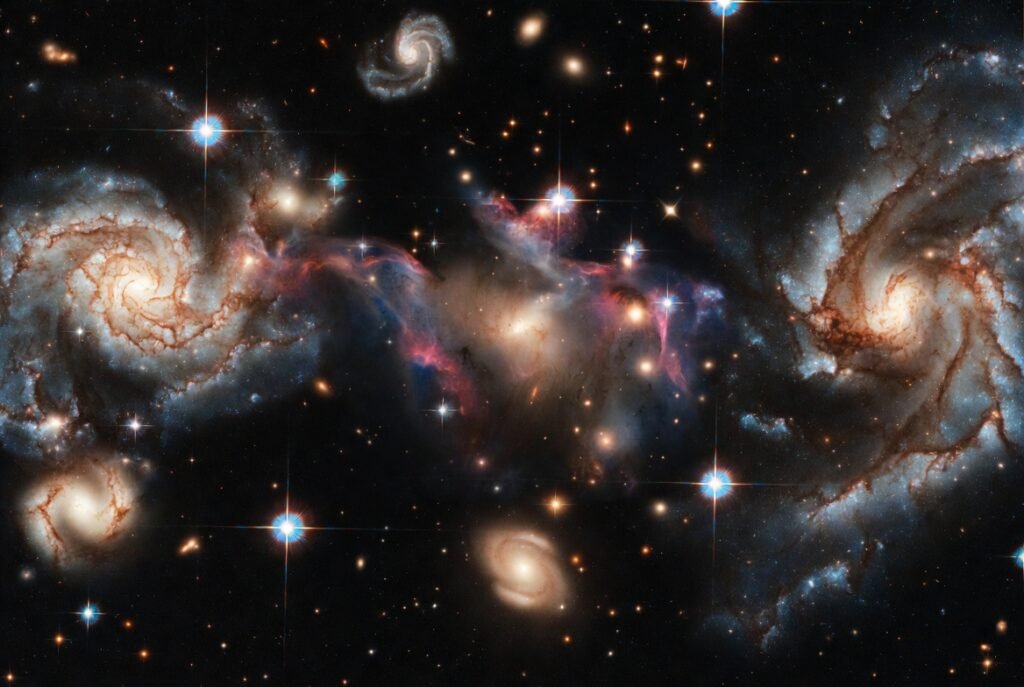
Living beings maintain a state of homeostasis or a stable internal environment. Some scientists underscore the fact that the fundamental constants of the universe, including gravity’s strength, were tuned quite precisely toward creating conditions suitable to the existence of life-thus, the universe would have terminated even for the minutest variation of these parameters. This suggests that it might regulate itself for remaining viable.
Growth and Expansion
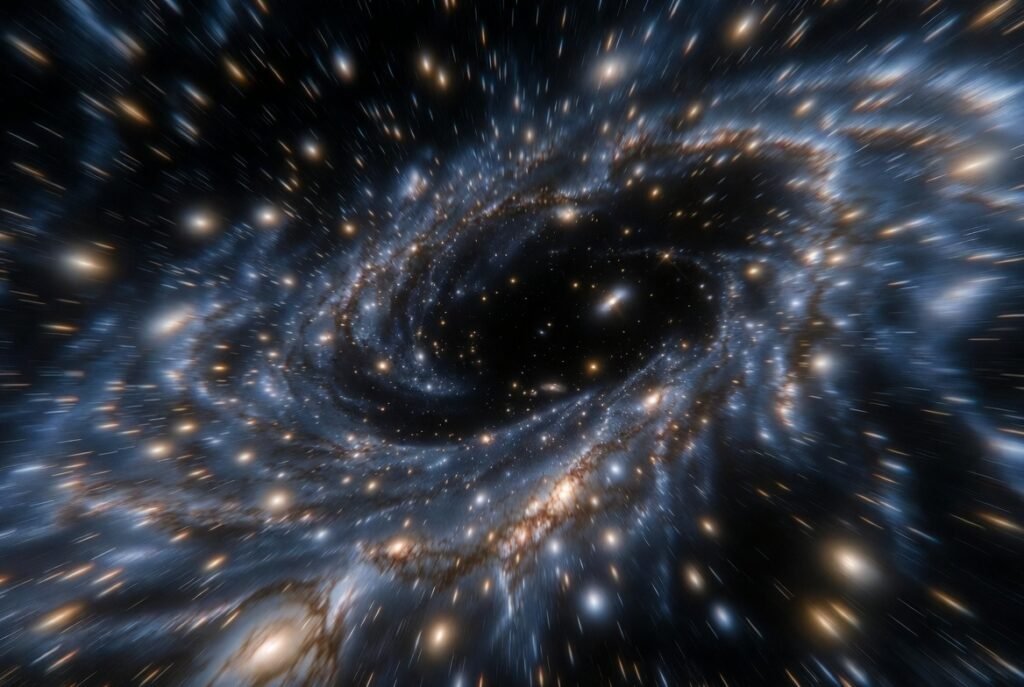
Growth is the most fundamental instinct of life. The universe is expanding and has since slammed into existence following the Big Bang; but conventionally, not all would regard this expansion as an explosion. This could well represent organic fashion of growth through mitotic division of the simple cell.
Processing Information
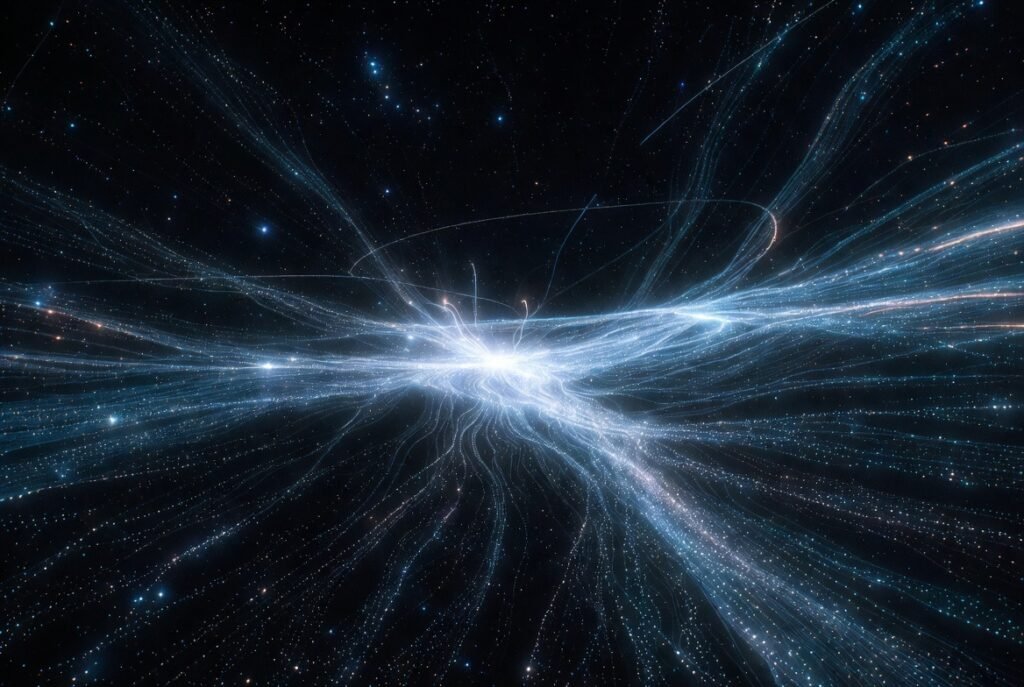
Modern-day physics believes in the possibility of “information” being the most basic building block of reality. The universe, thus, could respond to information by moving and behaving differently from a biological nervous system that “senses” and reacts to its own internal environments.
Cosmic Realm Natural Selection
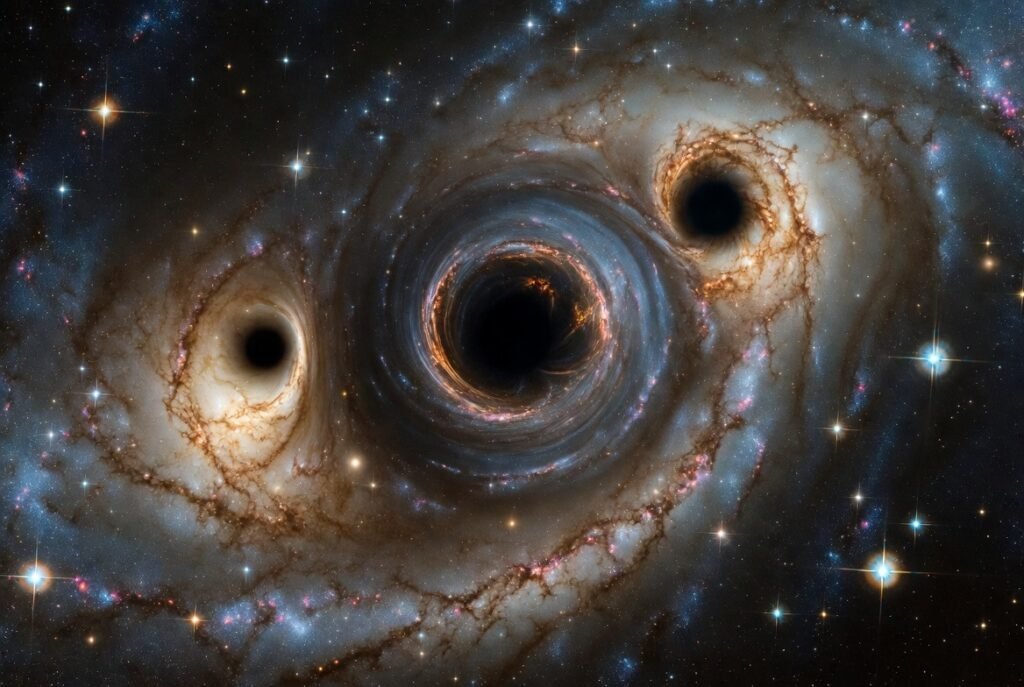
This theory “Cosmic Natural Selection” claims that black holes are the “seeds” of new universes: the more black holes a universe has, the more “daughter” universes will originate from each. Thus, depending on how well these universes reproduce, it seems that the universe itself undergoes some sort of evolution.
Energy Consumption and Metabolism
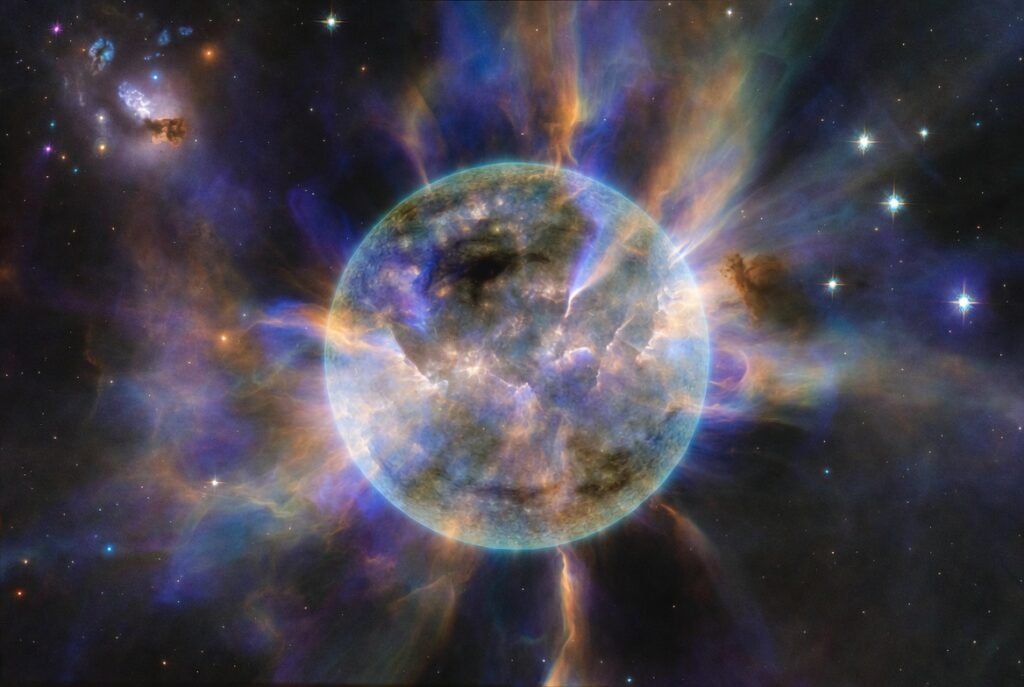
Living organisms take in energy and give off waste. Stars will consume fuel (in terms of hydrogen) and convert this into light and heavier elements on a cosmic scale. Even though we call this nuclear fusion, some say it is better viewed as a kind of cosmic metabolism and keeps the structure of the universe alive.
Awareness and Panpsychism
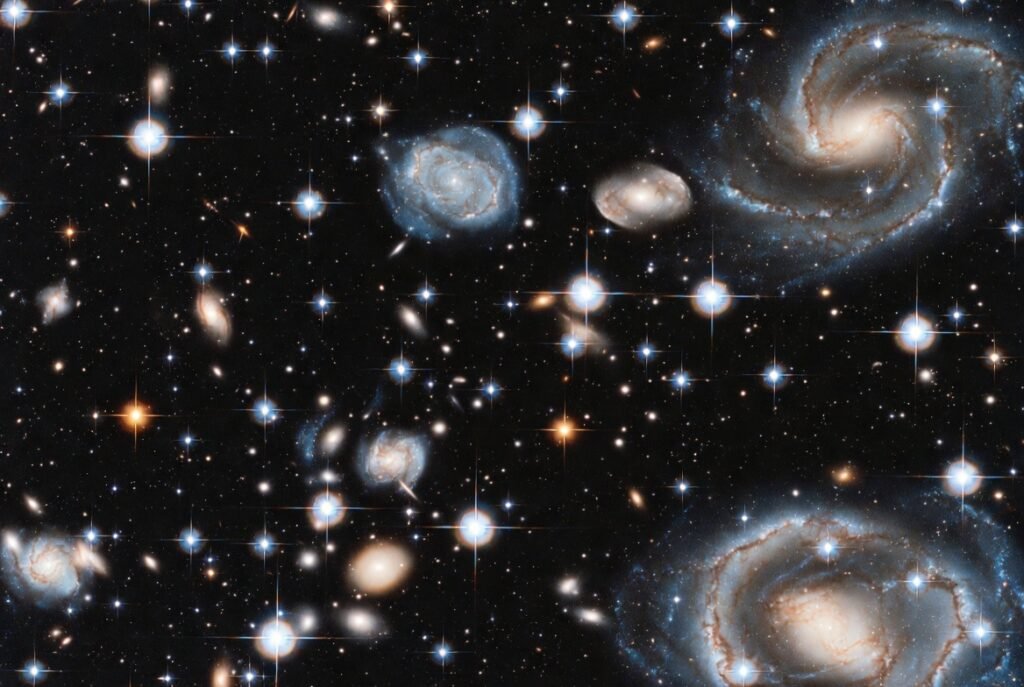
Such theories include panpsychism, which claims that consciousness does not simply happen within the brain of a human being, but rather is in the very universe itself. Hence, if every atom renders for a little spark of awareness, then with the whole universe considered, it can be said to be one great conscious living being.
The Universe Learns
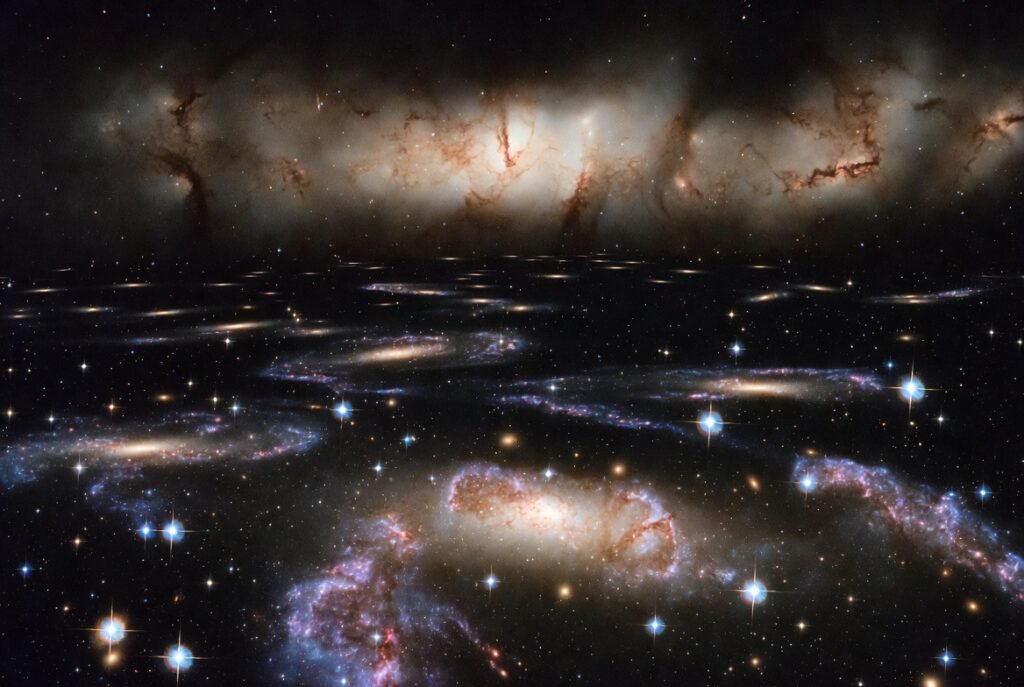
Some physicists are debating whether the laws of physics are absolute or whether, rather, the universe can learn different laws to work better as the billions of years go by. Such a change in behavior based on experience would indicate a hallmark of biological intelligence.
Interconnectivity
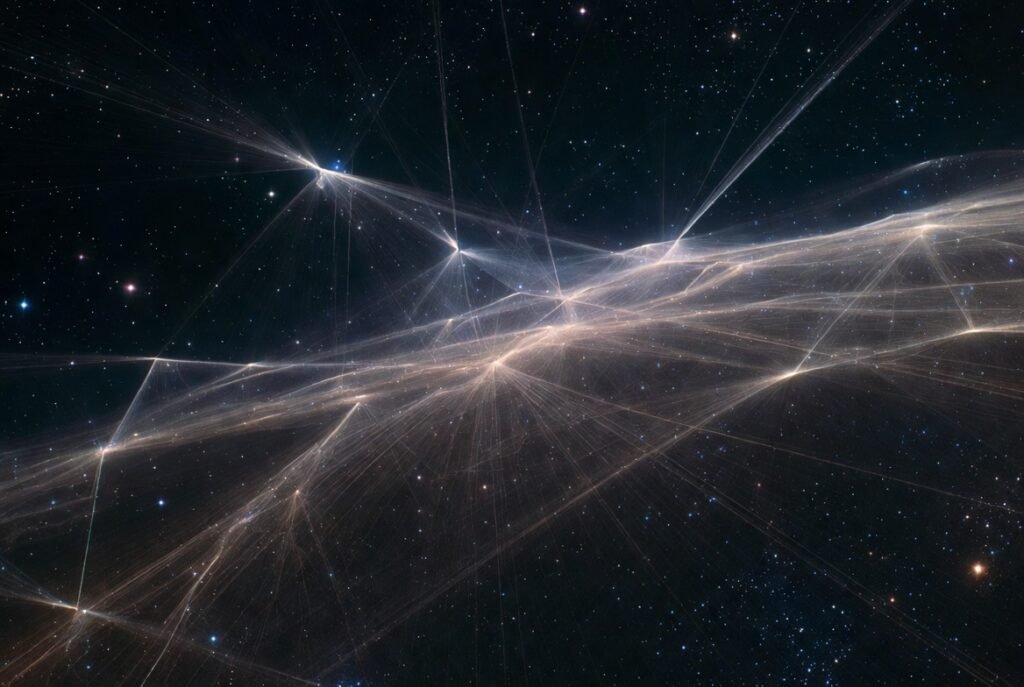
In an individual body, a toe is connected to a brain. Two particles will mysteriously communicate with each other even when located at a distance with no information exchanged within them due to an entanglement.
Shared Lifecycle
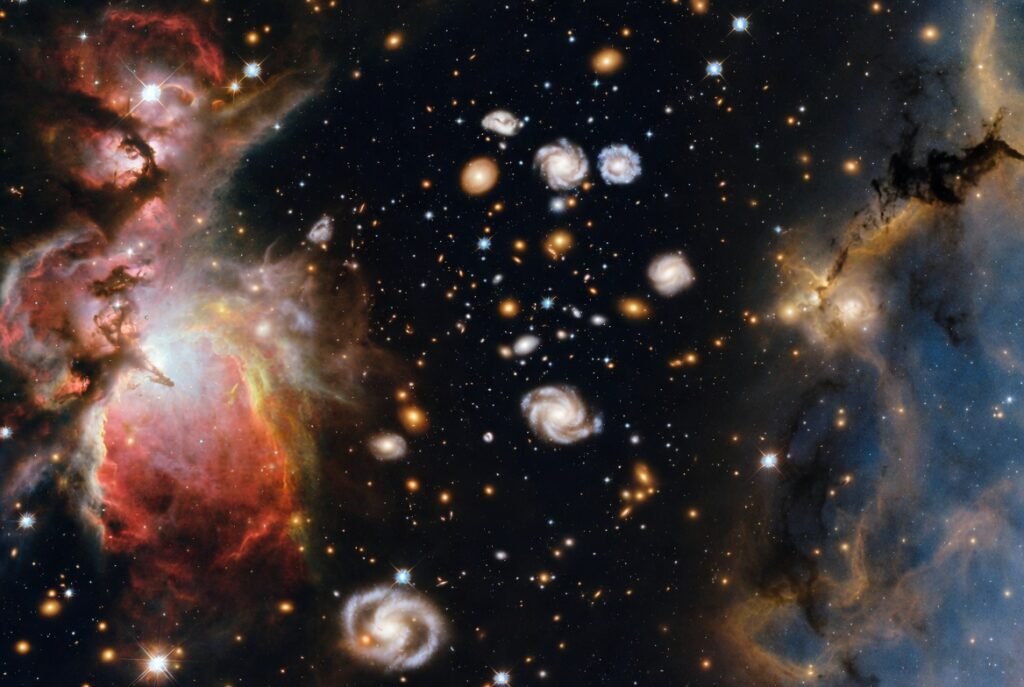
The universe is said to have been born at the Big Bang, live for some time, and die through either the Big Freeze or Big Crunch. All offspring would possess a clear cycle of birth, life, and death, which, too, would further confirm that this universe indeed possesses biological existence. It would have, though, gone through the full spectrum of existence in a living organism: from simple energy to complex structure, during its existence.
