
Ancient pyramids continue to draw scientific interest due to their scale and precision. For decades, debate focused on labor size, tools, and transport systems. Recent space based observations and satellite imaging offer measurable data about terrain, waterways, and material movement. These findings support practical engineering explanations. Evidence now points toward organized planning, environmental adaptation, and controlled material transport as central factors in pyramid construction.
Satellite Imaging Identifies Ancient Water Channels
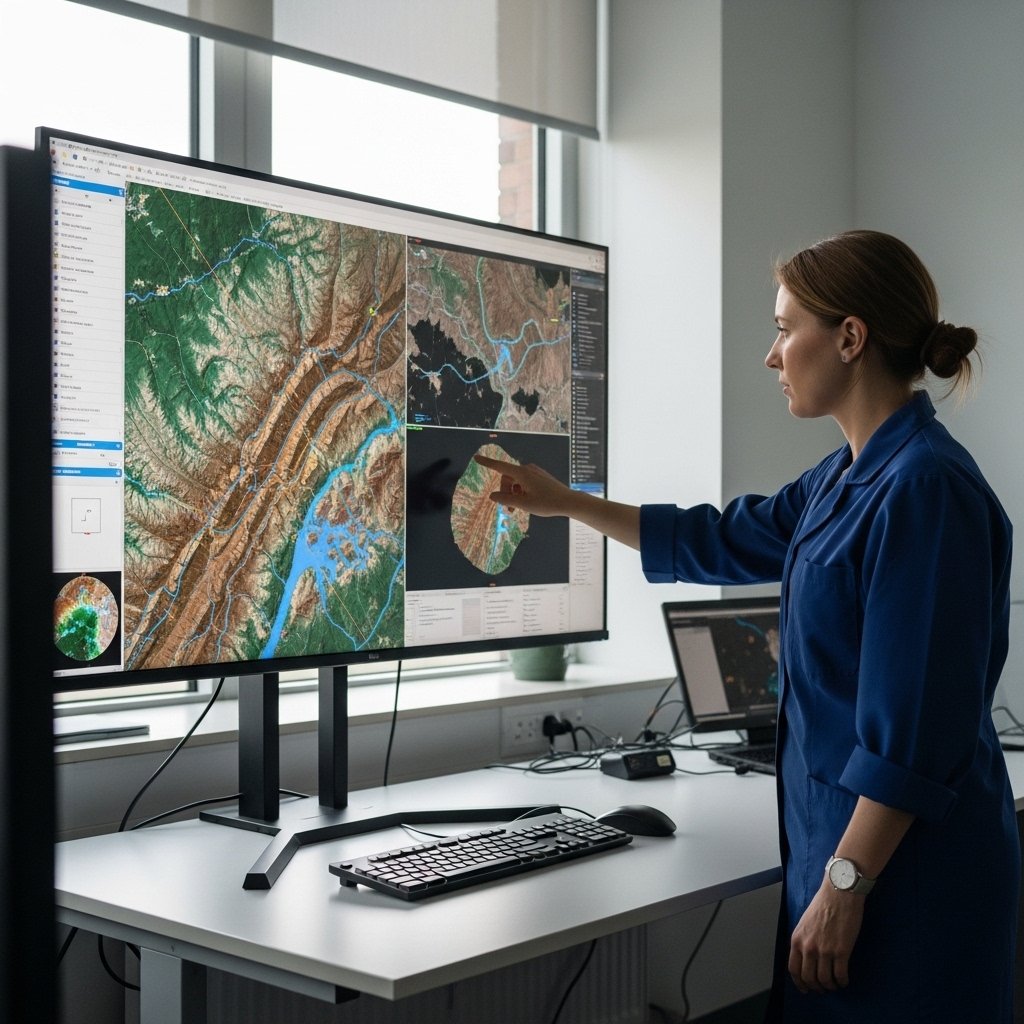
High resolution imagery from missions such as NASA Earth Observatory shows traces of dried river branches near the Giza plateau. Geological surveys indicate that a former Nile branch once flowed closer to construction sites. This water access would have supported heavy stone transport by boat, reducing land hauling distance and labor strain.
Ground Penetrating Radar Supports Structural Mapping

Data collected using radar technology reveals internal voids and layered construction patterns. Studies linked to ScanPyramids report large internal corridors inside the Great Pyramid. These scans suggest phased building strategies rather than random stacking. Structured layering indicates coordinated planning and workforce specialization.
Limestone Sourcing Linked to River Transport
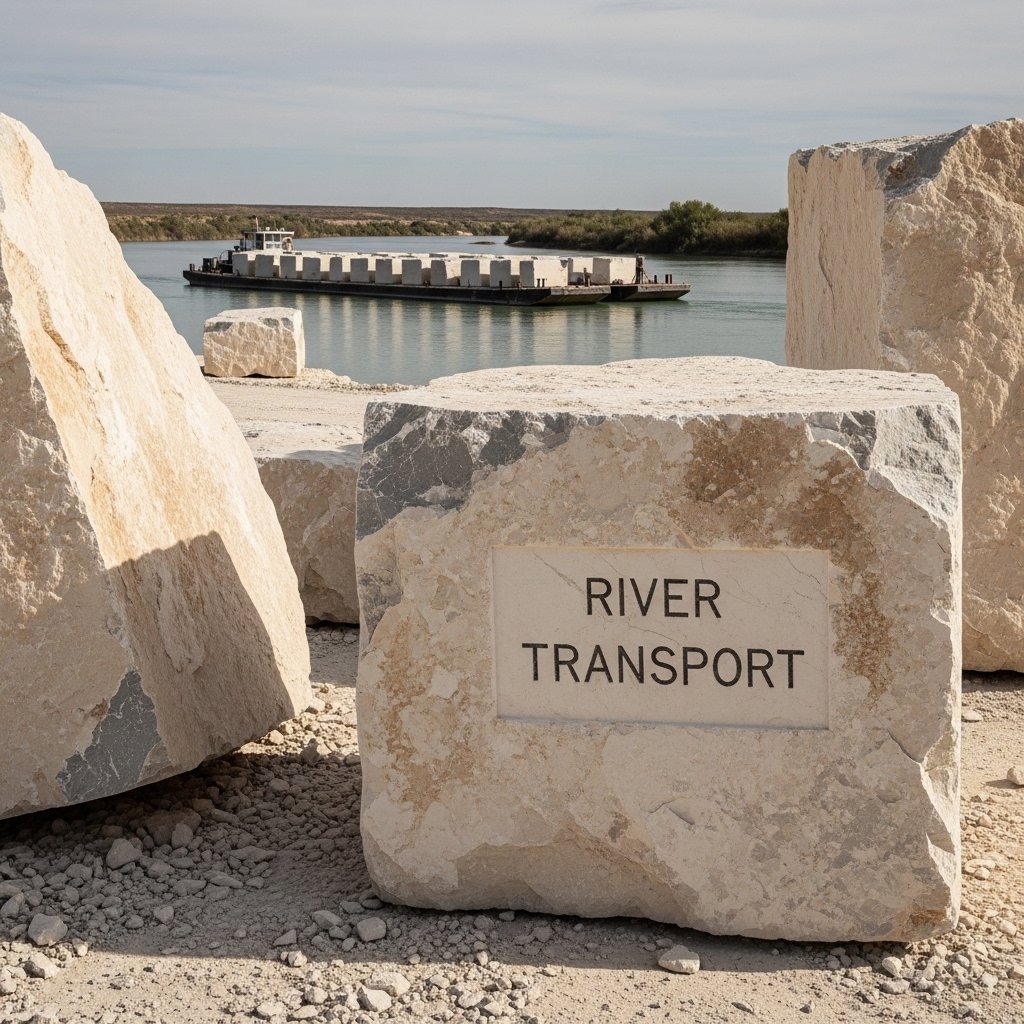
Chemical analysis confirms that limestone blocks from Tura quarries traveled several kilometers to Giza. Transport by river aligns with satellite findings of ancient waterways. Moving stone by boat reduces friction compared to desert hauling. Engineering estimates show water transport lowers required manpower by a significant margin.
Ramp Systems Modeled Through Terrain Analysis

Digital elevation models created from satellite data help researchers reconstruct potential ramp paths. Straight ramps would require large material volumes. New simulations favor zigzag or spiral ramps integrated into pyramid edges. These designs reduce construction footprint while maintaining steady elevation gain.
Evidence of Workforce Organization
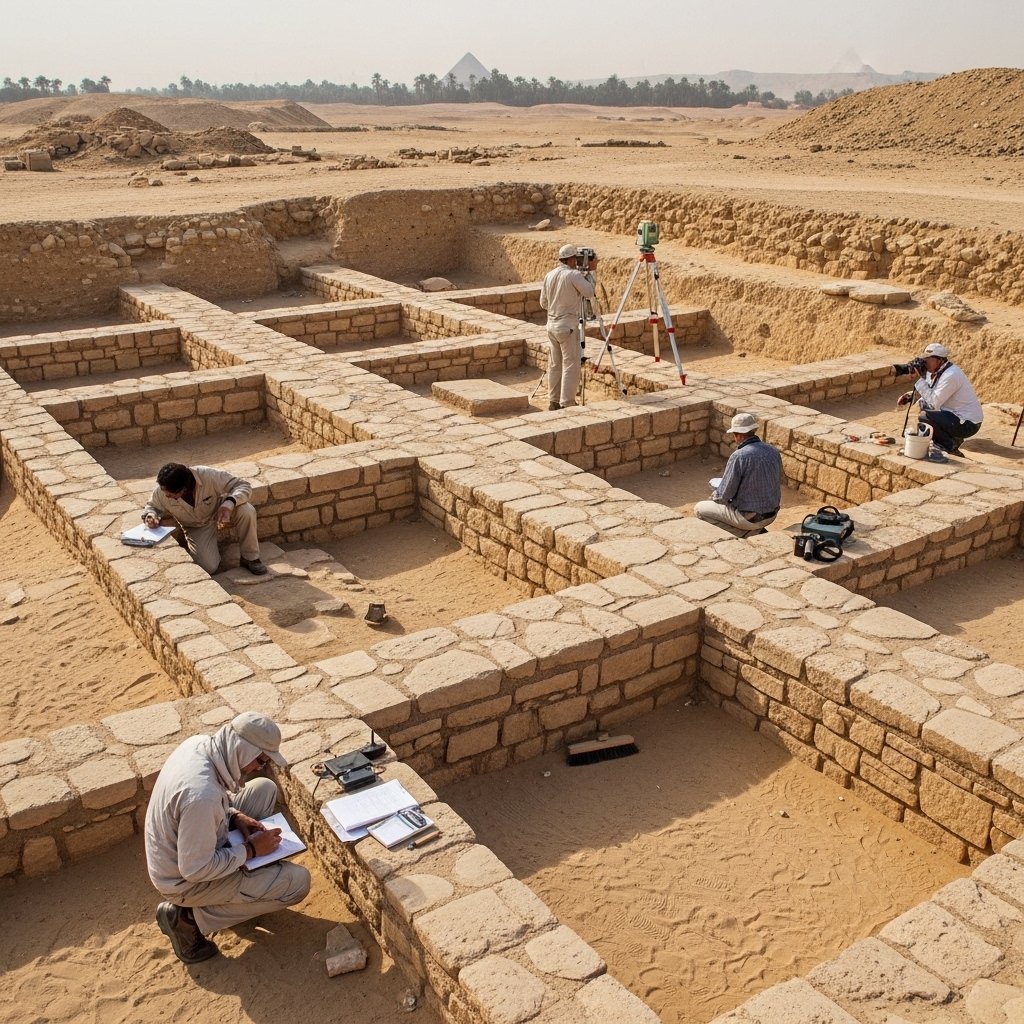
Archaeological discoveries near Giza uncovered worker settlements with structured housing and food storage systems. Analysis shows skilled labor divisions such as stone cutters and haulers. Records indicate rotational labor groups. Organized workforce planning supports the theory of systematic construction rather than forced mass labor.
Precision Alignment Measured Through Astronomical Data

The Great Pyramid aligns closely with cardinal directions, with error margins under 0.1 degrees. Astronomical modeling suggests builders tracked circumpolar stars for orientation. Satellite comparisons confirm consistent alignment across structures. This precision reflects repeatable surveying methods and trained oversight.
Material Handling Techniques
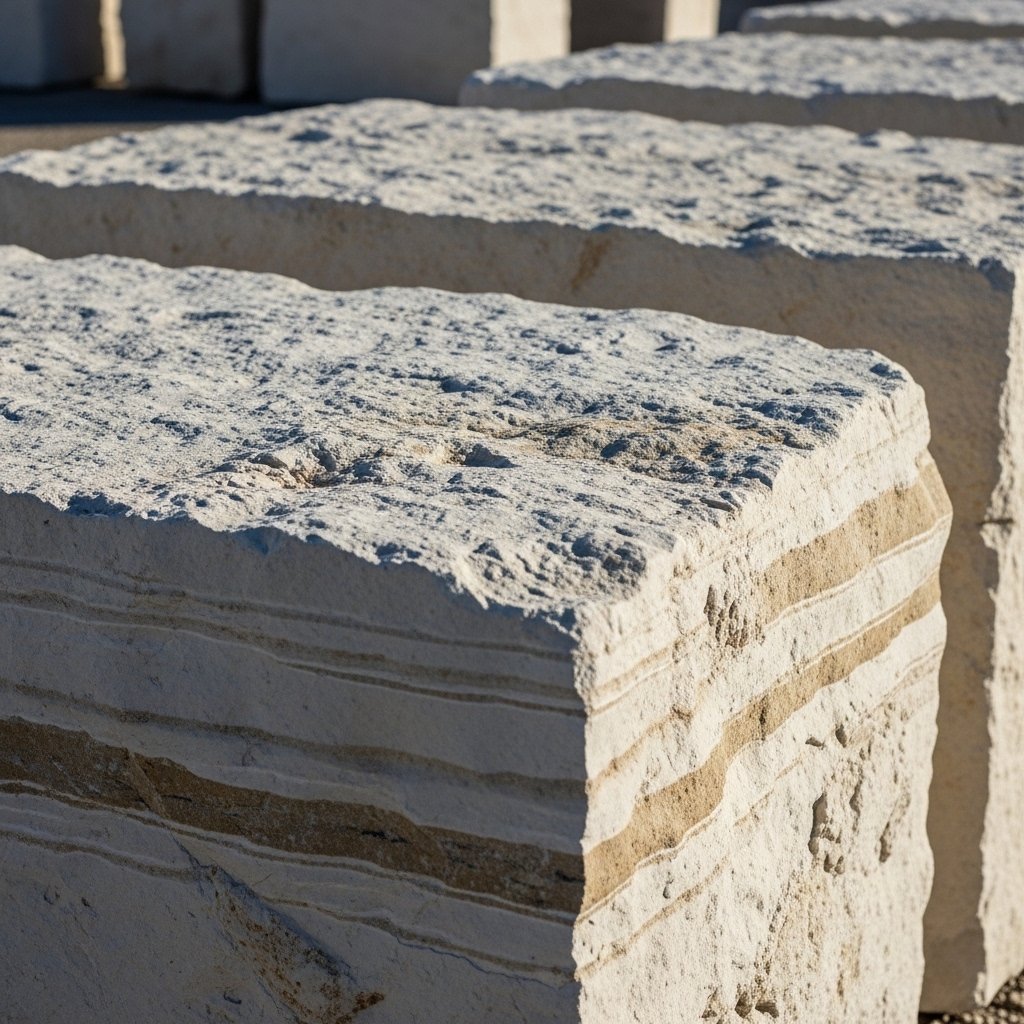
Stone blocks weighing up to 2.5 tons required coordinated lifting systems. Experimental archaeology shows wooden sledges reduce friction when pulled over wet sand. Controlled tests indicate friction drops by up to 50 percent with moisture application. Such methods align with visual depictions found in Egyptian tomb art.
Internal Chamber Engineering

Thermal scans detect density variations inside pyramid cores. These patterns suggest deliberate weight distribution to prevent collapse. Engineers believe builders used relieving chambers above main burial spaces. Load redirection techniques reduce vertical pressure and maintain structural stability over centuries.
Integration of Environmental Conditions

Climate studies reveal higher Nile flood levels during pyramid construction periods. Increased water flow supports heavy transport logistics. Sediment analysis aligns flood cycles with major building phases. Environmental timing likely influenced scheduling decisions and workforce deployment.
Data Synthesis from Modern Space Technology

Modern satellites combine spectral imaging, elevation mapping, and thermal detection. Integrated data allows researchers to model construction logistics with measurable accuracy. Cross analysis of geology, hydrology, and architecture strengthens the engineering based explanation of pyramid building methods.
