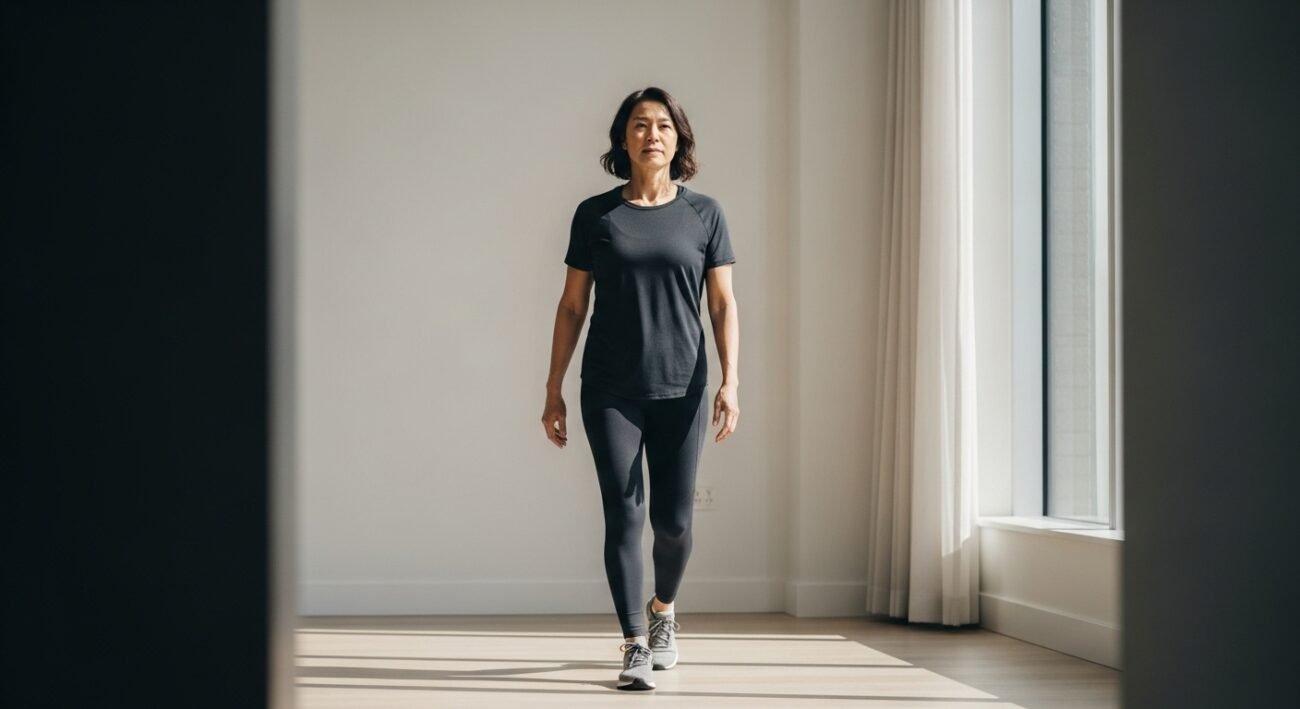
Gym visits are usually hampered by busy schedules. Adults are also interested in physical activities that do not require membership and a long session. The commute of work, home, and travel are beneficial to the daily energy and comfort of the joints. Minor bursts of movement visited throughout the day accumulate with time. The activities include walking, standing, lifting light loads, and changing the position that increase the volume of activities. The article describes how people can maintain an active body when formal exercises seem unavailable.
Movement Adds Up During the Day

The accumulation of the activities is associated with research indicating that short bouts increase the daily number of steps and energy expenditure. A period of five minutes of walking repeated over hours can be a prolonged session. Standing and walking a few minutes an hour by office workers improves glucose control as compared to extended sitting.
Walking as Default Transport

Base line movement is enhanced by walking during commuting, errands and calls. Leaving the car parked further or getting out of transport one stop earlier adds length without strategizing. Walking phone meetings aid in posture adjustments and slowing down pacing, decreasing the amount of time in total sitting hours over workdays.
Stairs Over Elevators

Stair use raises heart rate and leg strength in short bursts. Public buildings and apartments provide frequent stair access. Choosing stairs for two or three floors several times per day creates a meaningful workload without equipment or scheduling.
Household Tasks as Activity
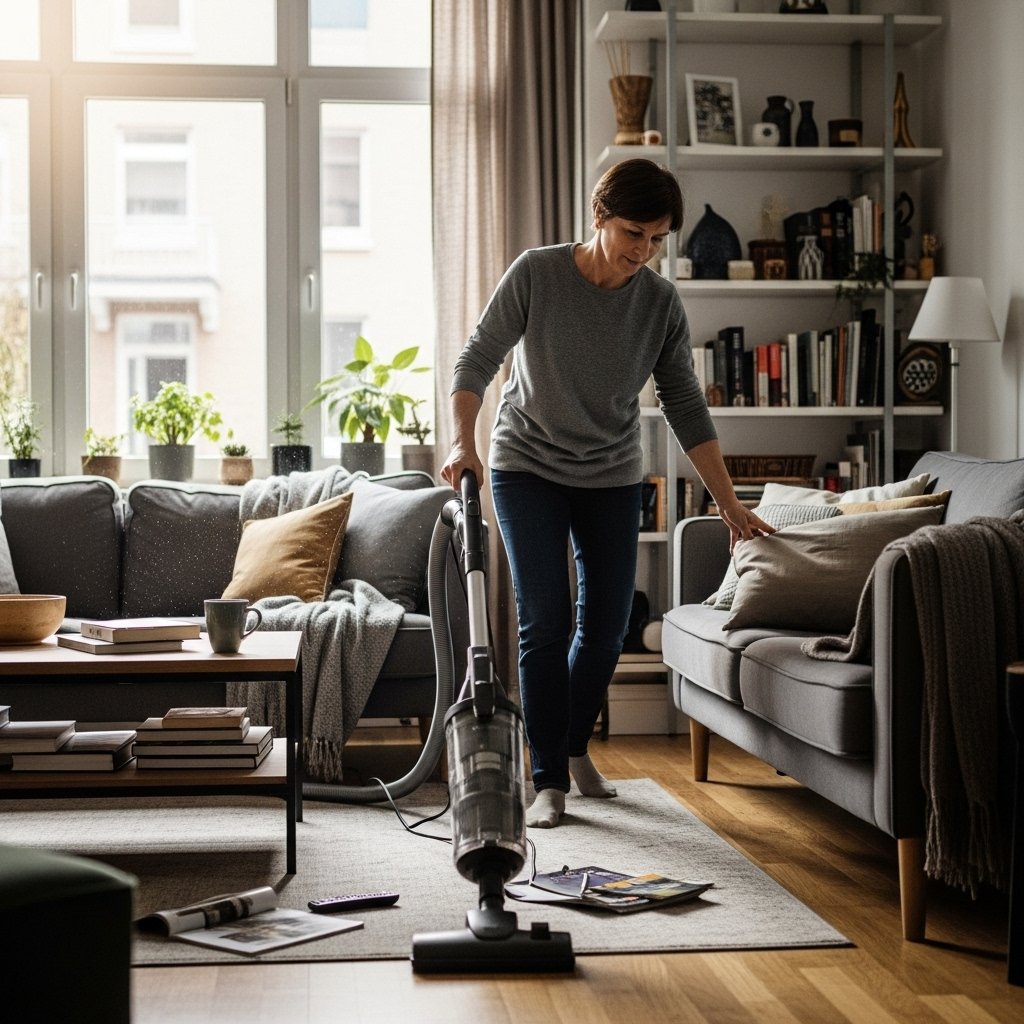
Lifting, carrying, and reaching are required in cleaning, cooking and organizing. Vacuuming, mopping, and yard work increases the rate of breathing. Research also associates routine domestic activities with an increase in the aggregate hours of activities per week, particularly in those adults who do not have a regular exercise regimen.
Micro Breaks at Work
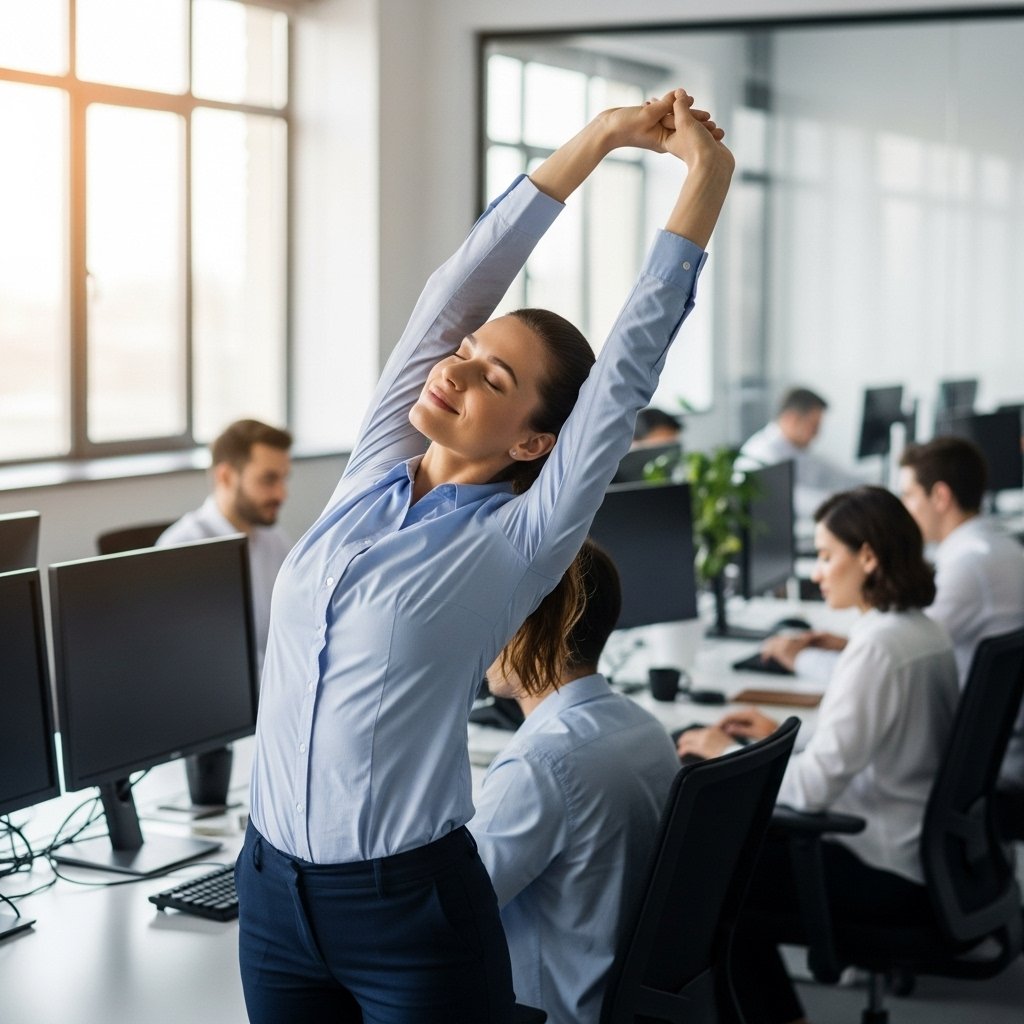
Short movement intervals are in opposition to long sitting. Two-minute standing, stretching or walking every 30 minutes helps in circulation and concentration. Employers that promote micro breaks make fewer of the complaints of discomfort in the neck, back, and hips.
Strength From Body Weight
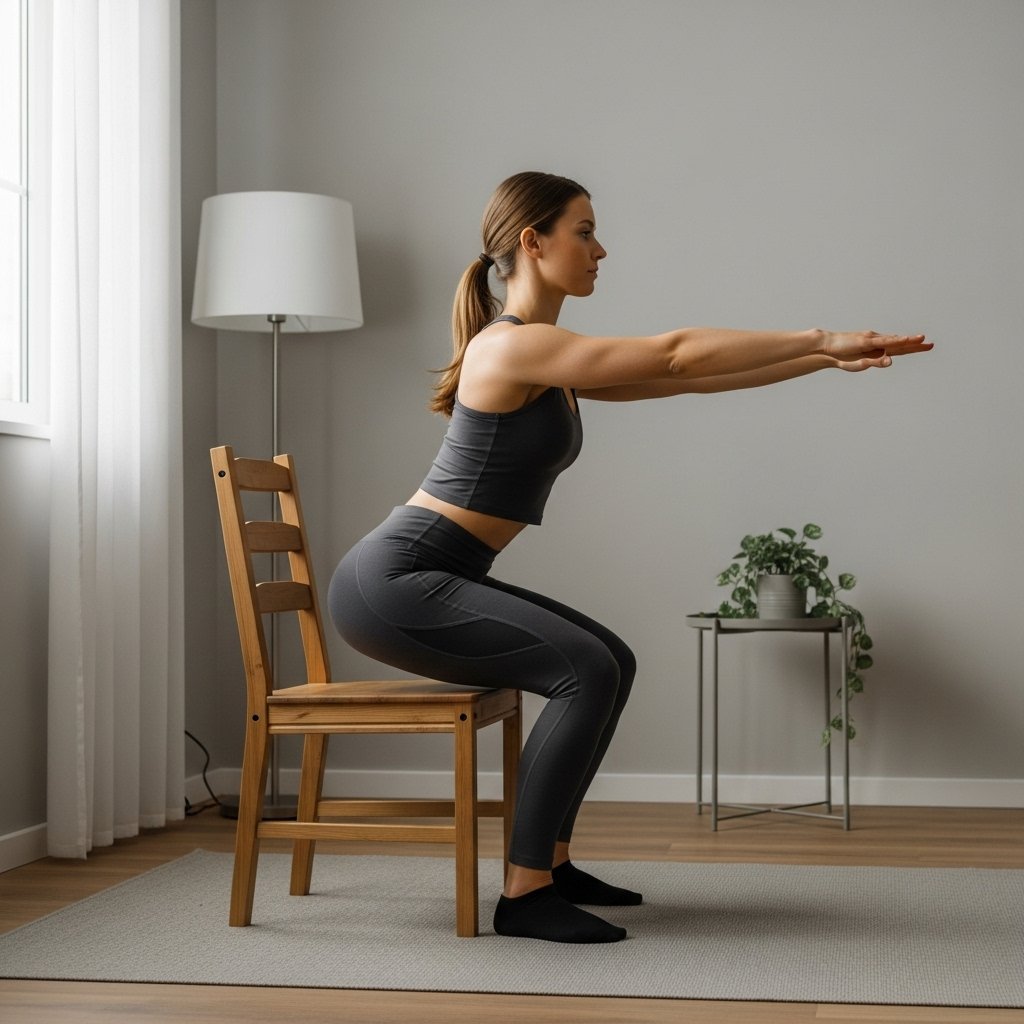
Facilities are not needed to build body weight movements. Squats using a chair, wall push ups, and calf raises are small in size. Killing simple patterns that are used throughout the day trains muscles by exposure in small repetitions as opposed to long periods of time.
Active Social Time

Social plans often involve sitting. Shifting meetups toward walks, parks, or active games raises movement while preserving connection. Families who choose active outings log higher step counts during weekends compared with screen based gatherings.
Use Waiting Time

Waiting periods appear during daily life. Light movement during queues or loading times keeps joints mobile. Heel raises, gentle marches, or posture shifts fill idle minutes and reduce stiffness linked with static standing.
Set Environmental Cues

Environments shape behavior. Placing items farther apart prompts extra steps. Keeping a water bottle away from desks encourages walking refills. Visual reminders such as notes or timers prompt regular movement without reliance on motivation.
Track Movement Simply
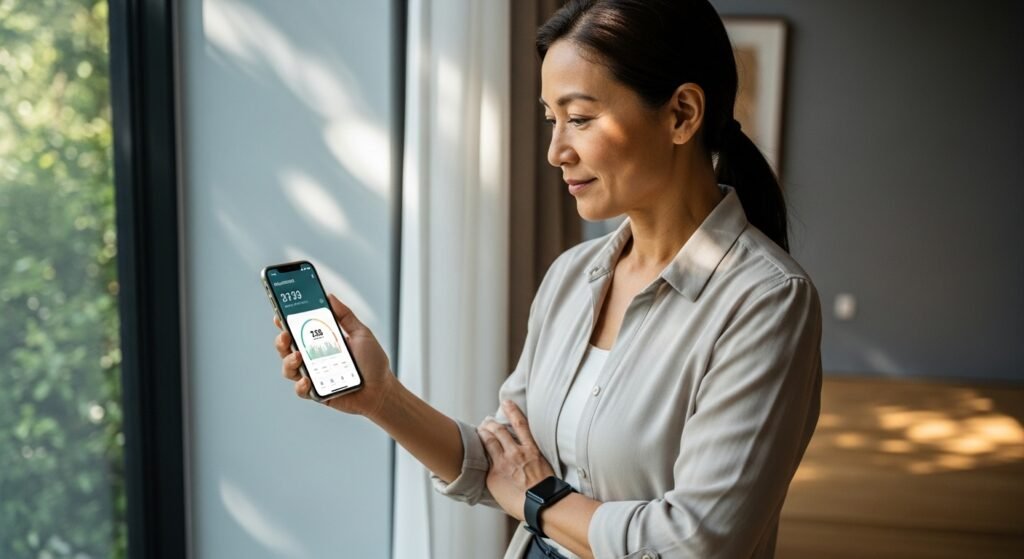
Simple tracking builds awareness. Step counters or phone logs show daily totals and trends. Observing numbers often leads to small adjustments like extra walks after meals, which raise activity levels across weeks.
