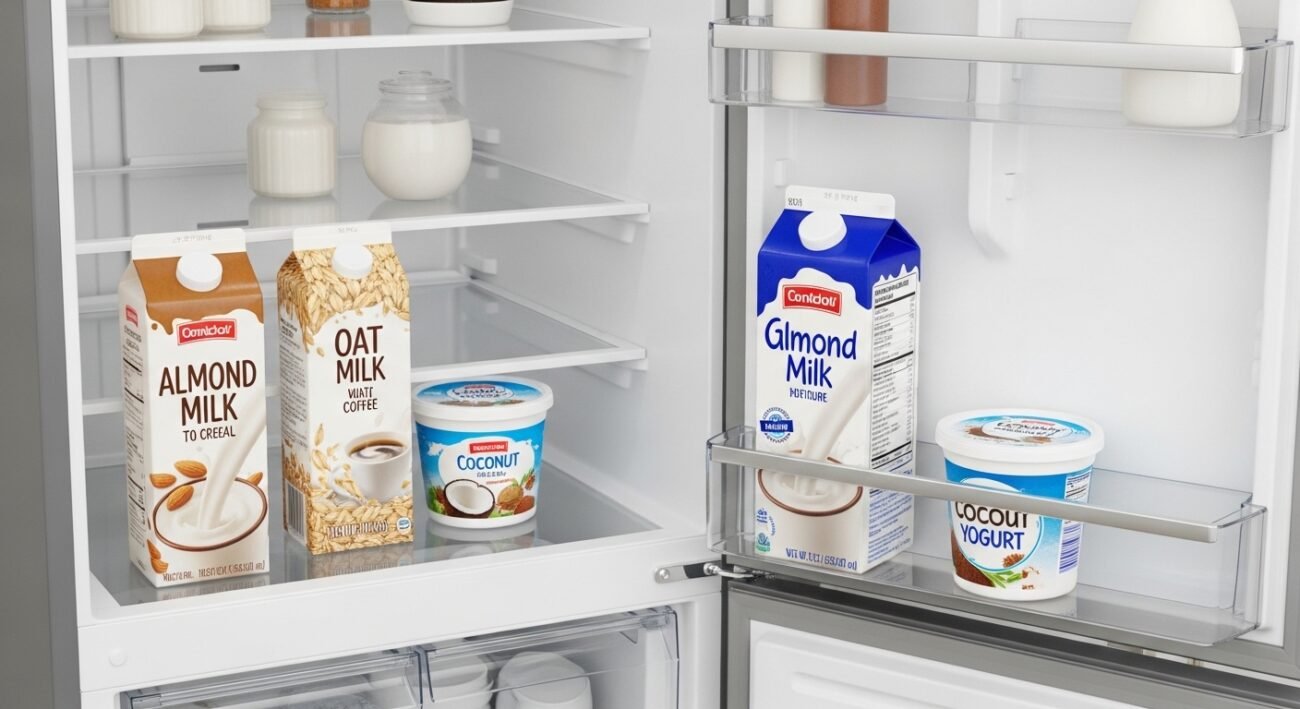
Open any refrigerator nowadays, and something is slightly different. In addition to the well-known cartons and tubs, almond milk to put in cereal, oat milk to put in coffee, or a snack in the form of coconut-based yogurt may be added. It appears that an increasing number of Americans are becoming interested in plant-based dairy substitutes and silently finding a place in their day-to-day lives. For some, it may be about taste. To others, it may be anything to do with diversity or merely doing something different. Whatever it is, this is increasingly happening in the home kitchen, week after week.
More choices than ever before
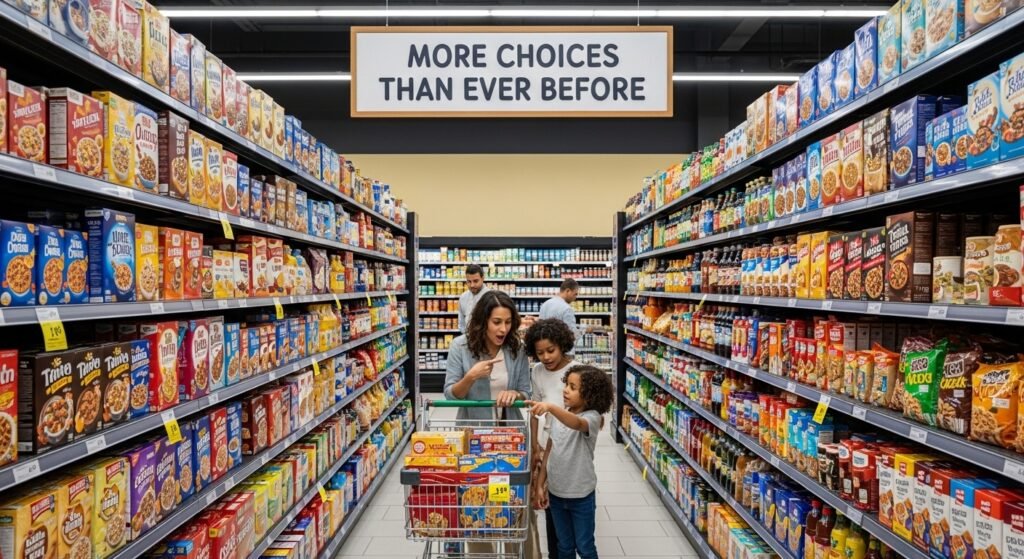
Apparently, variety itself is one factor. It can be welcoming when the consumer is exposed to various brands and flavors. A variety of options can make it more exciting to go shopping and allow families space to experiment with not completely abandoning the same staples.
Changing family habits
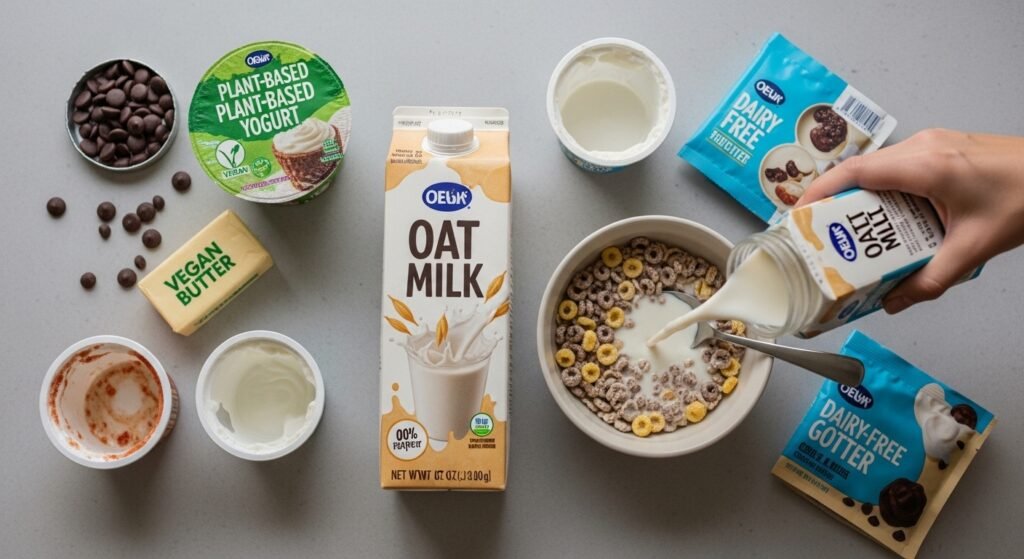
In most families, an individual would begin to purchase a dairy substitute, and other individuals would begin to follow suit. It might start with one carton of coffee and would add cereal, baking, and snacks. There are family habits that change so subtly with the passage of time.
Interest in ingredient labels
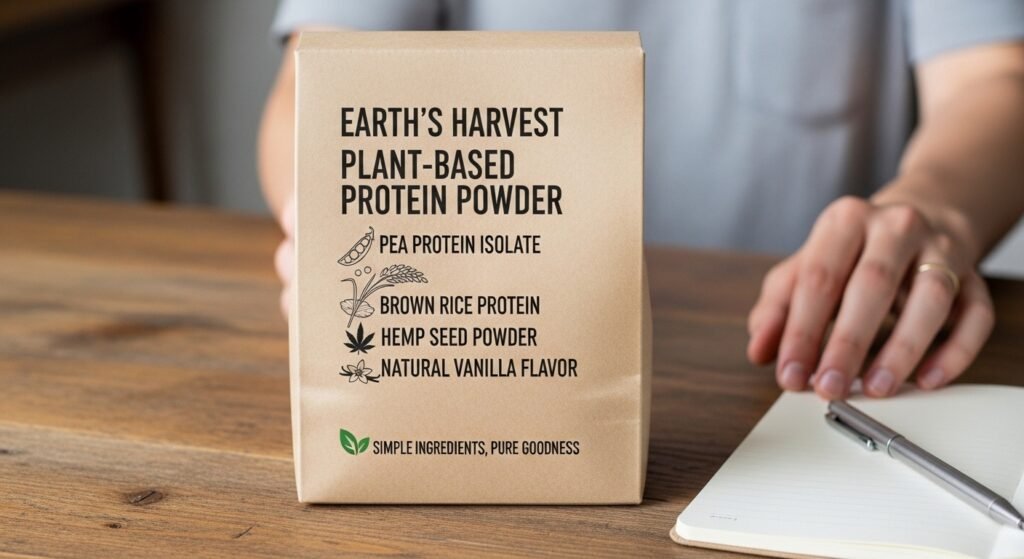
Certain customers might be more attentive to ingredient listings. The packaging of plant-based products is usually plain with easy-to-identify ingredients that may be attractive to the customer who may enjoy plain packaging. Labels on the readings might cause a person to feel more knowledgeable about what he or she takes home.
Availability in coffee shops and cafés
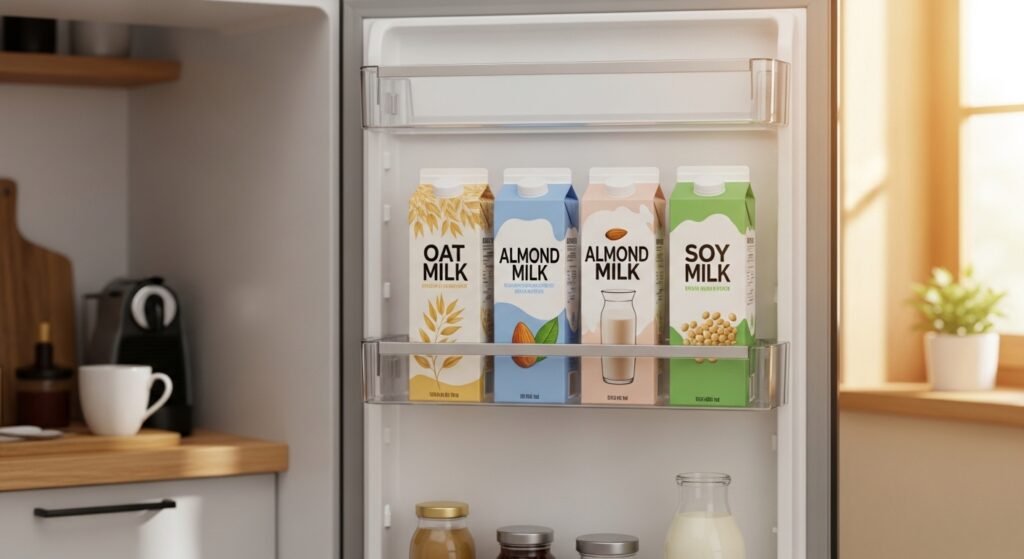
Oat, almond, or soy milk is a new standard offered by plenty of coffee shops. The appearance of these options on a regular basis could become normalized and reachable. What initially begins as a specialty at the cafe may end up in the refrigerator at home.
Food preferences and limitations
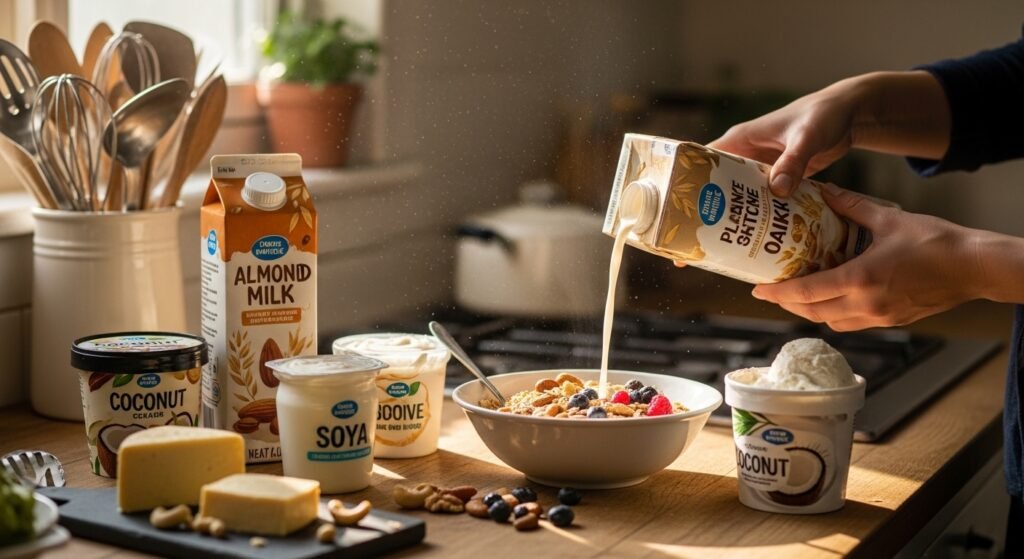
Some individuals can resort to dairy made of plants due to lactose intolerance or other preferences. It is easier to have options at hand, which can make ordinary food easier to handle. It may not be in fashion, but comfort and convenience.
Marketing that feels modern
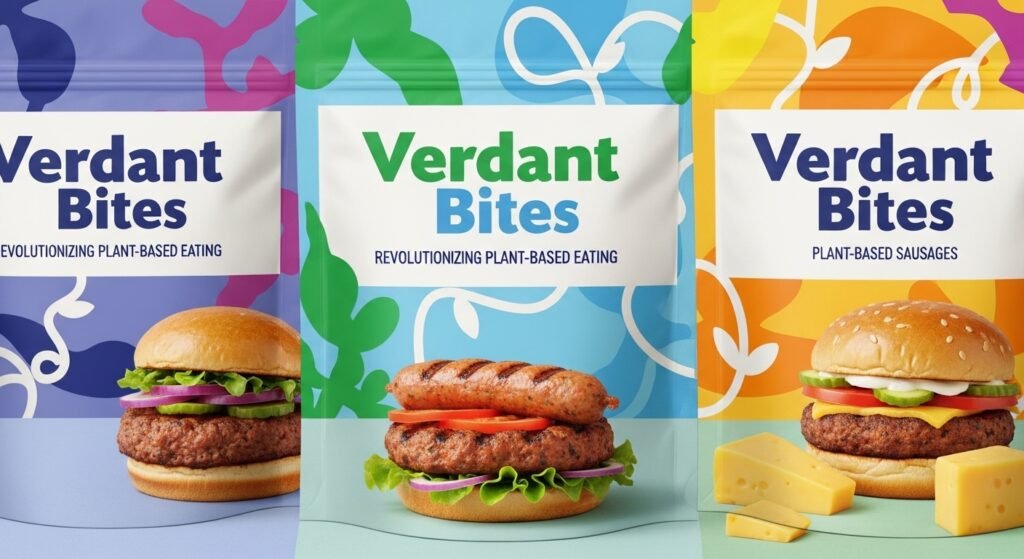
The packaging and brand seem fresh and colorful. Vegan goods are, at times, packaged as groundbreaking and progressive. Such a visual appeal may attract attention and make the shoppers interested in trying something new.
The role of younger generations

The younger consumers can be more willing to test with other food styles. Since they determine the amount of purchasing that occurs at the household level, their tastes may determine the contents of the cart. These decisions can eventually be normalized in the family.
Flexitarian lifestyles on the rise
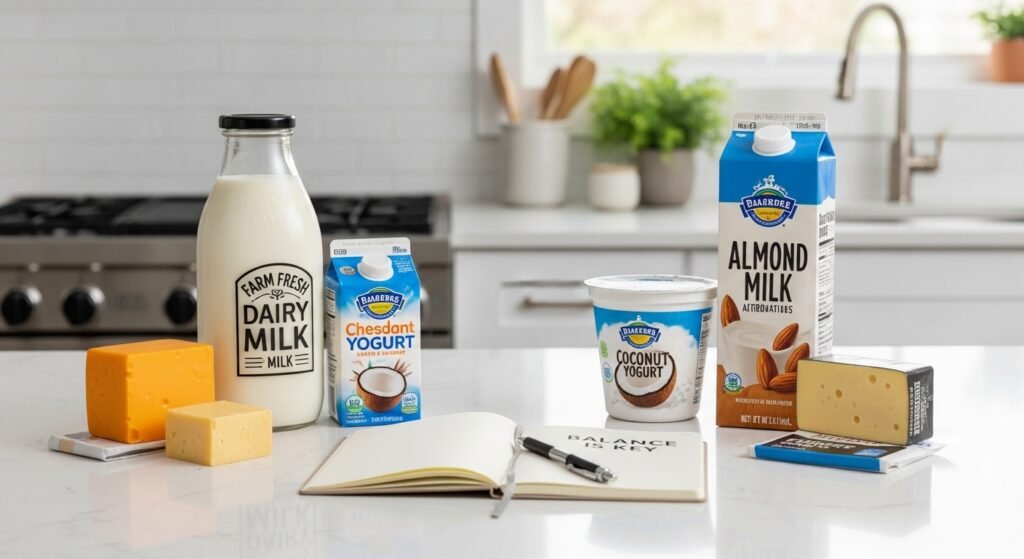
Not all people completely abandon traditional dairy and switch to alternatives. Such a non-rigid strategy can be less restrictive and easier to manage. The combination of these two types of products may be one of the reasons why plant-based alternatives do not stop growing in popularity.
A personal choice that feels individual

Food decisions at the end of the day usually reduce to a matter of taste. There would be Americans who like the taste, others the variety, yet a few just the experience of having an alternative. The change towards plant-based dairy does not appear to have a single rationale. Rather, it seems to be an expression of curiosity, lifestyle modifications, and the simple experiences of the kitchen that gradually accumulate.
