
Keeping in touch has been an aspect of life in the United States. Whether it is a rush in the morning or a night out chatting with a group of friends, messaging apps appear to influence the flow of conversations. It could be the convenience, or the speed or the comfort of having everybody right there with a button press. Some of the apps have remained popular over the years, perhaps due to their ability to adjust to emerging trends and demands. Although this might be different depending on the individual, other platforms seem to be at the core of everyday communication. This is an even closer examination of messaging applications that are still being used and enjoyed by many individuals in the US.
Instagram Direct

Photos and short videos are the specialties of Instagram, yet the direct messaging option can be just as significant. It appears that many users like to answer a story or post quietly and keep the conversations light and continuous.
Snapchat

Snapchat is not new with its fading-away messages and filters. It could be attractive to those who like to communicate in a light and uncomplicated manner. The game aspect of the app also perhaps makes the interactions relaxed and fun.
Telegram

Telegram can also be used due to its ability to create large groups and personalized settings. This can be good with some users who might like its flexibility and cloud-based storage that can make the process of accessing conversations convenient across devices.
Signal

Signal has been brought up frequently in relation to privacy. Its emphasis on safe communication may appeal to individuals who would like to have less data gathered. Although it is not in daily use by all, it does appear to have a firm and consistent user base.
Google Messages
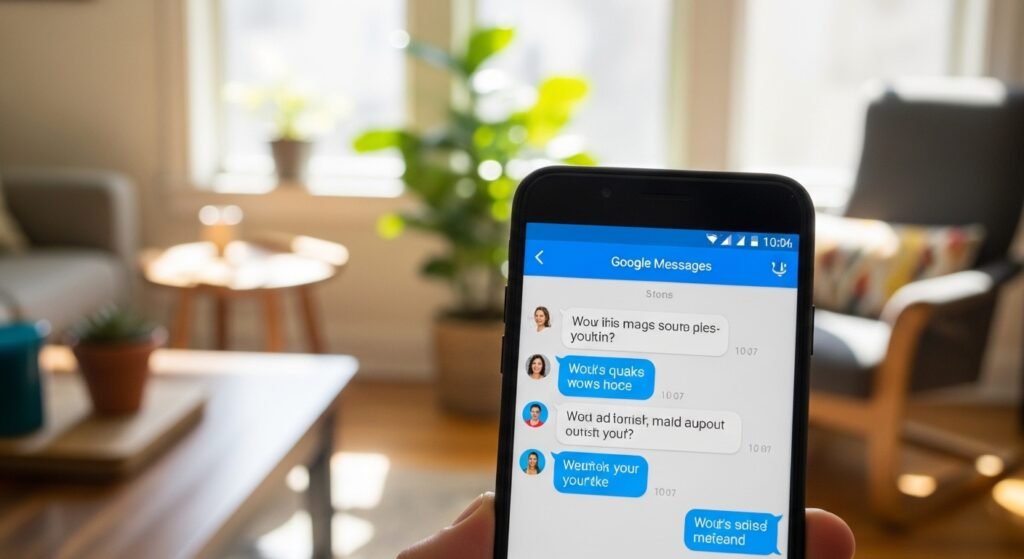
The Android community in the US seems to have a significant number of users on Google Messages. Having some RCS features that can be similar to features in iMessage, it could potentially fill the gap between the classic form of texting and the adoption of apps for messaging.
Discord
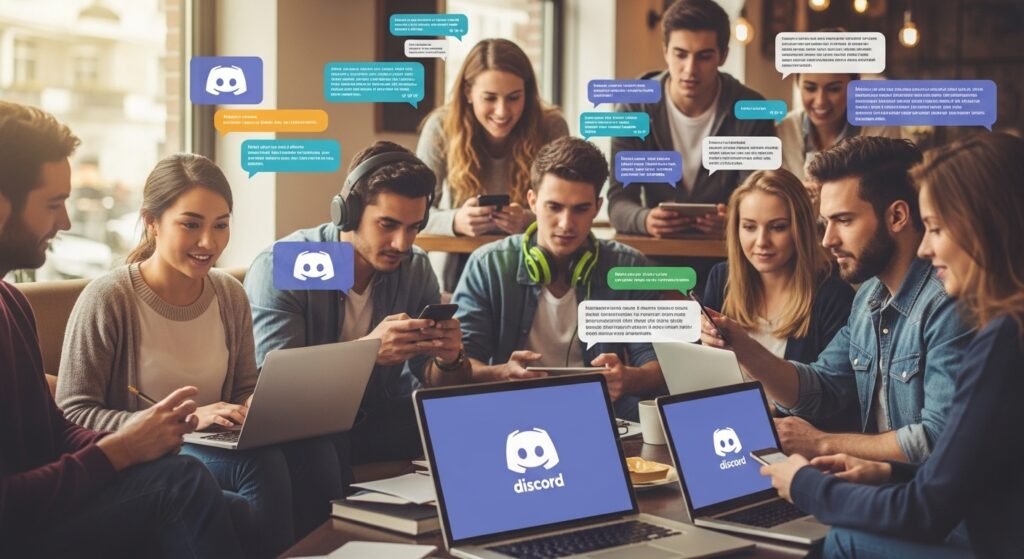
Discord, which was originally popular among gaming circles, does appear to have grown way past that. It has been adopted by many groups to study, discuss their hobbies, or chat about work, which could be the reason why it is becoming an increasingly popular part of everyday communication.
Slack

Workplaces are largely identified with Slack. It could assist in keeping the teams organized using channels and threaded messages. Even in non-traditional offices, certain communities seem to employ it to have organized group discussions.
Microsoft Teams
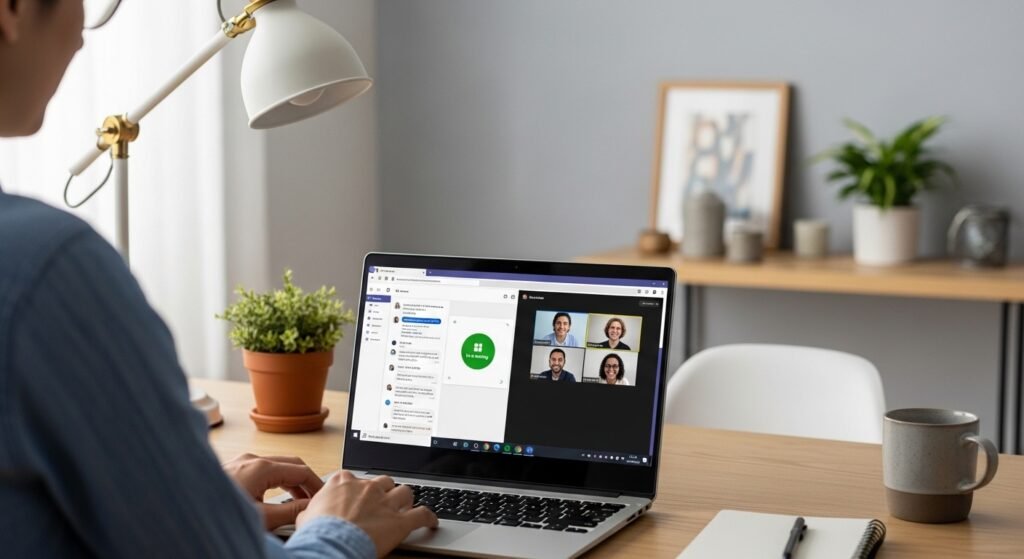
Microsoft Teams might be regarded as something that is part of the working routine. All of this is combined into one location, and so there is a possibility that it can prove to be convenient in both remote and hybrid communication.
GroupMe
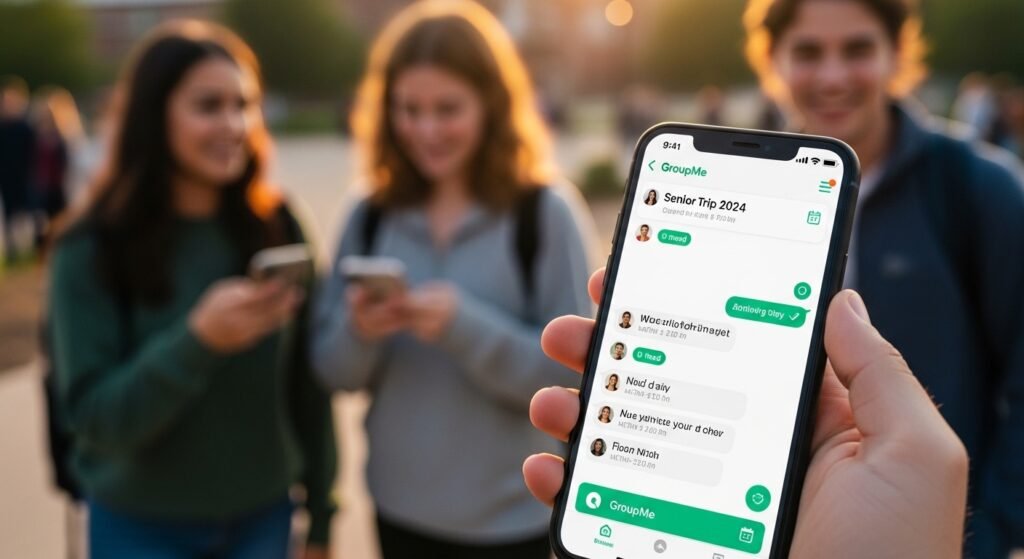
GroupMe has continued to be quite popular, especially with students and clubs. Its group-centered, minimalistic structure could help to make organizing events or maintaining contact with several individuals seem easy and straightforward.
Viber
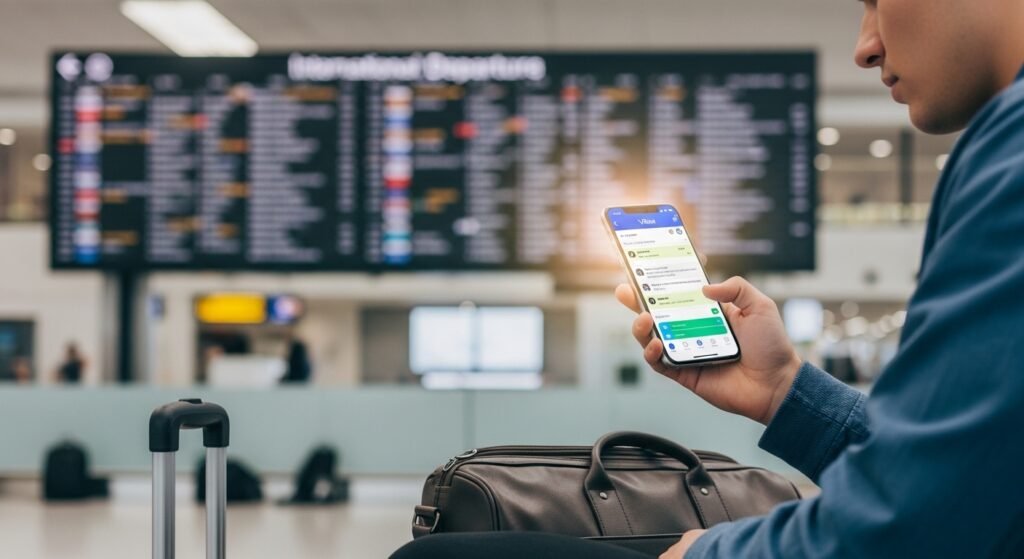
Viber is not the first brand that one can think of in the US, but it appears to have regular users. International free calls and messages may be included in the reason some of them still use it frequently.
Zoom Chat

Although Zoom is an app that is most commonly associated with video conferences, its chat service is perhaps yet another dimension of communication. Short messages in between or after the meetings can be used to continue flowing without changing platforms.
